


Some books close gently, tying up loose threads with a satisfying bow. Others leave you sitting in silence, staring at the last page like it just betrayed you. The endings below fall firmly into the second category, ranked from quietly heartbreaking to the kind that rearrange your whole week.
Of Mice and Men by John Steinbeck


The final pages of Steinbeck’s novella deliver one of literature’s most agonizing acts of mercy. George’s decision, made out of love rather than cruelty, closes the story on a note of quiet devastation rather than melodrama. The brevity of the book only sharpens the blow, since readers barely have time to catch their breath before it’s over.
What makes this ending linger isn’t shock value but inevitability. Steinbeck spends the entire novella building toward this moment, so by the time it arrives, it feels less like a twist and more like watching a slow-motion collision you couldn’t stop. It’s a sad ending, but a controlled one, the kind that aches rather than wounds.
Charlotte’s Web by E.B. White

Children’s literature rarely prepares young readers for loss the way this book does. Charlotte’s death near the end has quietly shaped how generations of kids first encounter mortality on the page. The tone stays gentle throughout, which somehow makes the sadness feel earned rather than manipulative.
White balances the grief with continuity, since Charlotte’s children carry a piece of her forward. That small comfort keeps the ending from tipping into pure despair. Still, for many readers, this remains the first book that made them cry, and that first-time weight never fully fades.
Where the Red Fern Grows by Wilson Rawls


This one has earned a reputation as a rite of passage for young readers, largely because of how unflinching its final chapters are. The loss of both dogs, back to back, hits with a one-two punch that feels almost unfair given the warmth of everything that came before. Rawls doesn’t soften the blow with much narrative distance.
The red fern itself, growing between the graves, offers a symbolic close rather than an emotional one. It’s a small, quiet image asked to carry a lot of grief. Readers often say this book taught them what real literary sadness feels like, long before they had the vocabulary for it.
A Little Life by Hanya Yanagihara

Published in 2015 and still widely discussed in reading communities through 2025 and 2026, this novel has become almost synonymous with literary devastation. Jude’s story doesn’t offer redemption in the traditional sense, and the ending refuses to grant him or the reader an easy resolution. The book’s sustained, unrelenting sadness has made it a frequent subject of debate about how much suffering fiction should ask readers to sit with.
What separates this ending from others on this list is its sheer duration. There’s no single gut-punch moment so much as a slow accumulation of grief that peaks in the final chapters. Many readers describe needing days, sometimes weeks, before picking up another book afterward.
The Fault in Our Stars by John Green

Green’s novel, still a staple of young adult reading lists years after its 2012 release, builds its ending around the cruel unpredictability of illness. The story subverts expectations about which character the reader should be bracing to lose. That reversal is part of what makes the final chapters land so hard.
The novel’s popularity, boosted further by its film adaptation, means its ending remains one of the most widely experienced literary heartbreaks among younger readers today. It doesn’t rely on shock for its power. Instead, it earns its sadness through the specificity of its characters and the honesty of how it portrays love under a countdown.
Partner offer

The Kite Runner by Khaled Hosseini


This novel’s ending works differently than most on this list, since it offers a form of redemption alongside its grief. Amir’s journey to atone for childhood betrayal culminates in a moment that’s hopeful on the surface but shadowed by everything that came before. The cost of that redemption is steep, and the book never lets readers forget it.
Hosseini’s choice to end on partial healing rather than full resolution is deliberate. It reflects a broader truth about trauma, that closure rarely arrives cleanly. The final image, though tender, carries the weight of years of guilt that can’t be fully undone.
Never Let Me Go by Kazuo Ishiguro

Ishiguro’s 2005 novel builds toward an ending defined by resignation rather than resistance. The characters’ quiet acceptance of their fate is what makes the final pages so unsettling, since there’s no rebellion, no last-minute rescue. The devastation comes from the absence of hope rather than its loss.
This restraint is a hallmark of Ishiguro’s style, and it’s part of why the book continues to be assigned in literature courses and discussed in book clubs today. The ending doesn’t ask for tears in an obvious way. It asks for a slower kind of grief, the sort that settles in after you’ve closed the book and thought about it for a while.
One Hundred Years of Solitude by Gabriel García Márquez

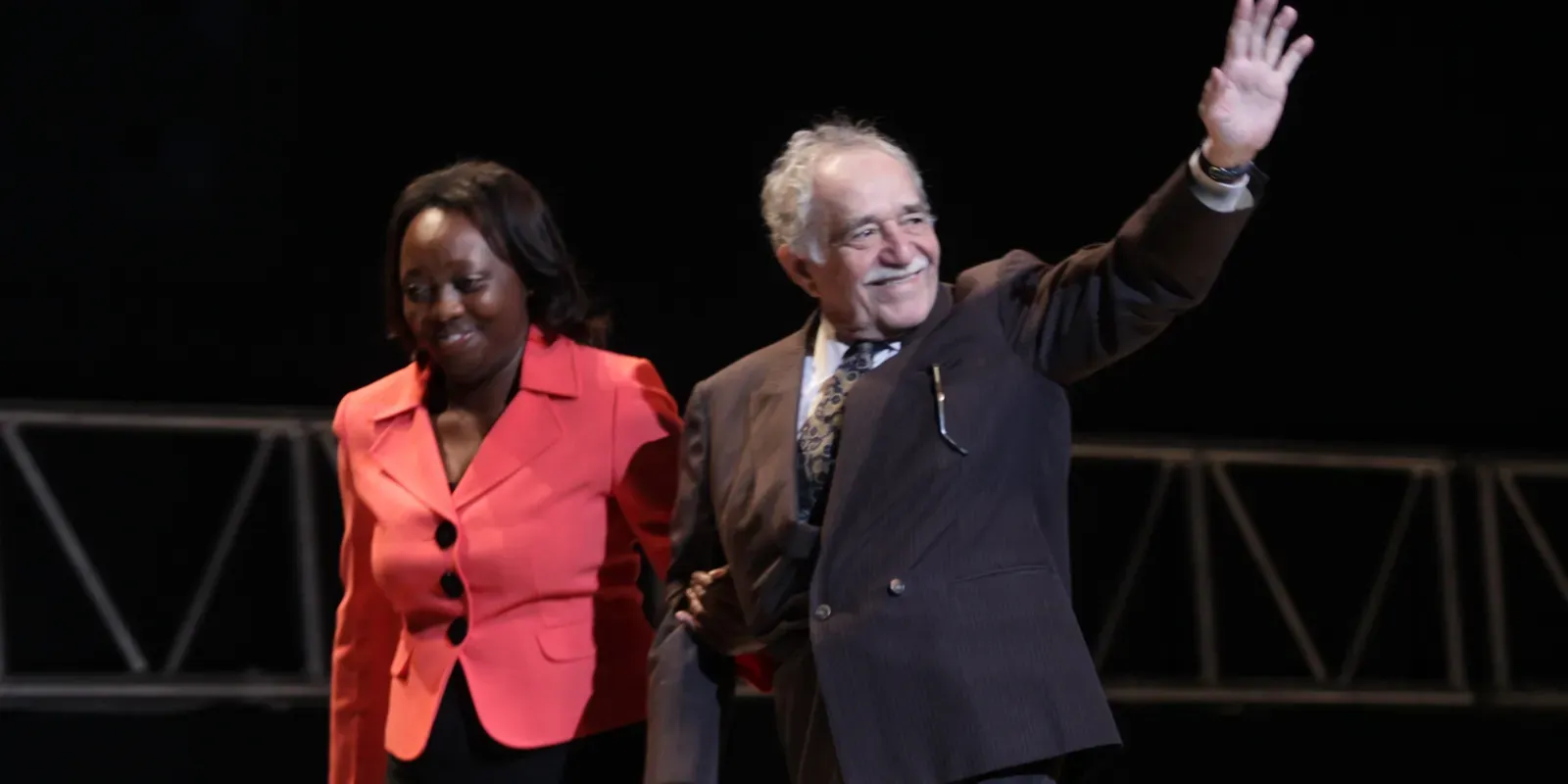
The final pages of this landmark novel bring an entire family’s multigenerational story to a close in a way that feels both mythic and final. The Buendía family’s fate is sealed with a sense of cosmic inevitability rather than personal tragedy alone. García Márquez ties the ending directly to the book’s structure, making the last page feel like the completion of a prophecy rather than a simple conclusion.
This is soul-crushing in a different register than the others here. It’s less about a single character’s pain and more about the erasure of an entire lineage and its history. The scale of the loss is part of what has kept this novel central to conversations about magical realism and literary ambition since its 1967 publication.
Atonement by Ian McEwan

McEwan’s ending reframes everything readers thought they understood about the story that preceded it. The revelation about the narrator’s role recontextualizes the entire novel, turning what seemed like a resolution into something far more troubling. It’s a structural gut-punch as much as an emotional one.
The book asks uncomfortable questions about fiction’s power to comfort versus its obligation to tell the truth. That tension is exactly what makes the ending so effective. Readers are left questioning not just what happened to the characters, but what the act of storytelling itself is capable of hiding.
The Road by Cormac McCarthy

McCarthy’s post-apocalyptic novel ends on a note that’s ambiguous enough to spark debate but bleak enough to leave most readers shaken. The fate of the father and son is handled with the same sparse, unsentimental prose that defines the rest of the book. There’s little comfort offered, and what small hope exists is fragile at best.
This restraint is precisely why the ending feels so heavy. McCarthy doesn’t manipulate readers with sentiment, he simply presents the bare facts of survival and loss. The result is an ending that sits with readers long after the final page, less a resolution than a continuation of dread.
Partner offer
Planning a trip to Vegas?
Compare hotel rates and show tickets on VEGAS.com.


