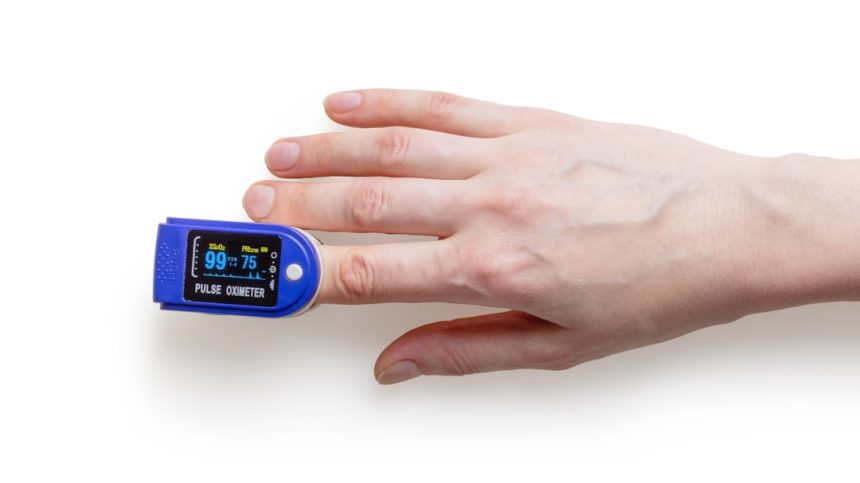
Doctor accidentally fixes patient’s irregular heartbeat – by sticking a finger in a very unexpected place – Image for illustrative purposes only (Image credits: Unsplash)
Queens, New York – A healthy 29-year-old man arrived at the emergency room one evening gripped by sudden heart palpitations that disrupted his normal rhythm. Doctors diagnosed atrial fibrillation, a common but potentially serious arrhythmia where the heart’s upper chambers quiver chaotically.[1][2] What followed defied typical treatment paths, as a standard diagnostic step unexpectedly resolved the issue in seconds, highlighting the body’s intricate neural connections.
Sudden Symptoms Prompt Urgent Care
The man had walked home without any prior warning signs. No history of heart disease, drug use, or recent illness marked his profile, placing him at low risk for such events. Palpitations struck abruptly, leading him straight to the hospital.
Emergency staff conducted an electrocardiogram, or EKG, which confirmed atrial fibrillation. His heart rate clocked in at around 140 beats per minute, irregularly irregular. Clinicians admitted him and prepared for cardioversion, a procedure to shock the heart back to normal rhythm. First, however, protocol demanded ruling out gastrointestinal bleeding before administering anticoagulants.
An Unplanned Intervention
To check for occult blood, a physician performed a digital rectal exam. The patient bore down and strained without exhaling – a Valsalva maneuver often used in such checks. This action mimics straining during a bowel movement.
Immediately after the exam concluded, monitors showed a dramatic shift. The heart rate dropped to 80 beats per minute. A follow-up EKG revealed normal sinus rhythm, free of the earlier chaos. No medications or electrical intervention proved necessary.[2]
Partner offer
The Role of the Vagus Nerve
Atrial fibrillation disrupts coordinated heartbeats, often requiring drugs or procedures for correction. Medications typically take hours to restore order. This case stood out because the rectal exam achieved cardioversion instantly.
Experts attribute the resolution to vagus nerve stimulation. The vagus nerve, a key player in the parasympathetic nervous system, influences heart rate and rhythm. Rectal distension and the Valsalva maneuver boost its activity, slowing electrical conduction in heart tissue and overriding erratic signals.[1]
- The Valsalva increases intrathoracic pressure, temporarily reducing cardiac output.
- This triggers a reflex surge in parasympathetic tone via the vagus.
- Such maneuvers commonly treat simpler arrhythmias like supraventricular tachycardia.
- Here, it terminated atrial fibrillation, a rarer outcome.
Documented Case Sparks Interest
Clinicians published the incident in 2010 as a case report titled “Instantly Converting Atrial Fibrillation into Sinus Rhythm by a Digital Rectal Exam on a 29-Year-Old Male.” The patient discharged home that day. Follow-up at three months confirmed no recurrence.[1]
The story resurfaced recently, gaining traction online as a medical curiosity. The treating physician even shared its origin publicly years later. While not a standard therapy, the event underscores vagal maneuvers’ potential in select cases.
What matters now: Though unconventional, this illustrates how everyday diagnostics can yield therapeutic surprises. It reinforces the value of vagus nerve modulation in arrhythmia management, prompting further study into non-invasive options.
Such episodes remind physicians of the autonomic nervous system’s reach – from gut to heart. The man returned to everyday life, his brief ordeal a footnote in medical literature. Cases like this expand understanding of treatment possibilities, even when discovered by accident.
Partner offer
Planning a trip to Vegas?
Compare hotel rates and show tickets on VEGAS.com.