History’s official record is crowded with kings, emperors, and warlords. Very few women ever rose to power in the kingdoms and empires of the ancient world, and those who did fought their way through significant barriers, in often violent times. The picture these records paint is deeply incomplete. Ruling from “behind the throne” refers to the practice of exerting significant influence and control over a kingdom or government without holding the official title of ruler, and this was often the case for women who were barred from official power due to societal or cultural norms.
The women on this list span continents and millennia. Some wore no crown. Some wore two. Scattered across history and continents are women who seized, inherited, or maneuvered their way to the apex of political authority, ruling kingdoms, empires, and nations with the same ambition, strategic cunning, and occasional ruthlessness as their male counterparts. Their stories deserve far more than a footnote.
1. Hatshepsut – Egypt’s Pharaoh in Disguise
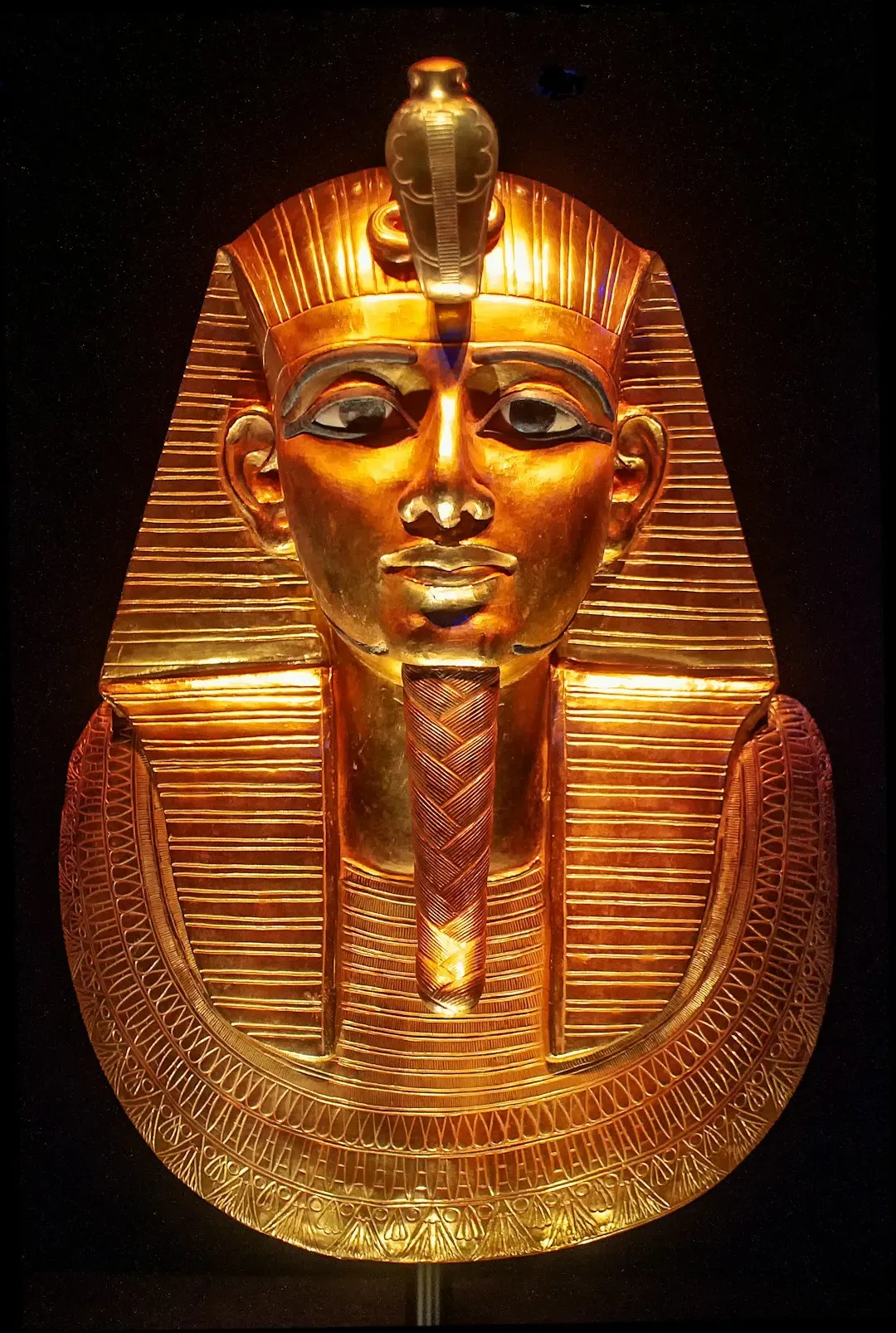
Upon the death of her husband and half-brother Thutmose II, Hatshepsut initially ruled as regent to her stepson, Thutmose III, who inherited the throne at the age of two. Several years into her regency, Hatshepsut assumed full pharaonic authority. In the seventh year of her regency, she changed the rules and had herself crowned pharaoh of Egypt, taking on all the royal titles and names, inscribed using the feminine grammatical form, while having herself depicted as a male pharaoh.
Rather than sending soldiers to war, she sent them on what became her proudest venture: a trading expedition to the fabled land of Punt, along the southern shore of the Red Sea, where no Egyptian had been for 500 years. As portrayed on the walls of her mortuary temple, the expedition returned laden with gold, ivory, live myrrh trees, and a menagerie of exotic animals. Before his own death, Thutmose III moved to erase Hatshepsut from the historical record by defacing her monuments and removing her name from the list of kings. The erasure failed. Her obelisks still stand at Karnak today.
2. Wu Zetian – China’s Only Female Emperor
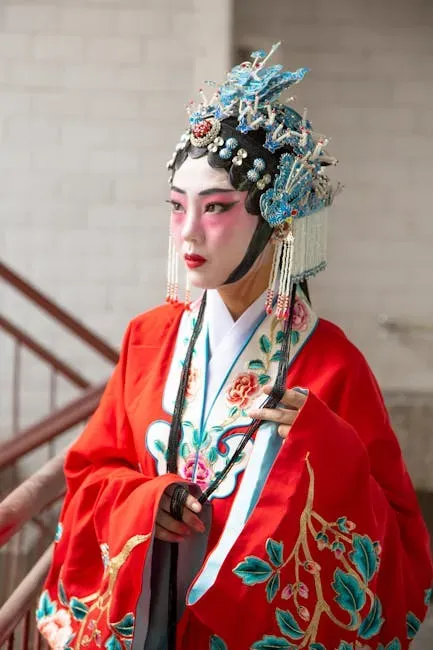
When her sons became emperors, Wu Zetian still held true power as empress regent and blocked them from governmental and political affairs. In 690, then in her 60s, she forced her youngest son, Emperor Ruizong, to abdicate, made herself the sole ruler, and founded the Second Zhou Dynasty that would last 15 years. She created a spy network to help her eliminate real, potential, or perceived rivals. She demoted or exiled enemies and their children. She even targeted members of her own family.
She promoted arts and literature, initiated campaigns to raise the position of women and support women’s rights, and spread and consolidated Buddhism over Taoism. Her political legacy ensured that the structures put in place during her reign, including an efficient centralized government staffed by talented officials, long outlived her dynasty. Wu Zetian didn’t just take power as China’s only female emperor; she changed how China was governed.
3. Empress Theodora – The Power Behind Byzantium
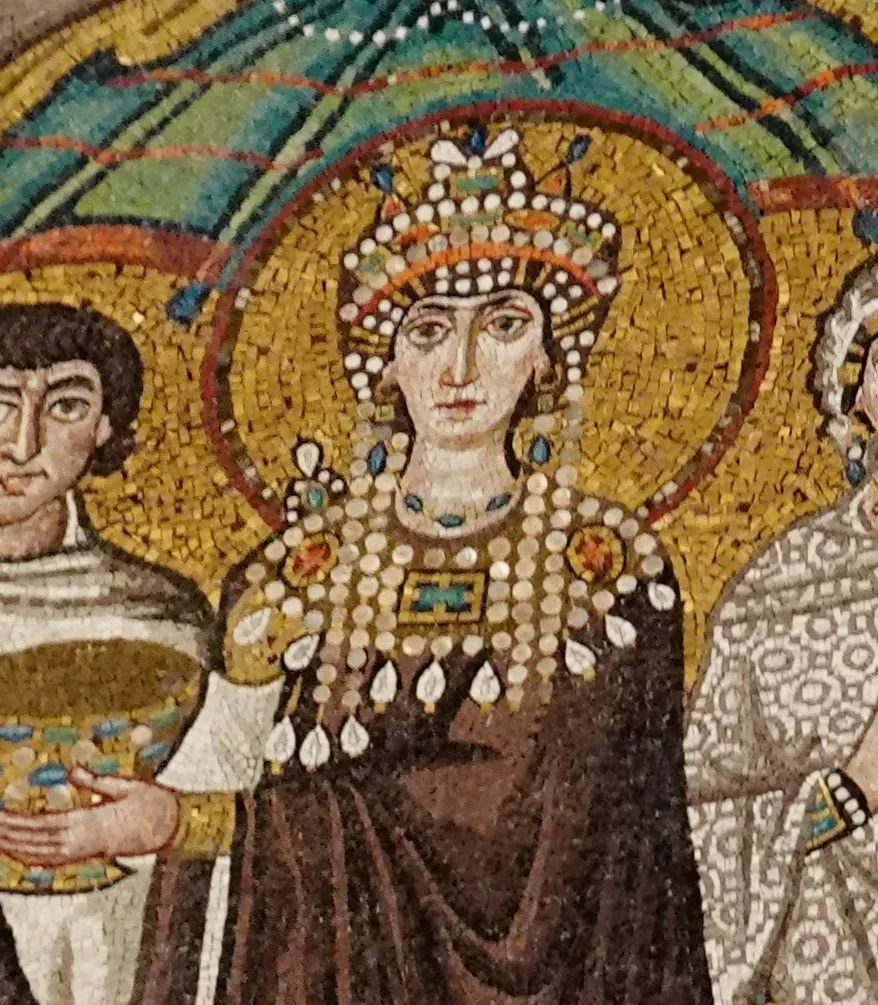
Rising from humble beginnings as the daughter of a bear trainer, Empress Theodora became one of the most influential women in Byzantine history. As the wife and co-ruler of Emperor Justinian I, she wielded immense power behind the scenes. Theodora was unafraid to confront her husband or court officials, often promoting her own allies and crushing opponents with surgical precision. During the Nika riots, she famously refused to flee the palace, urging Justinian to stand firm, a decision that led to the brutal suppression of the revolt.
Born into humble origins, Theodora became empress through her marriage to Justinian and was far more than his figurehead queen. Sources from the era describe her as cunning, assertive, and active in the court’s political affairs. Theodora had her own ministers and advisors and influenced the balance of power within the Byzantine government during a time when the Christian church played a major role in politics.
4. Empress Dowager Cixi – The Dragon Throne’s Real Ruler
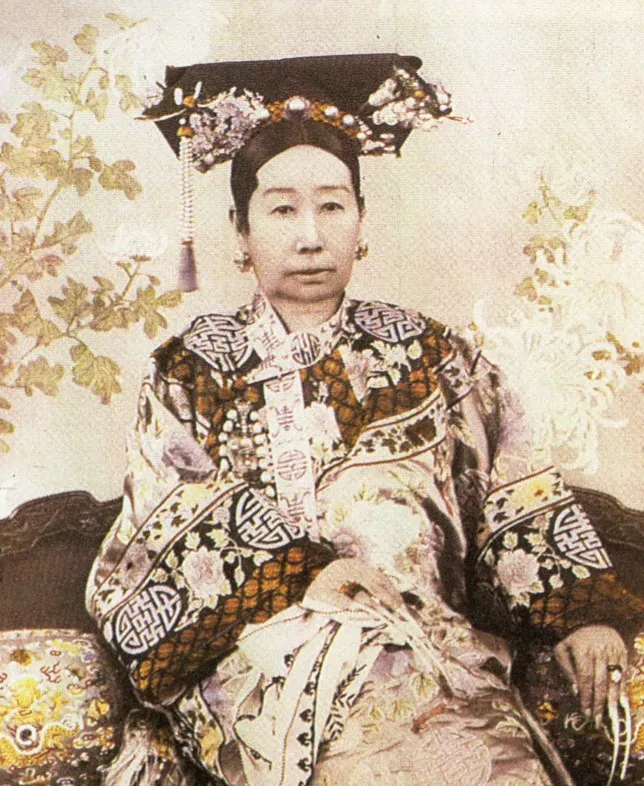
Empress Dowager Cixi’s journey from concubine to the most powerful woman in China is nothing short of astonishing. After becoming the mother of the emperor, Cixi maneuvered herself into a position of absolute authority, effectively ruling China for nearly fifty years during turbulent times. From imperial consort to autocrat in her own right, Cixi gradually became the most powerful figure in Qing politics following the death of the Xianfeng Emperor. Though several emperors occupied the throne during her time as regent, she held the keys to the court, including the power to make and dismiss officials, read memorials, and grant audiences.
Though her reign was long and stable for someone in her position, it came at one of the most perilous times in the dynasty. International incursions, major internal rebellions, and serious budgetary problems placed the very survival of the Qing dynasty under constant threat during her rule. She was notorious for manipulating court politics, eliminating enemies, and even orchestrating coups to solidify her grip on power, and is believed to have poisoned or exiled opponents, including high-ranking officials and members of the royal family.
5. Catherine de Medici – France’s Indispensable Queen Mother
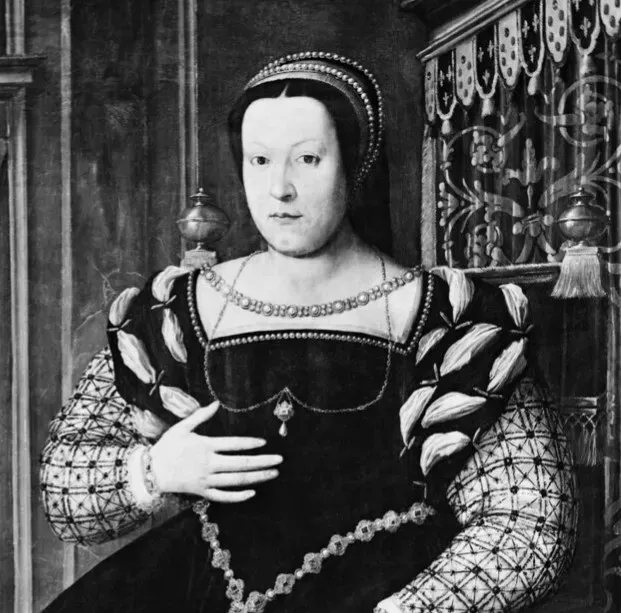
Henry largely excluded Catherine from state affairs during his reign. His sudden accidental death in 1559 thrust her into the political arena as mother of the frail 15-year-old Francis II. When Francis II died the next year, she became regent on behalf of her 10-year-old son Charles IX and thus gained sweeping powers. The queen mother came up with an ingenious plan to secure her position as the kingdom’s preeminent politician. She summoned members of two rival factions and accused the leading candidate for the regent role of treason, a crime for which his brother had recently been sentenced to death. Fearful of meeting the same fate, the rival readily yielded the regency to Catherine.
She was one of the most influential personalities of the Catholic-Huguenot wars, and three of her sons were kings of France: Francis II, Charles IX, and Henry III. Catherine de Medici was deeply embroiled in the religious conflicts of her time, particularly the struggle between Catholics and Huguenots, and the St. Bartholomew’s Day Massacre in 1572, which resulted in the deaths of thousands of Huguenots, remains one of the most controversial events associated with her reign.
6. Eleanor of Aquitaine – Regent Across Two Kingdoms
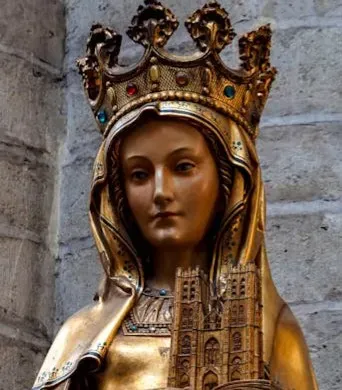
Wealthy and sought-after, Eleanor of Aquitaine became queen of France after marrying King Louis VII. They divorced after an unhappy marriage and a failed crusade. Having endured kidnapping attempts and moving to England, Eleanor married Henry, Count of Anjou and Duke of Normandy, who became King Henry II of England in 1154. Eleanor of Aquitaine was named regent multiple times during Henry II’s campaigns in France. She held enormous power in both England and Aquitaine, issued charters, managed royal business, and oversaw governance. She even served as regent for her son, Richard I, when he was on crusade.
During that time, she also raised ransom money for Richard when he was captured after the crusade. That regency was much more formal, and she was often referred to in contemporary documents as holding regal authority. She had significant power and influence in England and Aquitaine until her death in 1204. Few medieval figures, male or female, held sway across so much territory for so long.
7. Melisende of Jerusalem – Queen Who Refused to Be Sidelined
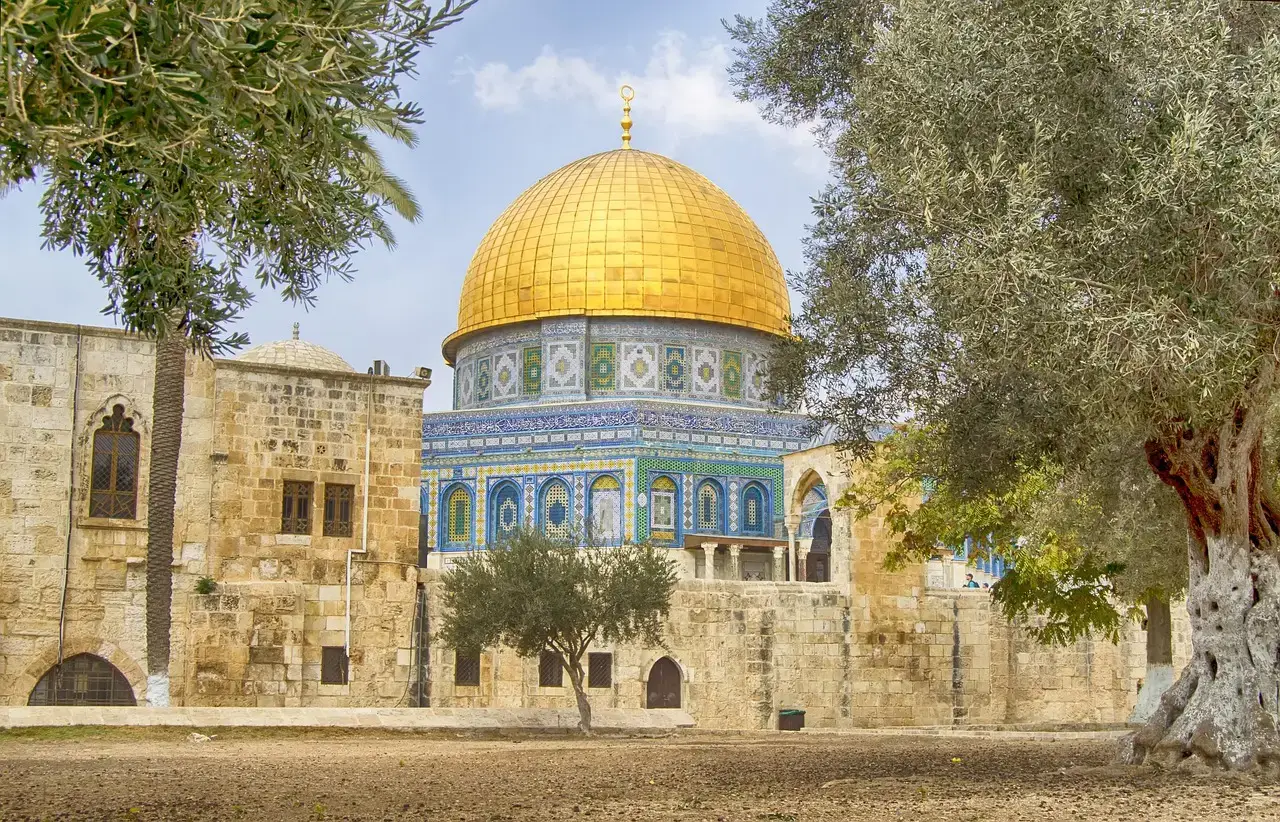
Melisende of Jerusalem was one of the most powerful queens of the Crusader states, ruling as queen regnant after the death of her father, Baldwin II. Though she initially shared power with her husband, Fulk of Anjou, she asserted her authority, leading to a tense power struggle. Fulk attempted to sideline her, but Melisende’s allies forced him to recognize her rightful rule, making her one of the rare female rulers in the Latin East.
After Fulk’s death, Melisende ruled as regent for her son, Baldwin III, and effectively governed the Kingdom of Jerusalem through a period of political and military challenges. She was a strong patron of the arts and religious institutions, overseeing the construction of the Church of the Holy Sepulchre and fostering a period of cultural growth. Even after Baldwin III came of age, she remained a significant political figure until her death, demonstrating her enduring influence in a male-dominated society.
8. Queen Seondeok of Silla – Korea’s First Reigning Queen
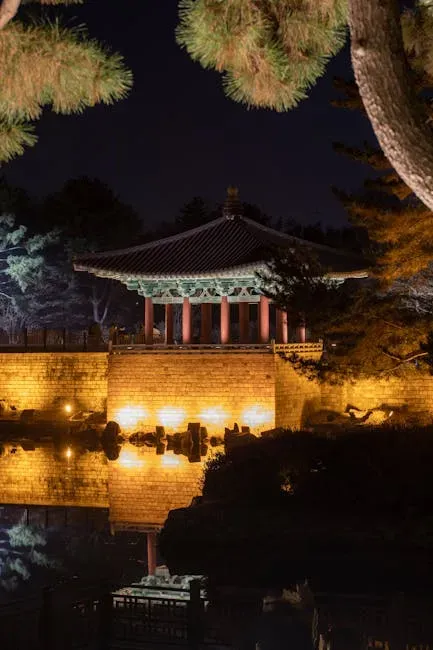
Women had wielded partial power before in Silla, one of the three kingdoms on the Korean peninsula, but a female taking full rein still proved unacceptable to many. In 631, two officials who planned an uprising to prevent her coronation were publicly executed in the marketplace along with their families. In January 632, Queen Seondeok began her 15 years on the throne as Silla’s 27th ruler and its first reigning queen, not a regent or a queen dowager like women before her. In a time of many wars among the three kingdoms, she helped shape Korean culture through a revival in thought, literature, and the arts.
Concerned with people’s livelihoods, she tasked royal inspectors with improving the care of widows, widowers, the poor, orphans, and the elderly. Her reign was a demonstration that genuine governance did not require a male body to execute it. She ruled by ability and stayed in power by being genuinely good at it.
9. Töregene Khatun – Regent of the Mongol Empire
![9. Töregene Khatun - Regent of the Mongol Empire (Shenyang Palace Museum. Scanned from Qingshi tudian 清史图典 ["Illustrated compendium of Qing history"], vol. 1, Taizu Taizong chao 太祖太宗朝 ["The reigns of Taizu and Taizong"], Beijing: Zijincheng chubanshe, 2002, p. 194., Public domain)](https://nvmwebsites-budwg5g9avh3epea.z03.azurefd.net/lasvegasnews/624d1365c5634cac795da3c9ce926f52.webp)
Töregene Khatun was one of the most powerful women of the Mongol Empire, ruling as regent after the death of her husband, Ögedei Khan, in 1241. As Great Khatun, she effectively controlled the vast Mongol domains for five years, making her one of the most influential female rulers in Mongol history. She consolidated power, removed political rivals, and promoted loyal administrators, ensuring her control over the empire’s affairs.
Her rule was marked by diplomatic and economic expansion, and she played a crucial role in selecting her son, Güyük Khan, as the next Great Khan in 1246. Töregene was also a patron of Persian and Chinese scholars, showing the Mongols’ increasing cultural sophistication. Though she ruled in a deeply patriarchal society, Töregene demonstrated the immense political agency that elite Mongol women could wield, shaping the empire’s direction during a pivotal time.
10. Queen Arwa al-Sulayhi – Yemen’s Longest-Ruling Queen

Queen Arwa al-Sulayhi was a remarkable ruler of Yemen who defied the traditional gender norms of her time by exercising direct political authority. She initially co-ruled with her husband, but after his death, she took full control of the kingdom, becoming the first woman in history to be given the title of “Hujjah” (Proof of God) in Ismaili Islam. She was a highly competent administrator, overseeing economic prosperity, infrastructure projects, and religious scholarship. Arwa strengthened Yemen’s autonomy and successfully managed relations with both the Fatimid Caliphate in Egypt and the regional tribal factions.
Partner offer
She was revered for her intelligence, leadership, and ability to maintain stability in a turbulent era. Even after her death, she was remembered as one of the most capable rulers in the history of the Arabian Peninsula. Her reign lasted for more than five decades, a span that dwarfs many of her male contemporaries and would be remarkable in any era.
11. Amanirenas – The Kandake Who Fought Rome
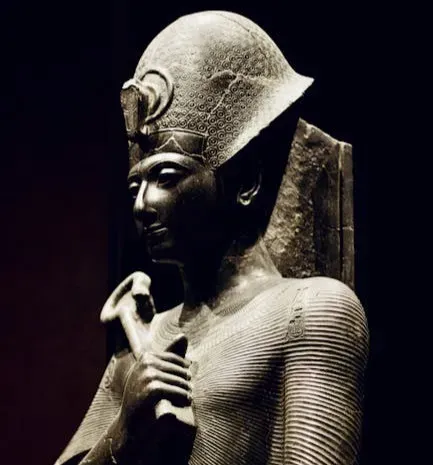
Nubia’s long history includes several major periods, but it is during the Meroitic era, from about 270 BCE to 350 CE, that women’s power is most clearly documented. This was a time of prosperity, long-distance trade, and artistic innovation. It was also an age when queens regularly ruled as co-sovereigns and shaped the political and cultural life of the kingdom. Amanirenas was perhaps the most famous of these Kandakes, leading Kushite forces against the Roman Empire’s expansion into Nubian territory around 24 BCE.
Female rulers in Nubia were not symbolic partners. They exercised real authority. Queens in Nubia were not only political leaders; they also held religious authority, appearing in temple reliefs and sculptures in close association with gods and goddesses. While Greek, Roman, and even Egyptian societies largely confined women’s power to limited or symbolic roles, Nubia placed women at the heart of the state.
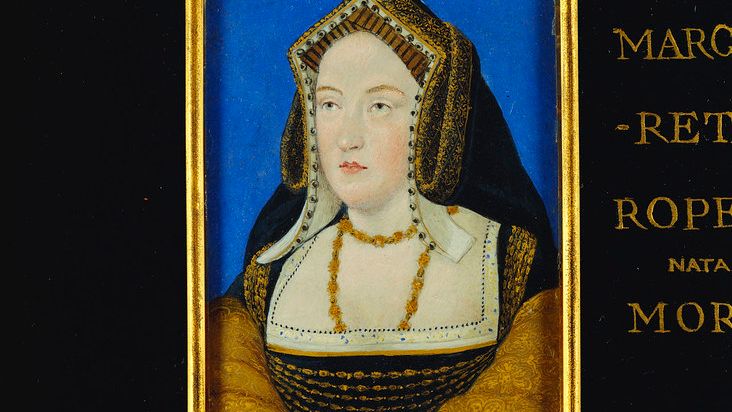
12. Katherine of Aragon – England’s Regent at War
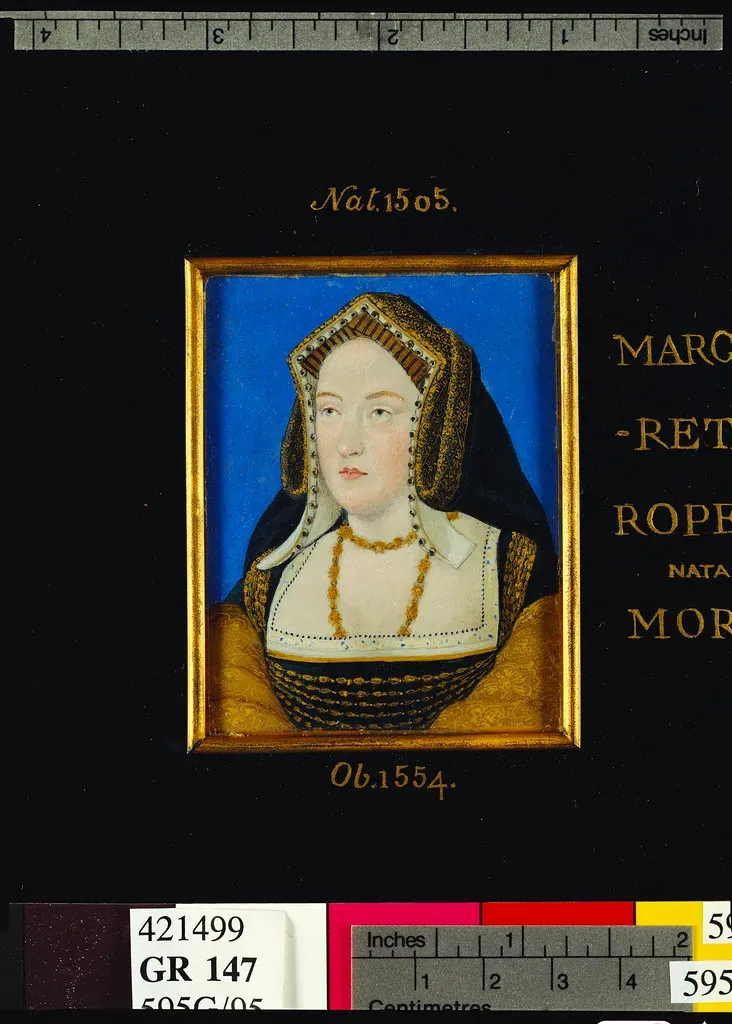
Queen regents of England were more than just royal placeholders. During the reign of Henry VIII, Katherine of Aragon was entrusted with the authority to rule England in the king’s absence. Acting as a true regent, not a figurehead, she made military decisions, issued royal proclamations, and maintained control over state affairs. Katherine of Aragon ruled like a warrior queen, trained from birth to be a ruler, proud of her bloodline, and ready to make war if needed.
When Henry VIII led his forces into France in 1513, Katherine faced a simultaneous Scottish invasion from the north. She organized the English defense, and the resulting Battle of Flodden, where the Scottish king James IV was killed, was a triumph carried out under her regency. Katherine issued royal proclamations under the Great Seal, maintained correspondence with foreign ambassadors, and had the final say in matters of state.
13. Queen Nzinga – Ndongo’s Unyielding Negotiator
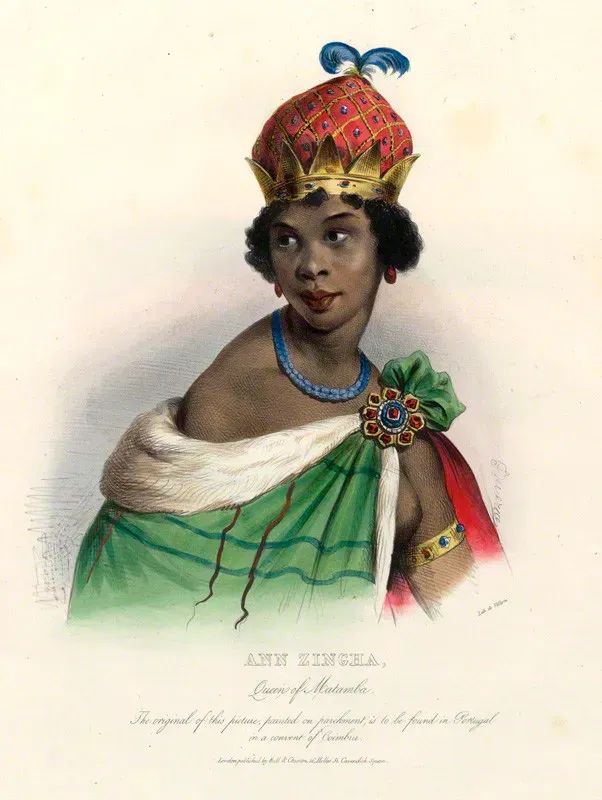
Some of the most influential female rulers include Queen Nzinga of Ndongo and Matamba, who significantly impacted history from behind the scenes and as an official ruler. Nzinga, who ruled in what is now Angola during the seventeenth century, first served as a diplomatic envoy for her brother before taking power herself and refusing to kneel before Portuguese colonial administrators. She negotiated directly with the Portuguese governor as an equal, a stance almost unheard of for a sub-Saharan African leader at the time.
She ruled Ndongo and later captured the neighboring kingdom of Matamba, using it as a base of resistance against Portuguese slave traders and their allies. For decades she maintained military campaigns, forged coalitions with rival groups including the Dutch, and adapted her strategy repeatedly to protect her people. She remained a sovereign force until her death in 1663, governing well into her eighties.
14. Tribhuwana Wijayatunggadewi – Architect of Majapahit’s Golden Age
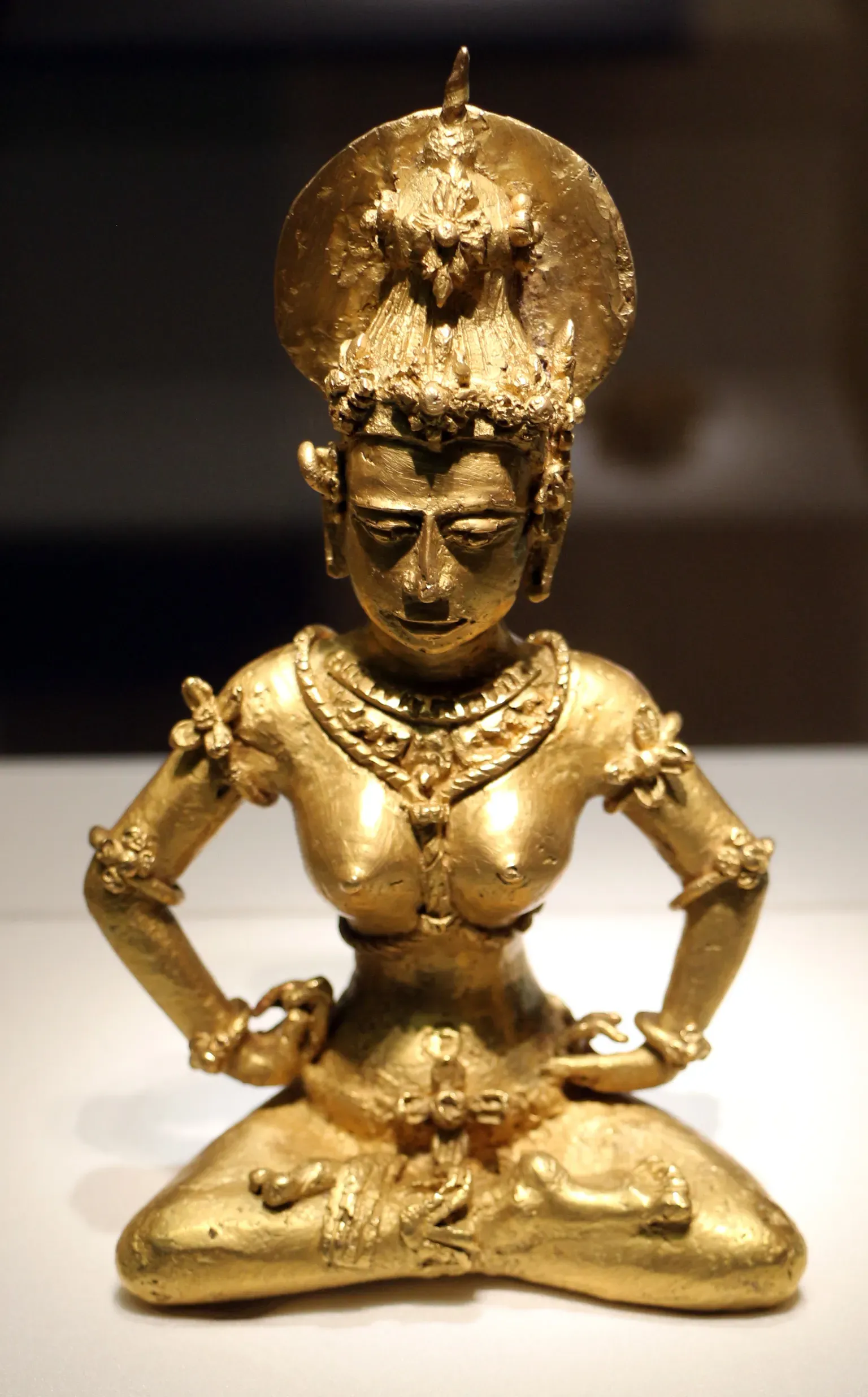
Tribhuwana Wijayatunggadewi was a Javanese queen who expanded the power of the Majapahit Empire, laying the foundation for its Golden Age. She assumed the throne after the sudden death of her brother and ruled as regent for her young son, though in practice she held supreme authority. She appointed Gajah Mada as her chief minister, whose military campaigns expanded the empire’s influence across much of maritime Southeast Asia.
Under her rule, Majapahit became a dominant power in the region, securing trade routes and strengthening internal governance. Tribhuwana’s leadership ensured that her son, Hayam Wuruk, inherited a vast and well-organized empire. Her reign set the stage for one of the most prosperous periods in Indonesian history.
15. Rudrama Devi – South India’s Warrior Queen
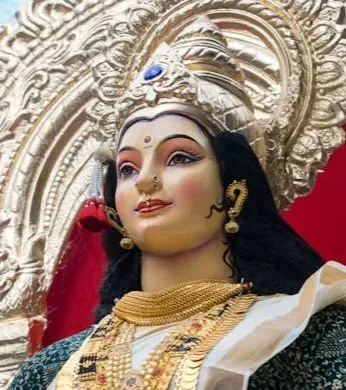
Rudrama Devi was one of the few women to rule a South Indian kingdom in her own right, ascending to the throne after the death of her father, Ganapati Deva. She defied expectations by proving to be an effective military leader, personally leading her troops into battle against rebellious nobles and external threats like the Yadavas and the Delhi Sultanate. Ruling the Kakatiya dynasty in the Deccan region from around 1263 CE, she was so determined to secure her legitimacy in a system designed for male rulers that she had herself officially proclaimed king, not queen.
The Venetian traveler Marco Polo reportedly remarked on her exceptional governance when passing through the region in the 1290s. Her reign is documented in inscriptions showing her commanding forces in the field, not from behind palace walls. She died in battle, defending her kingdom, which remains one of the most striking testaments to how seriously she took her role.
16. Razia Sultana – Delhi’s Only Female Sultan

Razia Sultan was the first and only woman to hold the Sultanate of India and rule the court of Delhi. This was a level of power never held by a woman in Islamic civilizations. Her father, Iltutmish, designated her as his successor over his sons, recognizing her as the more capable ruler. She refused to wear the veil, held court in public, and appeared on elephant-back before her army, each act a deliberate assertion of sovereignty in a culture that expected women to remain invisible.
Her reign, from 1236 to 1240 CE, was brief but remarkable. She appointed a trusted nobleman from a marginalized caste to a senior court position, a decision that sparked a rebellion among nobles who resented both her power and her choices. She was ultimately deposed and killed, but not before demonstrating that the office of sultan, in practice, had no gender requirement she could not meet.
17. Queen Amanitore – Nubia’s Builder and Co-Sovereign
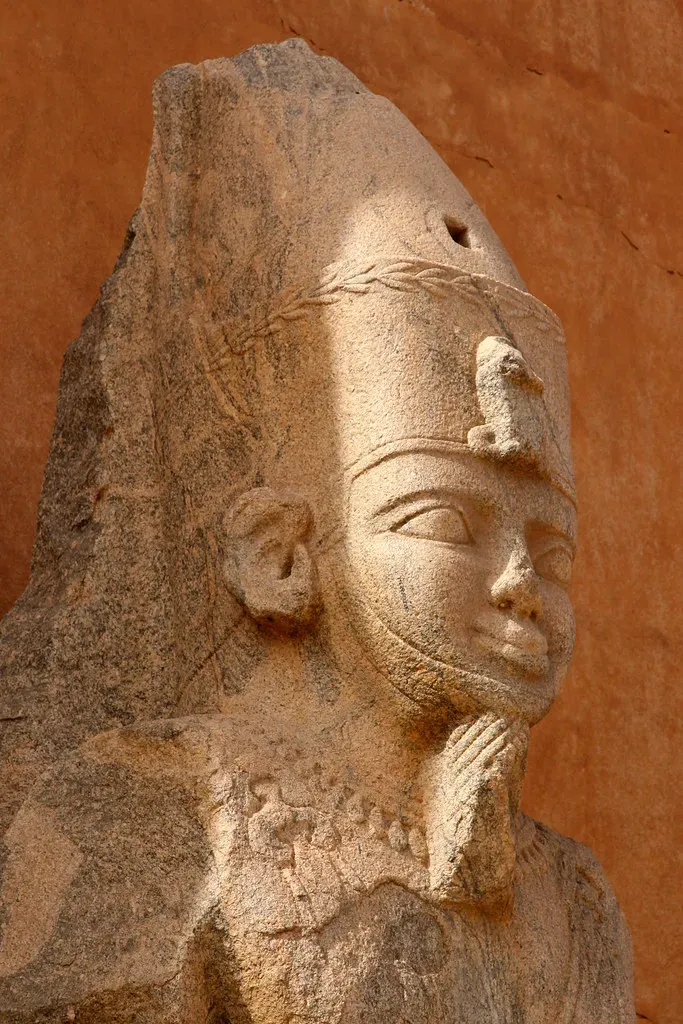
At the city of Naga, reliefs from the Temple of Apedemak show Queen Amanitore and King Natakamani making offerings to the gods. Their gestures mirror one another. Their positions are balanced. The composition itself communicates shared authority. Queens like Amanitore commissioned temples, monuments, and luxury goods that displayed both their wealth and their authority.
Amanitore ruled Kush as a co-sovereign during the first century CE alongside Natakamani, and the evidence suggests she was not a subordinate partner. She oversaw the reconstruction of the Great Temple of Amun at Meroe and contributed to the building of temples at Naga and Wad ban Naqa. Nubia created a visual and political language of female authority that remains striking today, and as new scholarship continues to bring Nubia’s past into clearer focus, these queens emerge not as exceptions but as part of a broader pattern of leadership.
18. Isabella of France – England’s Regent and Kingmaker
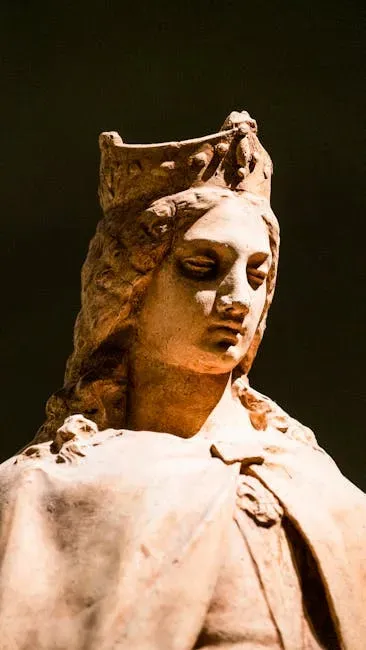
Another famous queen regent was Isabella of France. This was a complicated case. She was the wife of Edward II and famously led a rebellion against her husband. She then ruled England as regent for her son, Edward III, from 1327 to 1330, alongside her lover, Roger Mortimer. Although she wasn’t named regent in a formal legal sense, she absolutely held the reins of power and controlled royal policy and government during that period.
Isabella had traveled to France in 1325 on a diplomatic mission and effectively refused to return while her husband remained king. She raised an invasion force, deposed Edward II, and oversaw his imprisonment. For nearly four years she governed England in all but name. She was a woman who maneuvered her way to the apex of political authority with the same strategic cunning as her male counterparts.
19. Margrete I – Ruler of Three Nordic Kingdoms
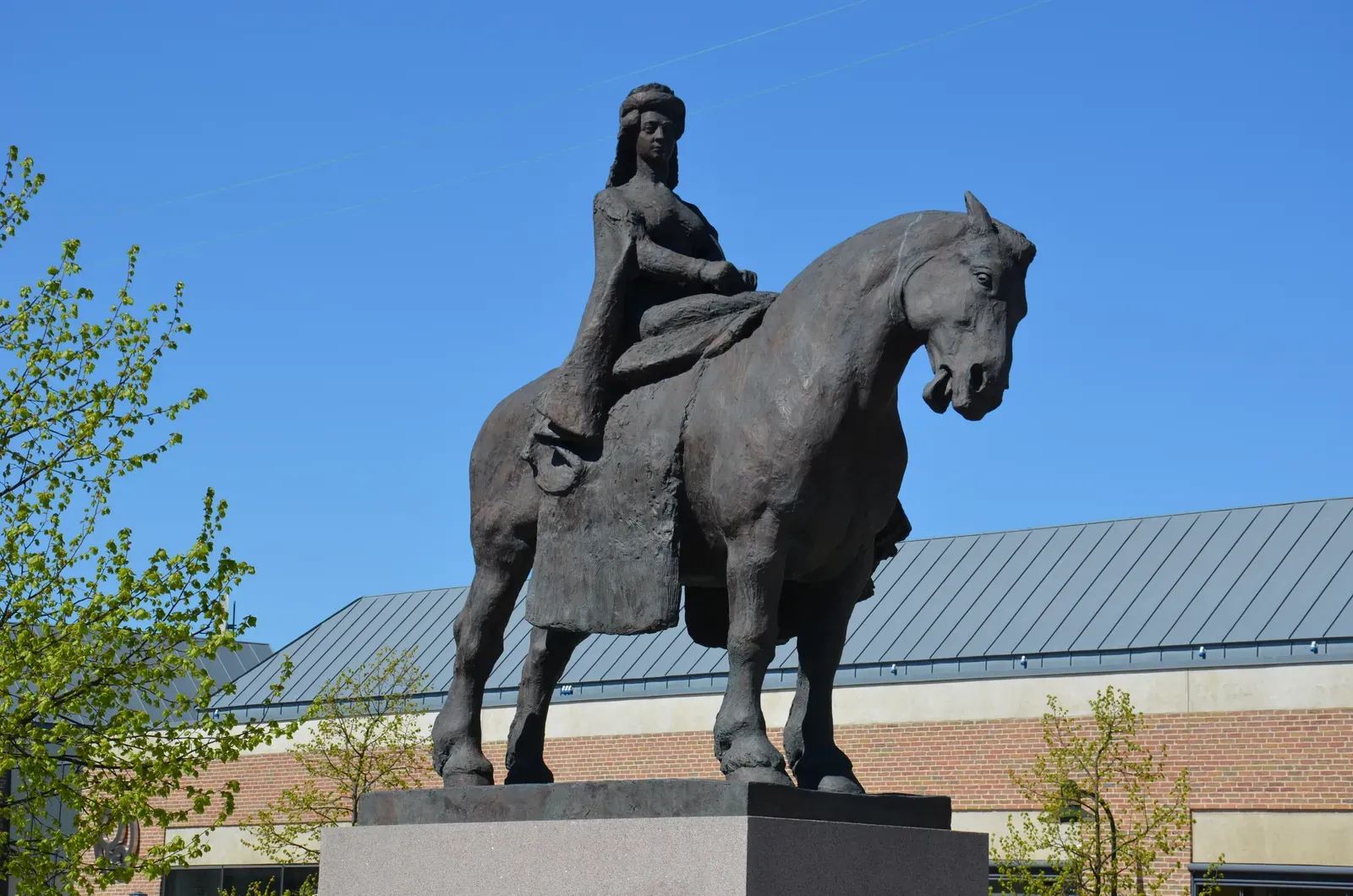
Margrete was the ruler of Denmark, Norway, and Sweden in the fourteenth and early fifteenth centuries and was officially the “Husband” of her kingdoms. She was only upgraded to full monarch status in 1972, when Queen Margarethe came to the throne of Denmark and chose the regnal numbering “II” to honor her medieval predecessor. This tells you something striking about how history treated her. She governed three countries, negotiated treaties, and ended decades of political chaos across Scandinavia.
Margrete came to power initially as regent for her young son Olaf, and when he died in 1387 she became the de facto ruler of Denmark and Norway. She was recognized as “Sovereign Lady and Ruler” of Denmark in 1388 and orchestrated the Union of Kalmar in 1397, uniting the three Nordic kingdoms under a single crown. She is widely considered the most capable Scandinavian ruler of the medieval period, regardless of gender.
20. Lady Six Sky – Mayan Warrior-Queen of Naranjo
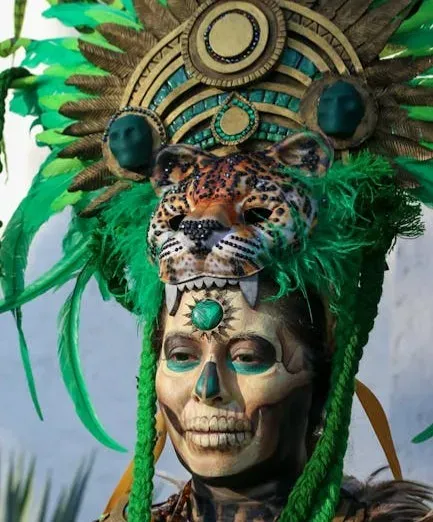
Lady Six Sky ruled longer than any other Mayan queen. She married into Mayan royalty to build an alliance between the city-states of Naranjo, Calakmul, and Dos Pilas. Though mainly regent to her husband and then her son, reliefs and stelae show that she held a great deal of power in her own right. She is shown as a warrior-king, having waged war against at least ten cities in the Mayan Empire. Monuments and stelae show she held high rank in the Mayan religion, wearing the Maize garb traditionally worn by male Mayan religious leaders. This role meant Lady Six Sky oversaw the Mayan calendar rituals and other roles traditionally held by men.
She arrived in Naranjo in 682 CE, sent by her father from Dos Pilas to restore the city-state’s dynasty after a period of political collapse. The monuments she commissioned show her standing atop bound captives, the classic pose of a conquering king. She ruled for decades, effectively governing Naranjo while technically always holding power in relation to a male successor. The influence of women in history is a tale of power, resilience, and strategic maneuvering, frequently exercised from the shadows, and despite the lack of official titles, many women shaped the course of human events significantly.
Partner offer
Planning a trip to Vegas?
Compare hotel rates and show tickets on VEGAS.com.