Some of the most revealing words in history were never supposed to reach another living soul. They were folded into desk drawers, sealed in trunks, tucked behind floorboards, or simply carried to the grave by the people who wrote them. The ink dried. The paper aged. And then, sometimes decades or centuries later, someone found them.
People have been writing unsent letters for centuries, found in desk drawers and shoeboxes, tucked into the pages of books, folded into wallets. They are, perhaps, one of the most honest forms of writing that exists, because they were never meant to be read. What follows are thirteen of those letters, each one a window into something its writer kept firmly shut.
1. Beethoven’s Letter to His “Immortal Beloved”

After Ludwig van Beethoven’s death on March 26, 1827, his sometime secretary Anton Schindler and two close friends combed through the composer’s last apartment, hunting for some bank bonds he had bequeathed to his nephew. They found more than they had bargained for. In a small drawer, they discovered the Heiligenstadt Testament, along with an apparently unsent love letter, addressed only to a woman Beethoven called his “Immortal Beloved.”
This invaluable historic document, ten pages long and scribbled hastily in pencil, was discovered among Beethoven’s belongings following his death. The world remains puzzled by it, not just because it was never sent, but because it still isn’t clear for whom it was meant. More than 200 years have passed since Beethoven wrote this passionate letter, and we still don’t know her name.
2. Franz Kafka’s Letter to His Father

Kafka wrote a 47-page letter to his father, Hermann, detailing years of fear, emotional distance, and the weight of living under his expectations. He gave it to his mother to deliver. She never did. The letter was found after Kafka’s death and is now one of the most studied pieces of personal writing in literary history. It was never meant to be literature – it was a son trying to explain himself to a father who would never understand.
The letter, written in 1919, runs to roughly a hundred manuscript pages and covers everything from childhood humiliation to a stifling sense of inadequacy. Hermann Kafka never read a single word of it. What his son wrote in those pages became, paradoxically, one of the most widely read family letters in European literature.
3. Richard Feynman’s Letter to His Dead Wife

It isn’t often that one of the most famous love letters ever penned is written sixteen months after the subject has died. In the case of Nobel Prize-winning physicist Richard Feynman, that was precisely the time it took to grasp the profound loss of his first wife and childhood sweetheart, Arline Greenbaum, to incurable tuberculosis when she was just twenty-five.
The letter was written in 1946, a year and four months after Arline died, and was sealed in an envelope and stashed away. After Feynman’s own death from cancer, biographer James Gleick found the letter in a box of papers sent to him by Feynman’s widow, Gweneth. The letter reveals a side of Feynman that is rarely seen in his public persona as a brilliant and witty physicist. It shows his deep and enduring love for Arline, whom he married despite knowing that she had an incurable disease.
4. Oscar Wilde’s “De Profundis” to Lord Alfred Douglas
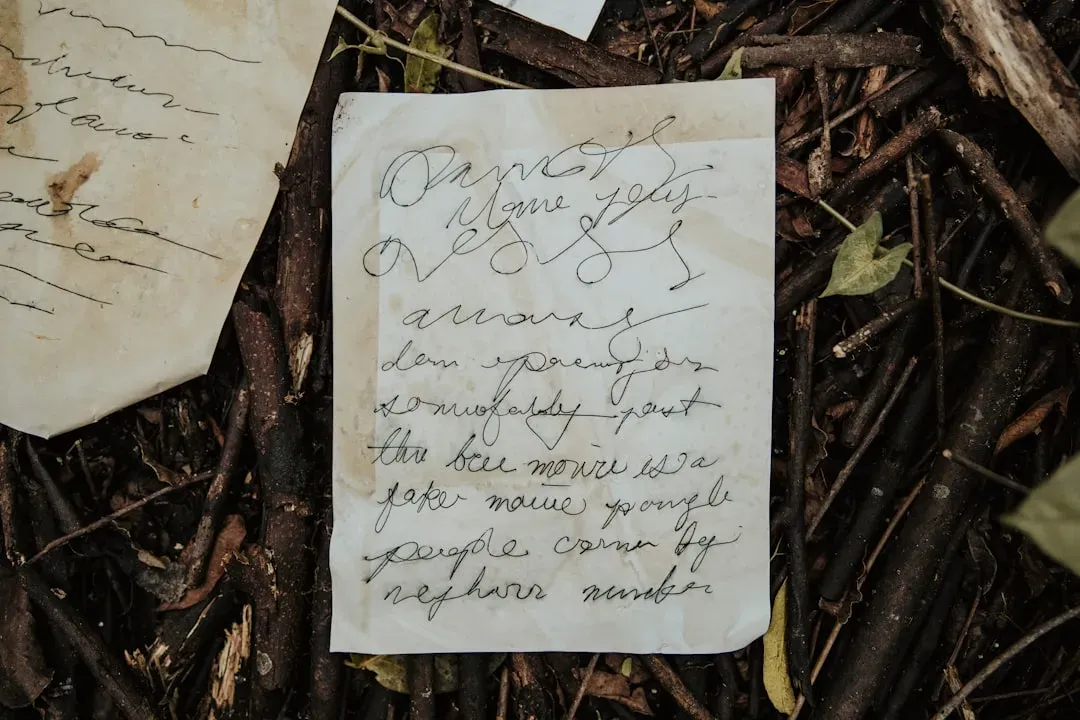
The Irish writer found a loophole in prison: there were no length limits on letters, and prisoners could take unfinished writings with them upon release. And so, in early 1897, Wilde began writing to Lord Douglas. At the end of each day, the writing materials were removed but returned the next day since he had not finished his writing. This continued for the following months, resulting in 20 pages and 55,000 words by his release.
Wilde gave the letter to the journalist Robert Ross, another ex-lover, who published it in 1905, five years after Wilde’s premature death. Ross titled it “De Profundis,” quoting Psalm 130, and donated the original copy to the British Library. In the first edition, passages mentioning Douglas or his family were cut out. Only in 1962 did “De Profundis” appear in its full length.
5. The 577 Sealed Letters from The Hague

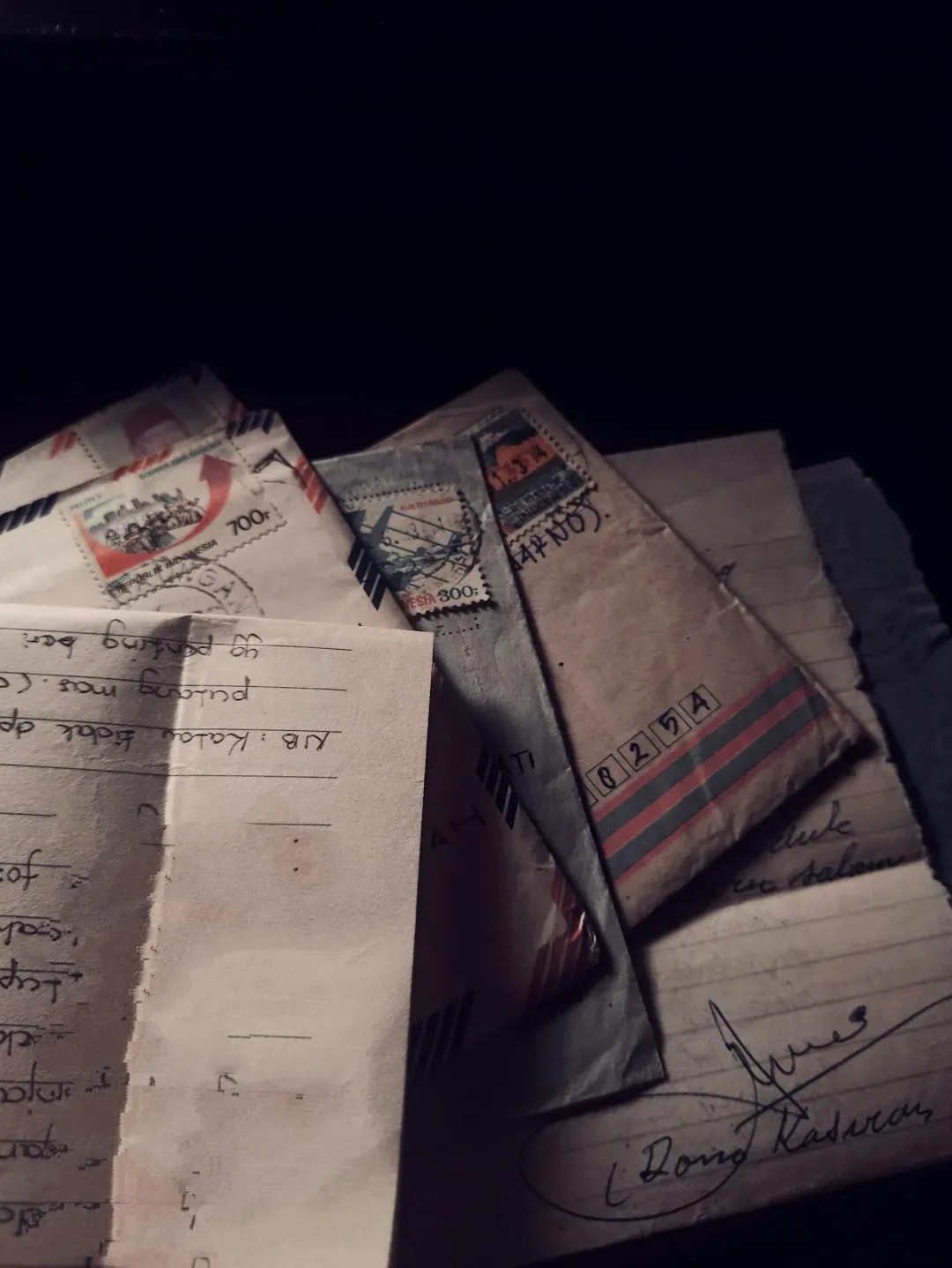
Centuries ago, before the invention of gummed envelopes and long before the age of digital security, writers often looked for ways to keep their written work and personal thoughts private. The solution was an elaborate technique of folding called “letterlocking,” in which a flat piece of paper was folded into a secure, tamper-proof envelope. This method would later prove to pose a problem for historians, who found a chest of undelivered mail containing 577 of these sealed letters in The Hague in the Netherlands.
The senders of these letters had closed them using letterlocking, the historical process of intricately folding and securing a flat sheet of paper to become its own envelope. Letterlocking was common practice for secure communication before modern envelopes came into use, and is considered to be the missing link between ancient physical communications security techniques and modern digital cryptography. One of these letters, dated July 31, 1697, turned out to contain a request from Jacques Sennacques to his cousin Pierre Le Pers, a French merchant in The Hague, for a certified copy of a death notice. The letter gives a fascinating insight into the lives and concerns of ordinary people in a tumultuous period of European history.
6. The WWII Love Letters Found Behind a Floorboard

The letters must have fallen through the floorboards in the attic, and they were discovered when the walls were opened up. They turned out to be love letters exchanged between Claude Marsten Smythe and his wife Marie Borgal Smythe, written while Claude was away serving in the U.S. military during World War II. The letters had lain hidden for decades inside the walls of the family’s old home, completely unknown to their own daughter.
Carol was surprised and shocked to learn that these letters had been found in her childhood home. She had never known they existed. In the letters, Claude shared details about his life on the front and constantly told his wife how much he missed her and longed to see her. Their rediscovery, decades after the war ended, was made possible by genealogy research that traced the couple’s surviving descendants.
7. Einstein’s Final Letter to Roosevelt

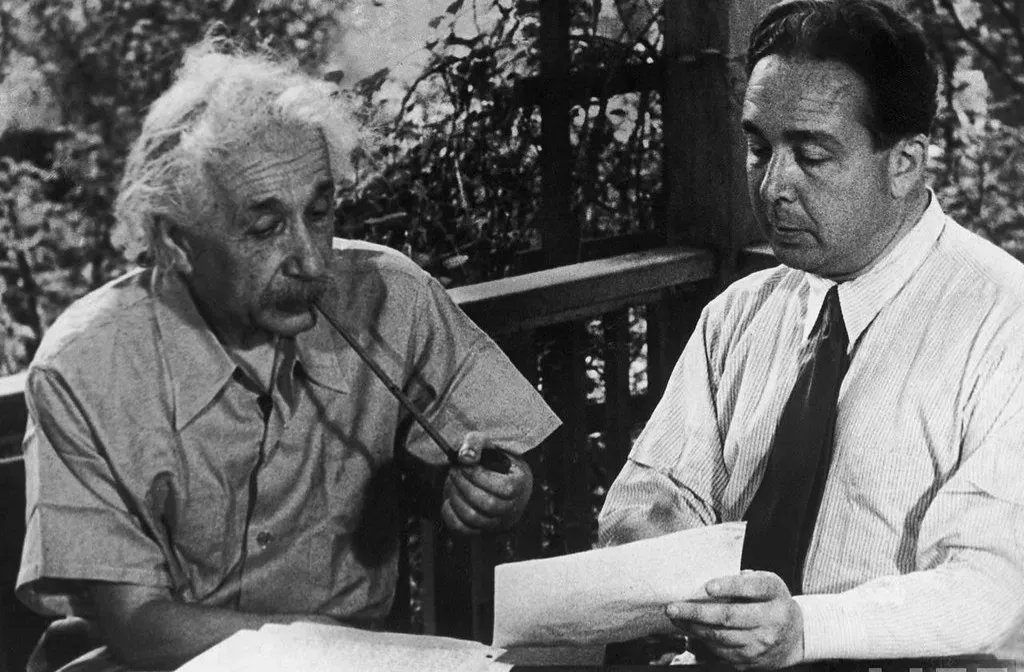
Albert Einstein’s 1939 letter to President Franklin Roosevelt is described as one of the most significant letters in recent history. In the letter, Einstein cautioned the president that the Germans may develop a powerful weapon. That letter was later described by Einstein as one of the greatest mistakes of his life.
Partner offer

Little is known about the other letters Einstein sent to President Roosevelt. While the first two were to advise the president and give suggestions, the last one, which was not delivered to the president before he died, was seeking a favor. The final letter, also possibly penned by physicist Leo Szilard, stated that it was Szilard himself who first brought up the concept of nuclear weaponry. The letter contained a request that the president and his cabinet meet personally with Szilard and his fellow scientists to discuss the matter. Roosevelt died before reading it.
8. The Key West Bank Letters Hidden for Forty-Five Years

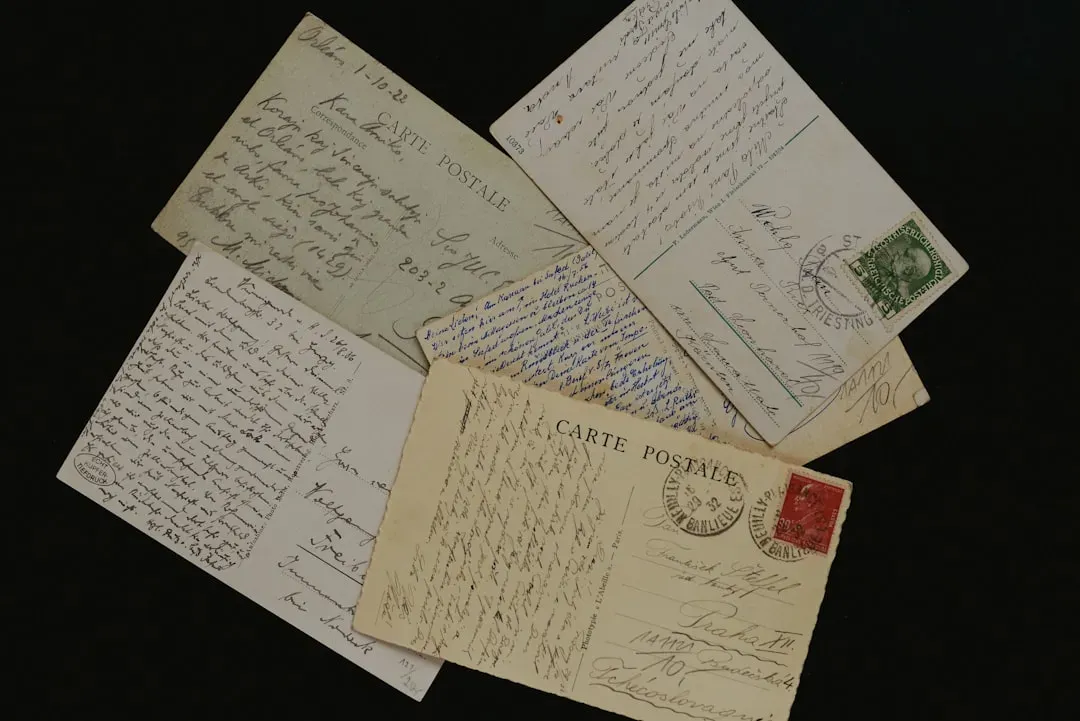
A collection of faded letters chronicles the correspondence between two bank colleagues: James L. Johnson, a cashier, and E. M. Martin, the bank’s vice president and a shadowy figure whose life was riddled with many peculiar twists and turns. Both men worked at the Island City National Bank, a small bank open for only ten years. Martin had been siphoning money from the bank and funneling it into a floundering investment company, an action so destructive for the bank’s investors that it spurred a two-year global manhunt. It wasn’t until 1917 that the Secret Service discovered Martin halfway across the world, in Australia.
As an adult shuffling through her grandfather’s belongings in 2019, thirteen years after his death, a woman came across her childhood discovery tucked away in a plastic bag in a cardboard box. It had been over forty years since she had seen the letters, so she packed them up and took them back to Italy with her. The Island City National Bank is a reminder that sometimes the most colorful stories lie in wait in the most seemingly benign things: an old building, newspaper clippings, or a stack of dusty letters discovered by a little girl.
9. Young Fidel Castro’s Letter to Franklin D. Roosevelt
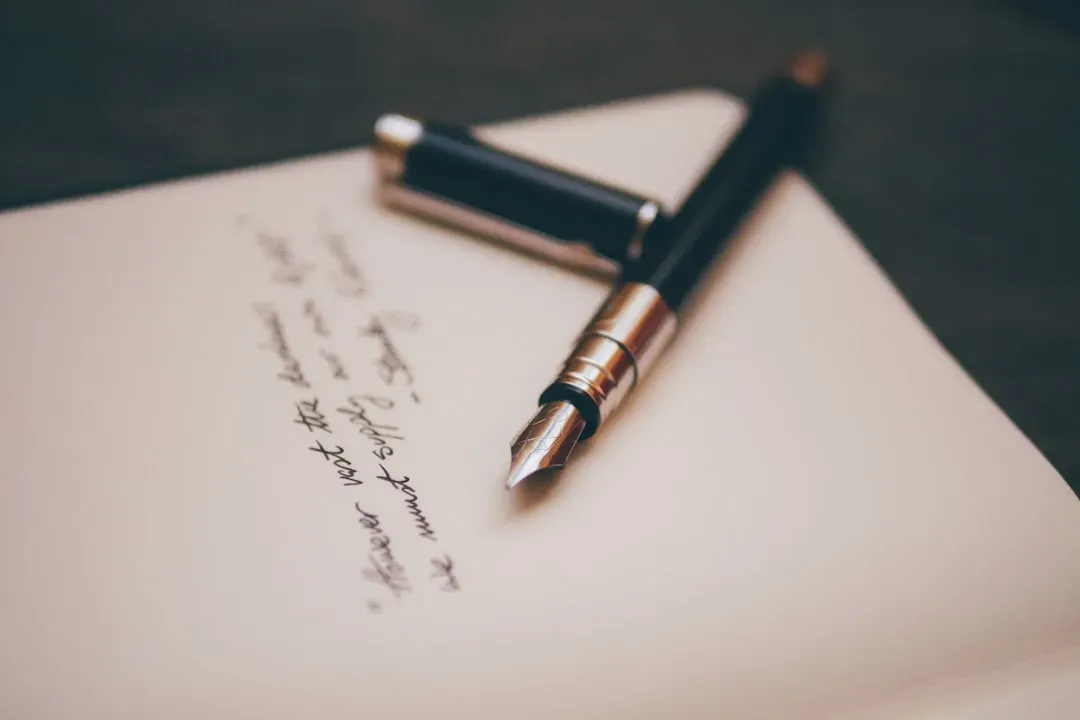
In 1940, a young student of Colegio de Dolores School in Santiago, Cuba, wrote to President Franklin D. Roosevelt. The child, a 12-year-old boy, began the letter with “My good friend Roosevelt.” He then proceeded to greet the president and tell him he was delighted after hearing on the radio that Roosevelt had been elected for a new term. The child also requested a ten dollar bill because he had never seen one.
Young Castro wrote that though his English was poor, he was quite smart. The letter got to the State Department on November 27, 1940, but never got to Roosevelt, who died without ever knowing who Fidel Castro was. The letter sat untouched in the diplomatic archives for years before historians recognized whose boyish handwriting had penned it. The irony practically writes itself.
10. Mary Todd Lincoln’s Letters of Private Grief

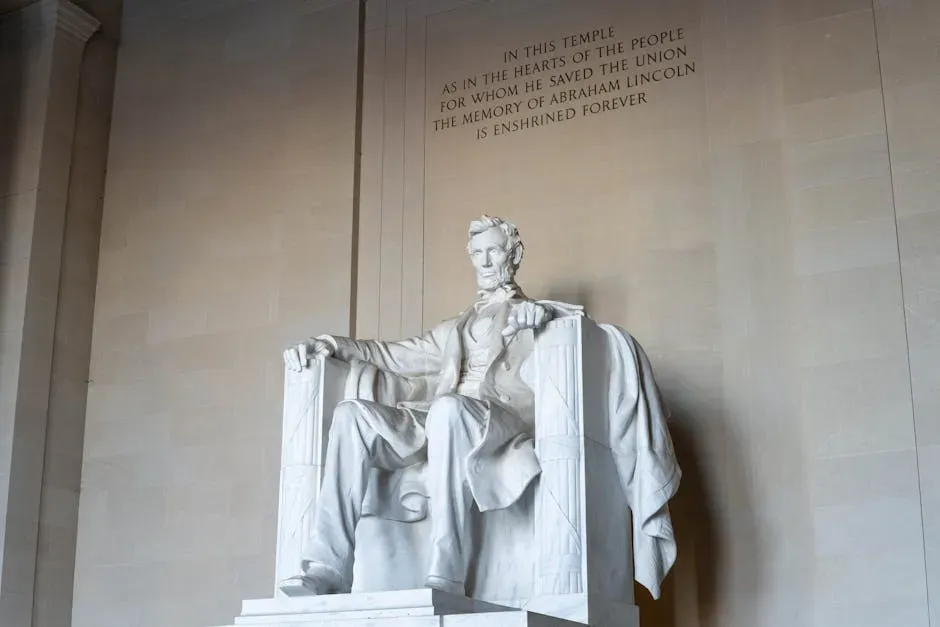
After Abraham Lincoln was assassinated, the spotlight fell on his grieving widow, Mary Todd Lincoln. The people wanted to see whether she could pull herself together and behave like a proper lady under the circumstances. By 19th-century standards, that meant displaying no emotion in public. Mary, who is now believed to have suffered from poor mental health and was possibly bipolar, could not. Word leaked out from the White House that she was regularly wailing, shrieking, and writhing around in emotional turmoil.
In April 1865, she received a warm, handwritten letter of condolence from a fellow widow across the Atlantic, Queen Victoria herself. The British monarch, who described herself in the letter as “utterly broken hearted” by the loss of her own husband in 1861, had never met the First Lady. Mary Todd Lincoln’s own private correspondence from this period, kept from public view for years, reveals the depth of a grief that contemporary society completely failed to accommodate.
11. James Joyce’s Desperate Letter to Lady Gregory
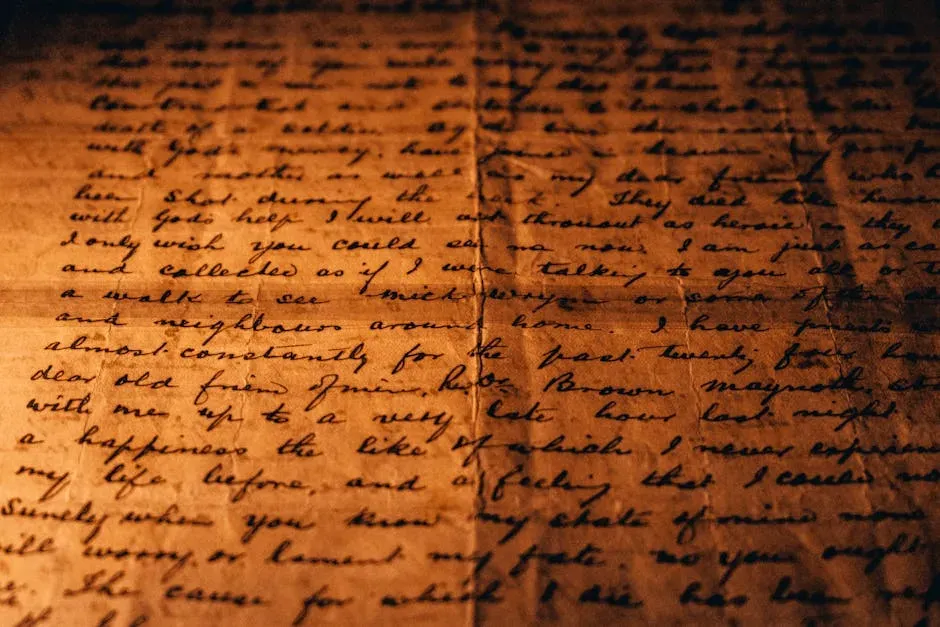
This letter, from The Little Museum of Dublin’s collection, was written when Joyce was 20 years old, two decades before the publication of Ulysses, and is addressed to Lady Gregory, an Irish dramatist and playwright. The letter captures the frustration of a young genius in a small town as he tells Lady Gregory of his plans to go to Paris, “alone and friendless.” It’s a plea for help with a deluge of phrases that reveal Joyce’s insecurities.
The original letter was lost for many years, but a typewritten copy made by Lady Gregory herself was found among the papers of the late Irish poet W.B. Yeats. The fact that Yeats held onto this copy, apparently without ever making it widely known, gave the letter a strange double life. It only resurfaced when Yeats’s own papers were finally catalogued and examined. Without that coincidence, Joyce’s rawest early voice might have been lost entirely.
12. Benjamin Franklin’s Unsent Fury to William Strahan

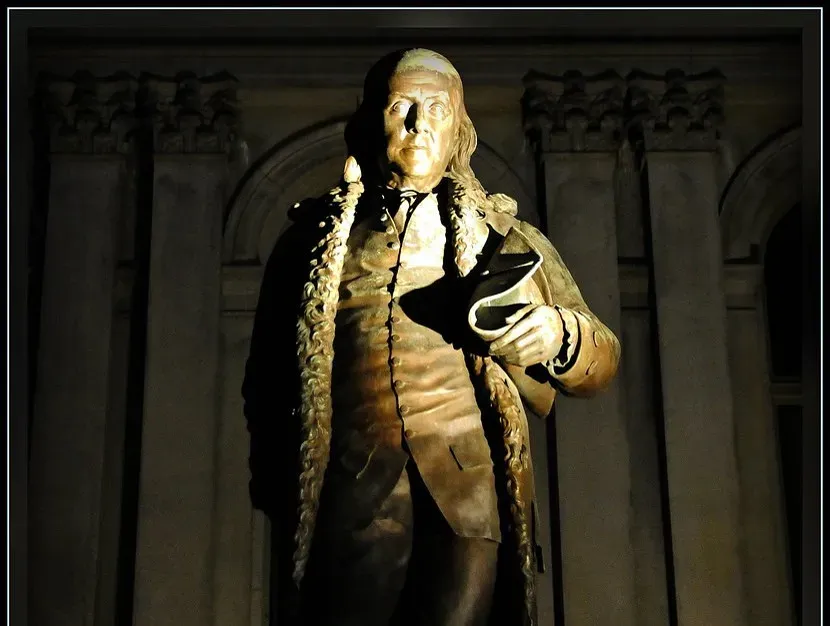
Before America began the fight for its independence, one of her foremost founding fathers, Benjamin Franklin, was close friends with William Strahan, a prominent printer, publisher, and member of the British Parliament. Even after the American Revolutionary War began, the two remained friends until Franklin discovered that Strahan had voted along with his colleagues to label Americans as rebels. In response, Franklin wrote a letter to Strahan.
The letter, dated July 5, 1775, is one of the sharpest pieces of personal correspondence Franklin ever produced. It was never actually posted. Franklin wrote it in a white-hot moment of outrage and then, characteristically, held back. The letter was found among his papers and published only later, giving historians a striking glimpse at the emotional edge underneath Franklin’s famously cool and pragmatic public persona.
13. The Prize Papers: Intercepted Letters Never Delivered

For researchers, one immediate avenue opened by modern letter-reading technology is the examination of the Prize Papers, a series of documents seized by Britain from enemy ships during the naval warfare of the 17th, 18th, and 19th centuries. These weren’t letters that people chose to keep private. They were letters stolen from the sea, never reaching their intended recipients, and held in British archives for centuries largely uncatalogued and unread.
The contents of a letter, in the right pair of hands, could start or end wars, inform political movements, and stir or suppress uprisings. Letters also had the added benefit of being a piece of writing, allowing the sender to compose and structure their thoughts in a way that is not always possible through regular speech. The Prize Papers contain ordinary voices, merchant anxieties, family news, and wartime fears, none of it ever delivered. As researchers have put it, letters can be a lot more revealing when they are left unopened, and using virtual unfolding to read an intimate story that has never seen the light of day, never even reaching its recipient, is truly extraordinary.
Taken together, these thirteen letters share something beyond their accidental survival. They were written in the belief that no one else would ever read them, and that private certainty is precisely what made their authors so honest. The letters people hide are often the ones that tell the most truth. Privacy, it turns out, is where language goes when it finally stops performing.
Partner offer
Planning a trip to Vegas?
Compare hotel rates and show tickets on VEGAS.com.