Few things in human history are as quietly defiant as a body in motion. Long before marchers carried signs or activists drafted manifestos, oppressed communities turned to dance as a way to speak when speaking directly was dangerous, forbidden, or simply insufficient. The body, after all, is something that cannot easily be confiscated.
Dance has a long history of being imbued with hidden meaning, and often, inspiring oppressed groups to rise above. What makes protest dance so enduring is precisely this duality: it can look like celebration while functioning as resistance. Across centuries and continents, that tension has taken strikingly different shapes.
The Cakewalk: Subversion Hidden in Plain Sight
During the plantation era, the cakewalk was danced on command by enslaved Africans to entertain the white folk. The owners didn’t realize it was a subtle parody of their own high-falutin’ mannerisms. Mocking their pomposity was a safer way to protest than openly challenging their authority. The irony embedded in this practice is difficult to overstate.
Slave owners forced their enslaved people to perform the dance in order to humiliate and degrade them. However, those performing the cakewalk would parody the dances they had seen their white slave owners engage in. The idea that a dance meant to mock enslaved people ended up as a mockery of the slave owners is not only a show of resistance, but is also incredibly ironic. It is one of the earliest documented examples of a marginalized group reclaiming a weapon turned against them.
The Ghost Dance: A Ceremony That Frightened a Government
The Ghost Dance is a ceremony incorporated into numerous Native American belief systems. According to the millenarian teachings of the Northern Paiute spiritual leader Wovoka, proper practice of the dance would reunite the living with spirits of the dead, bring the spirits to fight on their behalf, end American Westward expansion, and bring peace, prosperity, and unity to Native American peoples. What began as a spiritual movement rapidly became something that authorities could not ignore.
The U.S. government feared that the Ghost Dance was a threat to its control over Native Americans, leading to the Wounded Knee Massacre, during which hundreds of Lakota were killed. For followers, the religion’s key attractions included the chance to worship in a form that reconstituted Indians as a community and expressed their history, families, and identity. The Ghost Dance invited believers to “be Indians” again. That the act of dancing could provoke such a violent state response reveals just how potent collective movement can be.
The Harlem Renaissance and the Rise of the Conscious Stage
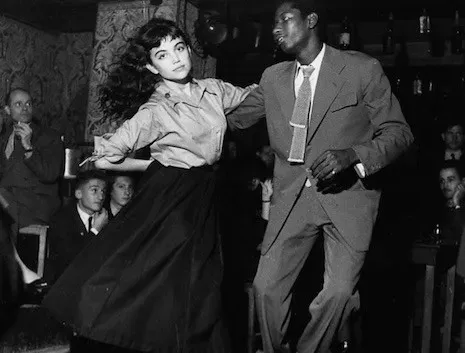
When Pearl Primus began to be recognized as an emerging artist in the 1940s, political and social activism was an established practice among dancers and choreographers in New York City. Dance historian Ellen Graff traces the different forms this activism took as it evolved over the decades. Graff sets the artist/activists’ stories within the tumultuous contexts of the time, including the Great Depression that began in 1929 and the rise of Fascism that swept Europe during the 1930s.
Examples of protest dance from this era include Pearl Primus’ Strange Fruit (1945), a heart-wrenching reflection on a lynching, and Hard Time Blues (1945), on the plight of African-American sharecroppers. Talley Beatty’s Southern Landscape (1947) graphically portrayed a farm community decimated by the Ku Klux Klan during Reconstruction. In 1951 while on tour in Chile, Katherine Dunham premiered Southland, on the lynching of a man falsely accused of rape. These were not performances made for comfort. They were confrontations.
The Civil Rights Era: Dance Meets Direct Action
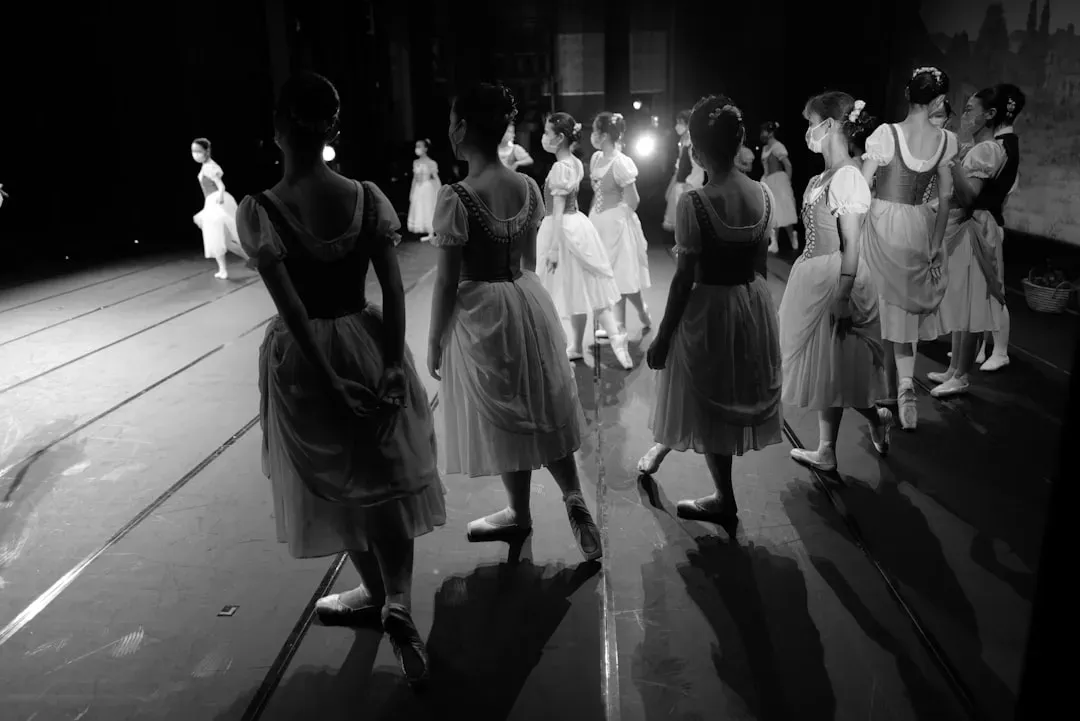
During the 1950s and 1960s, African American dancers such as Alvin Ailey and Josephine Baker supported the civil rights movement, notably through their stage practices. From the Harlem Renaissance to modern protests, choreographers used movement to express dissent, challenge norms, and advocate for change. Dance transcends language barriers, making it an effective medium for communicating complex political ideas.
In two notable protest contexts of the 1960s, including the 1960 anti-segregation sit-in in Greensboro, North Carolina, dance scholar Susan Leigh Foster notes that protesters’ silence, stillness, and nonviolence delivered a highly effective, powerful statement. It was the kinetic potential that remained in their bodies that made the silence and stillness heighten anticipation for spectators. The body itself, whether moving or stilled, was the message.
Hip-Hop and Breakdancing: Protest Born in the Bronx
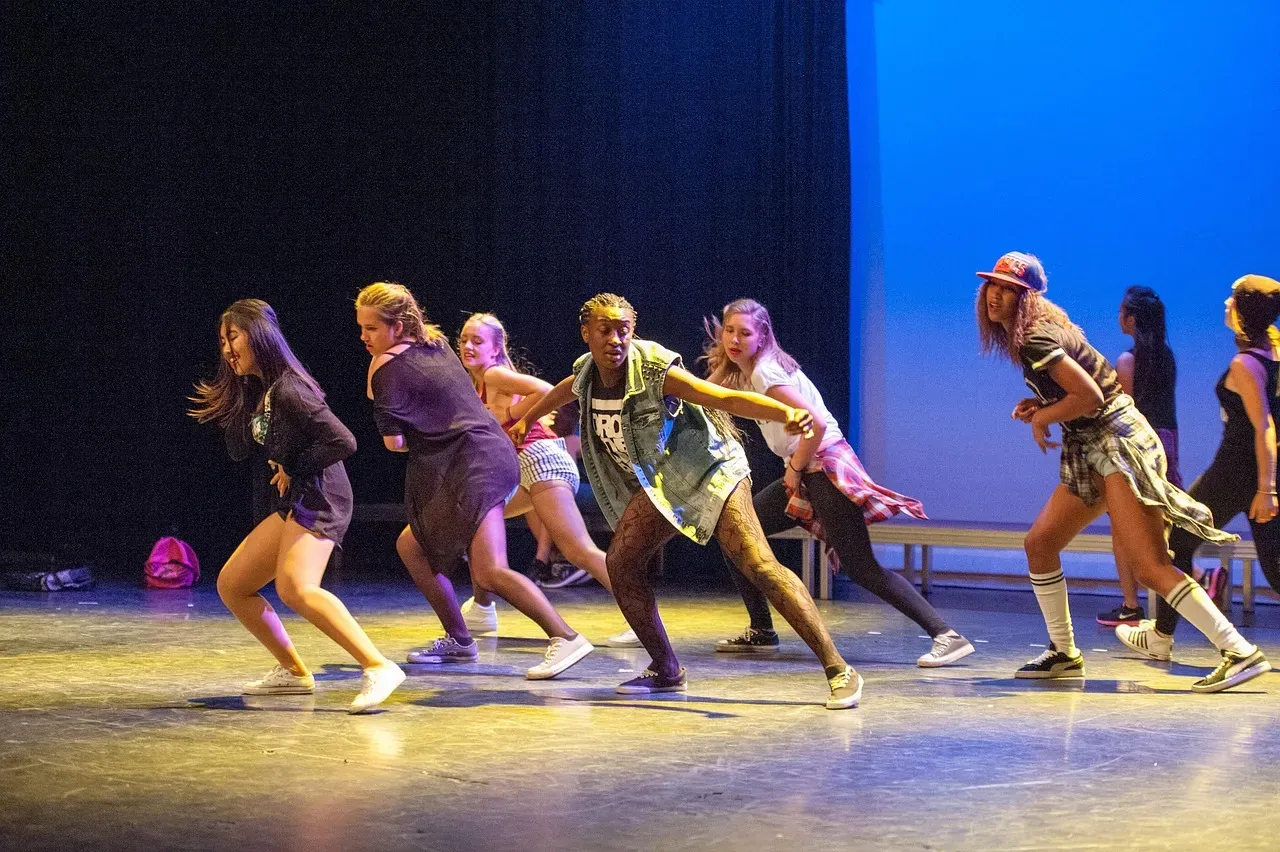
Hip-hop represents the cognitive, expressive, and musical creativity of youth who evolved from the crucible of poverty in the South Bronx, New York. It grew among African Americans and Latino Americans whose poetry, prayers, dance, lyrics, songs, music, and art forms all reflected the genius of a generation of new freedom fighters. Poetry, music, dance, artwork and lyrics that “spit truth in da face of power” became the new order of the day.
Hip hop’s artistic expressions, broadly defined, can combine the power of bodies, voices, and music to cope with trauma, counter anti-Black stereotypes, and lend support to social justice activism. The rise of contemporary dance styles, such as hip-hop and breakdancing, provided new avenues for self-expression and resistance. Breakdancing in particular transformed street corners into stages, asserting presence and community in neighborhoods that felt systematically forgotten.
Voguing: Queer Resistance Dressed as Art
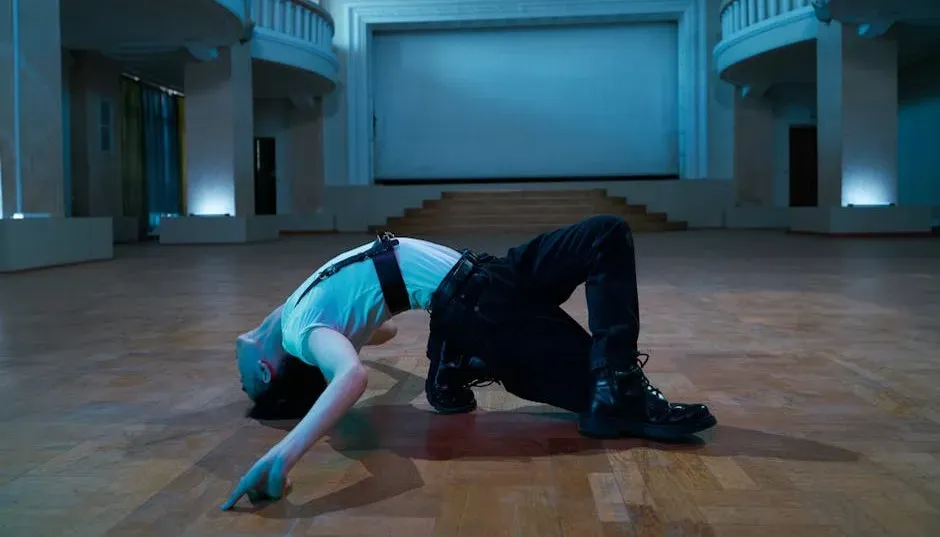
The art form of voguing was developed by Black and Latinx queer, working class youth in New York City, influenced by the Harlem Renaissance of the previous decades. It was thrown into the mainstream with Madonna’s music video and the film Paris is Burning. While voguing has been an act of resistance from its beginnings, it has found a new stage in the Black Lives Matter Movement.
Dancers manipulate their bodies to make the shapes, movements, and gestures that assert their right to be and to express themselves in the world, in effect taking power back from institutions, systems of oppression and people who would deny it to them. In Bomba and Voguing, dancers use their bodies, which are often scrutinized by an institution in power, to take ownership of the space they occupy and to feel empowered in those spaces. The ballroom floor became, for many, one of the only places where they were truly free to exist.
Street Dance Activism: Taking Protest Off the Stage
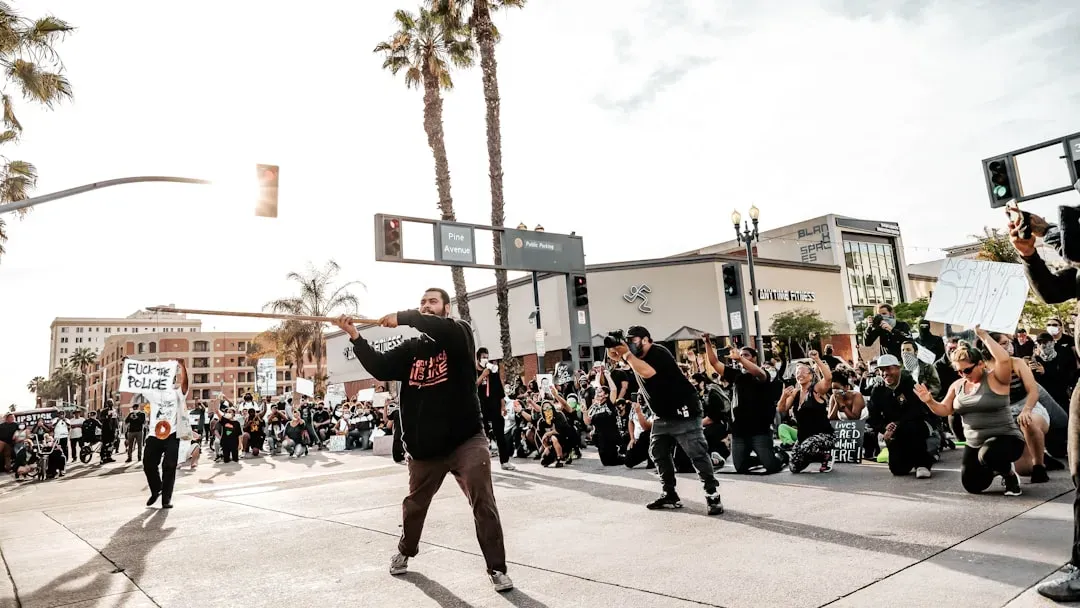
Danced protests in the streets, without the safety of a theater, began gaining traction in the U.S. in the 2010s, accelerated by the visible proof of police brutality provided by cell phone videos taken on the spot. Marsha Parrilla’s Danza Orgánica created protest actions around women’s rights in Boston in 2014. That same year, Brittany Williams, Germaul Barnes, Candace Thompson-Zachery and Brooklyn-based Brother(hood) Dance! created Dancing for Justice in response to the killing of Michael Brown. Tamara Williams of Moving Spirits joined the process, which led to demonstrations in Philadelphia, Detroit, Chicago and Tallahassee.
Internationally, there has also been the rise of dance actions such as the Māori haka performed in solidarity with the victims of the Aotearoa/New Zealand mosque attacks, traditional Kurdish folk forms performed in protest over Turkish cultural repression, Chilean flash mobs mobilized against patriarchy and sexual violence, and the return of Hong Kong’s pro-democracy umbrella movement as a massive choreography of protest. Whether evoking emotions of pain and frustration or joy and exaltation, such displays link people together in a common cause, and draw attention to global struggles for political and social change.
The 2020 Uprising: Dance in the Age of Viral Witness
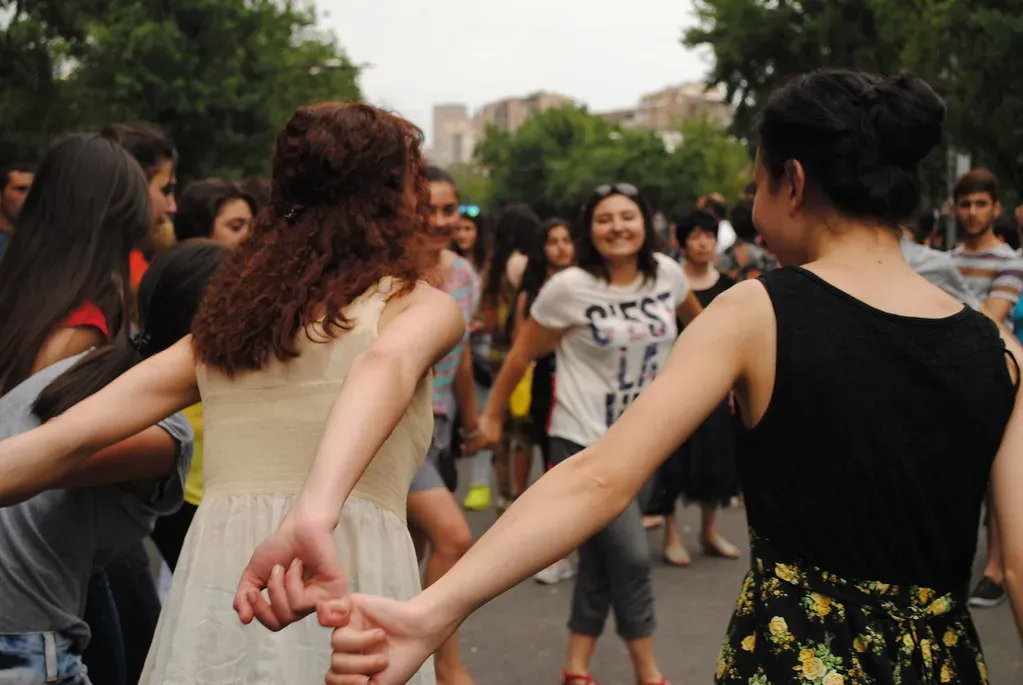
During the summer of 2020, dance activism went viral in support of the Black Lives Matter movement. Dance scholars, activists, and practitioners began to choreograph, organize, and document the phenomena. Though it was perhaps the first time that so many instances of dance activism were captured and curated digitally, it wasn’t the first time that dance was used in response to social inequity and racism.
At a downtown Los Angeles demonstration in June 2020, protesters moved in unison and breakout solos to the Cupid Shuffle, which was becoming the dance signature for the protests. An enormous gathering performed a “Dance for George” in Harlem along 125th Street and Lexington Avenue, dancing the Cupid Shuffle “to remind everyone of the culture that has kept this world thriving,” to honor George Floyd. During those same months, Utah saw hundreds of protesters marching through the streets and dancing to music blasting from a stereo. The group, known as Dance Dance 4 Revolution, sought to resist police brutality and advocate for Black lives while bringing a community together through dance. Through playing joyful music and exuberantly dancing through the streets, those protesting police brutality were brought closer together.
TikTok and the Digital Dance Protest
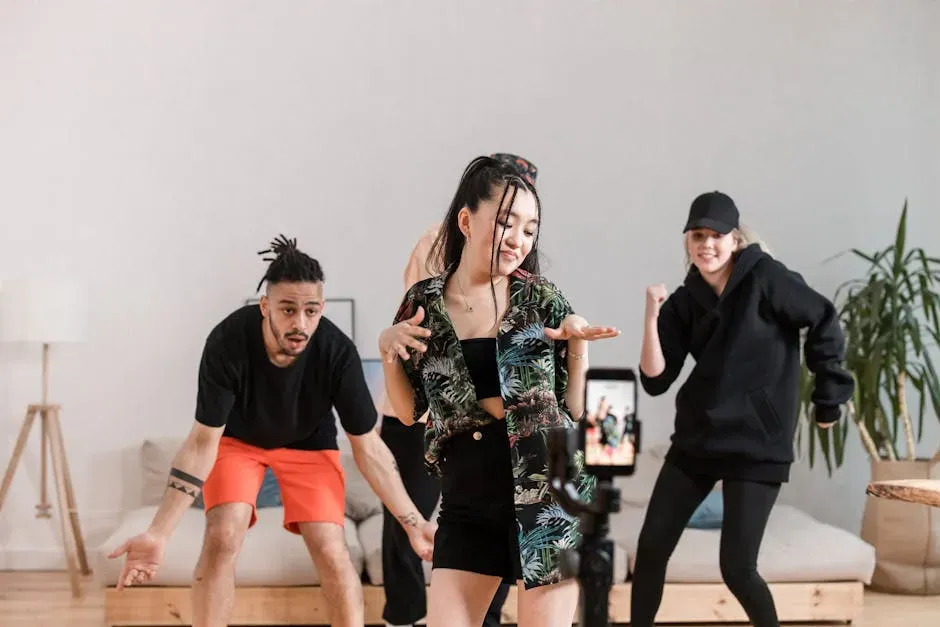
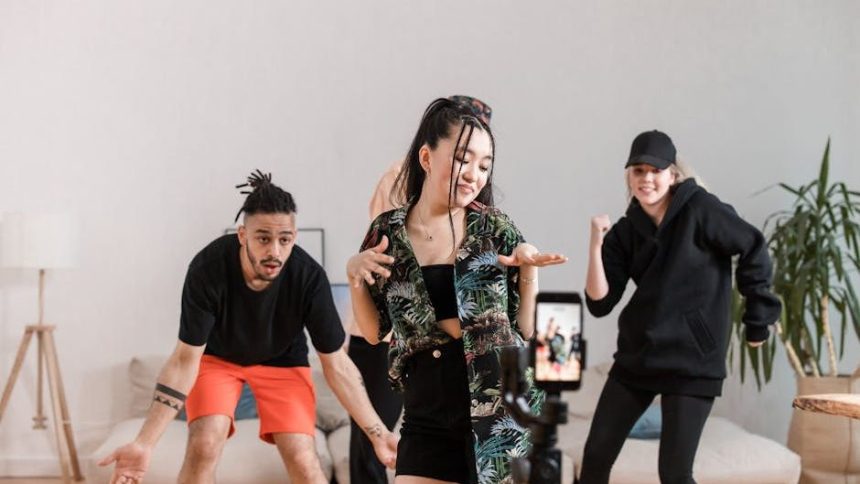
In 2020, following the death of George Floyd, the Black Lives Matter movement exploded on TikTok. Videos with the #BlackLivesMatter hashtag surpassed 10 billion views, with users sharing personal experiences, protest footage, and educational resources. All of a sudden, TikTok became the go-to forum for burgeoning youth activism. A platform known for dance challenges had, in a matter of weeks, become something much harder to ignore.
TikTok is increasingly seen as “a prominent venue for ideological formation, political activism and trolling,” and has been linked with numerous successful activist mobilizations. TikTok became a real-time tool for documenting events and calling attention to injustice, particularly among younger users who used the platform to share petitions, bail fund links, and protest safety tips. The connection between dance and resistance, so old it predates written history, had found yet another new stage.
The Body as Permanent Archive
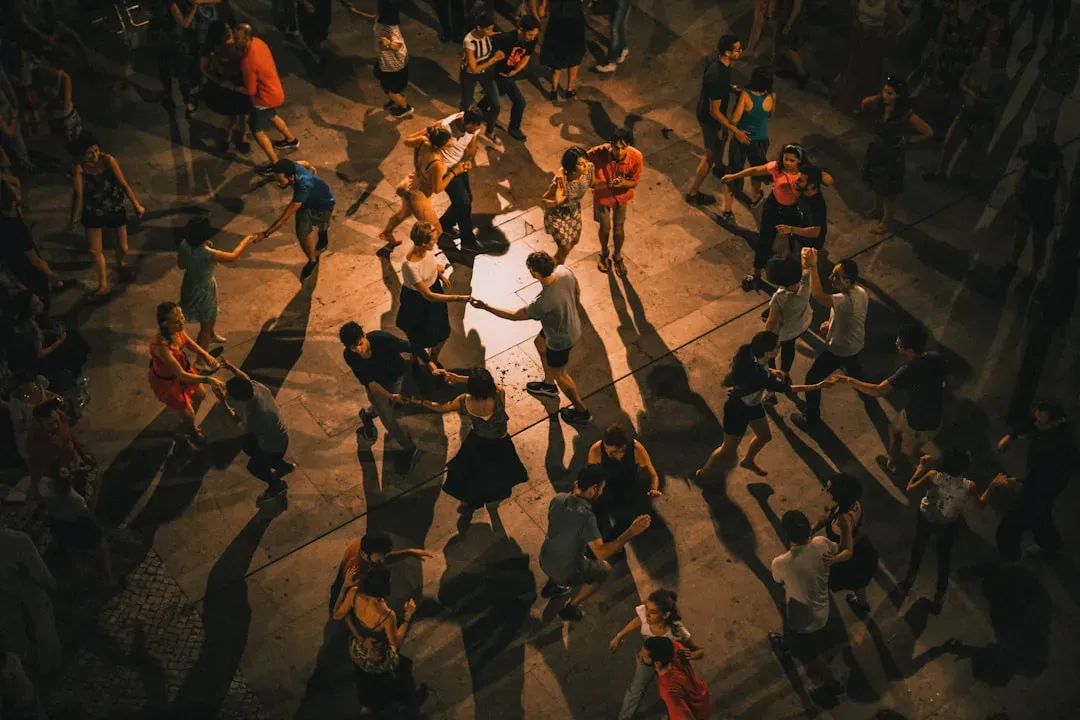
Dance has long been a powerful tool for cultural resistance, allowing communities to express their struggles, hopes, and identities in the face of oppression. What each decade’s protest dance shares across very different contexts is the insistence that the body itself carries meaning. Despite censorship attempts, political dance continues to mobilize audiences and threaten established power structures.
These moments exist outside of institutionalized spaces and are not designed for commercial consumption or economic profit. Instead, they are grassroots forms of activism that place community togetherness and wellbeing at their centre. From a plantation in the antebellum South to a 15-second video on a phone screen, the impulse remains recognizable: move together, mean something, refuse to disappear.