There’s something almost voyeuristic about listening to an album that was built entirely around one specific breakup or love affair. Most artists sprinkle a few personal songs across a record and fill the rest with whatever else is on their mind. A rarer breed goes all in, turning a single relationship into the whole architecture of a project, track by track, mood by mood. What follows are nine records where the songwriter didn’t just borrow from heartbreak, they built an entire world out of one person.
1. Marvin Gaye, Here, My Dear
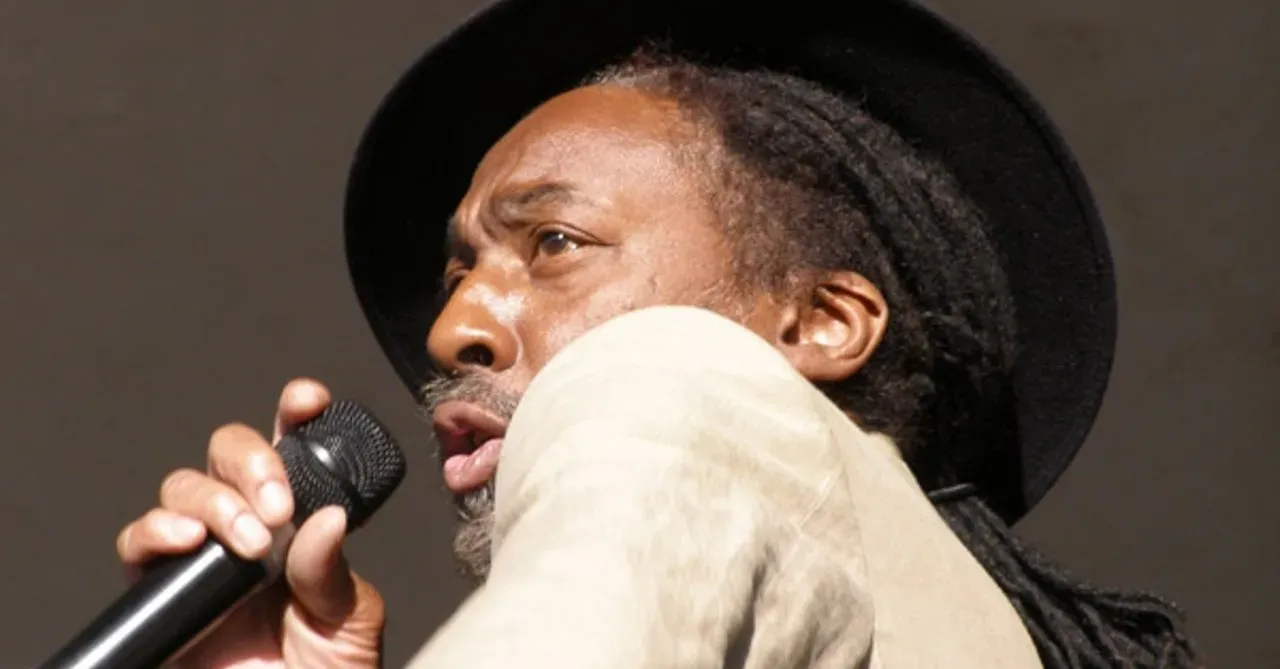
Few albums have a stranger origin story than this one. It is a concept album, notable for its subject matter focusing largely on Gaye’s acrimonious divorce from his first wife, Anna Gordy Gaye. The record began as an unusual divorce settlement, with Gaye agreeing to give the royalties from his next album to his estranged wife in lieu of alimony.
What might have been a throwaway contractual obligation turned into something far more raw. The result is a two-disc-long confessional on the deterioration of their marriage, with Gaye going through all the emotions before searching for a way out, through faith, through nature, and eventually through finding a new love. The album flopped commercially on release in 1978, but critics now regard it as one of the most unflinching breakup records ever made.
2. Beck, Sea Change
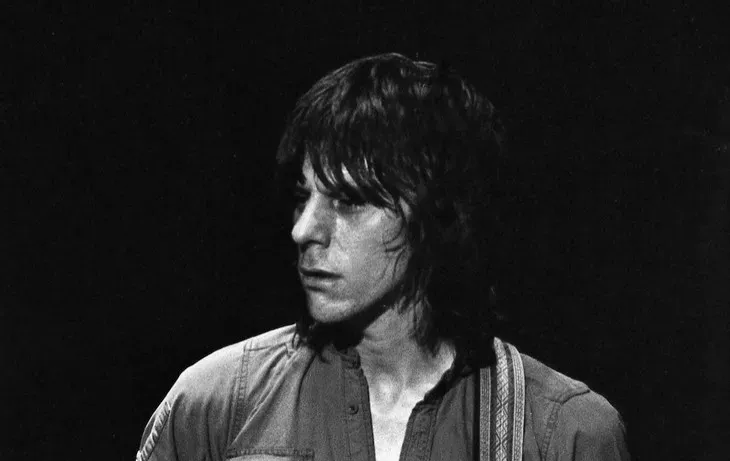
Beck spent most of his career hiding behind irony and pastiche, so it was jarring when he released an album that felt completely stripped bare. Sea Change features themes of heartbreak and desolation, solitude, and loneliness, recorded over a two month period with producer Nigel Godrich. Beck cited the breakup with his longtime girlfriend as the major influence on the album.
The relationship in question had lasted nearly a decade. The breakup ended his nine-year relationship with fiancée Leigh Limon, occasioned by his discovery, just weeks before his 30th birthday, that she was having an affair. He reportedly wrote most of the songs in a single week, and the resulting record traded his usual sonic tricks for plain, aching sincerity.
3. Bob Dylan, Blood on the Tracks
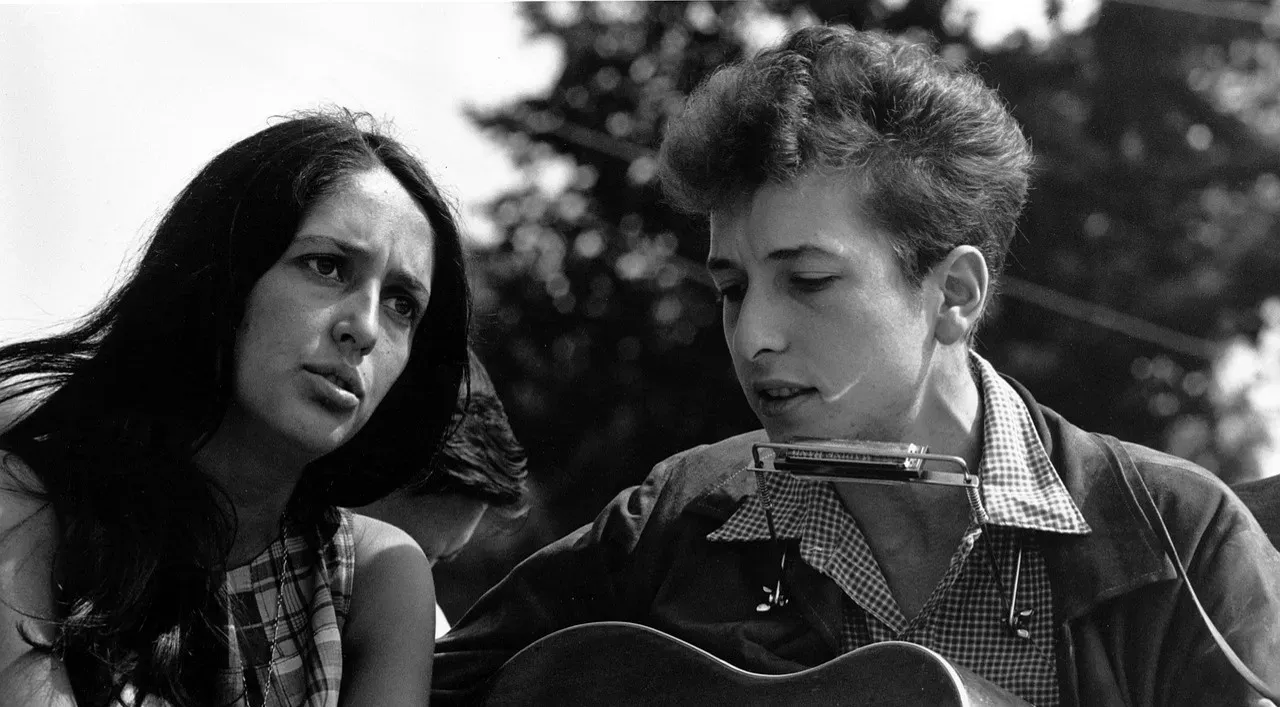
Dylan has never confirmed every detail, but the consensus among critics and biographers has long held that this 1975 album chronicles the unraveling of his marriage to Sara Dylan. The songwriting here is sharper and more emotionally direct than almost anything else in his catalog, swinging between tenderness, anger, and a kind of weary acceptance. Songs like “Idiot Wind” and “You’re a Big Girl Now” read less like poetry and more like open wounds set to melody.
Music writers have repeatedly pointed to Blood on the Tracks as a touchstone for later breakup albums, including comparisons drawn to both Marvin Gaye’s and Beck’s records. It remains one of the most widely cited examples of an artist processing the end of a marriage in real time, through an entire tracklist rather than a single confessional song.
4. Bon Iver, For Emma, Forever Ago

The origin story behind this album has become almost mythical in indie rock circles. Justin Vernon broke up with his girlfriend and his band, got sick with mono, and decided to seek refuge in a remote cabin in the Wisconsin woods, where he recorded his debut album as Bon Iver. All of his personal trouble, lack of perspective, heartache, longing, love, loss and guilt that had been stockpiled over the past six years was suddenly purged into the form of song.
The isolation was total and deliberate. He lived there alone for three months, filling his days with wood splitting and other chores around the land. What emerged was a whispery, falsetto-heavy record that turned a specific romantic collapse into something closer to a wilderness diary, and it launched an entire subgenre of hushed folk confession in its wake.
5. Amy Winehouse, Back to Black
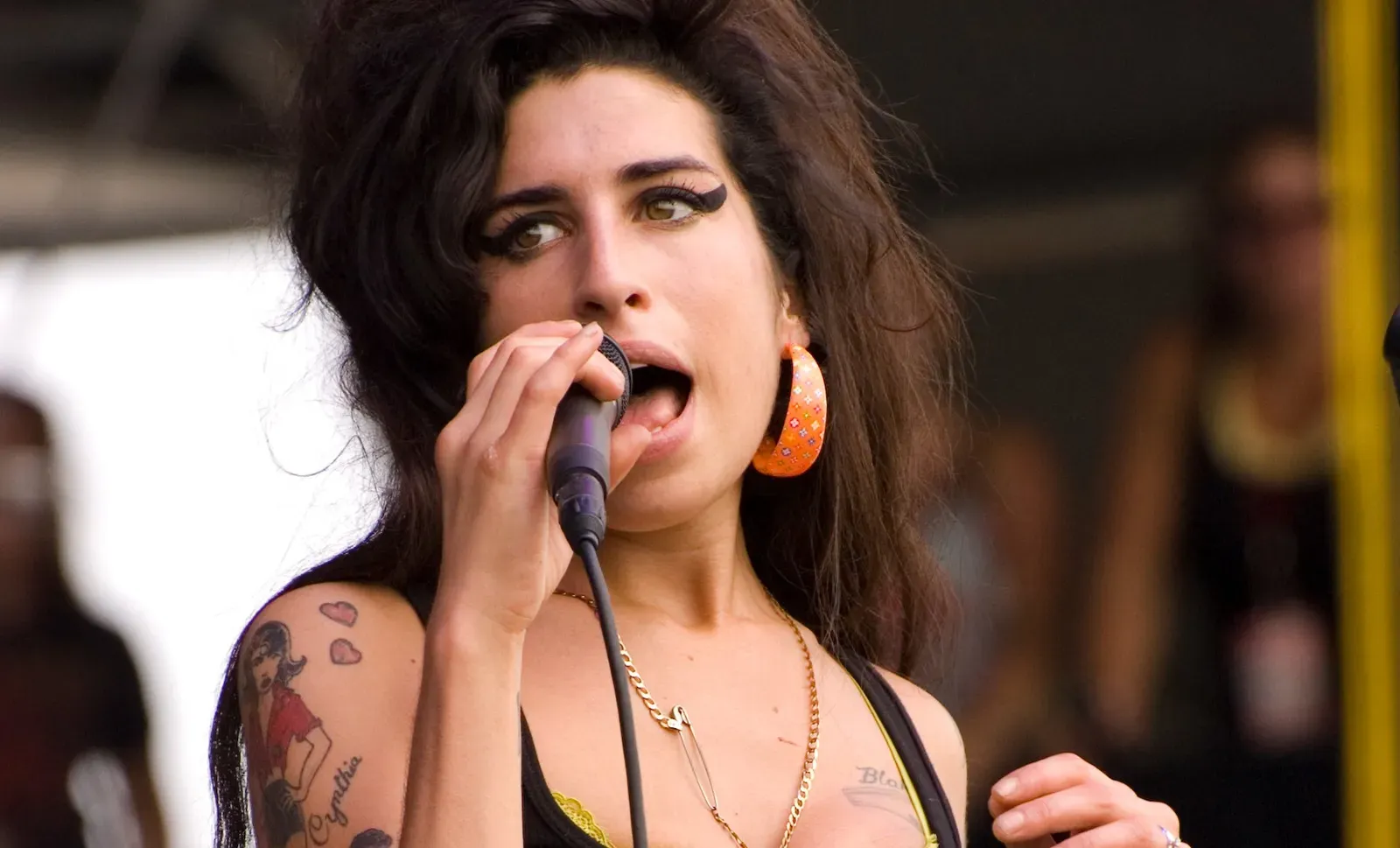
Winehouse’s second and final studio album is inseparable from her relationship with Blake Fielder-Civil, whom she dated on and off before marrying him in 2007. The title track and much of the record trace a doomed, addictive romance, with lyrics that swing between devotion and self destruction. Critics have long noted that the album’s dark, sixties girl group sound gave the heartbreak a kind of grim glamour rather than straightforward sadness.
Winehouse rarely gave interviews that dwelled on the specifics, but collaborators and producers who worked on the record have discussed how directly the songs mapped onto real events in her life. The album went on to win multiple Grammy Awards and remains one of the defining breakup records of the 2000s, largely because it never pretends the relationship was anything other than complicated and consuming.
6. Beyoncé, Lemonade

Released in 2016 with a accompanying visual film, Lemonade traces a specific arc, betrayal, anger, reckoning, and eventual reconciliation, widely understood to reference Beyoncé’s marriage to Jay-Z. The album’s structure, moving through named emotional stages like intuition, denial, and anger, gives it a narrative shape that few pop records attempt. Songs like “Sorry” and “Hold Up” became cultural flashpoints precisely because listeners read them as direct commentary on infidelity within her own marriage.
The couple never fully confirmed every detail publicly, though Jay-Z’s own 2017 album 4:44 was widely seen as his response and acknowledgment. Together the two records form an unusual pair, two artists using separate albums to process the same relationship from opposite sides of it.
7. Adele, 21
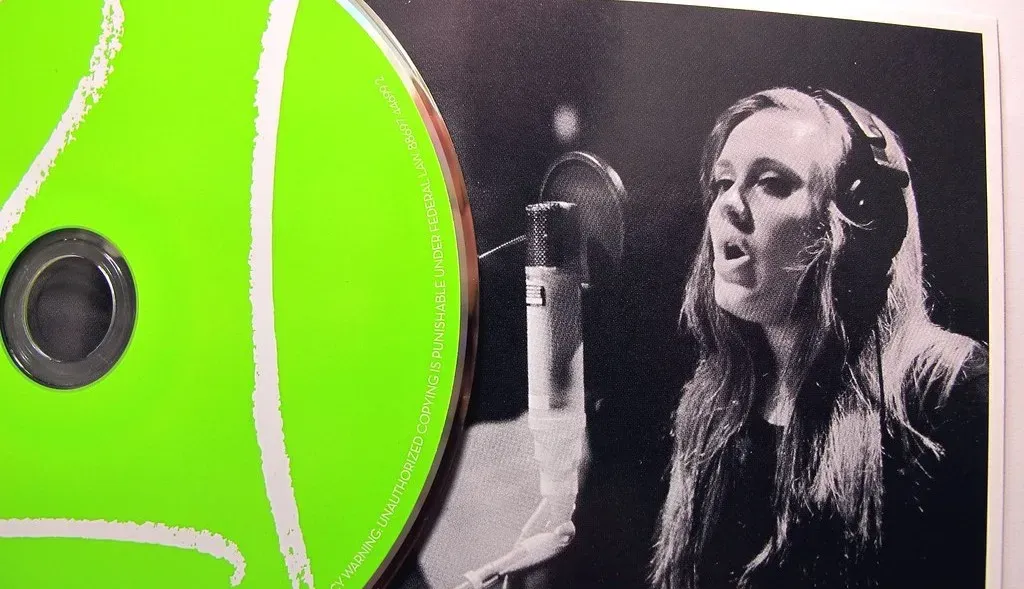
Adele’s breakthrough album was written almost entirely in the aftermath of one specific breakup with a boyfriend she has referenced but never fully named in public. Tracks like “Someone Like You” and “Rolling in the Deep” became global hits precisely because they captured heartbreak in such plain, unadorned language. The album went on to become one of the best selling records of the 2010s, moving well over thirty million copies worldwide.
What made 21 distinct from typical pop heartbreak records was its lack of bitterness dressed up as empowerment. Adele has said in interviews that she needed the relationship to end in order to write the songs, framing the album less as revenge and more as necessary grief. That emotional honesty is a big part of why the record still gets cited as a benchmark for the genre.
8. Kacey Musgraves, Star-Crossed

Musgraves built her 2021 album around the collapse of her marriage to fellow country singer Ruston Kelly. During a cover story for Elle magazine, Musgraves revealed that the album sees her tackling her divorce from Kelly after two and a half years of marriage, having been married in October 2017 and filing for divorce in July 2020. The divorce and its aftermath inspired her to write the album, drawing further inspiration from Greek tragedies and Romeo and Juliet.
The album leans into its concept literally, framed as a three act tragedy and paired with a companion film. She closes star-crossed with her final act, accepting the end of her marriage and expressing her intention to move forward, before closing the album entirely in Spanish with a cover of Violeta Parra’s “gracias a la vida.” It stands as one of the more self aware entries in this list, an artist openly acknowledging she’s making a divorce record while she’s making it.
9. Fleetwood Mac, Rumours
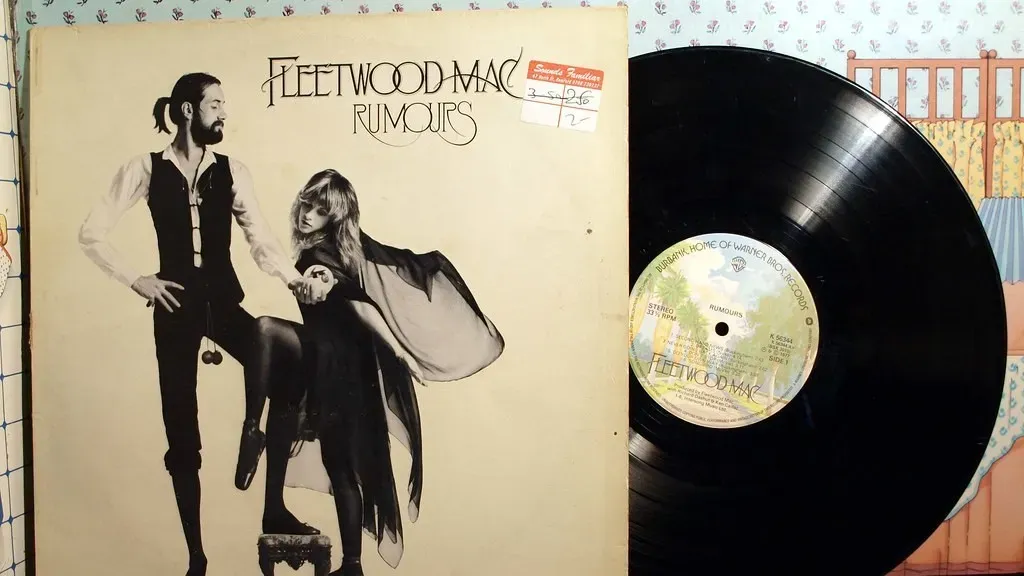
Rumours is usually discussed as a band album about multiple collapsing relationships within the group, but for Christine McVie in particular, it functions almost entirely as a chronicle of one specific marriage falling apart, her own to bassist John McVie. Songs like “Don’t Stop” and “Songbird” carry a very personal weight when heard as her direct response to the end of that marriage, written while she still had to stand next to her ex husband on stage every night. The tension of performing songs about a divorce with the person you divorced sitting a few feet away gives the album an odd, additional layer of intimacy.
The 1977 record went on to sell over forty million copies worldwide, making it one of the best selling albums in history. Whatever the band dynamics were behind the scenes, the songs themselves hold up as a remarkably candid account of one relationship’s slow, public unraveling. These nine records span five decades and nearly every genre, yet they share a common thread: each artist chose to stay inside one relationship long enough to map its entire emotional terrain, rather than moving on to safer material. That kind of sustained focus is rare, and it’s part of why these particular albums have outlasted the specific heartbreaks that inspired them.