Some festival appearances are just good shows. Others are something else entirely – a before-and-after moment that splits an artist’s career cleanly in two. The crowd walks away buzzing; the artist walks away different. Music history is scattered with these inflection points, and they tend to share something: a convergence of the right artist, the right stage, and exactly the right moment in time.
What makes a set truly career-altering is harder to pin down than it sounds. It’s rarely just technical brilliance. More often it’s about nerve, timing, and the willingness to put everything on the line in front of tens of thousands of strangers. Here are seven performances that did exactly that.
Jimi Hendrix – Monterey Pop Festival, 1967
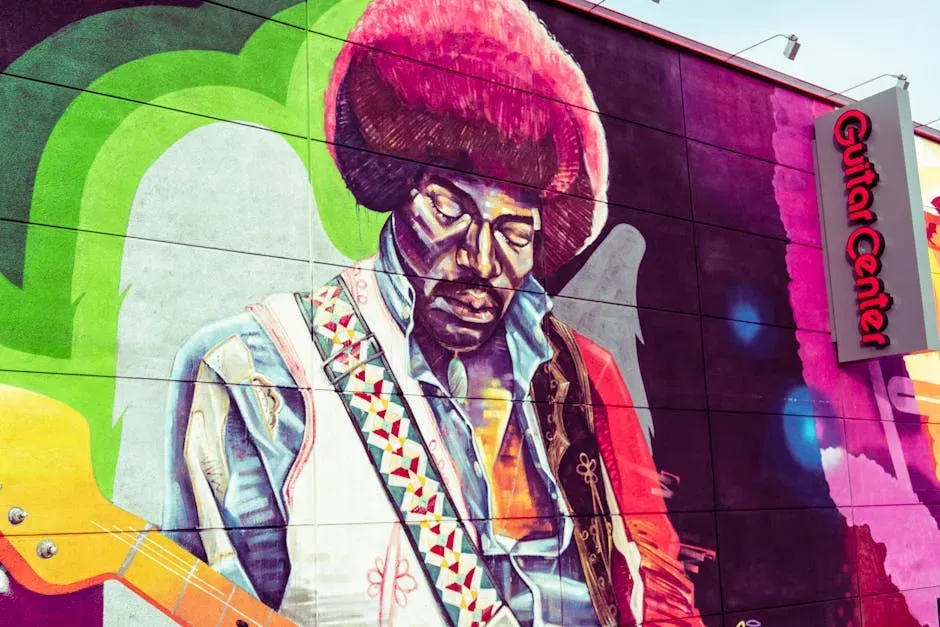
The Jimi Hendrix Experience literally set the stage on fire during this iconic performance at the Monterey International Pop Festival in 1967. The act of burning his guitar was as theatrical as it was deliberate – a ritual that announced, in no uncertain terms, that something new had arrived. It was an image that emboldened the psychedelic rock era and inspired it to new heights, and a legend felt born in that instant as Hendrix took his rightful place as a figurehead for 1960s hard rock.
The career of Jimi Hendrix was launched by his Monterey show; his first album appeared later that summer, and he became a popular draw at concert halls. Before Monterey, Hendrix was largely unknown to American mainstream audiences. After it, he was a phenomenon. The performance remains one of the most studied live moments in rock history precisely because the impact was so sudden and so total.
Bob Dylan – Newport Folk Festival, 1965
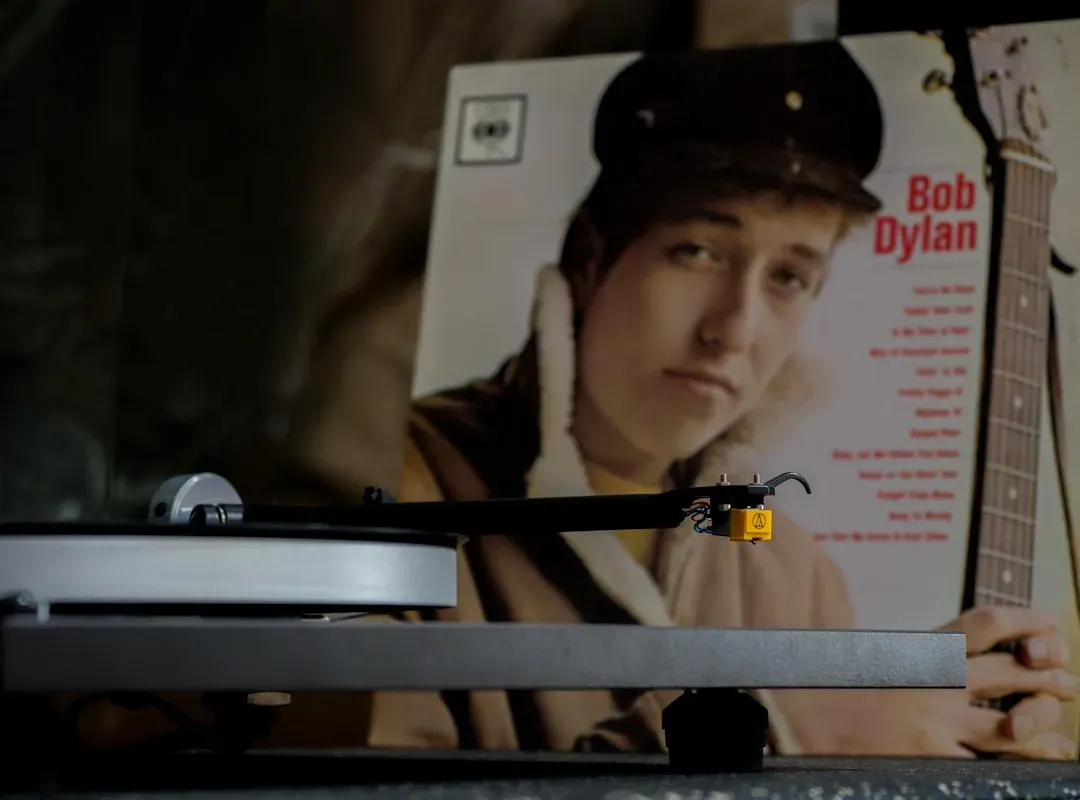
Few events in music history have been more mythologized than Bob Dylan’s performance at Newport on July 25, 1965. This was the day the politically minded folkie “went electric,” ushering in a new era of smart, restlessly creative pop music that would define the decade. Dylan and his band played just three amplified songs, including “Maggie’s Farm” and “Like a Rolling Stone,” from his then-forthcoming game-changer Highway 61 Revisited.
Some in the audience booed, either because they were mad at Bob for betraying his folk roots, or because they were unhappy about the poor sound quality and short duration of the set. The controversy only amplified the moment’s significance. The bold move opened doors for experimentation and genre-blending, forever altering the trajectory of folk and rock, and decades later, the echoes of this moment still influence artists willing to take creative risks.
Janis Joplin – Monterey Pop Festival, 1967
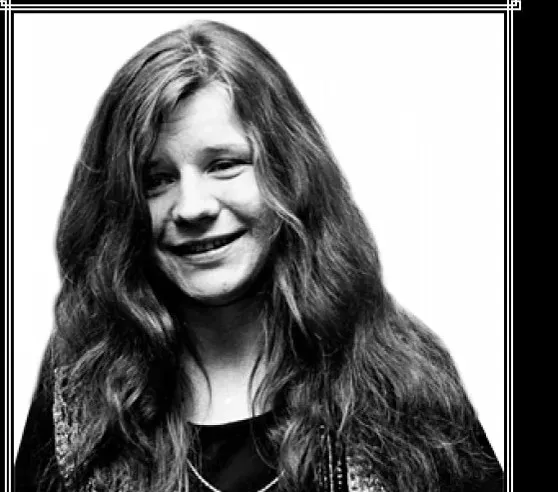
Janis Joplin’s breakout performance with Big Brother and the Holding Company at the Monterey Pop Festival was nothing short of volcanic. Her raw, unfiltered rendition of “Ball and Chain” stunned audiences and industry executives alike, launching her into instant stardom. The crowd at Monterey that night wasn’t expecting what they got – a vocalist of genuinely fearless emotional range who seemed to pour herself out entirely on stage.
Joplin’s fierce vocal power and unrestrained emotion defined a new era for women in rock, making this set one of the most unforgettable debuts in festival history. This was the moment she broke through to mainstream recognition, inspiring a new generation of female rock artists, and fans and fellow musicians alike were stunned by her authenticity, making this set a touchstone in rock history. It’s worth noting that both Joplin and Hendrix transformed their careers at the very same festival – a remarkable concentration of career-defining energy in a single weekend.
Nirvana – Reading Festival, 1992
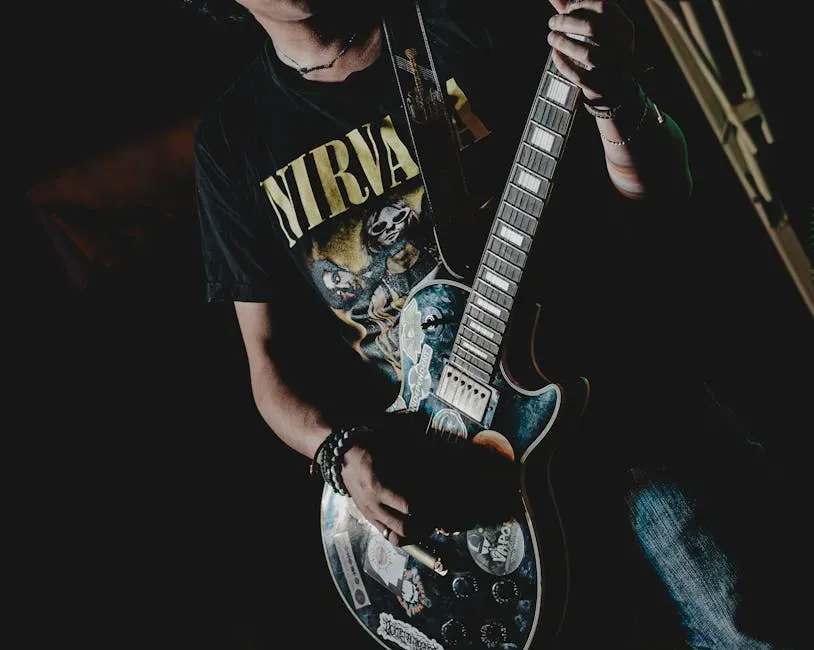
Rumors swirled around the 1992 Reading Festival that Kurt Cobain’s reported ill-health would force Nirvana to bail on their headlining gig. Cobain, clad in a hospital gown and a ridiculous wig, was pushed onto the stage in a wheelchair and faked a dramatic swoon before leading the band through a blistering, brilliant set. Cobain wore the hospital gown as a way to poke fun at rumors about his health. The prank instantly deflated the tabloid narrative and refocused attention on the music.
Cobain jumped up and launched into a fiery rendition of “Breed,” and Nirvana then ripped through a 25-song, 90-minute performance for an audience of 50,000. Reading 1992 sealed Nirvana’s legacy as the most important new band of the decade. What makes this set especially striking is the context: just 12 months before headlining Reading in 1992, Nirvana had appeared sixth from the top of the bill at Reading 1991, even playing before forgotten indie acts. The rise was almost incomprehensibly fast.
Daft Punk – Coachella, 2006
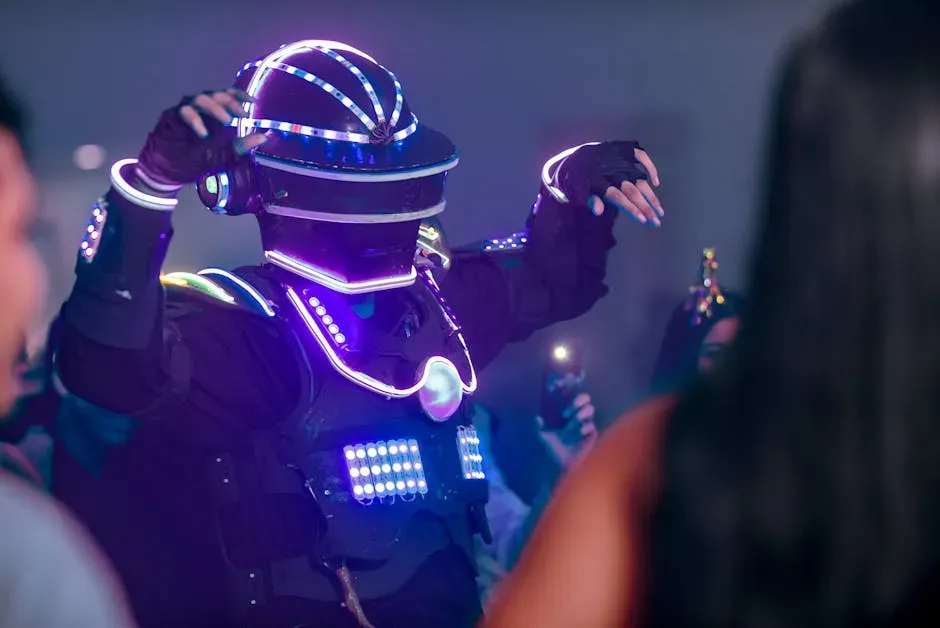
With a towering LED pyramid, synchronized visuals, and a seamless live mix of their hits, Daft Punk redefined the festival performance. Their Coachella set ushered in a new era of electronic music’s mainstream dominance and set the gold standard for live EDM production. Much of the credit goes to the first appearance of the French duo’s now-legendary pyramid – a futuristic command centre surrounded by geometric shapes – and the ensuing show was a visual hit, helping take a sound that would later become EDM into the American mainstream.
It took a long time for America to get dance music, but the breakthrough moment, according to many, was Daft Punk’s revolutionary show at the Coachella Valley Music and Arts Festival. The set also brought Daft Punk in from the cold, once again affirming them as game changers after their underwhelming 2005 album Human After All. Every large-scale EDM production since – the elaborate lighting rigs, the immersive stage design – can trace at least part of its DNA back to that pyramid in the California desert.
Pulp – Glastonbury, 1995
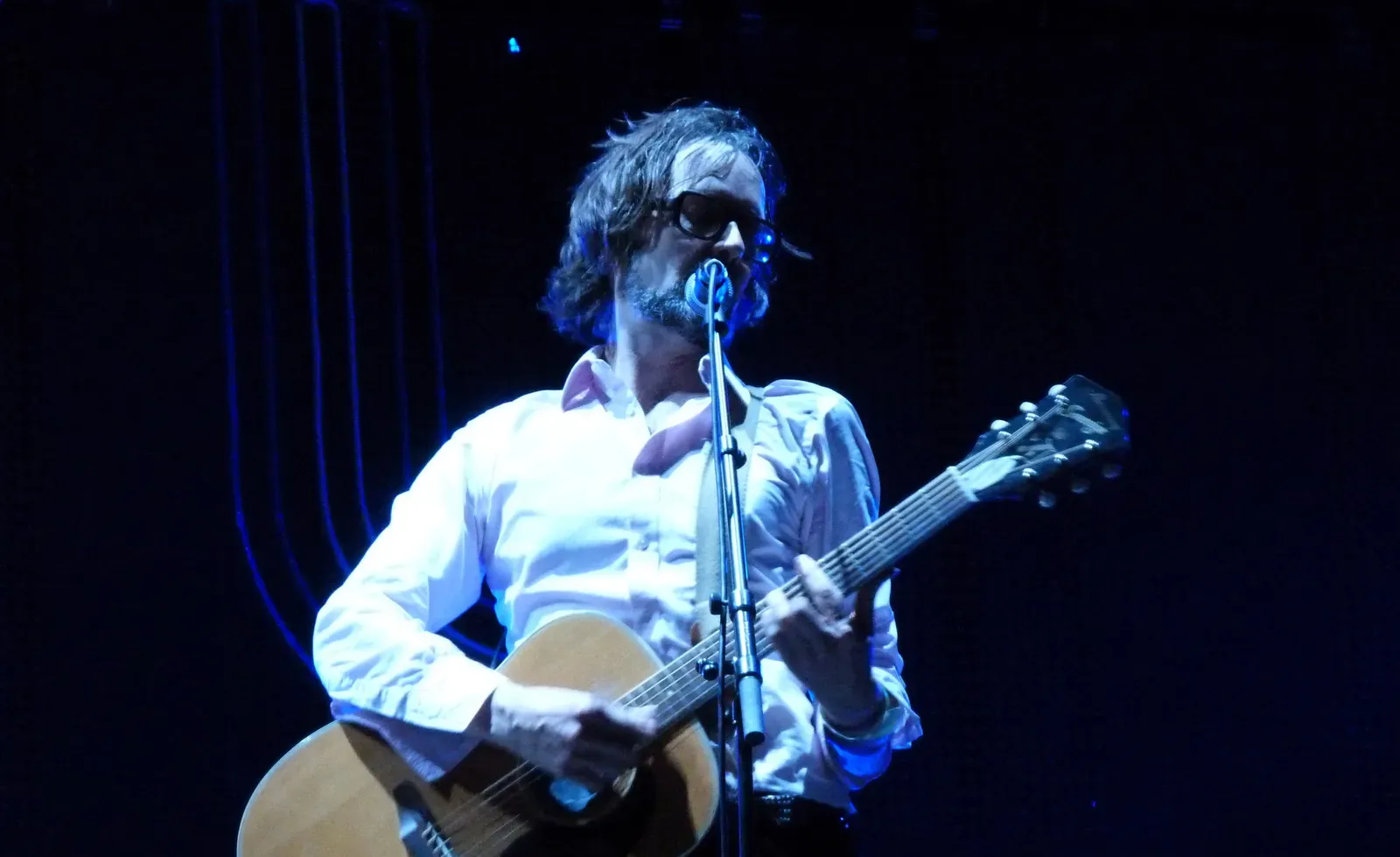
Sheffield’s own Pulp, like Oasis, cemented their success with a stellar performance at Glastonbury 1995, having made their debut the previous year. The crowning moment of that standout performance was their rendition of the Britpop anthem “Common People.” The band stepped in as a last-minute replacement for the Stone Roses, a position that could have felt like second billing – instead, it became their defining hour. Pulp rapidly ascended right to the top after their heroic Glastonbury performance, and shortly after, the band’s career-defining third album Different Class topped the UK charts and won the Mercury Music Prize.
Jarvis Cocker, reflecting on the set years later, described it plainly as the moment that “made the success a concrete fact.” There’s something quietly profound about that phrasing. Not a rocket launch, not an explosion – just a fact, confirmed in front of 100,000 people singing every word back. Led by Jarvis Cocker, Pulp always provided much-needed relief from the boisterous machismo of Britpop’s bro-tastic bands, and at Glastonbury 1995 they proved they were every bit as vital.
Beyoncé – Coachella, 2018
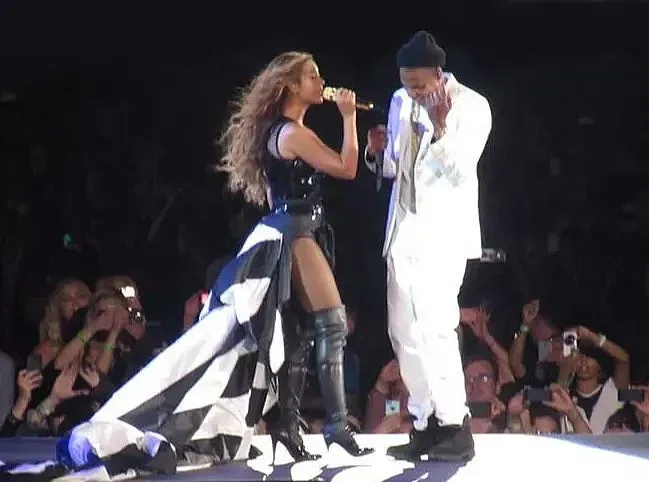
Playing her rescheduled dates in 2018, Beyoncé became the first Black woman ever to headline the festival. On April 14, 2018, both the singer and the music festival reached new levels of fame with Beyoncé’s two-hour set, which combined performers from historically Black colleges and universities, surprise reunions, and her greatest hits. Her performances paid tribute to the culture of historically Black colleges and universities, featuring a full marching band and majorette dancers, while incorporating various aspects of Black Greek life, such as a step show.
She played a 26-song set to 125,000 concertgoers in attendance. Many in the media described the show as “historic,” while The New York Times proclaimed it as “meaningful, absorbing, forceful and radical.” The performance was later documented in the Netflix film Homecoming, which is the first of three projects Beyoncé committed to Netflix on a reportedly 60-million-dollar deal. The set didn’t just elevate Beyoncé’s own standing – it permanently expanded what a headlining festival performance could mean culturally.