Music has always fed on itself. Artists borrow, reinterpret, and reconstruct what they’ve heard before, and most of the time that’s simply how creativity works. But every so often, a borrowing goes well beyond inspiration and lands somewhere much closer to outright theft.
These eight cases involve some of the most recognizable opening moments in popular music history, and each one carries a story of someone else’s idea being used without credit, permission, or payment. Some ended in court. Others were settled quietly. A few became defining controversies that changed how the music industry thinks about intellectual property.
Led Zeppelin – “Whole Lotta Love” (1969): Borrowed From Willie Dixon
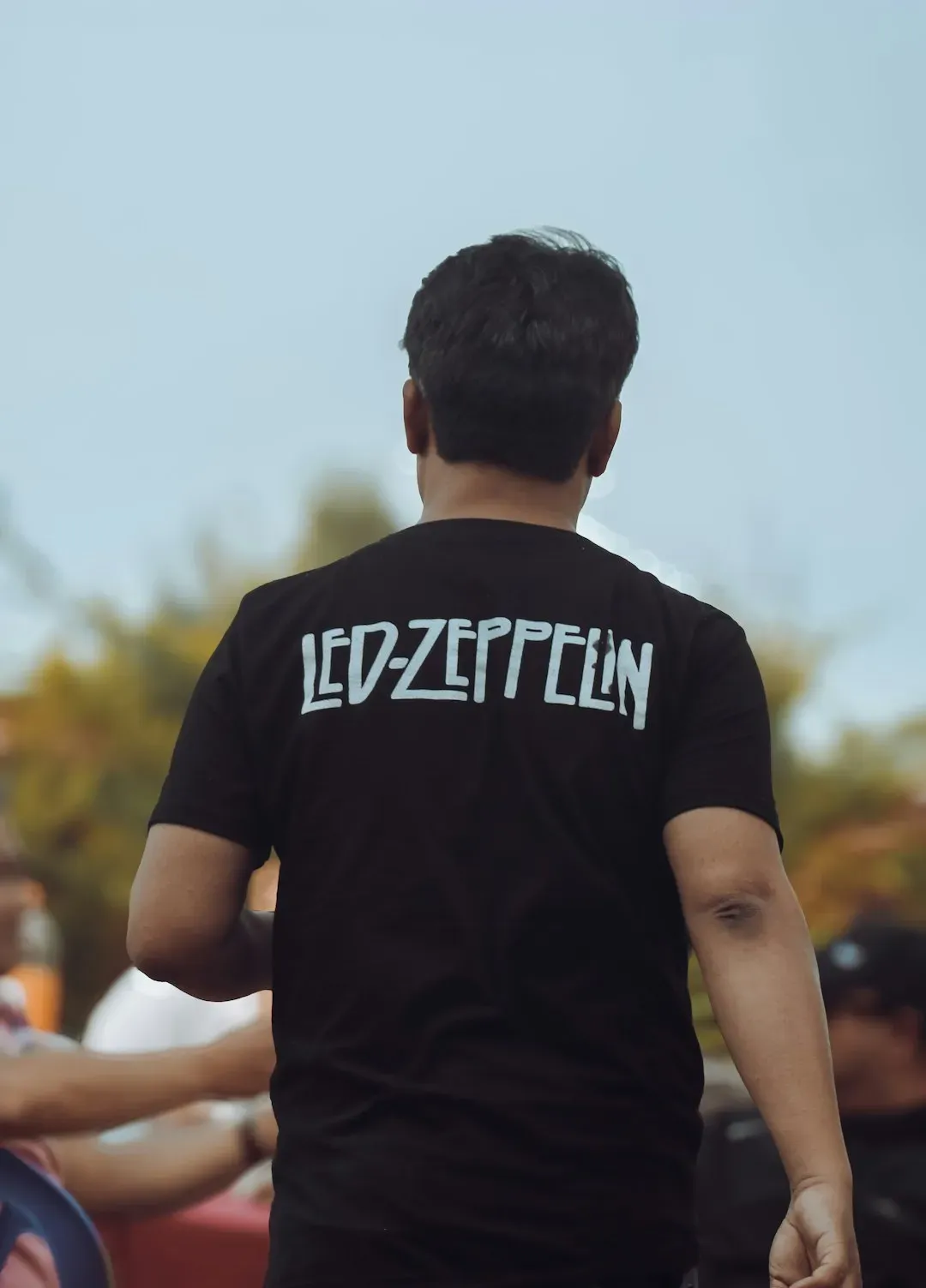
Parts of “Whole Lotta Love” were adapted from Willie Dixon’s “You Need Love,” recorded by Muddy Waters in 1962. The song was originally uncredited to Dixon, and a lawsuit filed in 1985 was ultimately settled with a payment to Dixon and credit on subsequent releases. It was only when Dixon’s daughter Shirli heard “Whole Lotta Love” in the late 1970s on the radio that her father realized his composition had seemingly been copied.
In 1966, the British band Small Faces had recorded the song as “You Need Loving,” and according to Steve Marriott, Page and Plant attended several Small Faces gigs where they expressed interest in the song. Marriott noted that Plant sang it “the same, phrased it the same, even the stops at the end were the same.” It was only in 1999 that Led Zeppelin began printing a songwriting credit for Dixon on its releases, finally acknowledging his role in inspiring the track.
The Beach Boys – “Surfin’ U.S.A.” (1963): Chuck Berry’s Blueprint

The 1963 hit single listed Beach Boy Brian Wilson as the sole composer, but the melody was a complete replication of Chuck Berry’s “Sweet Little Sixteen.” The guitar riff, chord progression, and even the lyrical structure mirrored Berry’s original. Wilson later described it simply as a rewrite, but Berry’s lawyers used a different word.
With the threat of lawsuits looming, Beach Boys manager and Brian Wilson’s father, Murry Wilson, agreed to give the publishing rights to Arc Music, Berry’s publisher. However, Berry’s name wouldn’t appear on the songwriting credits until 1966. The Beach Boys ultimately gave Berry songwriting credits on every release of “Surfin’ U.S.A.” after 1966, and it’s reported that Berry himself was quite fond of the song.
George Harrison – “My Sweet Lord” (1970): The Chiffons’ Melody
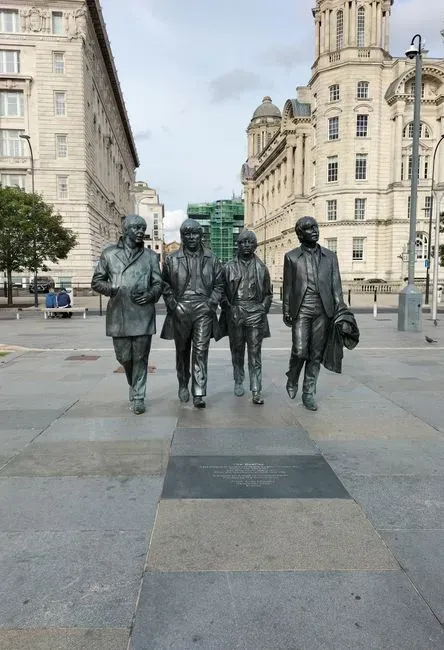
The former Beatle was the first of the Fab Four to have a massive hit in 1970 with “My Sweet Lord,” but trouble came quickly when it was pointed out that the song bore a strong resemblance to a 1962 hit by US girl group The Chiffons, “He’s So Fine.” The Chiffons and their publisher Bright Tunes had something to say about it, and as a result one of the longest running plagiarism court cases in US history ensued.
Harrison was ordered to pay $587,000 in 1981 for “subconsciously” plagiarizing the melody. He wrote in his biography: “I wasn’t consciously aware of the similarity to ‘He’s So Fine.’ It would have been very easy to change a note here or there, and not affect the feeling of the record.” In a twist, The Chiffons later recorded their own version of “My Sweet Lord,” underscoring the fine line between inspiration and imitation.
Vanilla Ice – “Ice Ice Baby” (1990): Under Pressure From Queen and Bowie

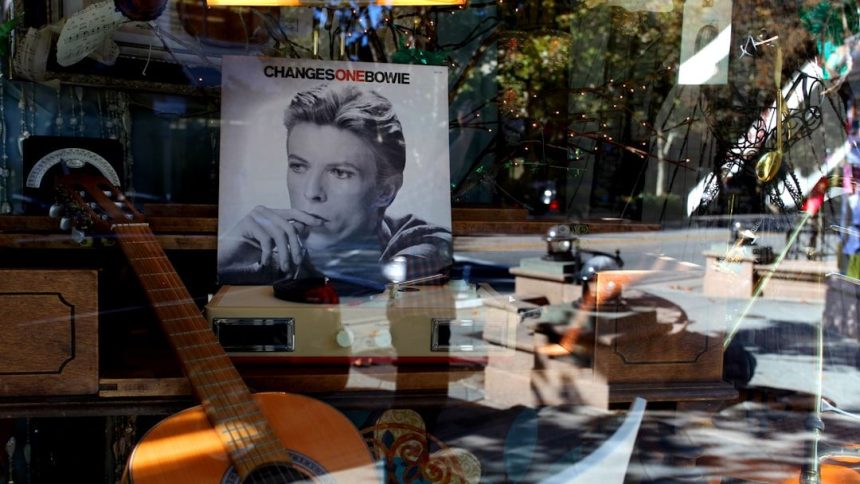
“Ice Ice Baby” samples the bassline of “Under Pressure” by Queen and David Bowie, who did not receive songwriting credit or royalties until after it had become a hit. In a 1990 interview, Vanilla Ice claimed the two melodies were slightly different because he had added an additional note on the “and” of the fourth beat. Few people found that argument convincing.
Partner offer
After representatives for Queen and Bowie threatened a copyright infringement suit, the matter was settled out of court, with Van Winkle required to pay financial recompense to the original artists. Bowie and all members of Queen were also given songwriting credit for the sample. According to Rolling Stone, the controversy is considered a landmark music copyright case, since it “sparked discussion about the punitive actions taken in plagiarism cases.”
Nirvana – “Come As You Are” (1991): Killing Joke’s Riff Slowed Down

Kurt Cobain had every right to be worried, because “Come As You Are” is built around a slowed-down version of the guitar riff from the 1985 Killing Joke song “Eighties.” Wary of the similarity, Nirvana and its management were genuinely unsure about releasing the song as the second single from Nevermind. Danny Goldberg, head of management, revealed that Kurt was nervous about it because it was “too similar to a Killing Joke song,” but the team still thought it was the better song to go with.
After Nirvana released the single in 1992, members of Killing Joke claimed the main guitar riff plagiarized the riff of “Eighties,” but according to Rolling Stone, they did not file a copyright infringement lawsuit because of “personal and financial reasons.” Another reason the band may have held back from legal action is that “Eighties” itself bears a striking resemblance to The Damned’s 1982 track “Life Goes On.” Dave Grohl would later play drums on Killing Joke’s 2003 self-titled album, widely seen as a gesture of goodwill.
Radiohead – “Creep” (1992): The Hollies Were There First

Before it became their signature anthem, “Creep” nearly landed Radiohead in serious trouble. Its chorus bore a strong resemblance to The Hollies’ “The Air That I Breathe.” Songwriters Albert Hammond and Mike Hazlewood sued, and Radiohead settled out of court, granting them a share of the royalties. Albert Hammond is notably the father of Strokes guitarist Albert Hammond Jr., making this a case with a somewhat unexpected family footnote in rock history.
Radiohead’s case with The Hollies has a strange echo of its own, as years later Lana Del Rey released “Get Free,” and Radiohead claimed it lifted elements from “Creep.” The band reportedly insisted on retaining 100% of publishing rights, eventually reaching a settlement whose exact terms remain confidential. The song that was borrowed from became the song accused of being borrowed from, completing a peculiar circle.
Sam Smith – “Stay With Me” (2014): Tom Petty’s Chorus
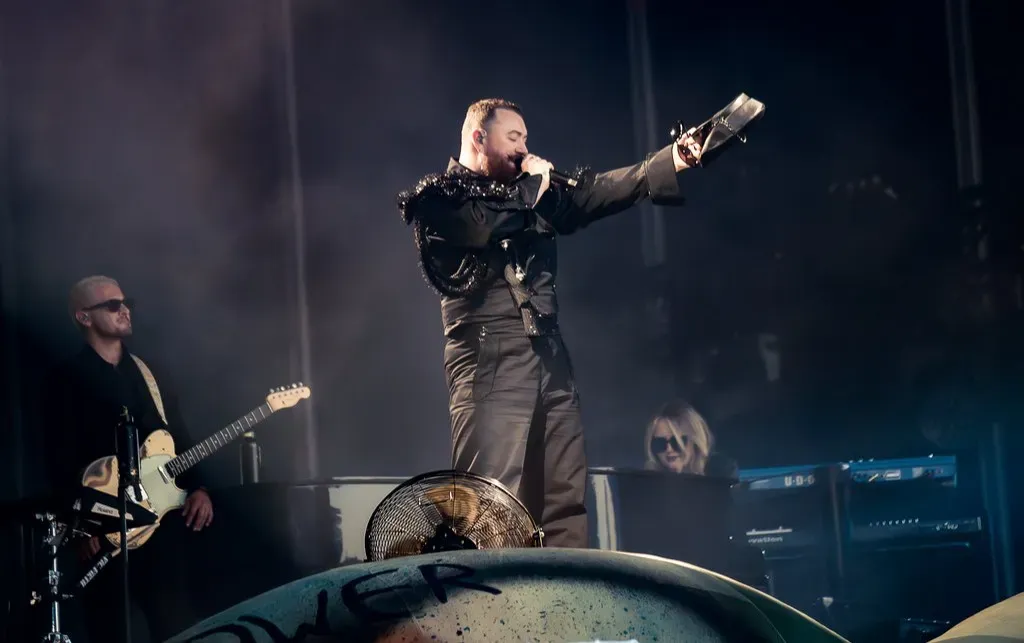
Sam Smith quietly and amicably settled a copyright dispute with Tom Petty after it was revealed that “Stay With Me” bore a strong resemblance to “I Won’t Back Down.” Smith’s representatives stated that the writers of “Stay With Me” had not been previously familiar with the 1989 Petty/Lynne song, and after listening to it acknowledged the similarity, calling the likeness “a complete coincidence.”
Under the terms of the deal, Petty and Lynne were given a 12.5% writing credit on “Stay With Me” and the same proportion of the song’s royalties. “Stay With Me,” which sold four million copies worldwide, won Record of the Year and Song of the Year at the 2015 Grammy Awards. Petty, to his credit, handled the whole affair without bitterness, issuing a statement that described it as a simple musical accident.
Oasis – “Shakermaker” (1994): The Coca-Cola Jingle Connection

Oasis made a huge splash in the summer of 1994 with their single “Shakermaker,” but it wasn’t long before people pointed out that the opening line was very similar to the song “I’d Like to Teach the World to Sing.” Originally written in 1971 for a Coca-Cola advertisement and later a major hit for The New Seekers, the Gallaghers ultimately had to reach a settlement with the writers, with some sources citing a figure in the region of half a million dollars.
Coca-Cola’s lawyers intervened, and Oasis quickly settled. The irony of a band that built its identity on swaggering British cool having to pay out over a soft drink jingle was not lost on music fans at the time. It remains one of the more absurd chapters in Britpop history, and a reminder that even the most confident artists can find themselves in surprisingly embarrassing legal corners.
Partner offer
Planning a trip to Vegas?
Compare hotel rates and show tickets on VEGAS.com.