There’s a moment most musicians describe the same way: waking up with a melody so complete, so foreign-feeling, that they’re convinced they must have heard it somewhere before. The first instinct isn’t pride – it’s suspicion. What songwriters have reported across centuries, from the Baroque era to the present day, is that the sleeping mind occasionally does something the waking mind cannot: it finishes the song.
What follows is a collection of eight melodies that their creators openly attributed to the dream state. These aren’t romanticized myths invented for press releases. Each story is well-documented and has been recounted by the musicians themselves in interviews, biographies, and public appearances. The details are, if anything, stranger than the legend.
“Yesterday” – Paul McCartney (1965)
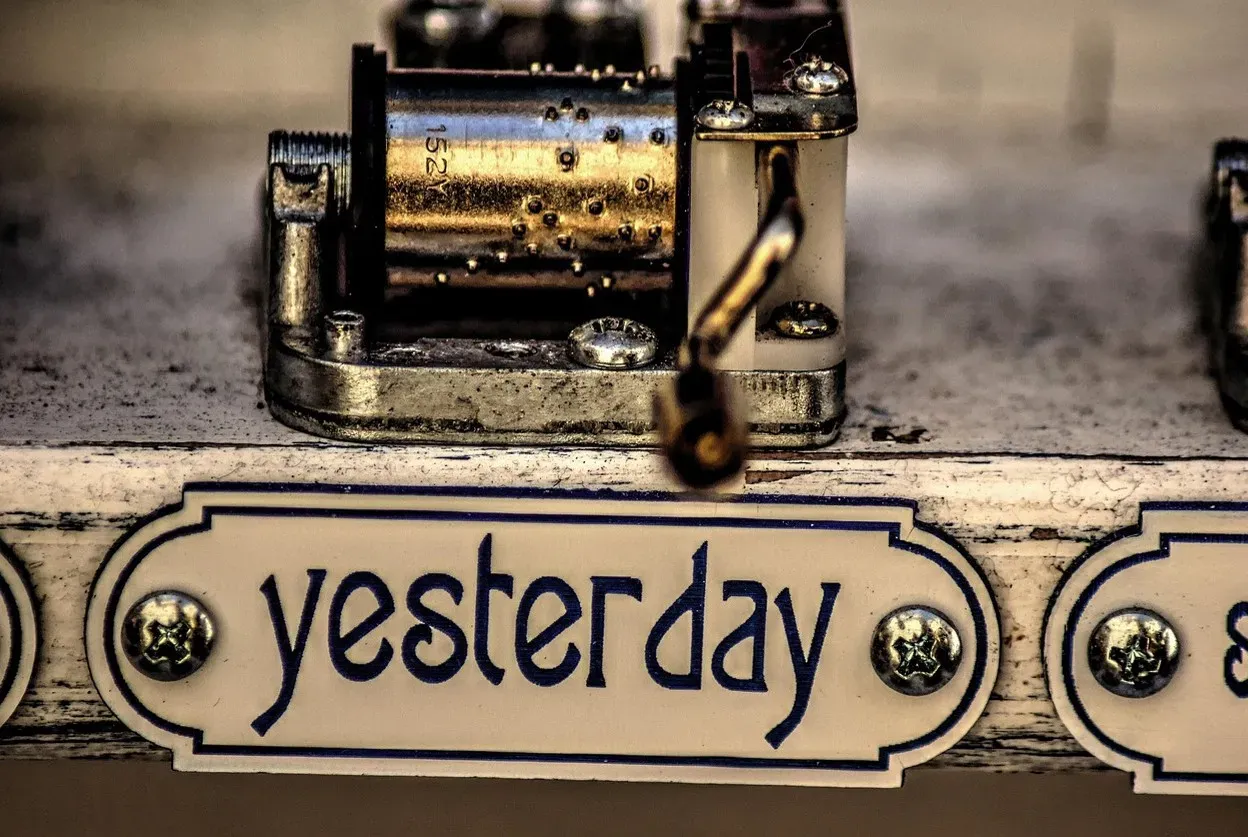
The entire melody came to McCartney in a dream one night in his room at the Wimpole Street home of his then-girlfriend Jane Asher and her family. He woke up with a lovely tune in his head, stumbled to the upright piano next to the bed, and worked out the chords starting from G and moving through F sharp minor seventh.
McCartney awoke, went to the piano, and played the melody for the first time – then spent months asking people if they had heard the tune before, believing he must have unconsciously plagiarized it from someone. Once he confirmed it was original, he began working on lyrics. The song remains one of the most covered in recorded music history, with over 2,200 known versions, and was voted the best song of the 20th century in a 1999 BBC Radio 2 poll, then named the number one pop song of all time by MTV and Rolling Stone the following year.
“(I Can’t Get No) Satisfaction” – The Rolling Stones (1965)

According to Keith Richards, the melody of “(I Can’t Get No) Satisfaction” came to him in a dream, and he quickly got the idea on tape before his post-sleep memory could wipe it from existence. Richards came up with the legendary riff and the words after waking up in the middle of the night and recording it onto a cassette tape before falling back to sleep.
What’s remarkable about this story is its almost comic simplicity. Richards didn’t compose the riff at a rehearsal or through careful craftsmanship – he rolled over, pressed record, played the riff into a small tape machine, and went back to sleep. The story makes you wonder how much brilliance has been lost simply because musicians didn’t have a tape recorder on their bedside table. The resulting song became one of the most recognizable rock recordings ever made.
“Purple Haze” – Jimi Hendrix (1967)

According to an interview with New Musical Express, the idea for “Purple Haze” came to Jimi Hendrix in a dream. Hendrix said he once saw himself “walking underneath the sea” before a purple haze surrounded him, and he said: “I dreamt a lot and I put a lot of my dreams down as songs.” As an ardent reader of science fiction, Hendrix believed his dream was inspired by reading Philip José Farmer’s book Night of Light.
The first lyrics for the song were reportedly “Purple Haze, Jesus saves.” Hendrix maintained the song had nothing to do with drugs, though its kaleidoscopic sound made that claim a difficult one for listeners to accept. The dream origin gives the song an added layer of strangeness: an artist channeling a surreal underwater vision into one of the defining guitar anthems of the 1960s.
“Every Breath You Take” – The Police (1983)
Sting woke up in the middle of the night with the line “Every breath you take, I’ll be watching you” in his head, then went to his piano and wrote the song in 30 minutes. He said: “I woke up in the middle of the night with that line in my head,” and sat down at the piano and had it written within half an hour.
Sting noted the tune was “generic, an aggregate of hundreds of others,” but found the words more interesting, adding that it sounds like a comforting love song and that he didn’t realize at the time how sinister it was – he was thinking about surveillance and control during the Reagan era. That tension between the song’s soft melodic surface and its darker undercurrent is, perhaps appropriately, very much a quality of dreams.
“Let It Be” – The Beatles (1970)

Paul McCartney’s mother Mary died when he was just 14 years old. As The Beatles were on the verge of breaking up, Paul had a dream “between deep sleep and insomnia” about Mary, who reassuringly told him to “let it be.” The next day he started writing the song on his piano. Mary McCartney came to him in a dream and reassured him that everything going on with the creation of the band’s final album and their upcoming demise would end up being okay.
It’s worth pausing on that detail. McCartney was already navigating one of the most painful periods of his professional life when the dream arrived. Amidst the musical outpouring of that period was a simple song of transcendence that seemed to run counter to the rhetoric of the day with the uncomplicated message of “Let It Be.” That simplicity, it turns out, came directly from a mother’s reassurance inside a dream.
“Red Rain” – Peter Gabriel (1986)
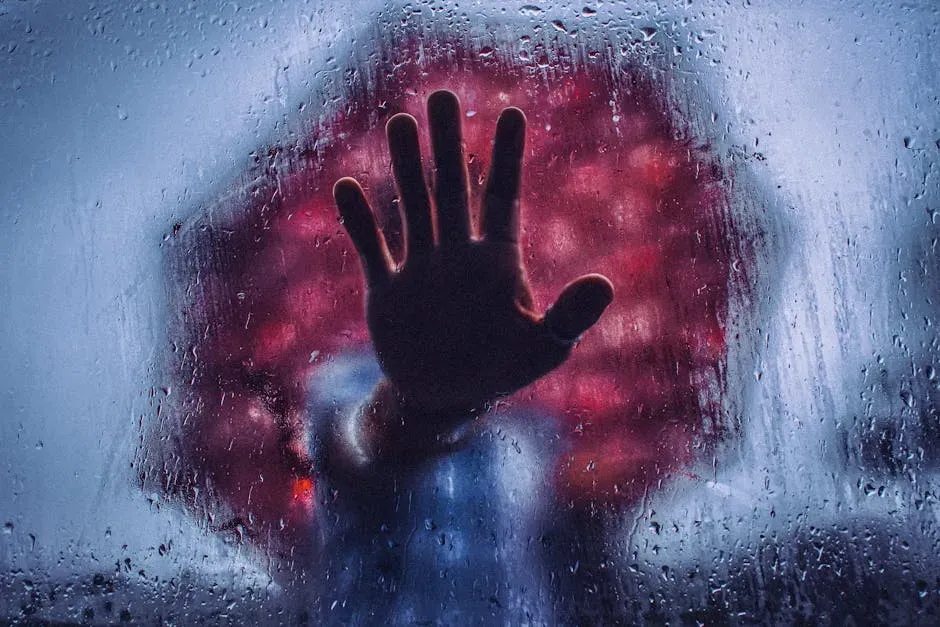
Gabriel described the dream behind “Red Rain” in an interview with Mojo: it involved the sea being parted by two walls, glass-like figures that filled with red blood and were lowered across the sand to unload on the other side. He noted he used to have “extremely vivid dreams that scared the hell out of me.” The inspiration sprang from a series of dreams involving surreal, chilling imagery – waves of crimson water, figures made of glass shattering on impact, floodwaters overwhelming the landscape – and the song’s title and concept grew directly from those nocturnal visions.
“Red Rain” became the first track on Peter Gabriel’s 1986 solo album So, and in the USA it reached number 3 on Billboard’s Mainstream Rock Tracks chart, receiving strong radio airplay and MTV rotation. Gabriel tackled the eerie dream head-on, and although the lyrics remain somewhat opaque, he seems to have turned the crimson storm into something redemptive. Turning a nightmare into an album opener takes a particular kind of nerve.
“La Villa Strangiato” – Rush (1978)

Known for having some disturbing and vivid bad dreams while on tour with Rush, then waking up to share them with his bandmates, guitarist Alex Lifeson had one dream in particular that inspired the 12-part instrumental that became “La Villa Strangiato.” The 12-part instrumental came from Lifeson’s nightmares, and he was known for his vivid bad dreams while the band was on tour, regularly waking up his bandmates to describe them.
Unlike most dream-to-song stories that produce a single melody or lyric, Lifeson’s nightmare generated an entire multi-movement composition with its own internal storyline. The song is broken up into 12 named parts, ranging from “To Sleep, Perchance To Dream” and “Monsters!” to “The Ghost of the Aragon” and “Farewell To Things.” The piece stands as one of the most structurally ambitious works in rock music, built entirely from the architecture of one man’s bad night’s sleep.
The “Devil’s Trill” Sonata – Giuseppe Tartini (c. 1713–1745)

Tartini allegedly told the French astronomer Jérôme Lalande that he dreamed the Devil appeared and asked to be his servant. At the end of their encounter Tartini handed the devil his violin to test his skill, and the devil played with such virtuosity that Tartini felt his breath taken away. When the composer awoke he immediately jotted down the sonata, desperately trying to recapture what he had heard, though despite the sonata’s success with audiences, he lamented that the piece was still far from what he had heard in his dream.
Giuseppe Tartini (1692–1770) was an Italian Baroque composer, violinist, and music theorist who composed more than 100 violin concertos as well as numerous violin sonatas, and was said to possess an outstanding technique whose style of bowing proved highly influential for subsequent generations of violinists. There is something uncanny about the piece that emerged from Tartini’s dream – the wrenching depths of emotion that it enables a wooden box and four strings to convey, and the unsettled feeling you have after hearing it. That the composer considered it his best work, and still felt it was inadequate compared to what he heard while sleeping, remains one of music history’s most haunting footnotes.