Scroll through any movie discussion thread and you’ll find the same complaints resurfacing again and again. Viewers have grown sharper about spotting performance habits that once felt fresh but now read as crutches. Below is a rundown of the acting tendencies that keep drawing groans from moviegoers and critics alike, based on recurring patterns noted across reviews, social media discourse, and industry commentary in recent years.
1. The mumble-core whisper technique
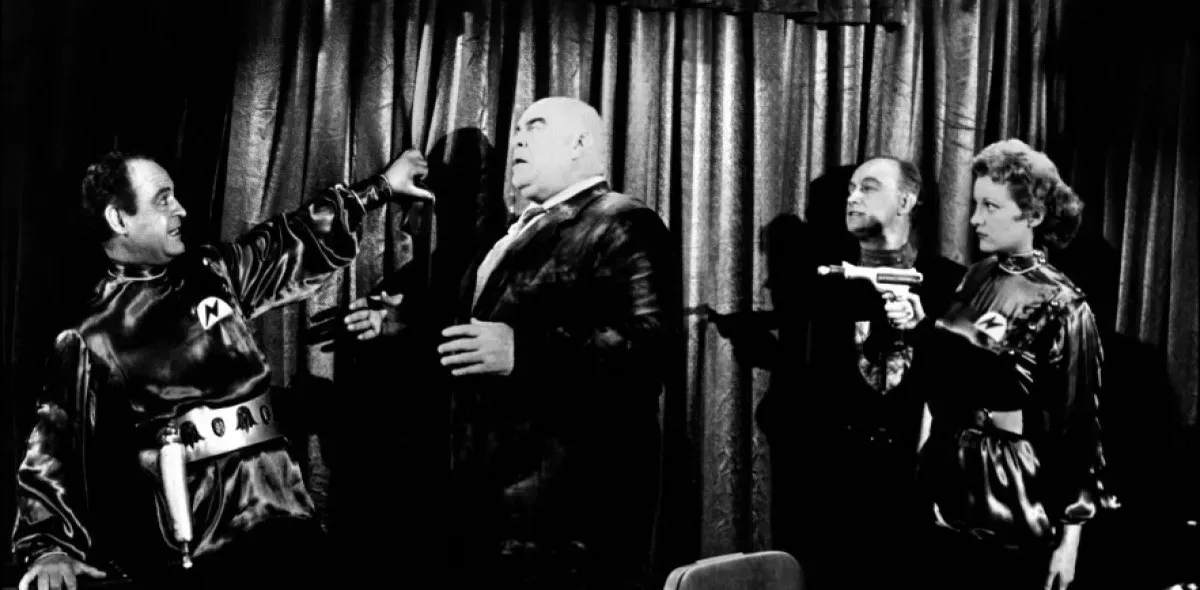
A certain generation of actors seems convinced that dropping their voice to a near-inaudible murmur signals depth and realism. Instead, audiences often end up reaching for subtitles just to follow dialogue in scenes that were never meant to be quiet. This style became particularly noticeable in prestige dramas and superhero films throughout the 2020s, where mixing choices sometimes compounded the problem.
Sound designers and directors have taken some of the blame too, since dialogue frequently gets buried under score and effects. Still, the performance choice itself draws criticism because it can feel like an affectation rather than an honest character decision. When every line comes out as a low rasp regardless of the emotional stakes, it stops feeling like acting and starts feeling like a stylistic tic.
2. The constant crying-on-cue showcase

There’s a difference between earned emotion and a performer visibly straining to produce tears for awards consideration. Audiences have grown skeptical of scenes that seem engineered purely to generate an emotional highlight reel rather than serve the story. This is especially true in biopics and awards-season dramas, where the crying moment sometimes arrives right on schedule, almost like a checklist item.
Critics have pointed out that restraint often reads as more powerful than an overwrought breakdown. A single tear or a controlled quiver can land harder than a full sobbing monologue if the buildup supports it. When the crying feels like it exists to court an award clip rather than the character’s truth, viewers notice, and they tend to say so loudly online.
3. The exaggerated accent overcorrection
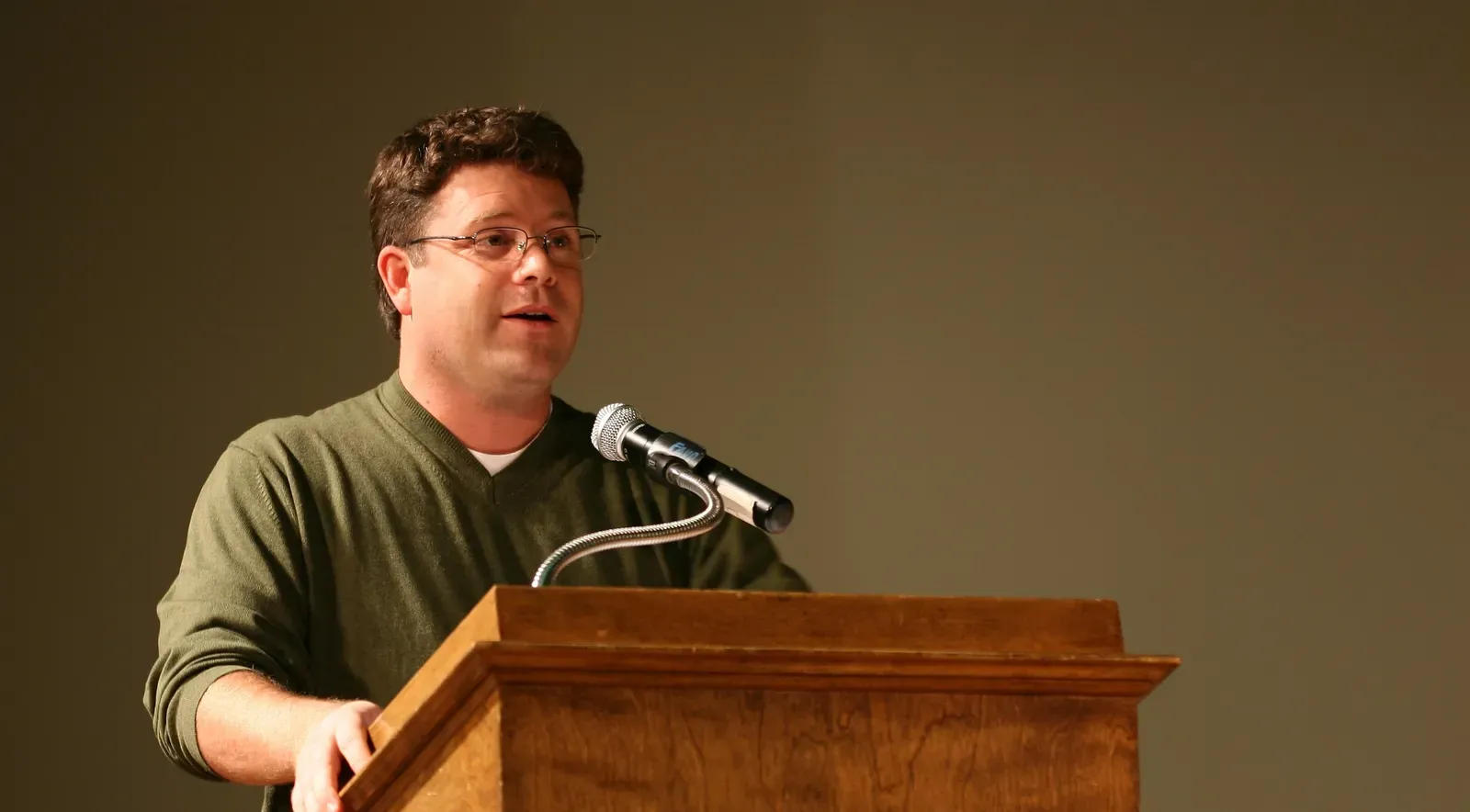
Actors tackling regional or foreign accents sometimes swing so far into caricature that the performance becomes distracting rather than immersive. This has been a recurring talking point regarding period pieces and war films, where accents meant to signal authenticity instead pull focus. Audiences frequently point out inconsistencies, where an accent drifts in and out depending on the scene’s intensity.
Dialect coaches have become more common on productions, yet the criticism persists because the issue isn’t always about accuracy. It’s about believability and whether the actor sounds like a person rather than an impression. When an accent calls attention to itself instead of disappearing into the character, it undermines the very immersion it was meant to create.
4. The one-note action hero delivery
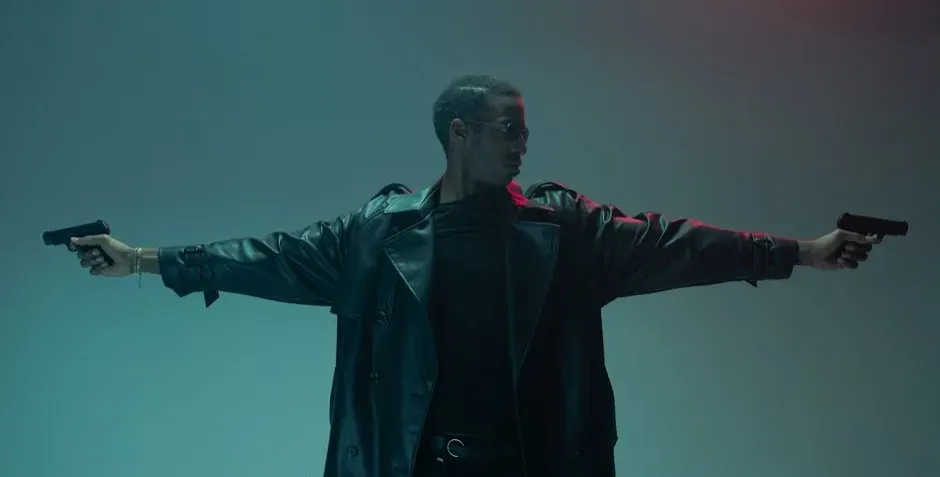
Big-budget action franchises have leaned heavily on a specific type of stoic, quippy delivery that barely shifts regardless of the stakes on screen. Whether the character is facing a minor inconvenience or the end of the world, the tone often stays flat, punctuated by the same dry one-liners. This has become a frequent complaint about the current era of blockbuster filmmaking, where charisma sometimes substitutes for range.
Viewers have noted that this approach can make even talented performers feel interchangeable across different franchises. The same smirk, the same clipped delivery, the same practiced nonchalance shows up whether the actor is playing a spy, a superhero, or a soldier. It’s efficient for marketing purposes, but it leaves little room for genuine surprise in the performance itself.
Partner offer
5. The theatrical over-projection in intimate scenes
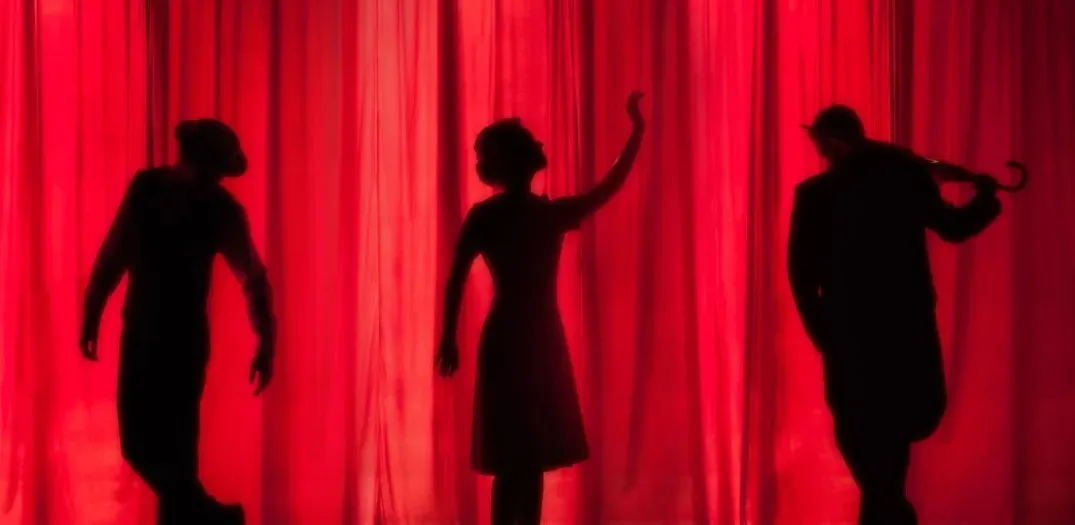
Some performers, particularly those trained heavily in stage acting, bring a projection and physicality suited for a live theater audience into close-up film work. In a medium where the camera captures every micro-expression, that larger-than-life energy can feel jarring rather than powerful. Quiet, one-on-one dialogue scenes suffer the most, since subtlety usually serves the moment better than volume or grand gestures.
This isn’t a knock on theater training itself, since many respected film actors came up through the stage. The issue arises when the transition between mediums doesn’t happen, and the performance never scales down to match the intimacy of the frame. Audiences describe it as feeling like they’re watching a play rather than a film, which breaks the sense of realism many movies aim for.
6. The improvised rambling that overstays its welcome
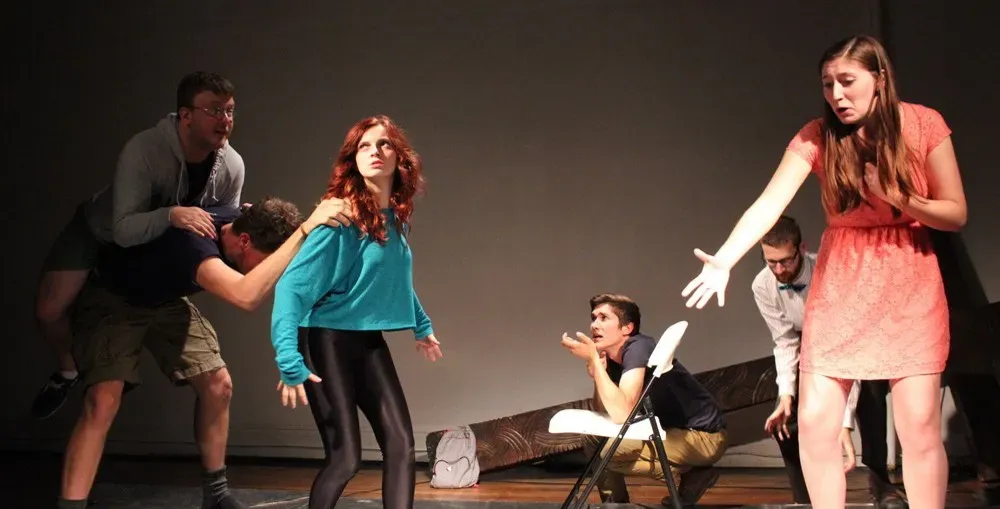
Improvisation has produced some genuinely great comedic moments over the decades, but audiences have started pushing back against scenes that seem to exist purely as a showcase for actors riffing without editorial discipline. Comedy films in particular have faced criticism for pacing issues tied directly to unstructured improv that runs long. What might have felt spontaneous and funny on set can feel bloated and self-indulgent once it reaches the final cut.
Editors and directors share responsibility here, since restraint in the edit bay is where these scenes should get trimmed. Still, the underlying performance style draws criticism because it often prioritizes the actor’s comfort zone over the story’s momentum. When a scene keeps going past its natural punchline just because the improvisation was entertaining to film, viewers feel that indulgence on screen.
7. The manufactured intensity of the method-acting extreme
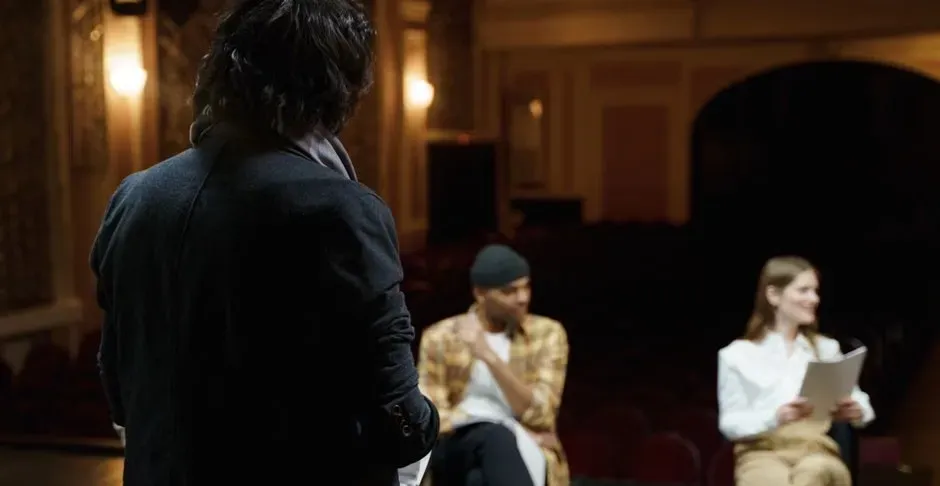
Method acting has a long and legitimate history, but a more performative, publicity-driven version of it has drawn increasing skepticism. Audiences have grown wary of actors who seem more focused on the narrative around their process, extreme physical transformations, staying in character off set, than on the performance itself. This has fueled a broader conversation about whether the method has become more about optics than craft.
Critics have noted that a compelling performance doesn’t require a widely publicized ordeal to be convincing. Some of the most acclaimed screen performances in recent memory came from actors who simply showed up prepared, without turning their process into a marketing angle. When the discussion around a role becomes about suffering for the craft rather than the craft itself, audiences tend to see through it.
8. The flat, disengaged voice work in animation and dubbing

As streaming platforms have expanded animated content and international dubbing work, audiences have become more vocal about voice performances that feel phoned in. This is especially noticeable when high-profile actors are cast primarily for name recognition rather than vocal range or comedic timing. The result can be a flat, uninspired reading that clashes with the animation’s energy and character design.
Dubbing for foreign-language films and shows has faced similar criticism, particularly when studios prioritize speed over matching the emotional tone of the original performance. Viewers who watch both subtitled and dubbed versions often point out the gap directly, noting how much nuance gets lost. As global streaming makes dubbed content more accessible than ever, audiences have become increasingly comfortable calling out lazy voice work when they hear it.
Partner offer
Planning a trip to Vegas?
Compare hotel rates and show tickets on VEGAS.com.