Most of us carry a small mental library of literary quotes. We drop them into conversations, caption photos with them, and occasionally use them to sound more well-read than we feel. The trouble is, a surprising number of those beloved lines have been quietly wrong for decades, passed from person to person like a game of telephone that stretches across centuries.
They are usually shortened or reshaped because simpler versions are easier to remember, repeat, and spread through culture. What gets lost in that process isn’t always just a word or two. Sometimes the author’s entire meaning shifts. Here are eight of the most commonly misquoted lines in literature, and what the writers actually put on the page.
1. Shakespeare’s Hamlet: “Alas, Poor Yorick! I Knew Him Well”
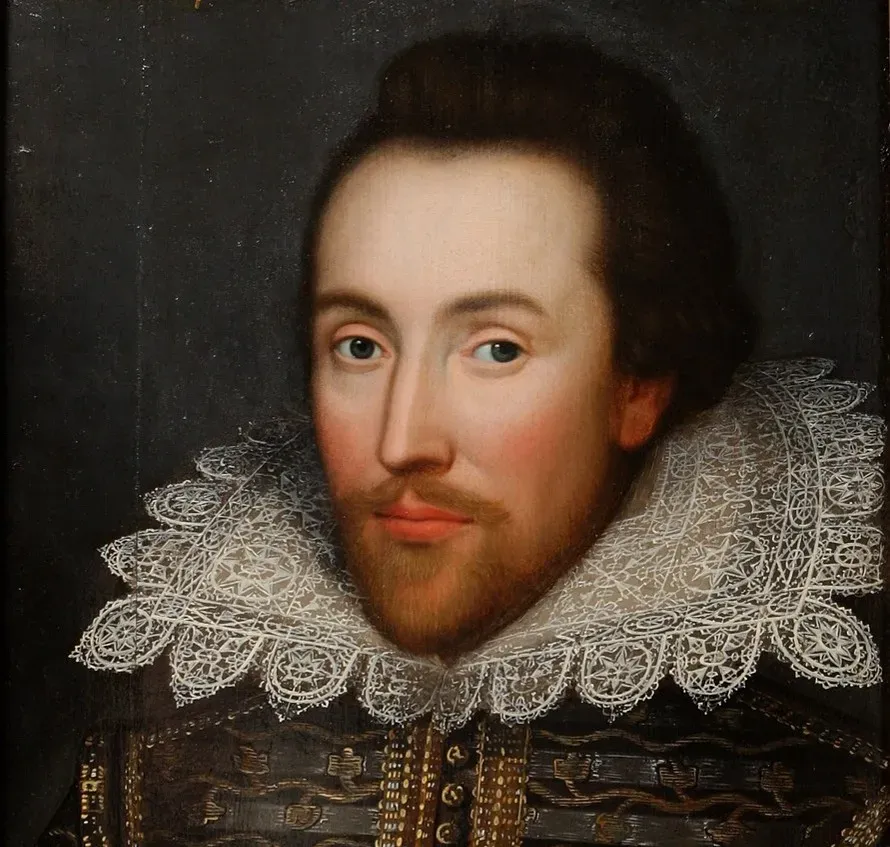
This line is quoted constantly, delivered with theatrical gravity at dinner parties and in school productions alike. The problem is that Hamlet never says “well.” Hamlet’s “Alas, poor Yorick. I knew him, Horatio” is frequently misquoted as “Alas, poor Yorick. I knew him well.” That one dropped name makes all the difference. Horatio is standing right there beside Hamlet as he holds the skull, and the line is addressed directly to him.
The opening of Hamlet’s famous monologue is actually, “Alas, poor Yorick! I knew him, Horatio; a fellow of infinite jest, of most excellent fancy; he hath borne me on his back a thousand times; and now, how abhorred in my imagination it is!” The version most people know strips out the warmth, the humor, and the specific grief of a man speaking to a friend about someone they both loved. It’s a much richer passage than the truncated version suggests.
2. Shakespeare’s Hamlet: “Methinks the Lady Doth Protest Too Much”
This one gets two things wrong at once: the word order and, very often, the meaning. The misquote is “Methinks the lady doth protest too much,” but the original reads: “The lady doth protest too much, methinks.” Queen Gertrude delivers this line while watching a play-within-a-play, and “methinks” lands at the end of the sentence, not the beginning. The rhythm of the line changes completely when flipped around.
Beyond the wording, most modern speakers use the phrase to mean someone is objecting too loudly, suggesting guilt or deception. In Shakespeare’s original context, “protest” carried the older meaning of solemnly swearing or declaring, not complaining. A speaker who actually knows the original text would say “To paraphrase Shakespeare, ‘methinks the lady doth protest too much'” rather than “To quote Shakespeare.” The misquote doesn’t just scramble the words; it shifts the scene’s entire tone.
3. William Congreve’s “Hell Hath No Fury Like a Woman Scorned”
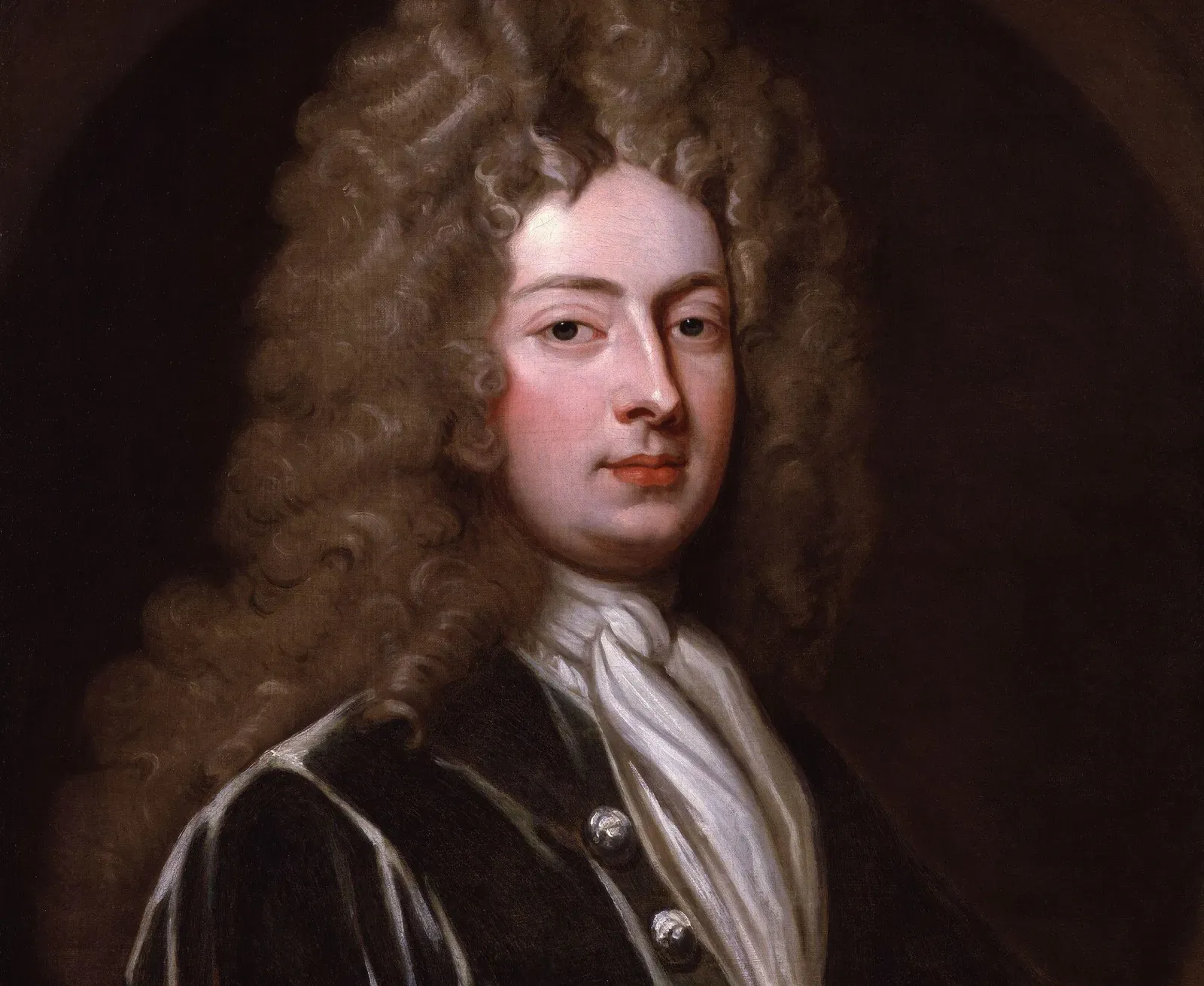
Almost everyone attributes this line to Shakespeare. It sounds like Shakespeare. It has the rhythm and theatricality of the Bard. This one is actually adapted from William Congreve, a late 17th century English writer. He originally wrote, “Heaven has no rage like love to hatred turned / Nor hell a fury like a woman scorned.” Congreve wrote those words in his 1697 play, The Mourning Bride, not in any Shakespearean tragedy.
This line has been condensed over time into a catchier phrase, but Congreve’s original line is more nuanced. The full couplet is actually a parallel construction that pairs heaven’s rage with hell’s fury, which makes the imagery far more symmetrical and intentional than the chopped version implies. Stripping out the first half of the couplet removes the contrast that gives the second half its punch.
4. Mark Twain: “Reports of My Death Have Been Greatly Exaggerated”
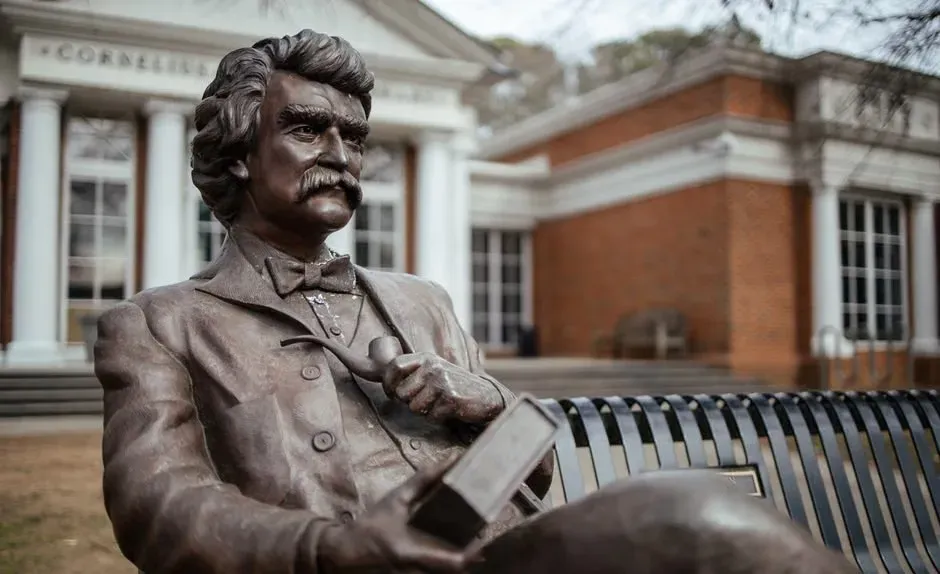
This is one of the most repeated Twain quotes in existence, appearing on mugs, T-shirts, and countless social media posts. The version in circulation is not what Twain actually wrote. The misquote reads “Reports of my death have been greatly exaggerated,” but the original note Twain sent to a reporter in May 1897 read: “The report of my illness grew out of his illness; the report of my death was an exaggeration.” The word “greatly” was never there, and neither was the plural “reports.”
Partner offer
When Twain wrote a response to his rumored death in the New York Journal in 1897, he simply said, “The report of my death was an exaggeration.” The cleaned-up, punchier misquote has almost completely eclipsed the original. It’s a strange irony that one of the most quoted lines by a man famous for precision with language is itself imprecise.
5. Voltaire: “I Disapprove of What You Say, But I Will Defend to the Death Your Right to Say It”
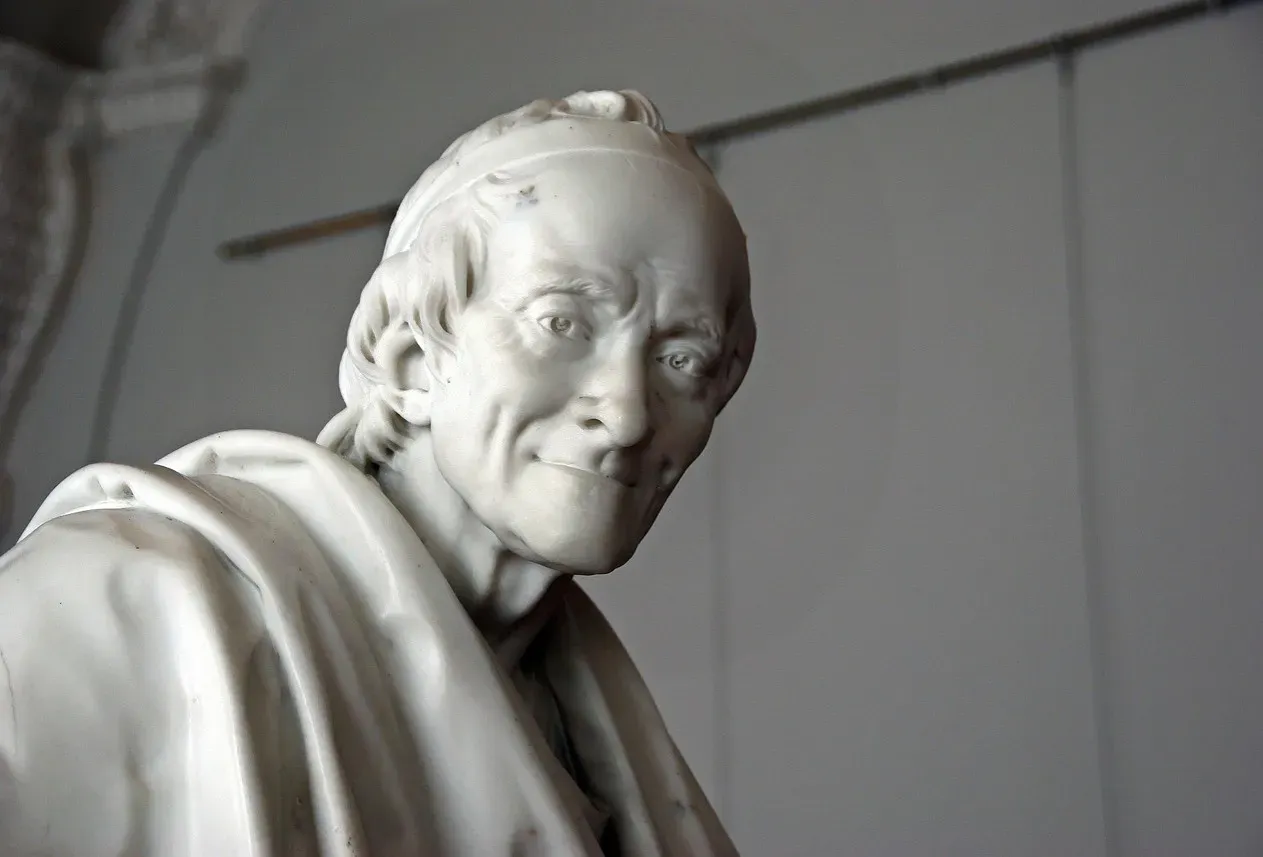
This line has become the defining statement of free speech philosophy and it is routinely attributed to the French Enlightenment writer Voltaire. The catch: Voltaire never wrote or said it. This is not a Voltaire quote but a paraphrase by biographer Evelyn Beatrice Hall, summarizing Voltaire’s views on free speech. Although widely attributed to Voltaire, the line was Hall’s invention. She aimed to capture the philosopher’s stance on tolerance but never claimed it as a direct quote, creating one of literature’s most widespread attributions.
These words weren’t written by Voltaire after all, but were instead a summary of his attitude towards a contemporary by the author S.G. Tallentyre in 1907. Hall, writing under the pen name S.G. Tallentyre, was paraphrasing a sentiment rather than transcribing a statement. Voltaire did hold views broadly consistent with the idea, but the specific, quotable phrasing belongs entirely to his biographer. The quote now lives so independently that correcting its attribution feels almost beside the point.
6. Charles Dickens: “It Was the Best of Times, It Was the Worst of Times”
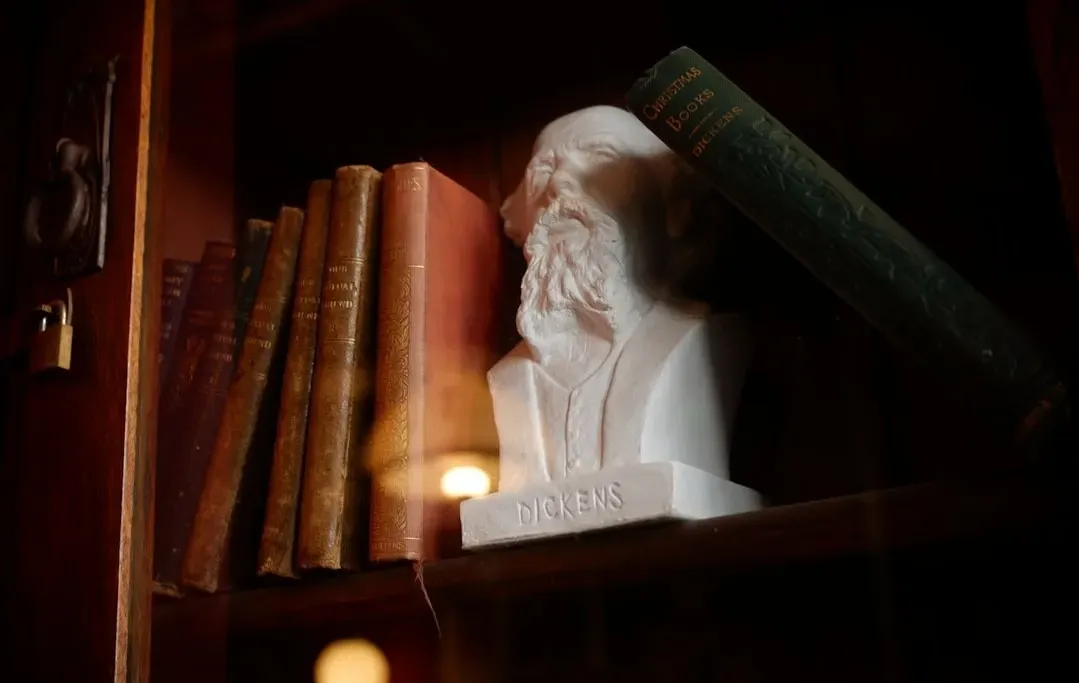
Everyone knows this opening. It appears on posters, in graduation speeches, and in endless articles about turbulent times. What people quote, though, is really just a fragment. Dickens’s novel opens with the famous line, “It was the best of times, it was the worst of times…” While the first two clauses are the most famous, the sentence in its entirety is quite long and comprises the whole first paragraph of the novel. Most people stop after “despair,” which is only about halfway through.
Dickens opens the novel with a sentence that continues: “it was the age of wisdom, it was the age of foolishness, it was the epoch of belief, it was the epoch of incredulity, it was the season of Light, it was the season of Darkness, it was the spring of hope, it was the winter of despair, we had everything before us, we had nothing before us.” The sentence runs on much further still, ending with a pointed comment on how loudly people talk about their own era. Looking back on a turbulent era of history, Dickens was aware that we all tend to claim our current era is the most difficult, the most unsettled, the most interesting. Trimming the sentence to its first two clauses loses that self-aware irony entirely.
7. Samuel Taylor Coleridge: “Water, Water Everywhere, Not a Drop to Drink”
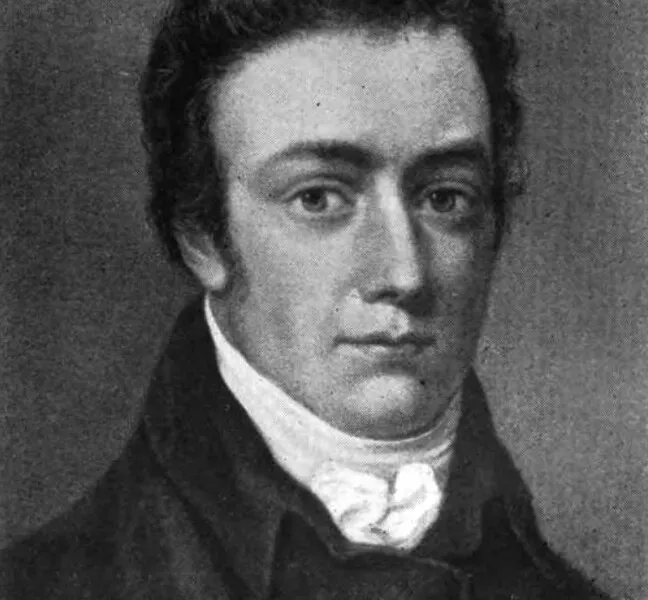
This paraphrase of Coleridge has been repeated so many times that it now lives in the language as a standalone proverb, usually deployed whenever someone faces an abundance of something useless. The famous line “Water water everywhere, not a drop to drink” has its origins in Coleridge’s masterpiece. However, that’s not quite what the poet wrote. Among its most memorable lines is the desperate cry, “Water, water everywhere, / Nor any drop to drink.” The word “nor” is the detail that almost always goes missing.
The misquoted “not a drop to drink” simplifies the line but misses the lyrical rhythm of Coleridge’s original, which conveys the irony of being surrounded by undrinkable water in a hauntingly poetic way. “Nor” is an archaic and literary construction that gives the line a formal, mournful weight. “Not” flattens it into plain speech. The quote appears in Part IV of The Rime of the Ancient Mariner, a crucial turning point in the narrative. The Mariner, having shot the albatross, is now suffering the consequences of his impulsive act. His ship is becalmed, the sun scorches the deck, and his crew is dying of thirst. That context makes the poetic precision of “nor” feel even more deliberate.
8. Arthur Conan Doyle: “Elementary, My Dear Watson”
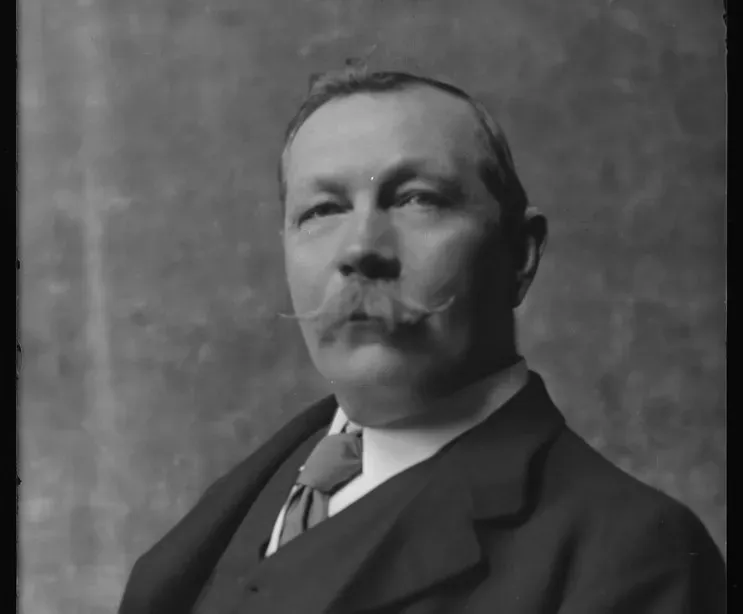
Few lines feel more inseparable from their character than this one. It is the quintessential Sherlock Holmes moment: the detective, coolly superior, explaining his deduction to a baffled Watson. This expression doesn’t appear in the original Sherlock Holmes stories by Sir Arthur Conan Doyle, and first turns up in literature in a novel by P. G. Wodehouse. Doyle simply never wrote the combined phrase at any point in the entire canon.
For many who never read Arthur Conan Doyle’s famous book series, this phrase is most commonly associated with Sherlock Holmes. But Doyle never wrote that phrase in any of his novels. The fictional detective did say “elementary” and “my dear Watson” separately from time to time, but their combination was a later invention. Hollywood and theatrical adaptations merged the two expressions into a single, perfectly memorable line. Misquotes survive because they’re catchier and more dramatic. Repeated in films, media, and everyday speech, they eventually feel like the “real” version. Holmes himself would likely appreciate the irony of a false impression becoming, for most of the world, the truth.
Partner offer
Planning a trip to Vegas?
Compare hotel rates and show tickets on VEGAS.com.