
Music criticism has a complicated relationship with the new. When a genre arrives with unfamiliar sounds, strange social associations, or an audience outside the mainstream, the instinct of established critics is often resistance. They reach for the language of dismissal: too crude, too shallow, too loud, too mechanical. History has a habit of proving them spectacularly wrong.
Across the past century, some of the most generationally defining genres in existence were received at birth with contempt or indifference. The genres that now fill stadiums, dominate streaming platforms, and shape fashion, language, and identity were once considered noise. What critics missed, again and again, is that culture doesn’t wait for approval.
Rock and Roll: Moral Panic in 3/4 Time
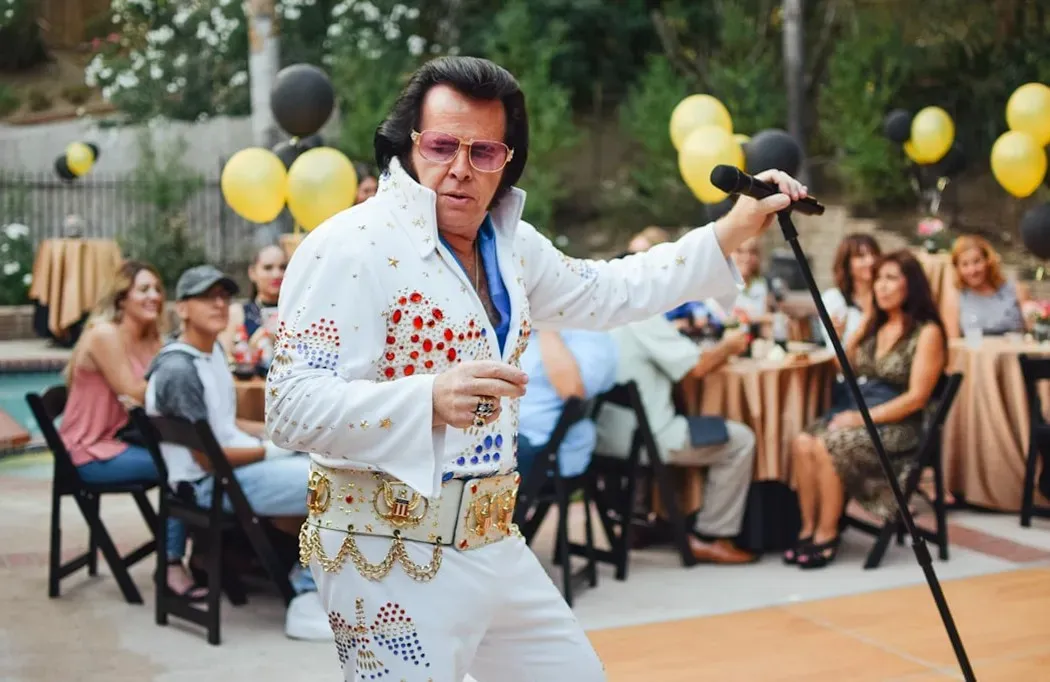
Early rock and roll faced considerable backlash. Conservative elements of society frequently objected to the sexual innuendo in the lyrics and the provocative dance moves, while some critics argued that the music caused rebellious, destructive, or otherwise dangerous behavior. The genre was treated less as an artistic development and more as a public health problem.
Television critics denounced performances as vulgar, and on Elvis Presley’s famous 1956 appearance on the Ed Sullivan Show, cameras filmed him only from the waist up. One critic for the New York Daily News wrote that the music “has reached its lowest depths in the ‘grunt and groin’ antics of one Elvis Presley.” Despite all of that, Presley built a massive following almost instantly, and rock and roll became the defining sound of an entire generation’s adolescence.
Hip-Hop: Dismissed as a Fad, Became a Global Culture

Initially dismissed as a fad, rap music proved its commercial viability in 1979 with the release of the Sugarhill Gang’s “Rapper’s Delight,” and then again in 1980 with Kurtis Blow’s “The Breaks,” a Top 5 hit that eventually went gold. For most mainstream critics, it was still a novelty act, a curiosity without longevity.
From its origins in the Bronx to its global influence today, hip-hop has always been rooted in culture. Producers in this genre often respond to social and political realities, using beats, samples, and sonic textures to support messages about identity, inequality, and resistance. By February 1990, nearly a third of the songs on the Billboard Hot 100 were hip-hop, a figure that would have seemed impossible to the critics who once called it a passing trend.
Heavy Metal: Noise That Spoke for the Dispossessed

Critics in 1970 basically rolled their eyes at Black Sabbath’s debut album, calling it gloomy, repetitive, and musically unsophisticated. Yet Ozzy Osbourne, Tony Iommi, Geezer Butler, and Bill Ward were cooking up something entirely new: heavy metal. Their down-tuned, crushing guitar sound created a blueprint that millions of bands would follow for decades.
Entire communities that had once relied on secure factory work found themselves plunged into unemployment. The promise of the post-war boom gave way to austerity and alienation. For working-class youth, opportunities shrank while frustration grew. Heavy metal emerged as an outlet, a visceral cry against social betrayal. The cultural establishment rarely recognized this context. Instead, critics mocked heavy metal as crude, simplistic, and unserious.
Disco: Burned in a Stadium, Reborn as House Music

Initially ignored by radio DJs who saw it as an underground fringe movement, disco ultimately transcended racial and sexual identity, was embraced by celebrities, and eventually broke into the mainstream. Critics dismissed the genre as shallow, overproduced, and mindless. Those complaints masked deeper anxieties: about integration, about feminism, about sexual freedom.
Disco Demolition Night was immediately and widely interpreted as the symbolic death of disco in the American mainstream. Record labels and radio executives, terrified by the vehemence of the backlash, immediately began to pivot. Disco artists were dropped, and radio formats shifted rapidly back toward rock, punk, and the emerging sounds of New Wave. The death of disco, however, ushered in other forms of dance music, like house, hi-NRG, techno and eventually EDM.
Punk Rock: Too Raw to Take Seriously, Too Important to Ignore
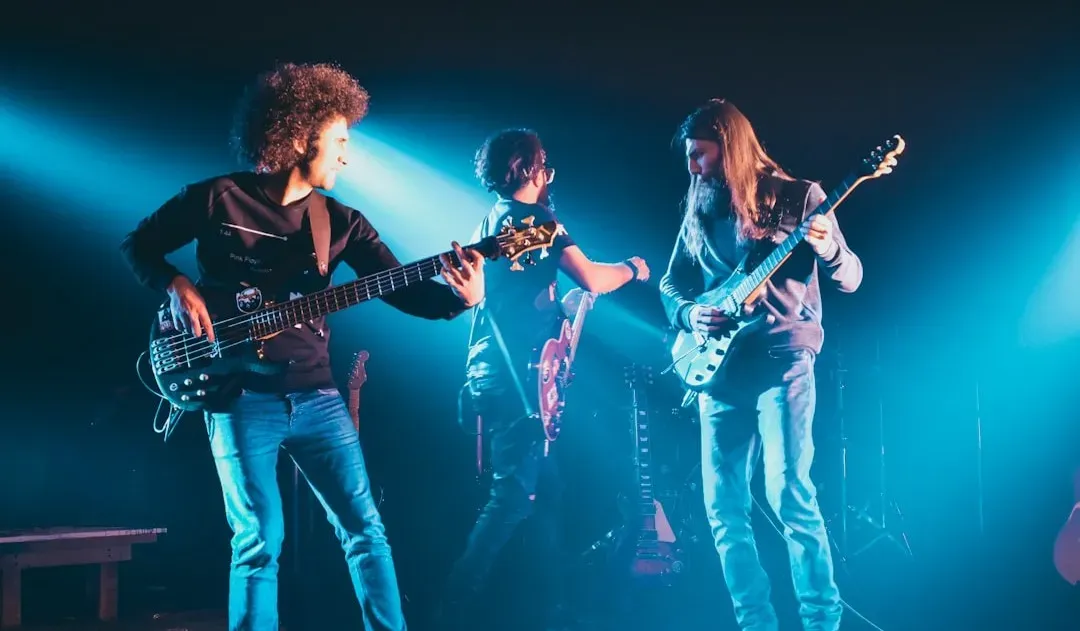
Punk rock emerged in the mid-1970s. Rooted in 1950s rock and roll and 1960s garage rock, punk bands rejected the overproduction and corporate nature of mainstream arena rock. They typically produced short, fast-paced songs with rough, stripped-down vocals and instrumentation and anti-establishment themes. Artists also embraced a DIY ethic, with many bands self-producing and distributing recordings through independent labels.
The critical establishment largely had no idea what to do with it. One of the first books about punk rock, published in late 1977, declared the movement to be already over, with a subtitle that called it “the obituary of rock and roll.” That assessment aged poorly. By the mid-to-late 1980s, these bands had largely eclipsed their punk rock and post-punk forebears in popularity and were classified broadly as alternative rock, a diverse set of styles unified by their debt to punk rock and their origins outside the musical mainstream.
Progressive Rock: Loved by Millions, Despised by Gatekeepers
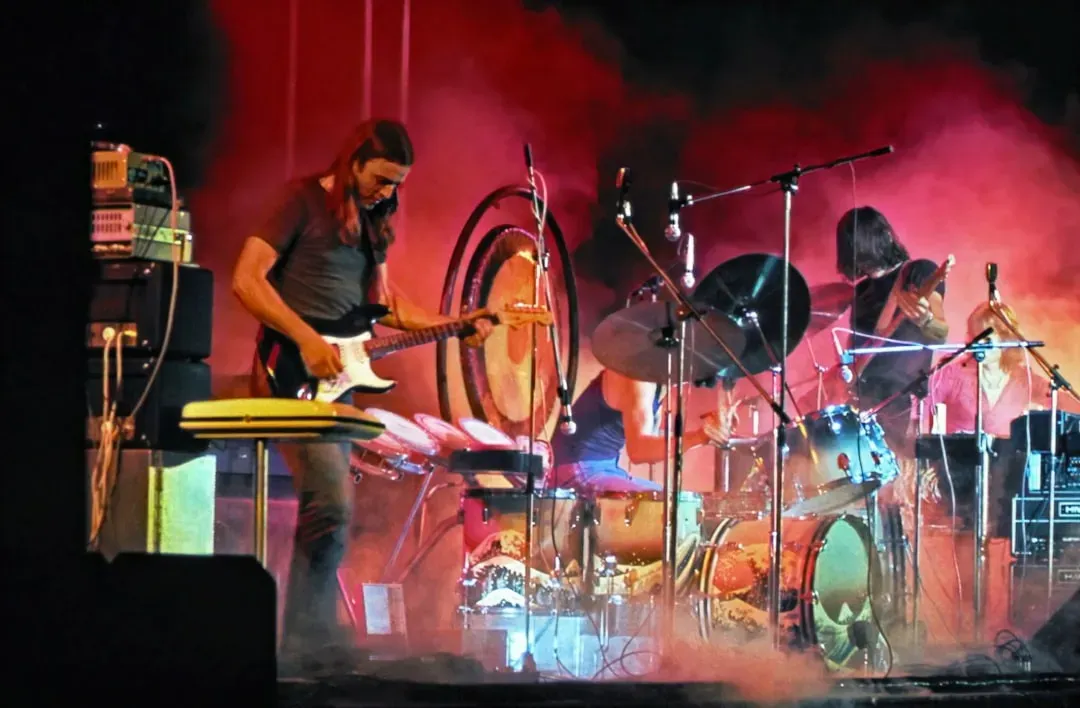
Music critics, who often labelled the style of progressive rock as “pretentious” and the sounds as “pompous” and “overblown,” tended to be hostile towards the genre or to completely ignore it. The desire to expand the boundaries of rock, combined with some musicians’ dismissiveness toward mainstream rock and pop, dismayed critics and led to accusations of elitism. Its intellectual and apolitical lyrics, and shunning of rock’s blues roots, were seen as abandonments of the very things many critics valued in rock music.
The genre experienced a high degree of commercial success during the early 1970s. Between them, the bands Jethro Tull, ELP, the Moody Blues, Yes, and Pink Floyd had five albums that reached number one in the US charts, and sixteen that reached the top ten. Critics and audiences were clearly operating in different worlds. The fans showed up regardless, building a global fanbase that has proven remarkably durable over five decades.
Soul Music: Born from “Sacrilege,” Became a Standard

When Ray Charles recorded “I Got a Woman” in 1955, he reworded a gospel tune, drawing criticism that the song was sacrilegious. Despite the objections, Charles’s style caught on with other musicians, and his experimentation with merging gospel and R&B resulted in the birth of soul music. What was condemned as a corruption of sacred material became one of the most beloved American art forms of the twentieth century.
The mass migration of Southern Black individuals to urban areas during the early twentieth century brought the blues to the North. Influenced by their new urban setting, migrant musicians incorporated new styles, including vaudeville and swing, into their music. Muddy Waters began playing electric guitar to make himself heard in Chicago clubs and inadvertently created a new style known as Chicago blues. Each of these moments involved an audience ready to receive something new before any critic was willing to name it as significant.
Electronic and House Music: The Genre That Refused to Stay Dead

After Disco Demolition Night, the number of disco songs on the Billboard Top 10 went from six to zero in over eight weeks. US record labels had to look elsewhere, and DJs were forced to explore new mixing approaches to create dance music. Early DJ innovators such as Frankie Knuckles, Larry Levan, DJ Ron Hardy, and others played a pivotal role in evolving disco into early house music.
Genres like hyperpop and lo-fi hip-hop show how internet culture can lead to the creation of entirely new sounds. Hyperpop embraces distortion, glitch effects, and pitch-shifted vocals, reflecting digital chaos and experimental identity. Electronic music went from a genre critics called soulless and machine-made to one that now encompasses some of the most commercially dominant and artistically ambitious music on earth. The machines, it turned out, could feel.
The Pattern Critics Keep Missing
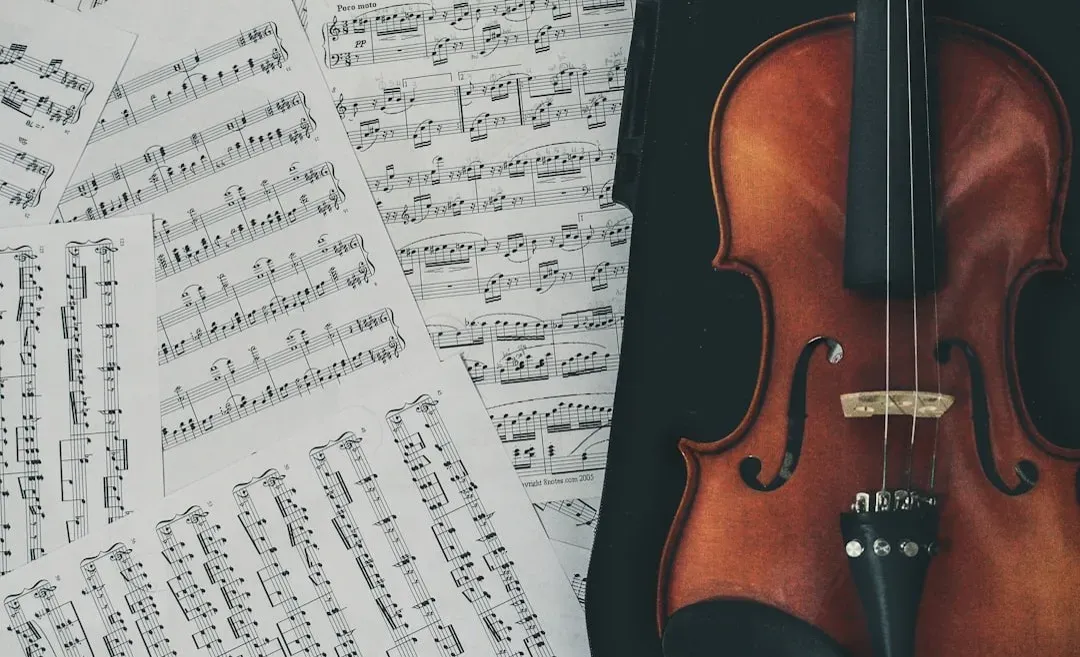
Attitudes of popular music critics can be analyzed to identify various “exhaustion” narratives that arise whenever rock and pop splinter into a new multitude of genres and sub-genres. Criticism might better serve audiences by focusing less upon narrow, nostalgic treatments of canonical music and more upon a narrative of replenishment, one in which the labyrinthine nature of the contemporary musical landscape is central.
Music critics have a long, proud history of being gloriously late to the party. A band or genre shows up with a new sound that doesn’t fit the neat little boxes everyone is attached to, and the first reaction is often a polite version of “absolutely not.” The generations that grew up with hip-hop, with metal, with house music, with punk, didn’t need a review to tell them what mattered. They already knew. The critics, eventually, caught up.