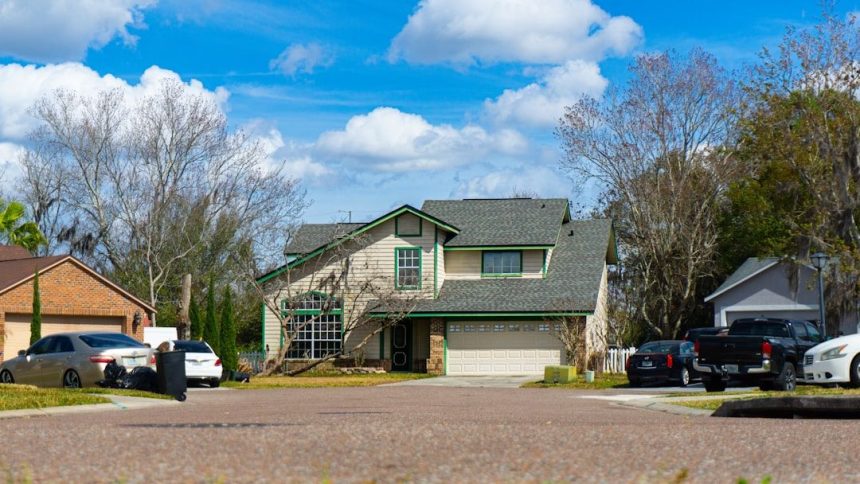
There’s a quiet corner of Henderson, Nevada, where the streets curve inward, the kids still play outside, and the neighbors actually know each other’s names. Cul-de-sacs. They feel timeless, even nostalgic. But right now, in 2026, they’re also becoming something else entirely: almost impossible to buy into.
What’s happening in Henderson’s cul-de-sac pockets isn’t random. It’s the collision of a national housing deficit, rock-bottom seller motivation, surging population growth, and a very specific kind of suburban desirability that is nearly impossible to replicate or replace. The story behind the vanishing inventory is more layered than most people realize. Let’s dive in.
Henderson’s Hot Market: Prices That Tell the Real Story

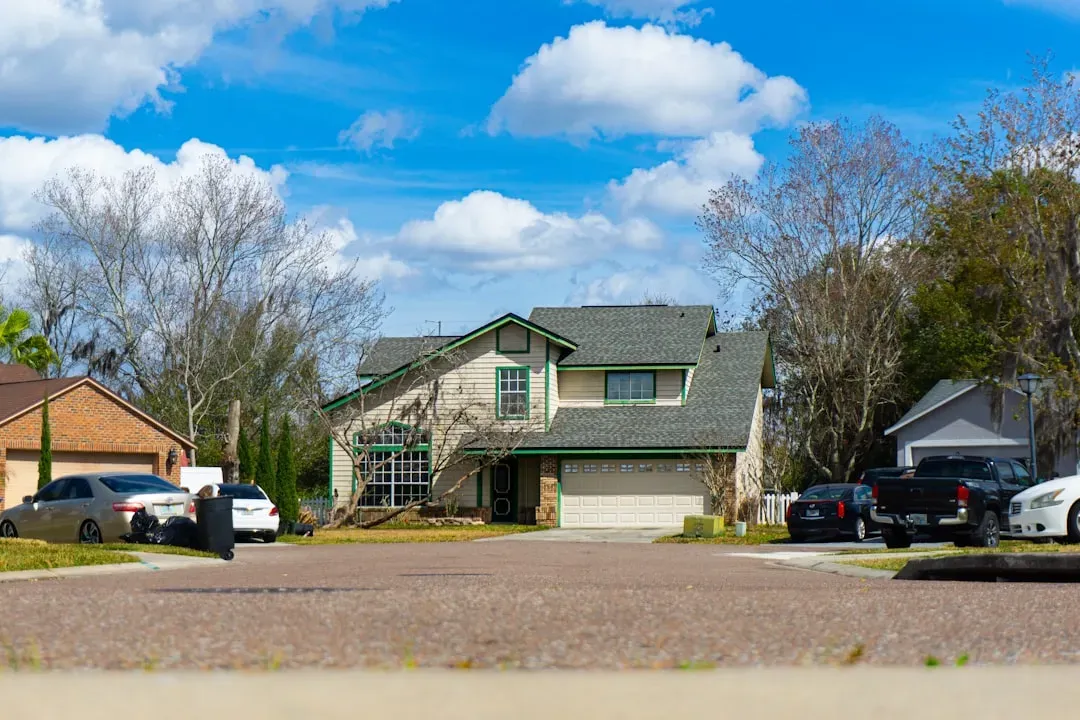
In January 2026, Henderson home prices were up 0.4% compared to the previous year, selling for a median price of $495,000. That number sounds almost modest until you zoom out and realize what it represents: years of relentless demand baked into a single figure. Honestly, it’s remarkable that prices have held this firm even as mortgage rates stayed elevated.
The median sale price of homes in Henderson reached $483,000 in October 2024, reflecting a modest 1.7% year-over-year increase, with the median sale price per square foot climbing to $268, a 5.5% increase compared to the previous year. That’s the kind of detail most headlines skip. When the price per square foot rises faster than the headline price, it tells you that competition is intensifying on a granular level.
The median home price for a home in Southern Nevada hit record highs near the end of 2025, approaching $490,000. For buyers hunting specifically in cul-de-sac communities, where premium lot positioning typically commands additional cost, the real number they’re facing is often even higher than those already-impressive metro medians.
Base prices in new developments are frequently a starting point only, with lot premiums ranging from $20,000 to $80,000 for corner, view, or cul-de-sac positions. Think about that. You could pay nearly six figures just for the privilege of living at the end of a quiet loop. That’s how much people value the cul-de-sac experience.
The Lock-In Effect: Why Sellers Simply Won’t Sell


Here’s the thing about the inventory crisis in Henderson’s suburban pockets. A big part of it has nothing to do with demand. It has everything to do with the fact that existing homeowners have almost no financial incentive to leave.
With nearly 60% of existing homeowners holding mortgage rates below 4% as of October 2023, this scenario not only discourages homeowners from refinancing or selling their homes, but also restricts the supply of homes for sale and keeps prospective homebuyers on the sidelines. This phenomenon, where homeowners are hesitant to move because the interest rate on their existing mortgage is significantly lower than rates currently available in the market, is known as the mortgage rate lock-in effect.
Research from the Federal Housing Finance Agency found that for every percentage point that market mortgage rates exceed the origination interest rate, the probability of sale is decreased by 18.1%, with mortgage rate lock-in leading to a 57% reduction in home sales with fixed-rate mortgages in late 2023. Let that number sink in. More than half of potential sales effectively evaporated.
According to research from the Federal Housing Finance Agency, the lock-in effect reduced home sales nationally by 1.7 million between 2022 and 2024. That’s not a local Henderson problem. That’s a structural freeze happening coast to coast. Researchers also estimated that the 2022 lock-in shock reduced time on market by 29% and increased house prices by 8%.
Since 2023, mortgage rates have hovered in the range of 6.5 to 7.5 percent, levels not seen since the late 1990s. For someone sitting comfortably in a cul-de-sac home with a 3% mortgage, trading that stability for a 7% rate would mean paying hundreds more every single month. Why would anyone do that unless they absolutely had to?
The National Deficit: Henderson Is Fighting a Much Bigger Battle

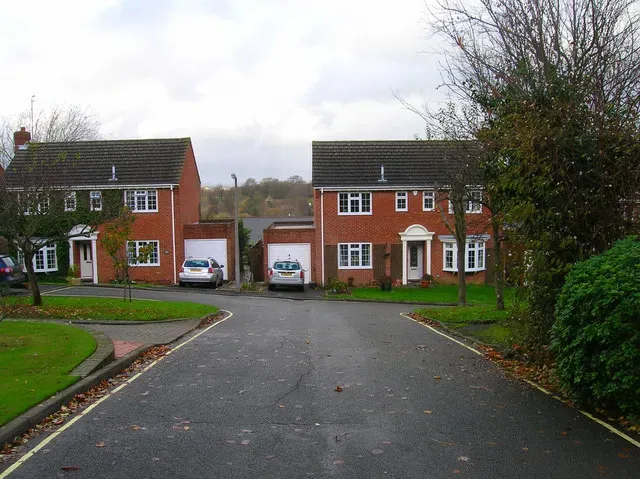
You might think the inventory shortage in Henderson is a local quirk. It isn’t. Henderson is simply experiencing, in sharp focus, a crisis that is playing out across the entire United States.
The housing market continues to be plagued by a shortage of units for rent and for sale, with Freddie Mac estimating the housing shortage at 3.7 million units as of the third quarter of 2024. That deficit is the backdrop against which every local story, including Henderson’s, plays out. It’s a bit like trying to fill a bathtub while someone left the drain wide open.
According to Freddie Mac, in the third quarter of 2024 the U.S. faced a shortfall of 3.7 million housing units, a nearly 50% increase since 2018, yet despite this pressing shortage, only 1.36 million new housing starts were reported for 2024, down from 1.42 million reported for 2023. The construction industry simply cannot keep up. It never has.
The root cause of decreased housing affordability is the fact that housing supply has not increased enough to match demand, with inadequate housing supply causing homeowners and renters to bid up the sale price and rent of available housing, which puts a squeeze on affordability. When you place cul-de-sac homes on top of this national deficit, scarcity becomes near-absolute.
New construction has not been fast enough to meaningfully ease the housing shortage, with housing starts falling 11.4% month-over-month in March 2025, and many experts anticipating new construction to be further hampered by tariffs and labor shortages. The pipeline, in short, is nowhere near large enough.
Southern Nevada’s Population Surge: More Buyers, Fewer Homes

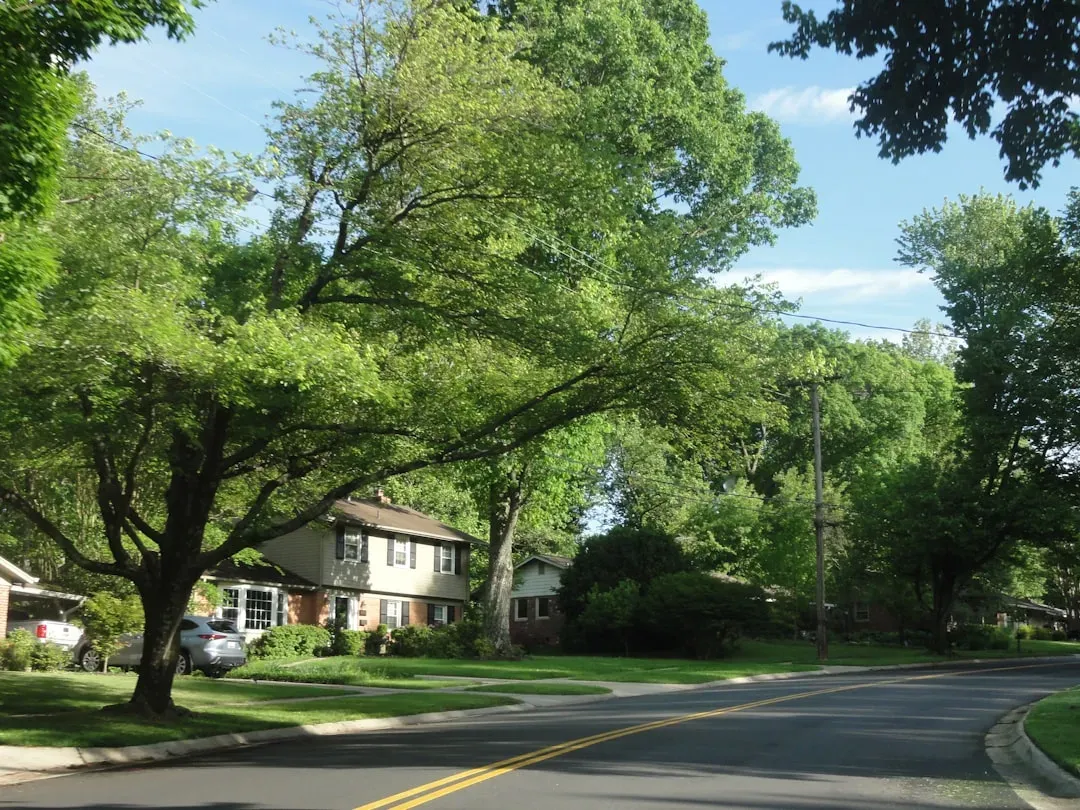
Even if the lock-in effect suddenly vanished tomorrow, Henderson would still face a demand problem. The city is simply one of the fastest-growing urban communities in the country.
Population growth in the Henderson area is running at roughly 8.2% annually, compared to the U.S. average of just 0.8%, making it a primary demand driver in the regional housing market. That gap is staggering. Henderson is growing at more than ten times the national pace. Every one of those new arrivals needs somewhere to live.
The region is also a corporate relocation hub, with tech, logistics, and hospitality companies choosing Las Vegas and Henderson for business expansions. These aren’t just workers looking for a studio apartment. Corporate relocations often bring families, higher incomes, and a clear preference for established, desirable suburban neighborhoods, exactly the kind of pockets where cul-de-sacs concentrate.
In Nevada, the federal government owns about 85% of the land, and there has been an ongoing debate about whether more of it should be sold for housing. That geographic constraint is real and profound. You cannot simply build outward when most of the land around you is federally owned. It’s the ultimate scarcity backstop.
Henderson’s appeal centers on schools, which are among Nevada’s highest-rated, proximity to employers along the 215 Beltway, and lower crime rates than metro averages. These aren’t trivial advantages. They’re exactly what families moving from California or the Pacific Northwest are chasing, and cul-de-sac neighborhoods deliver all of them at once.
Supply Still Below Comfort Zone: The Months-of-Inventory Problem

One of the cleanest ways to understand a housing market’s balance of power is the “months of inventory” figure. It tells you how long it would take to sell every available home at the current pace of sales. And in Henderson and the broader Las Vegas Valley, that number has been flashing warning signs.
Buyer activity in the Las Vegas and Henderson market increased sharply in early 2026, pushing the number of homes sold from 1,550 to 2,050 transactions, which reduced months of available housing supply from 4.45 months to 3.35 months, signaling that homes are being absorbed faster than new listings are hitting the market. A balanced market typically requires five to six months of supply. Henderson keeps falling short of that threshold.
Partner offer

Nationally, available inventory of existing homes has remained too low to meet demand, with just a 4-month supply, while 5 or 6 months is typically required for a balanced market. The implication is clear. Sellers retain enormous negotiating power, especially in niche micro-markets like cul-de-sac communities where comparable homes are rare.
Inventory in Henderson is particularly tight at the entry level, with under 3 months of supply for homes below $400,000. The squeeze at the bottom end of the market pushes aspirational buyers upmarket, adding pressure to mid-tier cul-de-sac homes that might otherwise see moderate competition. Everyone ends up competing in the same shrinking pool.
In December 2025, Southern Nevada had just 3.5 months of inventory on the market, down from 4.6 months in November, though still up 29.5% compared to December of the previous year, which had only 2.7 months of supply. Progress, yes. Sufficient? Not yet. Not even close.
Institutional Investors: The Hidden Force Shrinking Cul-de-Sac Supply

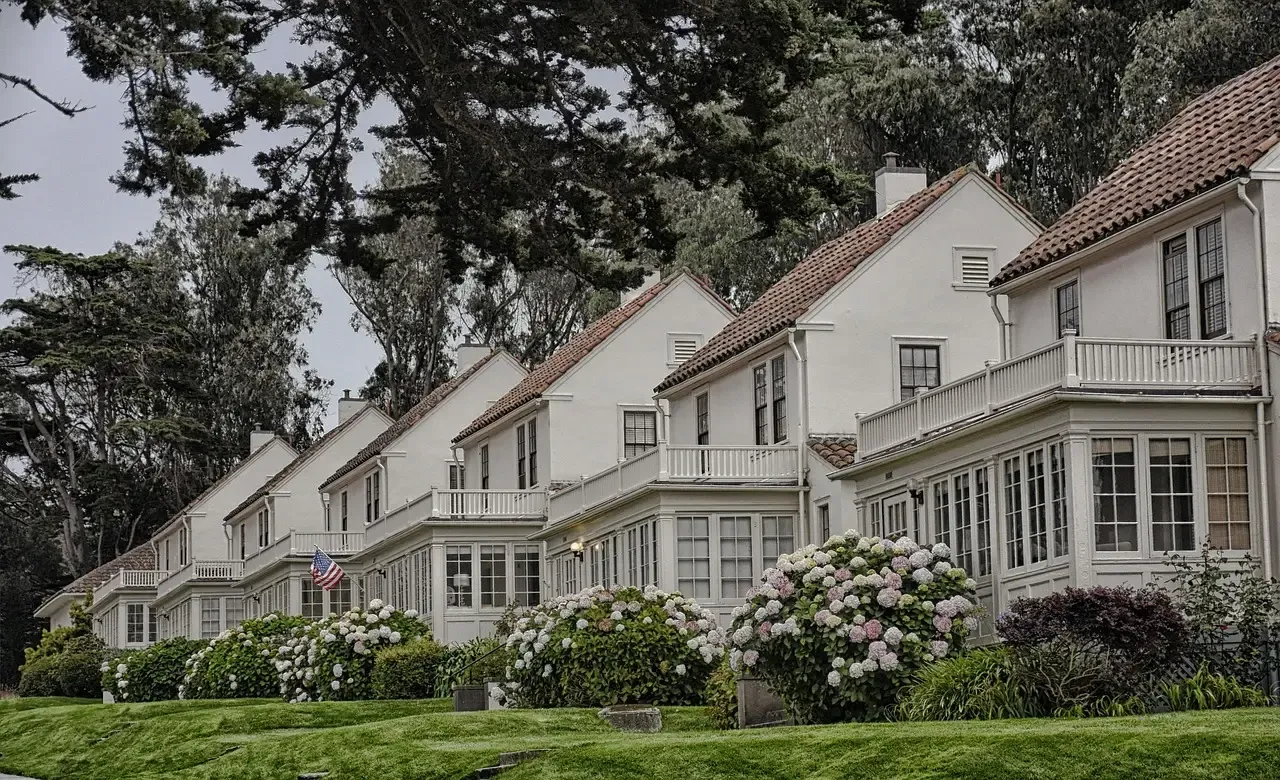
There’s another layer to this story that doesn’t get enough airtime. A significant portion of desirable Henderson suburban homes, including single-family residences in established communities, aren’t available for sale because they’re being held as long-term rentals by institutional and individual investors.
While hedge fund and institutional investor activity has slowed compared to peak periods of 2021 to 2022, their presence in the Las Vegas housing market remains significant. These large-scale investors are no longer acquiring homes at the aggressive pace seen in previous years, yet the vast inventory they already hold continues to act as a stabilizing force, with many properties kept off the resale market as long-term rentals, limiting active supply and supporting current home values.
Single-family rental inventory in Clark County includes roughly 80,000 or more investor-owned homes, with institutional ownership representing about 14% of total stock. That’s a massive chunk of potential inventory that is effectively invisible to buyers looking for a home to purchase. Homes that could be listed, aren’t. And the cul-de-sacs, with their privacy and premium positioning, are disproportionately attractive to investors who understand what renters want.
Build-to-rent developments, which are entire subdivisions designed for rental rather than sale, are expanding in outer Henderson, adding professional management and stabilized supply. This is a fascinating and somewhat troubling trend. Communities that visually look like ownership neighborhoods are, in practice, permanently rental. It further reduces the number of homes that could ever come to market.
I think it’s worth being honest about the tension here. Investors are not villains. They provide rental housing that many people genuinely need. Still, their presence in this market has a real, measurable effect on how little inventory is available for buyers who actually want to own.
Construction Bottlenecks: Why Building More Isn’t Simple
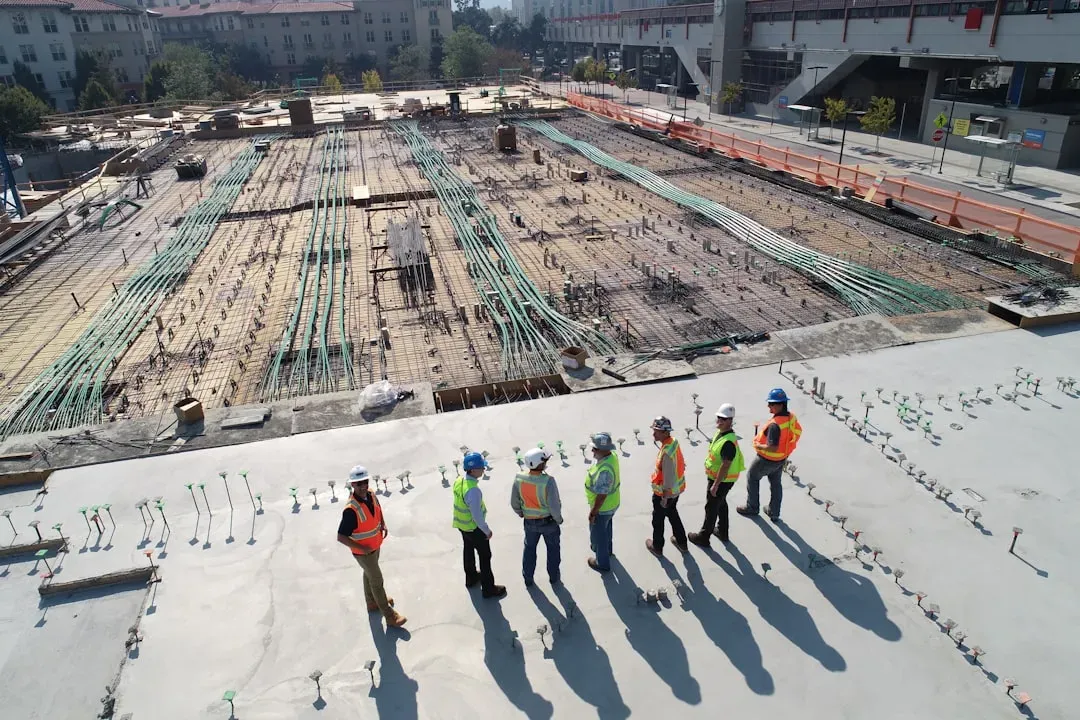
You might wonder why developers don’t just build more cul-de-sac communities in Henderson if demand is so high. The answer is that it’s genuinely complicated, and it’s more expensive than people expect.
The pace of new construction has not been fast enough to meaningfully ease the housing shortage, and housing starts fell 11.4% month-over-month in March 2025, according to the U.S. Census Bureau. Starts are falling at the exact moment they should be rising. That paradox captures the construction industry’s current squeeze perfectly.
Timeline realities in new construction include permits, inspections, material delays, and labor shortages that build buffer into every estimate, with builders quoting delivery windows rather than hard dates. A cul-de-sac lot is not something you can simply pour a foundation on and be done in six months. The complexity multiplies. The cost of engineering a proper cul-de-sac street layout, with its shared infrastructure and specific geometry, adds expense that builders pass directly to buyers.
Many experts anticipate new construction to be hampered by tariffs and labor shortages in the near future. In 2026, this concern feels less hypothetical and more immediate. Supply chain disruptions, escalating material costs, and a persistent shortage of skilled construction labor are all squeezing builders who might otherwise race to meet Henderson’s unmet demand.
A 2025 Regional Transportation Commission of Southern Nevada inventory showed that there are more than 78,000 acres across urbanized Southern Nevada that are vacant or underutilized. There is land. The problem is that converting that land into complete, amenity-rich suburban communities, with the infrastructure that families expect, takes years and enormous capital. It’s a slow fix to a fast-moving problem.
What the Future Holds: Pressure, Prices, and Patience

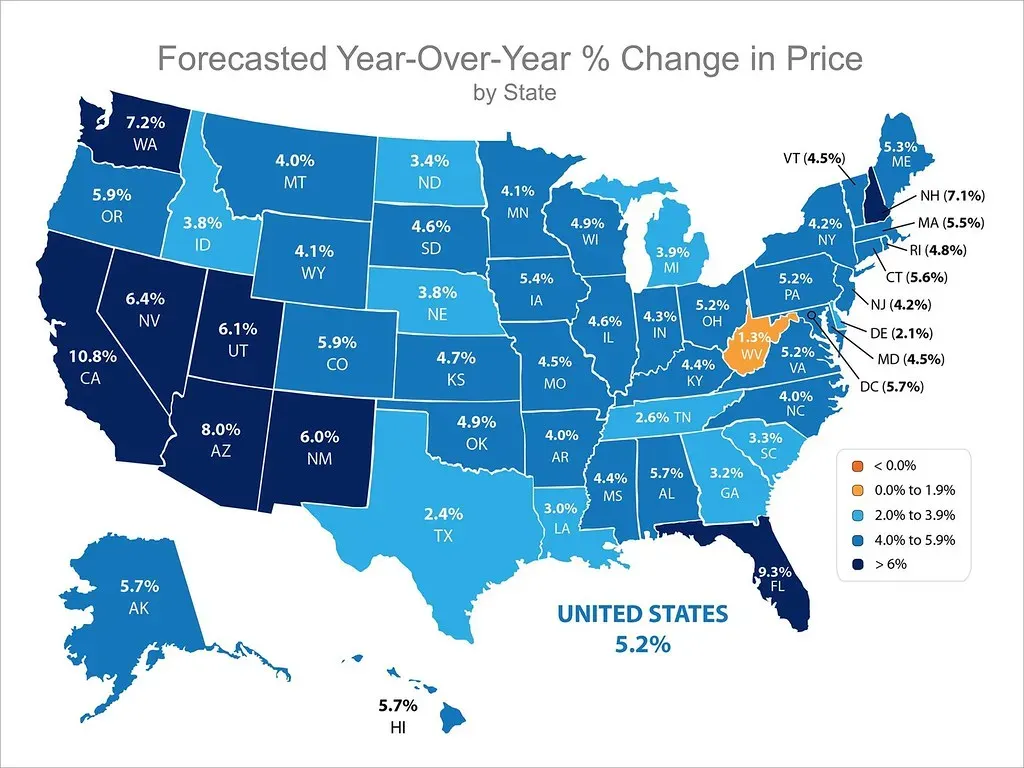
So where does this all leave the buyer eyeing a cul-de-sac home in Henderson? Let’s be real: the short-term picture is not going to get dramatically easier. Too many forces are aligned against rapid relief.
Predicted annual appreciation for Henderson homes runs at 3 to 5% per year, with the median price expected to reach $505,000 to $520,000 by the end of 2027, driven by continued corporate relocations, population growth, and limited land supply. Price relief is not part of the forecast. Cul-de-sac premiums will continue to compound on top of those baseline numbers.
In early 2025, sale prices of existing homes rose 2.7% from the previous year, marking an all-time high for that period and the 21st consecutive month of year-over-year increases, according to the National Association of Realtors. Twenty-one consecutive months. That’s not a blip or a temporary spike. That’s a structural shift in the pricing floor of American housing, and Henderson sits squarely within that trend.
The U.S. housing crisis can be described as overwhelming demand confronting chronically insufficient supply, stemming from two primary factors: the lock-in effect, which has kept existing homeowners from selling, and a construction sector failing to keep pace with demand. The lock-in effect can be solved either because mortgage rates fall or because of the changing needs of families. Life events matter here. Divorces, job relocations, retirements, growing families. These are the real catalysts that bring cul-de-sac homes to market. Not economics alone.
Nevada’s state legislature approved a housing initiative that expands the definition of affordable housing, provides loans and grants for new construction, and gives first responders, teachers, and other essential workers up to $20,000 for a down payment. Policy is trying to catch up. It’s hard to say for sure whether these programs will move the needle fast enough for buyers searching for that specific, quiet, curved street today.
Conclusion: The Cul-de-Sac as a Metaphor for Everything Wrong with Housing Supply

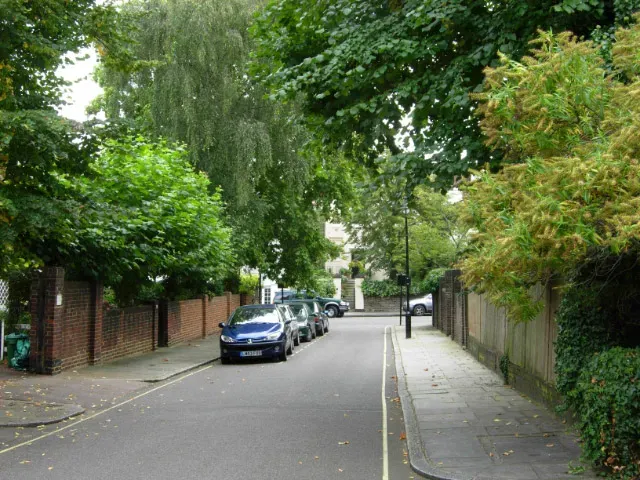
The cul-de-sac is more than a street design. It’s a symbol of something millions of Americans want but increasingly cannot access: stability, community, privacy, and a place where the pace of life slows just a little. In Henderson, the forces conspiring to keep those homes off the market are powerful, interconnected, and stubbornly persistent.
The lock-in effect keeps current owners frozen in place. The national shortage of nearly 4 million homes creates a deficit that no amount of local construction can quickly reverse. Population growth keeps demand relentless. Institutional investors quietly absorb homes that might otherwise list. Construction bottlenecks prevent the pipeline from filling fast enough. Every one of these forces pulls in the same direction: fewer homes, more competition, higher prices.
The buyers who will succeed in Henderson’s cul-de-sac pockets are those who stay informed, act decisively when something comes to market, and resist the temptation to wait for conditions to ease substantially. The data, from Freddie Mac to Redfin to the Federal Reserve, suggests that meaningful relief is not arriving any time soon.
Is the American suburban dream still achievable in Henderson? Yes. But it’s going to cost you, in money, patience, and persistence. What would you be willing to sacrifice to live at the end of that quiet loop? Tell us in the comments.
Partner offer
Planning a trip to Vegas?
Compare hotel rates and show tickets on VEGAS.com.