Walk into any major casino on the Las Vegas Strip and something subtle shifts almost immediately. The air is a certain temperature. There are no clocks. The sounds are layered, designed, never accidental. Most people chalk it up to atmosphere. Neuroscience tells a different story. What happens inside a casino floor is not simply entertainment. It is a precisely engineered interaction between a physical environment and the brain’s most ancient motivational circuitry. The dopamine system, evolved over millions of years to help humans find food and avoid danger, gets pulled into a loop it was never designed to handle.
The Mesolimbic Pathway: Where the Loop Begins
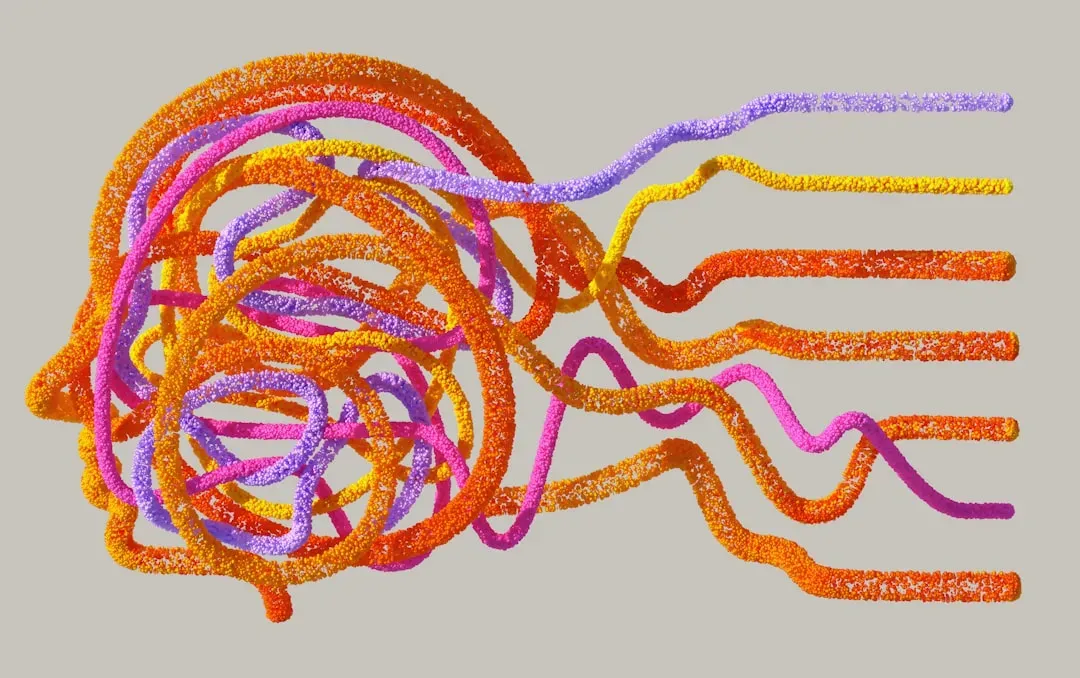
In the middle of the cranium, a series of circuits known as the reward system links various scattered brain regions involved in memory, movement, pleasure, and motivation. This network, called the mesolimbic pathway, is the biological engine behind how humans experience desire and satisfaction.
The brain’s reward system, primarily mediated by the mesolimbic pathway, plays a central role in gambling addiction. This system is designed to reinforce behaviors essential for survival by releasing pleasurable chemicals, most notably dopamine.
Dopamine released in the nucleus accumbens, a mesolimbic region in the brain, magnifies the attractiveness of rewards and conditioned cues. Mesolimbic dopamine transforms neutral cues into conditioned cues when they come to reliably predict reward delivery. In the casino context, the sound of coins, the flash of lights, even the carpet pattern can become those cues over time.
Dopamine and the Thrill of Anticipation

Casino games trigger dopamine release not just on wins, but on near-wins, anticipation of potential wins, and bonus feature activations. The dopamine system does not distinguish between a real reward and the possibility of one. This creates a self-reinforcing loop: play triggers anticipation, anticipation triggers dopamine, dopamine reinforces the behavior that caused the anticipation.
This feature explains why behaviors such as gambling are addictive and emphasizes the role of reward anticipation, and thus the anticipatory dopamine response, in addiction development. It is not the win itself that hooks people. It is the moment just before.
The concept of reward anticipation plays a crucial role as a trigger for dopamine release in the brain, going a long way towards determining and establishing player behaviors over time based on the outcome of such activities. This is why casinos are designed to keep people in a constant state of “almost.”
The Variable Reward Schedule: B.F. Skinner’s Accidental Blueprint
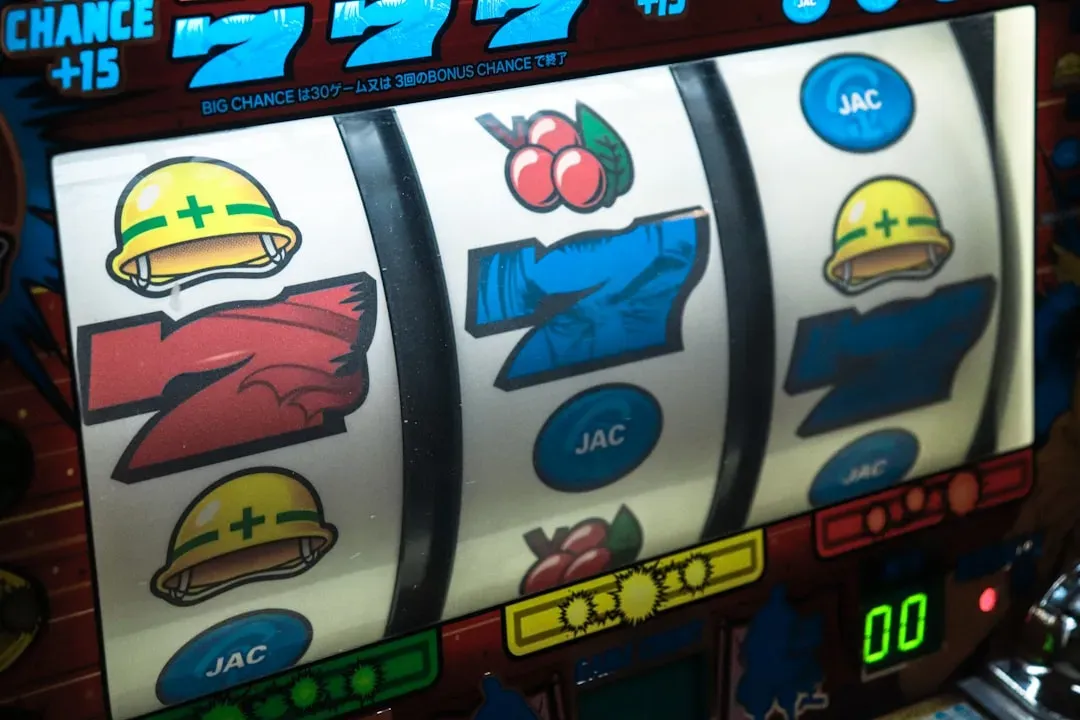
The slot machine rewards you on what psychologists call a variable ratio schedule, which means that you get rewarded after an unpredictable number of responses. Unlike a fixed ratio schedule, the variable ratio schedule is uniquely resistant to extinction, meaning that a behavior rewarded in this way is difficult to stop.
Slot machines exploit a psychological phenomenon called the scarcity loop, combining three elements: the opportunity to win something of value, unpredictable rewards where players don’t know when or how much they’ll win, and quick repeatability where players can immediately try again, spinning the reels on average sixteen times per minute.
B.F. Skinner demonstrated that rewards delivered on an unpredictable schedule produce the strongest, most persistent behavioral response. Slot machines are the purest commercial application of this principle. What Skinner observed in pigeons, casino designers refined for humans over decades.
Casino Architecture as a Neurological Tool

Casino design plays on the senses. In a study carried out in 2006 around aromas, certain smells wafted through the ventilation system increased play in slots by 46%. That single finding illustrates just how aggressively the environment is tuned to bypass conscious decision-making.
By shunning clocks and windows, the casino disrupts your sense of time. We use time cues to organize our days and evaluate our behavior. In their absence, we are trapped in an endless present. If time doesn’t pass, it’s never time to go home.
The great guru of casino design is a man named Bill Friedman. A reformed problem gambler himself, he spent decades conducting careful observational studies of effective casino design, culminating in a detailed text on the subject. He described the power of the curved entryway, and also prescribed other physical elements to increase the cash yield of a casino, including taking advantage of a property called “mystery,” long known by environmental psychologists to increase the appeal of a place.
Near-Misses: Losing That Feels Like Winning
Near-miss design is a powerful psychological technique used in casino game design. By creating a sense of anticipation and excitement, near-miss experiences can increase betting frequency and encourage players to continue betting. According to a study by the University of Cambridge, near-miss experiences can activate the brain’s reward system, releasing dopamine and creating a feeling of pleasure and excitement.
A study published in the Journal of Gambling Studies found that near-miss experiences can increase betting frequency by up to roughly thirty percent. That is a significant behavioral shift driven entirely by an outcome that is, technically, a loss.
Near misses and losses disguised as wins in slot machines trick our brains into feeling like we’re winning, even when we’re actually losing. The brain registers the pattern, not the result. That distinction is the core of how the loop sustains itself even through repeated financial losses.
Tolerance and the Blunting of the Reward System

Over time, the brain’s response to dopamine changes. In chronic gamblers, studies show that the dopamine system becomes less sensitive to rewards, a phenomenon known as tolerance. As a result, individuals may gamble more frequently or take greater risks to achieve the same level of satisfaction, perpetuating the cycle of addiction.
Partner offer
A 2005 German study using a card game suggests problem gamblers, like drug addicts, have lost sensitivity to their high: when winning, subjects had lower than typical electrical activity in a key region of the brain’s reward system. The highs flatten. The lows remain. Still, the urge to play intensifies.
Furthermore, gambling addiction alters dopamine-related circuits involved in decision-making and impulse control. This contributes to the inability of individuals to resist gambling urges despite knowing the negative consequences. The rational mind knows the math. The dopamine system has different priorities.
Gambling Disorder: The Scale of the Problem
The NGAGE 3.0 findings, from an April 2024 survey, confirm the need for a comprehensive system of care for the estimated 2.5 million adults likely to suffer from gambling disorder, as well as the 5 to 8 million more who exhibit some problematic behavior. These numbers make gambling disorder one of the most common behavioral addictions in the country.
The number of states with operational sportsbooks grew from just one in 2017 to 38 in 2024. Total sports wagers skyrocketed from around five billion dollars in 2017 to over one hundred and twenty billion dollars in 2023, with the vast majority of wagers during 2023 placed online. The casino environment no longer requires a trip to Vegas.
According to the National Council on Problem Gambling, approximately 5 million Americans meet the criteria for compulsive gambling. Yet only about eight percent of these individuals will ever seek help. That gap between need and care is one of the more sobering facts in the public health data.
The Vegas Environment Beyond the Strip: Digital Clones

Social media platforms now employ variable reward schedules that mirror those found in slot machines. The unpredictable nature of likes, comments, and shares creates the same psychological tension that keeps gamblers pulling levers. Push notifications are timed and crafted using principles derived from studying how casinos keep players at tables for hours. The red notification badges on our phones trigger the same anticipatory responses that light up a gambler’s brain when they hear the sound of coins dropping.
Michael Easter, in widely discussed reporting, describes how slot machines use a “scarcity loop” of rewards to hook people, a tactic also used by social media, gig economy apps, and tech companies. The Vegas model has escaped the desert.
This systematic application of gambling psychology to digital technology has created unprecedented levels of device dependency. The average smartphone user now checks their device over 150 times per day, with many of these interactions lasting only seconds, just long enough to trigger a small dopamine release before the cycle begins again. This pattern of frequent, brief interactions mirrors the rapid-fire engagement patterns that casinos have long recognized as indicators of problematic gambling behavior.
Genetics and the Uneven Playing Field

Genetic predisposition plays a significant role in the development of gambling addiction. Studies suggest that individuals with a family history of addiction are more likely to develop similar issues. Genetic factors influence how the brain’s reward system responds to gambling and regulate dopamine signaling, affecting susceptibility to addiction.
Over the decades researchers noticed that a remarkably high number of Parkinson’s patients, between roughly two and seven percent, are compulsive gamblers. Treatment for one disorder most likely contributes to another. To ease symptoms, some patients take levodopa and other drugs that increase dopamine levels. Researchers think that in some cases the resulting chemical influx modifies the brain in a way that makes risks and rewards more appealing and rash decisions more difficult to resist. This connection between dopamine medication and compulsive gambling is among the most direct evidence for dopamine’s role in the loop.
Dopamine transporter and D2, D3, and D4 receptor alterations showed the strongest translational concordance in systematic reviews. Several studies point at dysfunctions in presynaptic dopamine trafficking in gambling disorder, suggestive of hyperdopaminergic states. Not everyone enters the casino with the same neurological vulnerability.
Rewiring Back: The Case for Neuroplasticity in Recovery

The brain’s capacity to adapt means that with appropriate interventions such as cognitive-behavioral therapy or mindfulness practices, it is possible to rewire neural circuits and reduce the compulsive drive to gamble. The same plasticity that allows the casino to reshape the brain can work in reverse.
Beyond somatic interventions, psychotherapeutic approaches also harness neuroplasticity by targeting memory reconsolidation, attentional regulation, and the integration of emotional and cognitive processes. Interventions such as mindfulness-based relapse prevention, cognitive behavioral therapy, and eye movement desensitization and reprocessing have been shown to attenuate craving by reshaping neural responses to drug-related cues and modulating functional coupling between the amygdala and the prefrontal cortex.
Dozens of studies confirm that cognitive-behavior therapy is an effective treatment for addiction. Gambling addicts may, for example, learn to confront irrational beliefs, namely the notion that a string of losses or a near miss signals an imminent win. Recovery is not just willpower. It is, in a literal sense, the brain learning a different pattern.
The dopamine loop that Vegas perfected is not a moral failure built into human character. It is a precise biological mechanism that a highly engineered environment knows exactly how to exploit. Understanding that mechanism clearly, for what it actually is, may be the most practical form of protection available. The brain that gets rewired in one direction can, with effort and the right support, start finding its way back.
Partner offer
Planning a trip to Vegas?
Compare hotel rates and show tickets on VEGAS.com.