There’s a version of the celebrity origin story we’re very comfortable telling: talent spotted young, hard work rewarded, overnight success that was really years in the making. What gets left out of that tidy narrative, more often than not, is the wound that preceded the work. For a surprising number of Hollywood’s most accomplished names, that wound has a very specific shape: a father who left.
The absence of a father in childhood doesn’t follow a single script. Some fathers disappeared before their children could form a memory of them. Others stayed long enough to leave a mark before walking out. Some reappeared once fame arrived, as if the lights of a marquee worked as a homing signal. Each story is different, but many of these stars have talked openly about how that particular loss shaped them, sometimes in ways they only understood years later, deep into their careers.
Angelina Jolie: The Ghost of Jon Voight
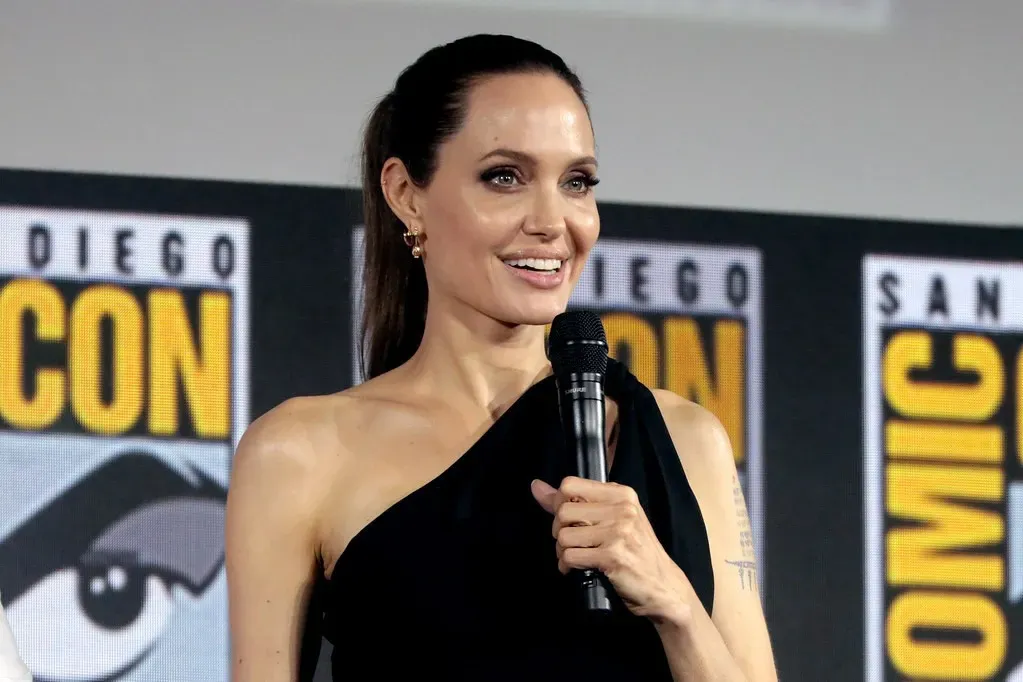
The father-daughter divide between Angelina Jolie and Jon Voight stems from Voight allegedly cheating on Jolie’s mother, Marcheline Bertrand, and abandoning Jolie and her brother James Haven when she was just one year old. That’s a very early exit. Jolie grew up with her mother in a world where her famous father was more of a concept than a presence, a man whose face she could see on screen long before she could have a real conversation with him.
Bertrand reportedly wanted Jolie to maintain some sort of relationship with Voight, and the actress followed through by co-starring with Voight as her on-screen father in Lara Croft: Tomb Raider in 2001. Unfortunately, in 2002, Voight told press that his daughter had “serious mental problems,” which prompted another longstanding estrangement. Jolie and Voight were said to have reconciled sometime around 2010. The reconciliation, such as it is, has always been fragile, built on the kind of careful distance that comes from having been hurt early and remembering it clearly.
Eminem: Rage Turned Into a Career
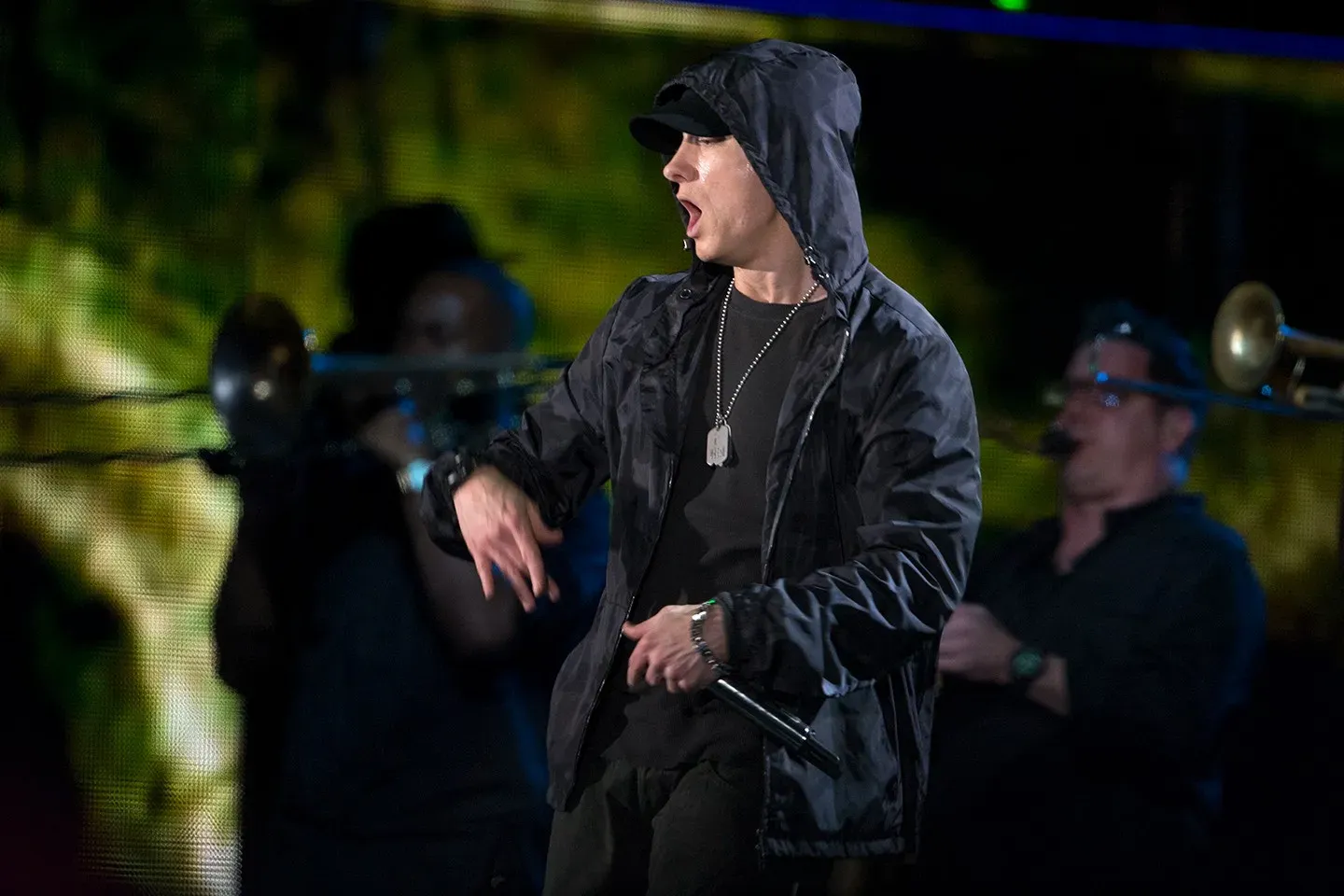
Eminem was abandoned by his father before he turned two years old. He was raised by his mother under difficult circumstances, and the combination of paternal absence and a chaotic home life became the raw material for some of the most emotionally charged music of the past thirty years. What’s striking about Eminem’s story is how directly he named the pain rather than disguising it.
Eminem grew up not having a relationship with his father, Marshall Bruce Mathers Jr., a topic he addressed in a number of his songs including “Cleanin’ Out My Closet.” In the early 2000s, Marshall tried to reach out to his son via an open letter published in The Daily Mirror, denying Eminem’s claims that he’d abandoned him. Eminem didn’t respond to the letter, telling Anderson Cooper in 2010 on 60 Minutes that he wasn’t particularly impressed by his dad’s claim that it was too difficult to find his son. He made a point of putting his own standard on record: if his children moved to the edge of the earth, he would find them regardless.
Jay-Z: From the Marcy Projects to Forgiveness
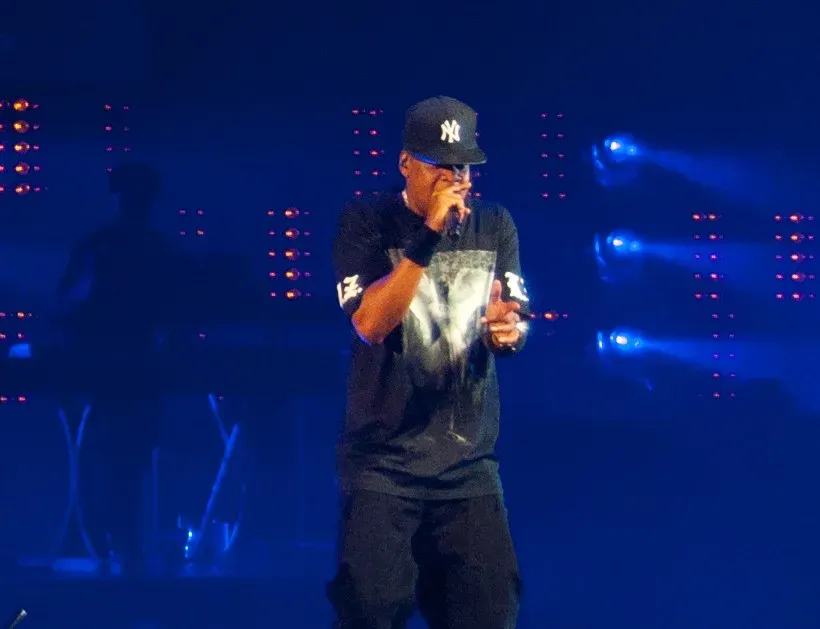
Jay-Z’s father, Adnis Reeves, was overwhelmed by grief after the murder of his brother, turned to alcohol to cope, and eventually abandoned his family when Jay-Z was only eleven years old. This decision haunted both father and son. His departure left Gloria Carter as a single mother in the Marcy Projects, one of Brooklyn’s toughest neighborhoods. That absence deeply affected Jay-Z, who has often referenced it as a turning point in his emotional and creative development.
After more than twenty years of silence, Adnis Reeves and Jay-Z finally reunited in 2003. The meeting was emotional and transformative. As Jay-Z described in later interviews, they spent hours talking, sharing truths, and forgiving the past. For Jay-Z, it was a moment of closure and healing. Sadly, just three months after their reconciliation, Adnis passed away due to complications from liver disease. Jay-Z immortalized his father’s memory through music, particularly in the deeply personal track “Adnis,” released in 2017 as part of his 4:44 project, described as a heartfelt letter to his late father, a mixture of anger, regret, and empathy.
Kate Hudson: Choosing a New Father Figure

After his two children were born, Bill Hudson decided he wanted to focus more time on his music career than on raising them. He divorced their mother in 1982 and was not at all involved in the lives of his son and daughter. Oliver resented his father so much for abandoning them that he posted a throwback photo of himself and his sister with their father with the caption “Happy Abandonment Day.” Kate Hudson’s own response was quieter but no less pointed.
Kate Hudson’s parents, Goldie Hawn and Bill Hudson, divorced before she was two years old. Hudson is estranged from her father and considers her mother’s longtime love, Kurt Russell, to be her dad. Hudson acknowledged the gap directly in interviews: “He was around when we were young, it sort of teetered out. I really do recognize whatever those issues are, it’s just something that he has to live with, and that must be painful for him, so I forgive him.” That kind of measured, almost generous response takes real emotional work to arrive at.
Brie Larson: Volatility Turned Into Craft
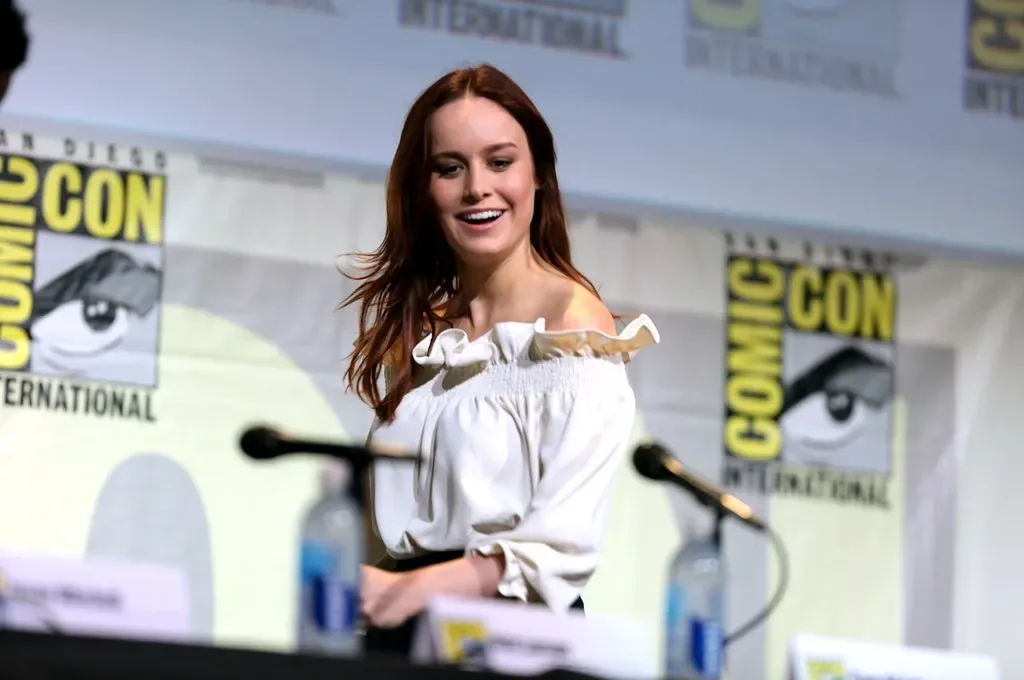
Brie Larson had a rocky relationship with her father, Sylvain Desaulniers. According to the actress, her father didn’t make any efforts from his end to be present in her life after divorcing her mother when she was just seven years old. Larson’s parents divorced when she was ten years old, and by the time she was 26, she hadn’t seen or spoken to her dad in more than ten years. When she reached the legal age where visitation was no longer mandatory, she let the relationship go without hesitation.
Larson believes the strained relationship with her father definitely had an impact on her acting career. “It wasn’t until truly recently that I realized that’s why so much of my work was so volatile,” she explains. She has described having to tap into deep trauma for her roles, including her mother trying to hold it together at a young age when she had separated from her father. Larson recalls: “I was reminded of my childhood when I was seven and my mom packed up our old Mercedes and we drove from Sacramento to Los Angeles.” Pain located precisely and used with precision.
Adele: The Father Who Sold Her Childhood

Adele’s father, Mark Evans, abandoned Adele and her mother when the singer was just three years old. According to Evans, he was an addict at the time and believed the kindest thing he could do for his daughter was to make sure she never saw him in that state. Adele eventually gave him a second chance as she grew older, approaching the relationship with some cautious optimism.
Despite this troubled relationship, the singer was ready to reconcile with her dad. At least that was the case until she found out he had been secretly giving private information to tabloids and selling her childhood photos to them. Inevitably, this infuriated Adele, who never wants to see him again. While accepting a Grammy in 2017, she told her manager Jonathan Dickins: “We’ve been together for ten years, and I love you like you’re my dad. I don’t love my dad, that’s the thing, so it doesn’t mean a lot, but I love you like I would love my dad.” That line, delivered to millions watching live, said everything.
Drew Barrymore: Abandoned Before She Could Walk
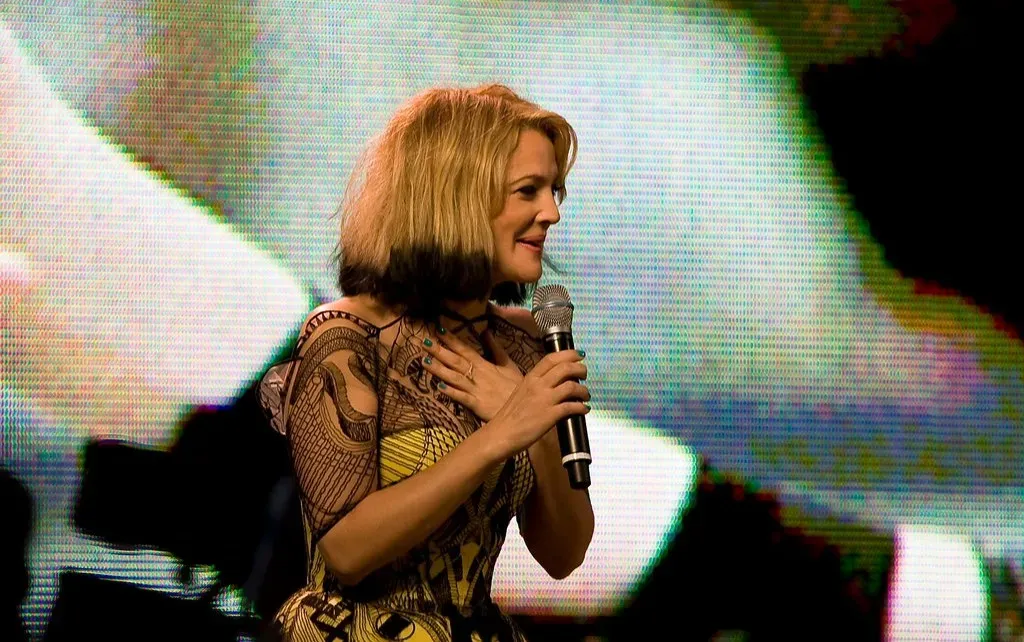
While many are aware that Drew’s mother raised her until she emancipated herself as a teen, the less talked-about part of Drew’s upbringing is that her father was noticeably absent. John Barrymore, who was also an actor himself, decided to void himself of all responsibility when it came to his obligations as a father. He selfishly left Drew’s mother while she was pregnant and never really played a proper role in his daughter’s life.
Once Drew was old enough to become a mother herself, she reflected back on her father’s negligence and admitted that she will never understand how he could walk away from his child so easily. Barrymore has spoken throughout her career about her chaotic childhood, and the threads of abandonment, survival, and reinvention run through everything she has built since. She became one of Hollywood’s most resilient figures, and she got there without a father in the picture.
Pierce Brosnan: The Surprise Reunion in Ireland
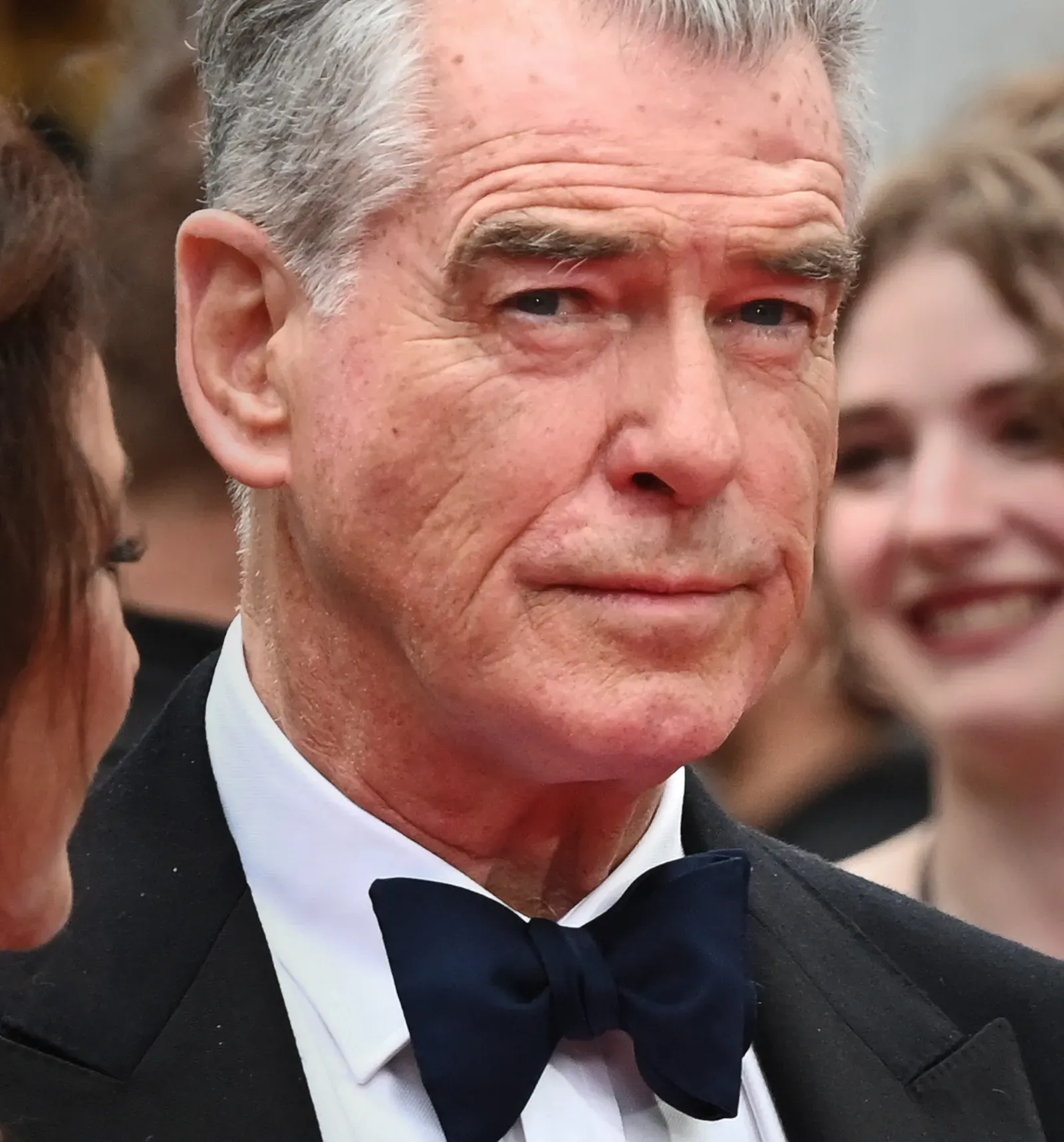
Brosnan’s father Thomas abandoned his family when Pierce was an infant. Pierce’s mother subsequently was away from home for great periods of time in order to make money as a nurse. Raised initially by his mother and later by grandparents, Brosnan navigated a childhood defined by absence and instability before eventually forging his path to international stardom as James Bond.
A distant cousin eventually arranged for Brosnan and his father to meet in an Irish hotel. The reunion was incredibly public, and Brosnan has stated that he wished the meeting had been more private so that he could say things he had wished to say to him. The whole encounter captures something that runs through many of these stories: a need for something real beneath the surface, a conversation that the cameras and the hotels and the managing relatives make harder to have. Brosnan never quite got the version of that moment he needed.
Samuel L. Jackson: The Unexpected Encounter
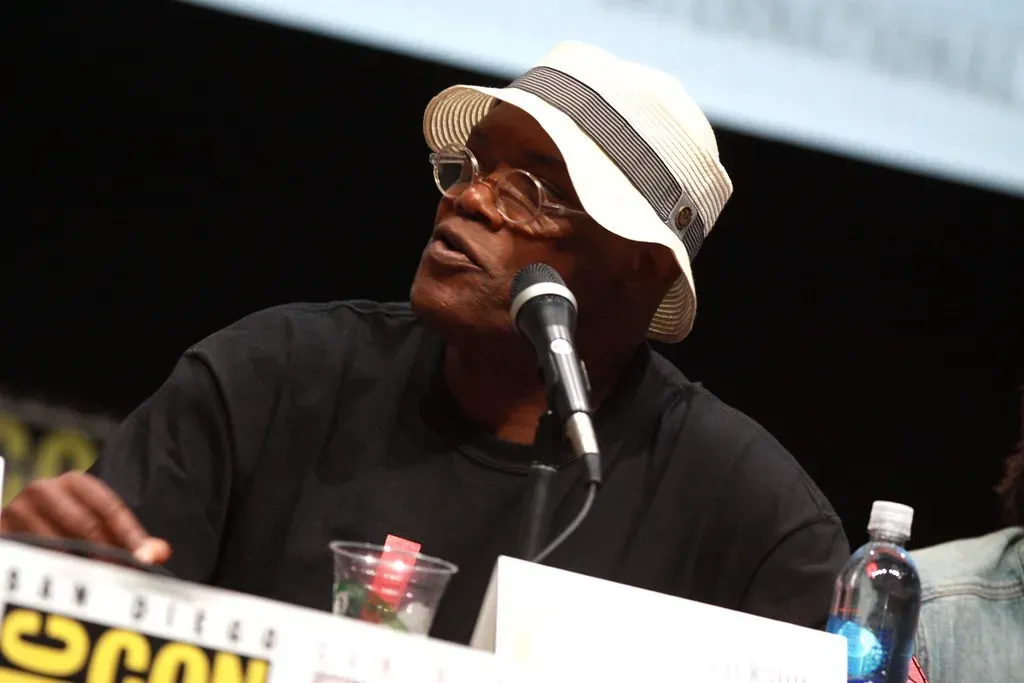
Samuel L. Jackson didn’t meet his father, Roy Henry Jackson, until he was an upstart young actor living in Tennessee. Jackson’s maternal grandparents chipped in to help raise him while his mother Elizabeth worked to support the family. Like so many others in this list, Jackson grew up in a household held together by women while the paternal figure remained a stranger.
Jackson met his dad while performing in a play in Kansas. His paternal grandmother asked him to visit but didn’t tell him his father would be there. He was caught off guard when he crossed paths with his father, and as if that wasn’t surprise enough, his father got mad because Jackson didn’t lie to cover up his absentee status in front of the new wife. The encounter was brief, strange, and ultimately clarifying. Jackson went on to build one of the most productive acting careers in Hollywood history, with well over a hundred film credits to his name.
George Lopez: Abandoned as an Infant, Raised by Grandparents
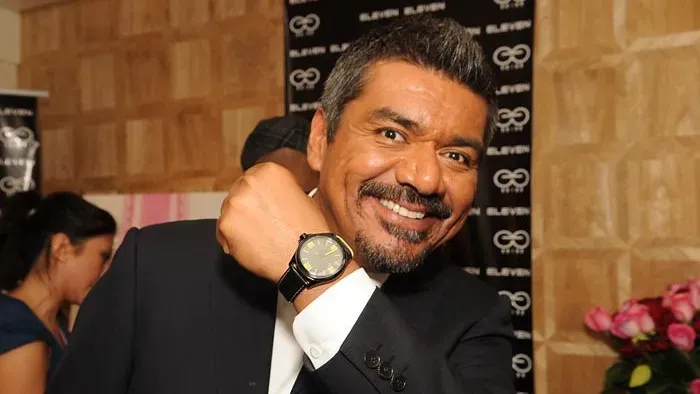
Abandoned as an infant, George Lopez grew up without a father figure, an absence that arrived before memory could even form. In the San Fernando Valley, his maternal grandparents, Refugio and Benita Gutierrez, stepped in to raise him. His grandmother Benita was a strict but stabilizing presence, and the texture of that family dynamic, imperfect and complicated as it was, would later become the foundation for a hit television series.
Grandma Benita brought a mix of strictness and warmth, becoming the backbone of his story. Those layered family dynamics later shaped a hit sitcom that felt familiar to millions. Lopez built a career out of specificity, mining the particular details of his upbringing rather than sanitizing them. The story of a missing father and a grandmother doing double duty resonated with audiences precisely because it was true, recognizable, and told without self-pity.