Comics have always been more than ink on paper. From the earliest superhero stories of the 1930s to today’s smartphone-optimized webtoons, this art form has quietly shaped the way the world dresses, speaks, argues, and entertains itself. Few cultural forces have managed to cross so many borders so seamlessly, landing on cinema screens, fashion runways, school curricula, and gaming consoles all at once. The numbers today reflect something extraordinary: a global industry that most people still underestimate.
A Market That Just Keeps Growing


The global comic book market was estimated at roughly $17.62 billion in 2024 and is projected to reach $37.15 billion by 2033, growing at a compound annual growth rate of 8.7% from 2025 to 2033. That kind of sustained growth puts comics firmly in the same conversation as major entertainment industries, not outside of them. According to industry data, dollar sales in comic shops were up 13.3% in 2024, and sales of periodical comics grew 12.2%.
Key forces driving this growth include the surge in transmedia storytelling, the rise of webtoon platforms, growing popularity of limited-edition prints, expansion of artist-owned series, influence of cinematic universes, and cross-border licensing deals. In today’s entertainment landscape, comic books aren’t just for collectors or fans – they’ve become a powerful driver of , sales, and brand storytelling, with manga dominating digital platforms and superhero stories fueling billion-dollar movie franchises.
Superheroes and the Hollywood Pipeline


In 2024, the superhero genre accounted for roughly one-third of the comic book market, supported by extensive franchise development across television, films, and digital gaming, with strategic tie-ins with cinematic universes and popular streaming platforms contributing to sustained interest in superhero narratives. That relationship between comics and Hollywood is no longer one-directional. Film and television adaptations within the Marvel and DC universes continue to attract new audiences who often turn to the original comics to deepen their engagement with the storylines, while superhero narratives benefit from strong merchandising, gaming tie-ins, and collectible editions that extend their cultural presence beyond the page.
The genre’s ability to combine action-driven plots with contemporary themes such as identity, justice, and social responsibility ensures relevance for both long-standing fans and newer generations of readers. When a live-action adaptation of an indie property premiered in November 2024, its source trade surged from rank 480 to rank 7 on a national online retailer within 48 hours. That example captures the pipeline perfectly: screen attention translates directly into page demand, and the two markets now feed each other in real time.
The Global Rise of Manga and Webtoons

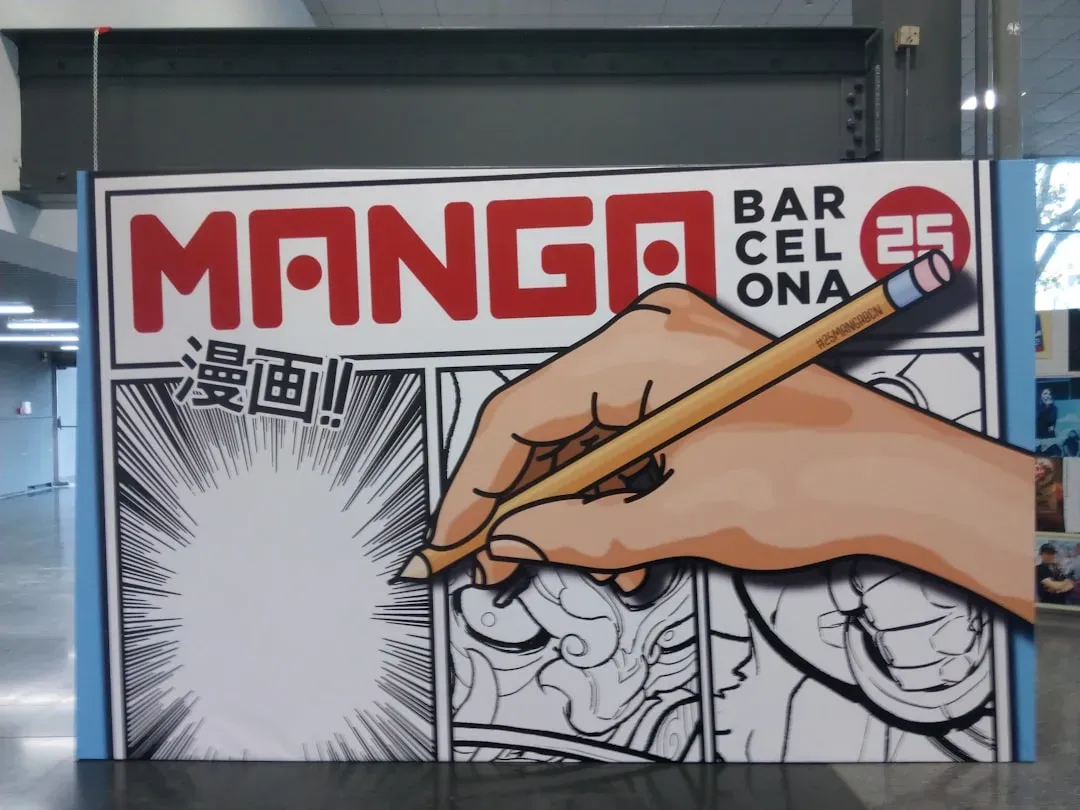
Manga accounted for roughly 45% of revenue in the overall comic book industry in 2024, and unlike traditional Western comics that often concentrate on superhero themes, manga spans genres ranging from action and fantasy to romance, sports, and slice-of-life, with Japanese publishers building powerful global distribution networks and titles such as One Piece and Demon Slayer achieving record circulation well beyond their domestic market. The global manga market alone carried its own enormous weight. The global manga market size was valued at $12.6 billion in 2024 and is projected to grow to $24.6 billion by 2033, at a CAGR of 7.8%.
Webtoons now hold immense power in shaping media consumption especially among younger audiences, and as a new form of Korean , webtoons have rapidly gained international popularity and emerged as a soft power and economic asset for South Korea. Naver Webtoon alone reached 91 million monthly active users, with about two-thirds accessing it on smartphones via low-friction micro-transactions. Breakout hits like Rachel Smythe’s “Lore Olympus” have amassed over 1 billion global views and earned multiple prestigious Eisner awards, exemplifying the cross-cultural appeal that Korean webtoons have sparked.
Comics, Fashion, and the Merchandise Economy

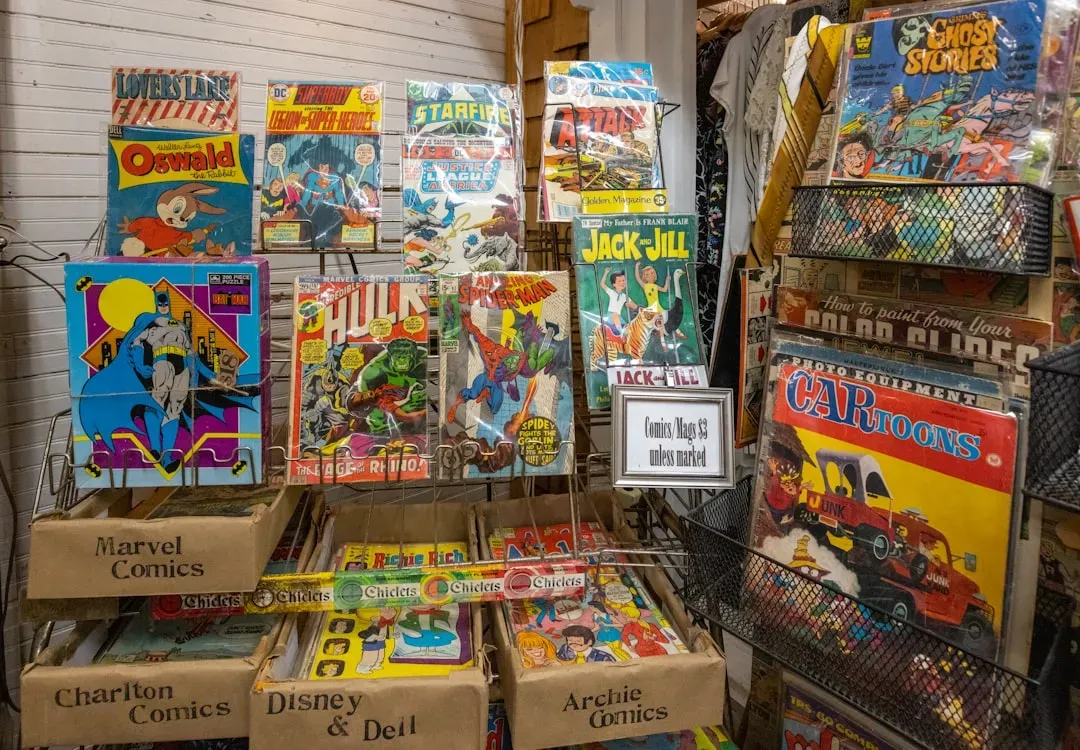
Comic books have left their imprint on the fashion industry, influencing everything from streetwear to haute couture, with superhero costumes often inspiring bold fashion statements and characters like Harley Quinn and Iron Man shaping trends. Japanese in Western media has influenced streetwear broadly, with brands incorporating anime and manga motifs into their designs, highlighting the global appeal and integration of Japanese aesthetics into Western fashion.
Luxury fashion labels have even begun sponsoring limited-edition comic issues handed out at runway shows, integrating comics into high-culture marketing. Variant issue sales have jumped by roughly a third, while direct-to-fan merchandise distribution has climbed nearly 40%. The demand for anime and manga merchandise has skyrocketed in the West, with collectibles including figurines, posters, and apparel being highly sought after, showcasing the commercial impact of the medium and its role in shaping consumer behaviour in Western markets.
Comics as Social Commentary and Educational Tools

Comic books have consistently tackled pressing social issues, offering a lens through which readers can examine the world, with the X-Men series being a classic example that uses mutants as metaphors for marginalized groups and addresses themes of discrimination and acceptance. The growth of the U.S. comic book market is attributed to the increasing demand for diverse storytelling and inclusive representation, with publishers investing heavily in narratives featuring multicultural characters and themes of social justice, and the success of comics like Ms. Marvel and Black Panther demonstrating the strong market appetite for stories that celebrate diversity and cultural depth.
In 2024, U.S. libraries expanded graphic-novel budgets by at least 10% in roughly two-thirds of districts, validating comics as educational assets. Titles like Maus, which examines the Holocaust, and March, recounting the civil rights movement, demonstrate the medium’s ability to teach complex subjects, with educators often turning to graphic narratives to engage reluctant readers or explore intricate topics visually. The classroom is now as much a venue for comics as the comic shop.
The Digital Shift and the Future of the Medium

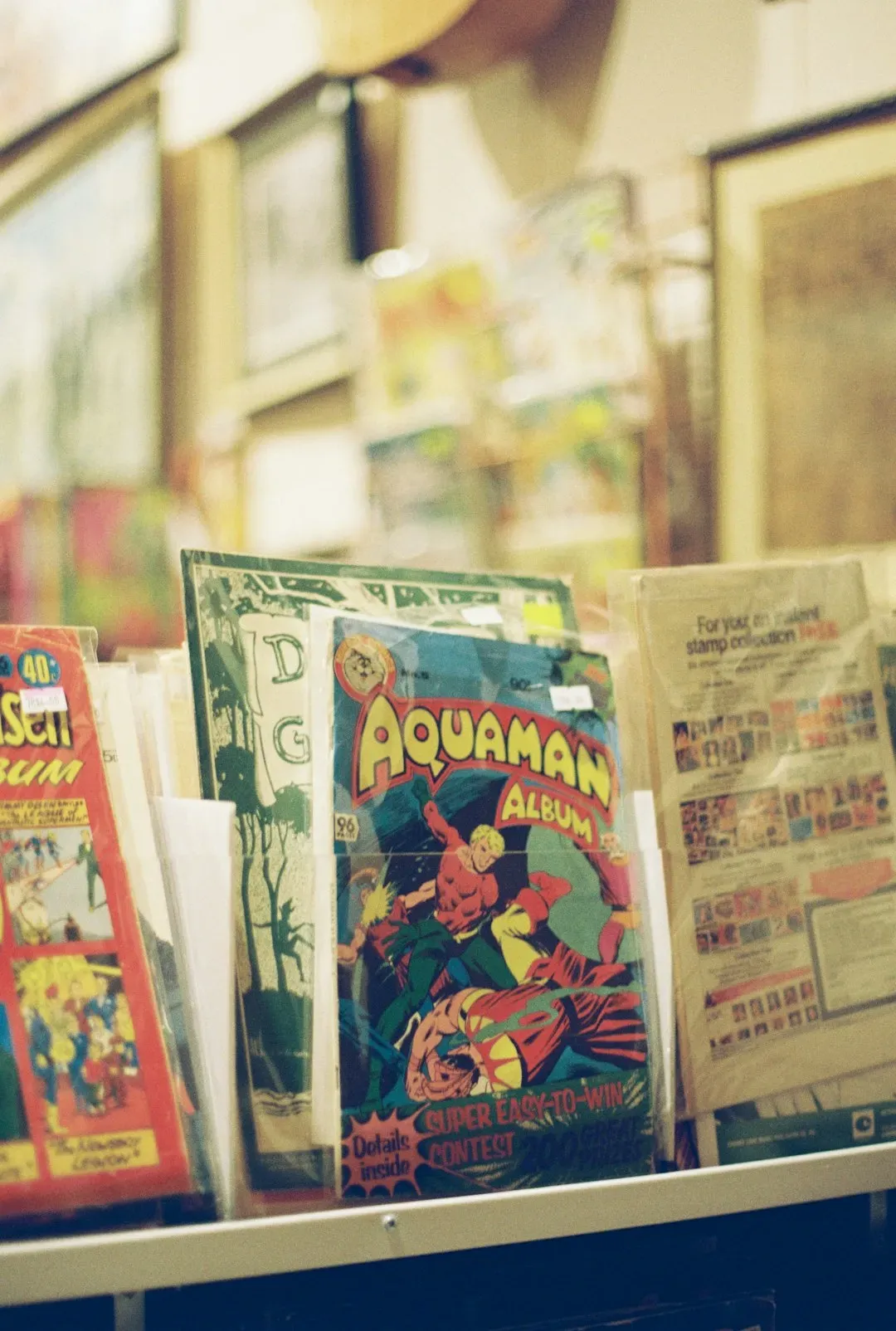
The demand for digital comic books is projected to grow at a CAGR of 13.6% from 2025 to 2035, driven by the broad use of smartphones, tablets, and digital platforms, with convenience being the principal factor and these comics engaging a tech-savvy audience looking for comfort, affordability, and access. In 2024 and 2025, major Western publishers rolled out machine-learning systems that analyze completion rates and adjust story pacing within weeks rather than months, translating data into editorial decisions that fine-tune reader engagement.
The global webtoons market alone is likely to be valued at around $10.85 billion in 2025 and is expected to reach $71.41 billion by 2032, growing at a CAGR of 30.6%, driven by the increasing adoption of smartphones and high-speed internet. Titles such as Sweet Home and All of Us Are Dead, originally webtoons, have been successfully adapted into high-profile Netflix series, attracting global audiences and boosting interest in the source material. The rising popularity of comics with Gen Z and Gen Alpha, combined with double-digit annual retail growth, is attracting new investment into the comics retail side. The printed page and the phone screen are no longer competing formats – for a growing global audience, they are simply two doors into the same world.