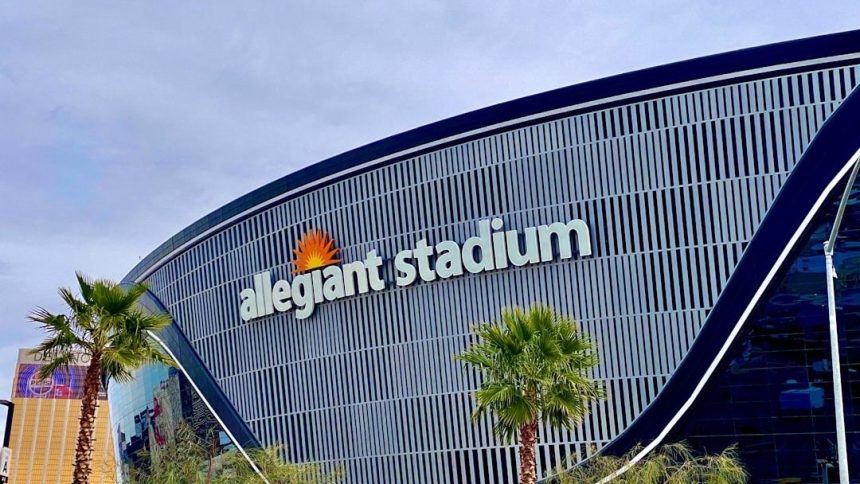
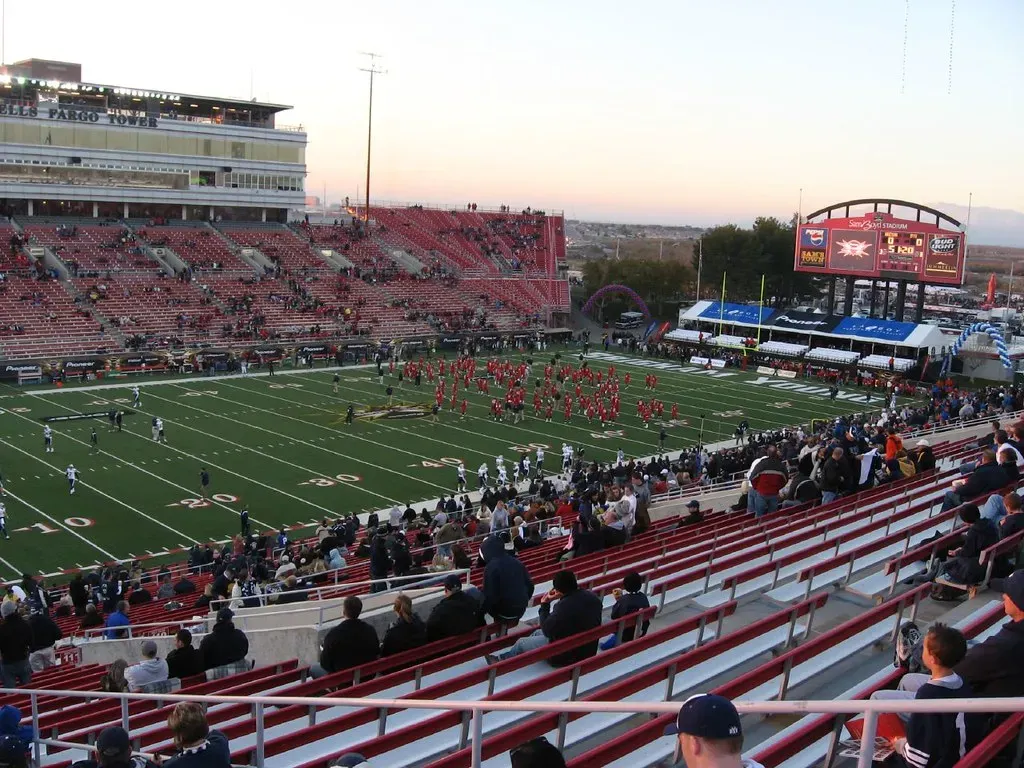
When Allegiant Stadium opened its doors in 2020, Las Vegas stopped being just a city known for casinos and became something different: a legitimate major sports market. The Raiders brought with them not just football, but a ripple effect that reached deep into local neighborhoods, rental listings, and housing costs. That shift is still playing out today, and it’s more nuanced than a simple “stadiums raise rents” story.
What’s happening in Las Vegas is partly a story about demand, partly about investor behavior, and partly about who gets left behind when a city decides to bet big on professional sports infrastructure. The numbers are real, the displacement is real, and the coming wave of new venues is only going to intensify all of it.
Allegiant Stadium and the Neighborhood Demand Surge
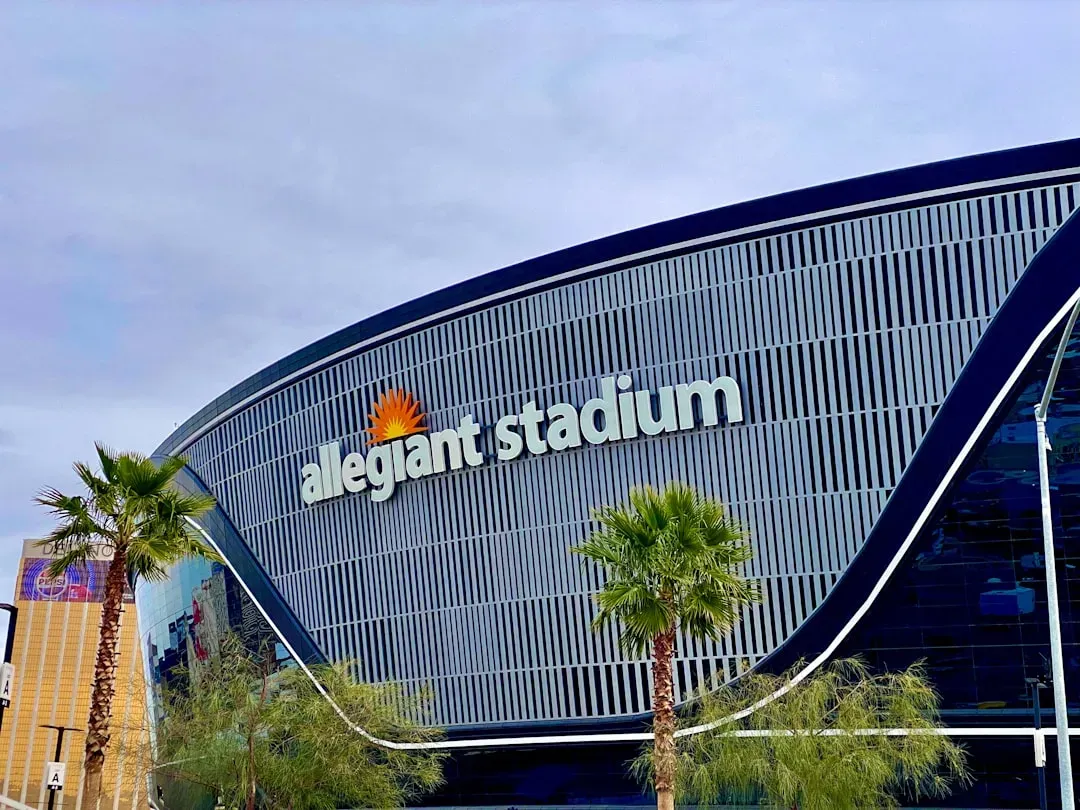
When the Raiders officially relocated to Las Vegas in 2020, the surrounding areas of Paradise and Spring Valley quickly became ground zero for new housing demand. These neighborhoods sit closest to the stadium footprint, and residents and investors alike recognized that early. Properties that had been sitting quietly on the market began attracting competitive interest almost immediately after the relocation was confirmed.
Research examining the Raiders’ relocation focused on residential properties in Las Vegas across two key dates: the announcement of the relocation and the inauguration of Allegiant Stadium itself. Using data from the Clark County Assessor’s Office, the findings showed differential effects across space, with residential properties closer to the stadium experiencing positive effects from the announcement. This wasn’t a valley-wide boom – it was geographically targeted, and that’s an important distinction. A few miles of distance made a meaningful difference in whether a property felt the impact at all.
The “Raiders Effect” played a major role in the value of Las Vegas property adjacent to and very near the stadium. Property values surrounding the stadium began to rise sharply upon confirmation of the Raiders’ move, with industrial land in the area valued at roughly twelve times the national average. One notable sale involved the largest parcel of undeveloped land adjacent to Allegiant Stadium, which had been valued at approximately three to four million dollars before the move was confirmed and roughly doubled to $7.25 million after the 2020 relocation was made official.
The Rent Premium That Proximity Creates
Across U.S. cities, properties within a few miles of major stadiums tend to command noticeably higher rents compared to similar units located farther away. This rent premium isn’t automatic or guaranteed – it depends on the surrounding infrastructure, transportation access, and how much event-driven traffic a venue actually generates. But in a city like Las Vegas, where the stadium sits adjacent to one of the most visited stretches of real estate on the planet, that premium becomes much easier to justify from an investor’s perspective.
The process of price escalation can begin years before a stadium even opens. In 2016, as T-Mobile Arena rose behind the New York-New York hotel, speculators began buying aging motels along Paradise Road. By 2022, a one-bedroom apartment near the arena was leasing for roughly $2,100 per month, which was double the city’s previous average for comparable units. That kind of appreciation doesn’t happen because of foot traffic alone. It happens because the presence of a major venue changes how investors perceive a neighborhood’s long-term trajectory, and rent prices follow that perception quickly.
How Las Vegas Rent Has Changed Since 2020
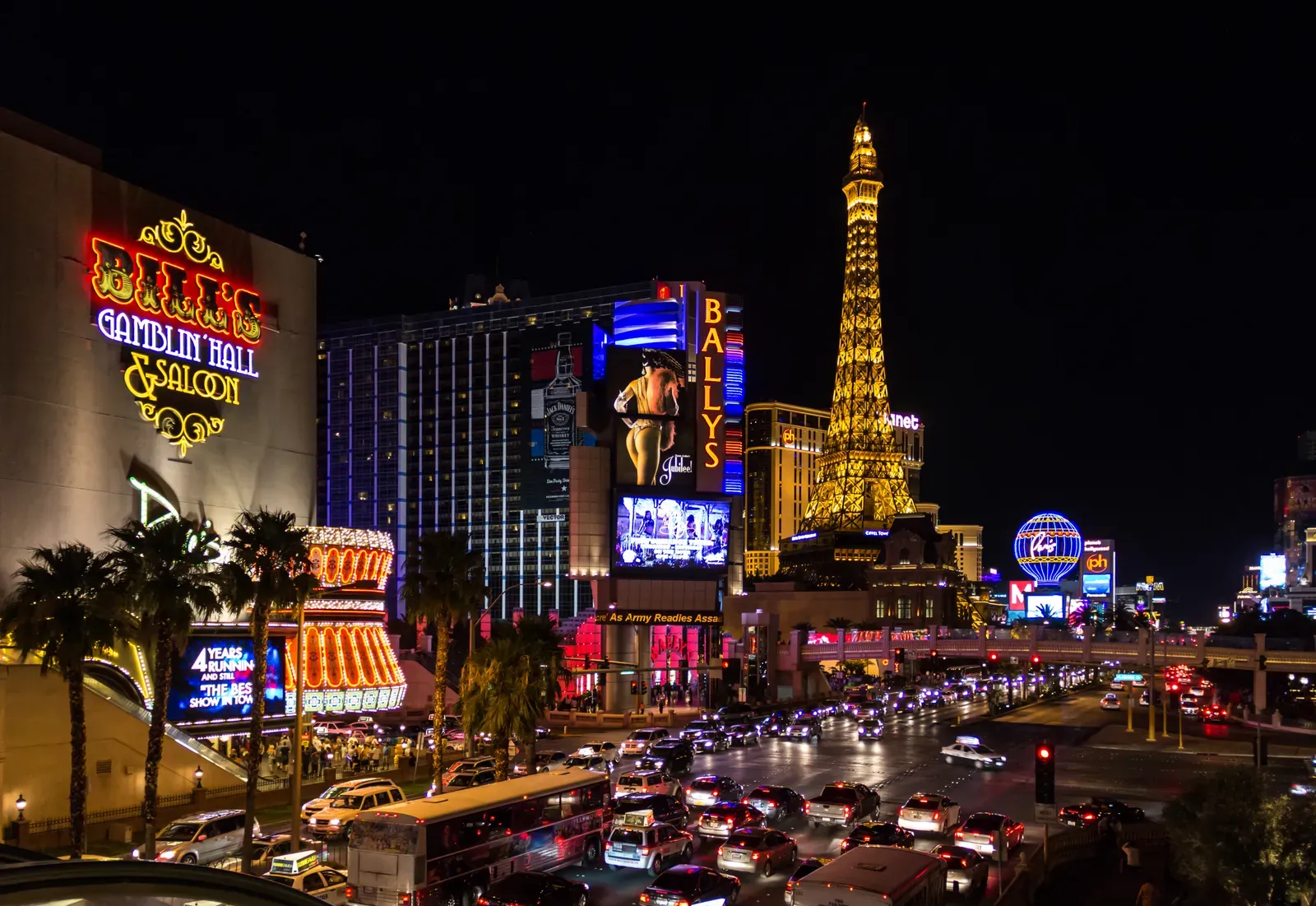
Las Vegas median rent climbed by more than twenty percent between 2020 and 2023, driven by a combination of population growth, migration from California, and major infrastructure development including the stadium. That rate of increase outpaced the national average during the same period, particularly in neighborhoods close to the Strip and stadium zones. It’s not accurate to pin all of that growth on Allegiant Stadium specifically, but the stadium was one visible piece of a larger development narrative that drew people and capital into the city.
Rents in the Las Vegas area have climbed roughly 34% since 2020, a figure that captures just how dramatically the cost of living in certain parts of the metro has shifted in a relatively short window. For every investor eyeing a Strip-adjacent property, there is a family priced out of a starter home in Spring Valley. The economic gains are real, but they haven’t been spread evenly across income levels or zip codes.
Short-Term Rentals and the Event-Weekend Economy
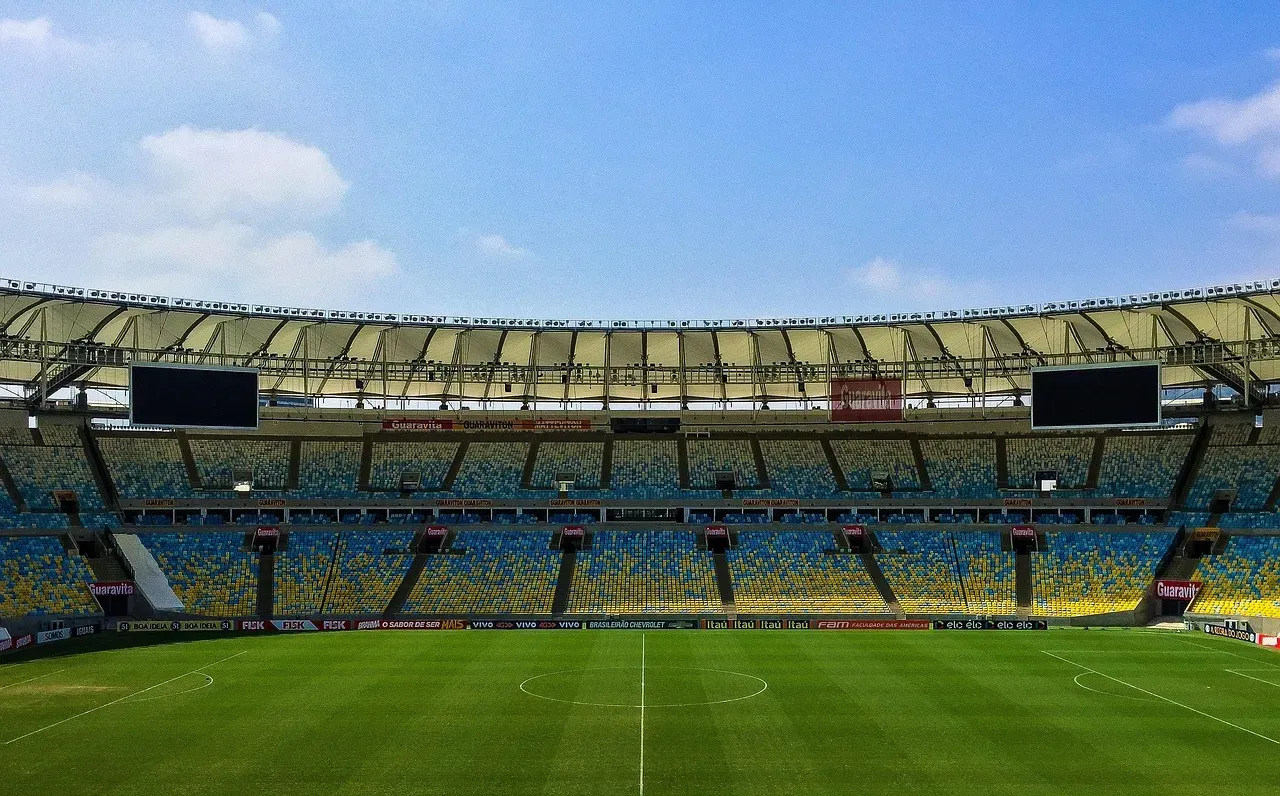
One of the most direct and measurable ways stadiums influence local rents is through the short-term rental market. Hosts operating near Allegiant Stadium have learned to treat NFL weekends, concerts, and major events as high-yield windows where nightly rates can be adjusted dramatically upward. The Super Bowl held at Allegiant Stadium in February 2024 made that pattern especially visible to both hosts and investors watching the numbers.
Data shows a consistent pattern in the Las Vegas short-term rental market, with occupancy rates experiencing a significant and reliable uptick on weekends year-round. Around Super Bowl LVIII, occupancy rates were anticipated to spike from around 41% to 56% on the eve of the game, and to around 51% on game day itself, compared to just 31% the prior year. Accompanying these projections was an anticipated average daily rate increase from roughly $360 to $636 on the night before the game. That’s not a modest bump. It’s a near doubling of nightly revenue in a single weekend, which tells hosts exactly what kind of property they own and how to price it going forward.
A typical short-term rental in Las Vegas generated a median revenue of around $45,000 for the period covering early 2025 through early 2026, with an average daily rate of $199 and a median occupancy rate of roughly 60%. Properties near active sports venues naturally trend toward the higher end of that range, particularly those positioned within easy walking or rideshare distance of Allegiant Stadium.
Investor Activity and the Conversion of Housing Stock
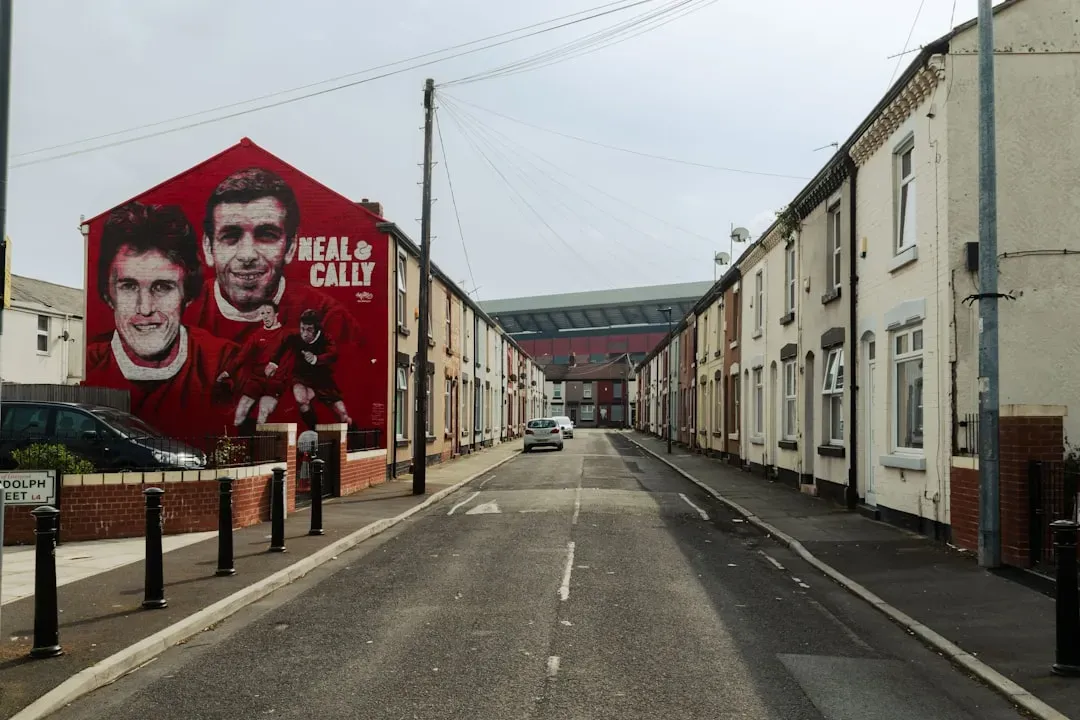
There’s a pattern that plays out in sports-adjacent neighborhoods across the country, and Las Vegas is no exception. Once a stadium is confirmed or under construction, investors begin scanning nearby residential streets for properties that can be converted into short-term rental income engines. Single-family homes, townhomes, and condos near the venue get purchased not for long-term residency but for event-driven occupancy. The result is a gradual hollowing out of traditional rental inventory in those neighborhoods.
Investors often target parcels near announced stadium projects, betting on rezoning and appreciation. When plans for the Athletics’ Las Vegas ballpark leaked in 2023, lots near Tropicana Avenue spiked from roughly $50 per square foot to as much as $200 per square foot almost overnight. That kind of land value movement signals to the broader market that the area is a priority zone, which accelerates the conversion of nearby residential stock. It’s not just big-money developers doing this – smaller individual landlords are making the same calculation, one property at a time.
Gentrification Pressures and Long-Term Affordability
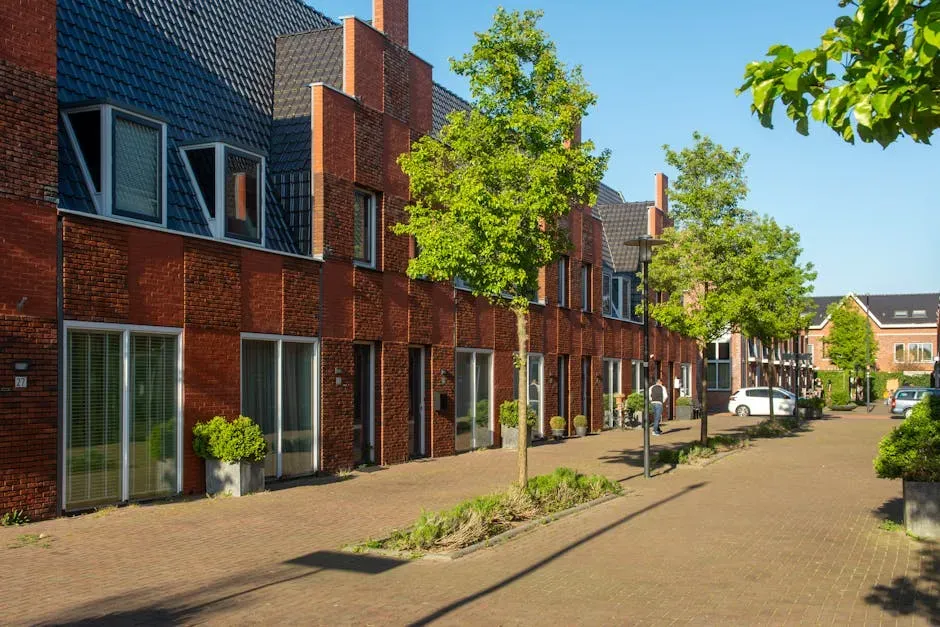
The relationship between stadium development and gentrification isn’t always immediate or obvious. It tends to unfold over years, as rising land values and investor activity slowly push long-term residents out of neighborhoods they’ve lived in for decades. In Las Vegas, where a significant portion of residents are already spending a disproportionate share of their income on housing, that pressure is especially acute.
The Raiders’ Allegiant Stadium cost taxpayers roughly $750 million through hotel levies, funds that some argue could otherwise have addressed the city’s 75,000-unit housing deficit. Proponents counter that the stadium generates around $2 billion annually for local businesses, though critics note that much of that revenue flows to Strip casinos rather than neighborhoods like Sunrise Manor, where median rents now consume nearly half of household income. That tension between broad economic benefit and neighborhood-level harm is at the heart of every major sports infrastructure debate in American cities right now. Las Vegas just happens to be running the experiment at an unusually large scale.
Research on major sporting infrastructure projects has found that rental prices went through varied phases of fluctuation with a potential consequence of gentrification, shedding light on housing struggles as a form of controversy brought about by the construction of sport facilities and the hosting of events. In practical terms, that means residents who aren’t property owners often end up paying more and getting less stability as a neighborhood’s desirability increases.
The Athletics Ballpark and What Comes Next
If Allegiant Stadium reshaped the neighborhoods around it, the new Las Vegas Athletics ballpark being built on the former Tropicana site on the Strip is positioned to do it all over again – but in a much more densely developed location. The New Las Vegas Stadium is an indoor ballpark under construction on the site of the former Tropicana Las Vegas on the Las Vegas Strip in Paradise, Nevada, and is set to become the home venue of the Las Vegas Athletics upon their move to the city in 2028. The stadium is projected to cost around $2 billion, up from initial estimates of $1.5 billion, including $380 million from taxpayers.
The ballpark sits on nine acres of the former Tropicana site, with the remaining 27 acres slated for a hotel-resort and entertainment complex to be developed by Bally’s Corp. The integrated plan aims to attract year-round visitors and multiply economic benefits across jobs, dining, and retail. Construction on the ballpark began in May 2025 with foundation work, and a groundbreaking ceremony was held on June 23. That means the housing market near the Strip corridor is already beginning to price in anticipation – a process that, based on what happened after Allegiant Stadium’s announcement, tends to move faster than the construction itself.
Transportation, Infrastructure, and the Secondary Rent Effect
One often-overlooked driver of rent increases near stadiums is infrastructure. When a city builds a major sports venue, road upgrades, pedestrian improvements, and transit investments tend to follow. Those improvements raise the practical quality of life for nearby residents, which in turn increases the desirability of the surrounding housing stock. It’s a secondary effect, but it’s a durable one. The value added by a new road interchange or improved transit stop doesn’t disappear when a game ends.
The Strip and Interstate 15, both of which can be heavily congested during big events elsewhere in Las Vegas, tend to become even more congested during Allegiant Stadium events, which has pushed local planners to think harder about access routes and traffic management in the surrounding area. Those infrastructure conversations often lead to real investment in roads, signage, and eventually transit access. Modern developments near Allegiant Stadium now specifically advertise proximity to the stadium and easy airport access as selling points for longer corporate and residential assignments. Infrastructure improvements quietly become marketing language, and that language translates directly into higher asking rents.
Who Actually Benefits – and Who Gets Priced Out
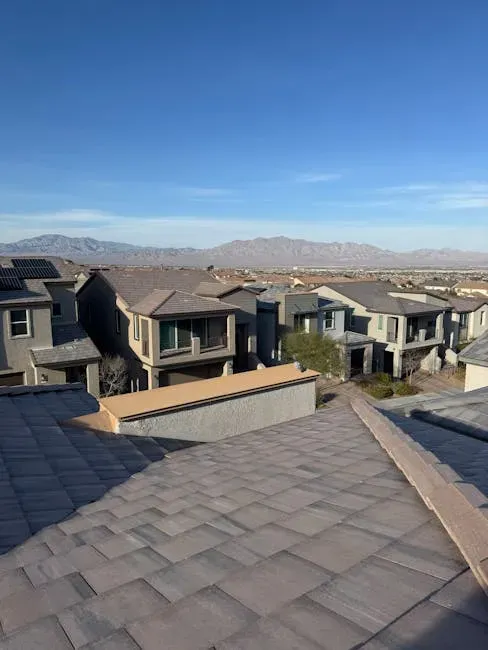
If there is a real estate benefit to the relocation of the Raiders to Las Vegas, analysis from Coldwell Banker Premier suggests it has been most pronounced for the luxury home and condo segment and for properties closest to the Strip. Areas farther out, such as East Henderson, North Las Vegas, and the northwest valley, are unlikely to benefit in a meaningful way directly from stadium proximity. This is a critical point that gets lost in broader discussions about a city “winning” a sports team. The benefits are real, but they are concentrated. The costs, particularly in the form of rent increases, are more widely distributed.
Las Vegas stadium projects have relied on a mechanism allowing cities to fund venues with tax-exempt bonds if repayments come primarily from tourism taxes. The Raiders’ Allegiant Stadium, for instance, was funded with roughly $750 million in taxpayer money via hotel levies – funds that could otherwise have addressed the city’s documented housing deficit. Lower-income renters who live nowhere near the stadium and attend no games still effectively subsidized its construction while absorbing a tighter, more expensive housing market as a downstream consequence. That is the uncomfortable math that sits beneath the stadium-effect story in Las Vegas.
What Renters Should Understand Right Now
For anyone renting in Las Vegas today, or considering a move to the metro area, understanding the geography of the stadium effect matters practically. Neighborhoods within two to three miles of Allegiant Stadium tend to carry a meaningful rent premium relative to comparable units farther out. That premium is partly justified by access and amenities, but it’s also partly speculative, driven by investor expectations rather than current resident demand. Renters paying that premium should understand what they’re actually buying.
The construction of the new Athletics ballpark on the Strip adds another layer of pressure to an already tight rental market, particularly in the Paradise corridor. Stadiums are anchoring mixed-use districts, with Bally’s planning a 3,000-room resort beside the Athletics’ ballpark, while other north Strip developments promise retail plazas and new residential towers alongside entertainment venues. As those mixed-use developments take shape between now and 2028, the rental market in their vicinity is likely to reflect the same pattern seen around Allegiant Stadium: early price increases, rising investor interest, and growing pressure on long-term residents who lack the option to absorb higher costs.
The Broader Picture for Las Vegas Housing
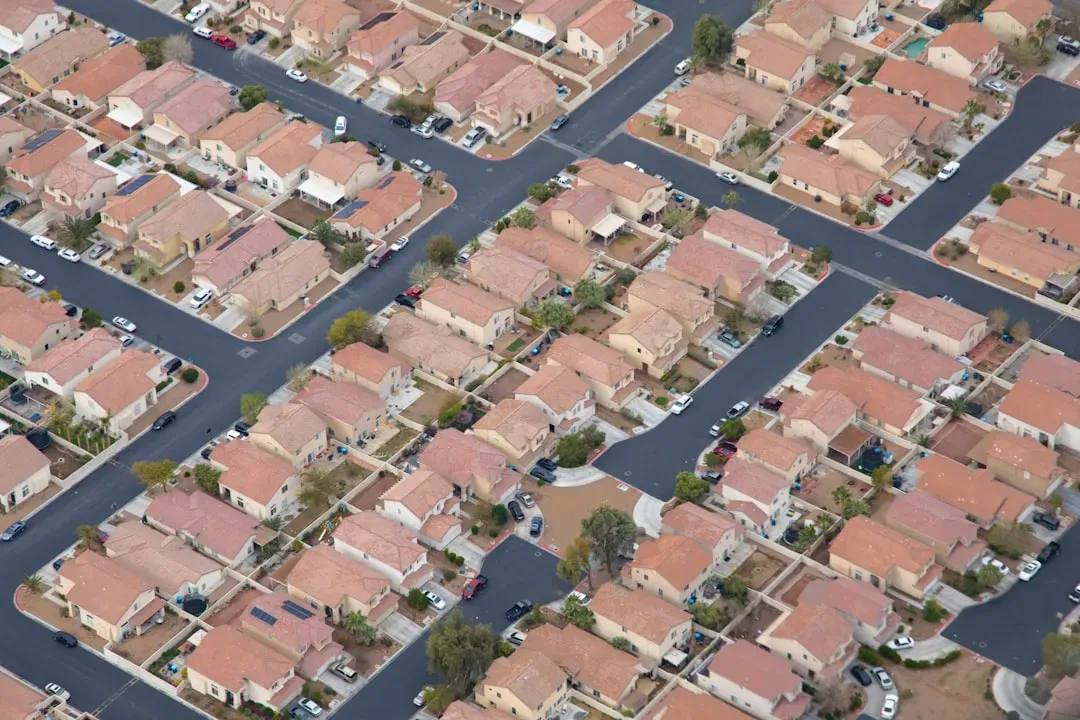
Las Vegas was already navigating a complicated housing situation before the sports boom accelerated. Population growth driven largely by migration from California pushed demand upward, while supply struggled to keep pace. The addition of multiple major sports franchises, two large new stadiums, and a wave of associated development has intensified every tension that already existed in the housing market. None of it was caused solely by stadiums, but the stadiums have clearly amplified the underlying dynamics.
For middle-income buyers, the Las Vegas real estate collapse of 2008 still looms as a cautionary reference point. With a significant share of homes now priced above $500,000 and interest rates remaining elevated, the market sits in an uncomfortable space between a luxury boom and an affordability crisis. The sports effect isn’t the whole story, but it’s a meaningful chapter in it – one that will keep getting written as long as Las Vegas continues to bet on professional sports as a driver of civic and economic identity.
The pattern emerging from Las Vegas offers a clear lesson for any city considering large-scale sports infrastructure investment: the rent effects are real, they are uneven, and they arrive before the stadium does. The question worth asking isn’t whether a new venue will change the surrounding housing market – it will. The more important question is who was living there first, and whether they’ll still be able to afford to.