
There’s a specific kind of dread that comes with returning to your neighborhood and finding an unfamiliar car in a driveway that should be empty. For residents of Northwest Las Vegas, that feeling has become increasingly common. Vacant homes, once just eyesores in a recovering housing market, have turned into staging grounds for unauthorized occupants, petty crime, and in some cases, far worse. The problem isn’t random. It’s structural. A convergence of rising evictions, stagnant wages, and a large inventory of unmonitored properties has made this corner of the Las Vegas Valley a recurring target for squatters.
Northwest Las Vegas: Why This Area Is Especially Vulnerable
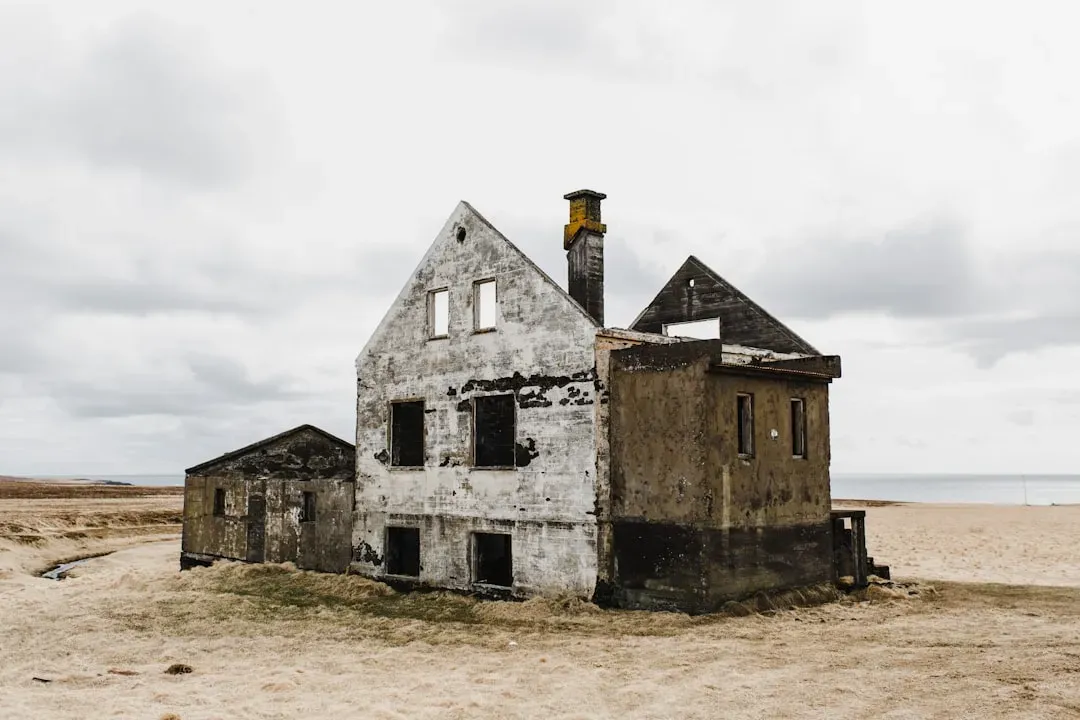
Northwest Las Vegas, particularly the Centennial Hills corridor, grew faster than almost any other part of the city during the mid-2000s housing boom. Ward 6, which encompasses Centennial Hills and the far northwest part of Las Vegas, was the fastest-growing part of the city through the recession and was therefore hit hardest by the housing crisis. That rapid growth followed by an equally swift collapse left a legacy of vacant and poorly monitored homes that still echoes today.
Since the recession, empty homes across the valley have become commonplace, sometimes appearing as eyesores with overgrown lawns and mosquito-infested pools, and other times becoming havens for squatters and illegal activities. The northwest quadrant, with its newer subdivisions and larger lot sizes, gives squatters more physical cover and more time before neighbors or owners notice anything is wrong.
The Scale of the Problem Across the Las Vegas Valley

The Las Vegas Valley has grappled with a widespread squatter problem in recent years, enabled by its thousands of vacant homes and widespread use of fake leases. The sheer number of empty properties creates an environment where it’s genuinely difficult for authorities to stay ahead of every case.
Las Vegas, in particular, saw a notable surge in squatting cases as far back as 2015, with over 4,400 reported incidents in that single year. While enforcement has evolved since then, the pipeline feeding the problem has not dried up. Las Vegas renters faced an additional 12,000 eviction filings in 2024, reflecting an increase in the filing rate from 9.8% to 13.2%. More evictions mean more displacement, and more displacement feeds the cycle.
Evictions Are Rising, and So Is Desperation
Thousands of people have lost their homes in Clark County since the pandemic, which creates an opportunity for squatters to move in. The Las Vegas Valley is home to hundreds of apartment complexes, but there are many empty units within them. When people lose housing faster than shelters can accommodate them, some inevitably end up inside vacant properties.
Clark County had 76,910 summary eviction cases filed or reopened in 2023 alone, in a metropolitan area of about 370,200 renters, according to Princeton University’s Eviction Lab. In some concerning cases like Phoenix, Las Vegas, and Houston, landlords are evicting many more tenants than before the pandemic. The math is blunt: more people pushed out of homes means more people searching for any available shelter.
What Squatters Are Actually Doing Inside These Homes

It’s tempting to imagine squatters as simply people looking for a roof. Sometimes that’s true. But local security teams and law enforcement have documented a much darker range of activity. It is not just squatters looking for shelter, as security teams have found trafficked children in vacant units, along with narcotics, drug use, and fire damage.
It’s all too common for squatter houses to get trashed and to have criminal activity inside. In documented northwest valley cases, SWAT teams have raided squatter properties and found guns, a meth lab, and credit-card-making machines. Bored kids break windows and trash interiors, drug dealers use them as storefronts, and full families move in and steal power or water from their law-abiding neighbors.
The Fake Lease Scheme That Keeps Authorities at Bay

One of the most frustrating dynamics for property owners and police alike involves fraudulent documentation. In documented Nevada cases, real estate photographers or property managers have discovered unauthorized individuals inside residences who presented lease agreements that deputies determined were fraudulent, with further investigation revealing evidence of unauthorized entry and possession of stolen credit cards.
Artificial intelligence tools have made it easier to create fake documents that would have no credibility in a court of law but could dissuade police officers from responding as they would to a trespasser. Some individuals file bogus deeds for vacant properties, change the locks, and “rent” them out. This blurs the legal line enough to slow enforcement and buy squatters days or even weeks inside a property.
The Legal Maze That Traps Property Owners
Property owners face significant legal obstacles when attempting to reclaim homes occupied by squatters. Nevada’s local and state laws provide protections that can inadvertently prolong unauthorized stays, requiring owners to navigate protracted court battles and compile extensive proof of ownership.
Sometimes court action is required for Clark County officials or police to intervene in a vacant property. Clark County does not remove squatters directly; however, under Clark County Code 11.08, if a structure is an imminent danger because it is occupied without power or is otherwise unsafe, Code Enforcement can board up and secure the structure. Evictions may take anywhere from 10 to 180 days, depending on the circumstances of the case. That’s a long window for damage to accumulate.
When the Owner Is Absent: The Probate and Estate Problem

Some of the most persistent squatter cases involve properties where the legal owner is elderly, deceased, or living out of state. In one documented Las Vegas Valley case, property records showed the home belonged to an elderly woman in her 80s. Her family had moved her out of state to care for her, and the home remained unoccupied with utilities disconnected.
Her son explained in communications to local news that they had called police about the squatters numerous times, but there was only so much that could be done when the homeowner wasn’t present. Law enforcement agencies across Nevada have reported increases in calls for service involving squatters occupying vacant homes listed for sale or rent, with incidents often involving real estate agents or family members discovering unauthorized individuals in properties. Probate cases are especially vulnerable, as legal authority over a property can remain unsettled for months.
Nevada Law: Where It Stands in 2025 and 2026

Squatting is illegal in Nevada. Squatters can face two different charges, the first being housebreaking under Nevada Revised Statutes 205.0813, which occurs when somebody breaks into a house forcibly. Penalties include up to 364 days in jail and a fine of up to $2,000. Violating Nevada squatting laws becomes a category D felony if the defendant has three or more prior convictions.
In February 2025, Assembly Bill 223 was introduced to further streamline the squatter removal process by allowing expedited hearings for clear cases of unlawful occupancy. Recent legislation has also made it easier for property owners to address squatting issues, allowing police to arrest and remove squatters under Unlawful Occupancy statutes, with landowners required to file a Notice of Retaking Possession within 24 hours to protect the property against re-entry. The legal framework is tightening, though enforcement gaps remain real.
The Ripple Effect on Neighbors and Property Values
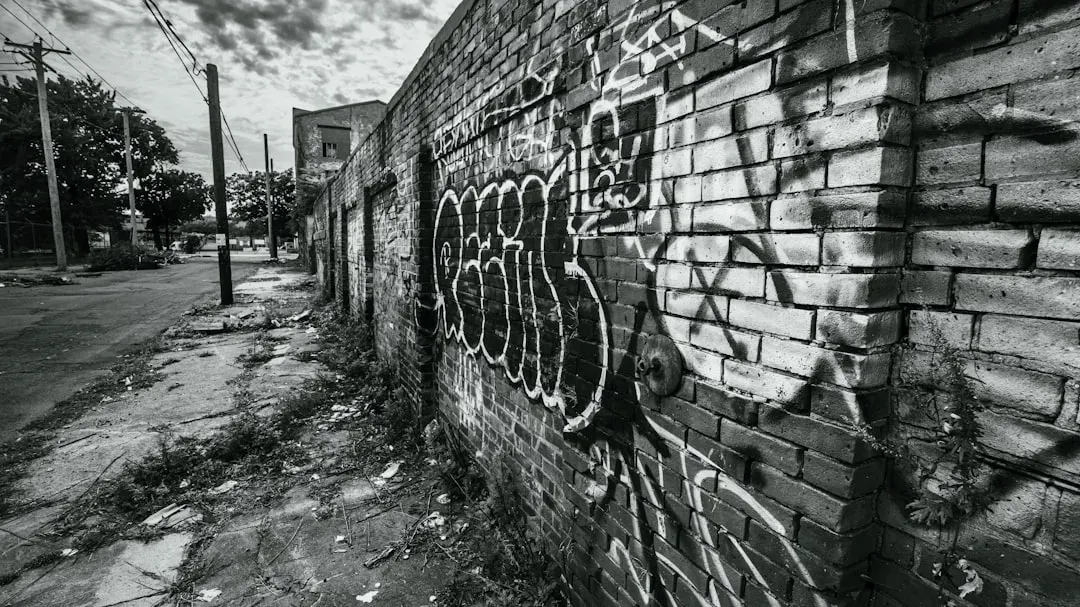
Incidents reported by neighbors include property defacement, suspicious behavior, and trespassing, which have collectively eroded the sense of safety in affected areas. Squatter-occupied properties often suffer from neglect, vandalism, and damage that reduces their resale value, and potential buyers may be deterred if squatters are present or if there is a legal dispute over ownership.
In northwest valley neighborhoods, some residents have installed surveillance equipment because of repeat squatter activity, and longtime homeowners have described feeling as if they can no longer comfortably venture outside. The damage is not only structural. It’s psychological and it bleeds into surrounding blocks.
What Residents and Authorities Are Doing About It

In response, community members have organized neighborhood watch groups and are pressing city leaders to expedite eviction procedures and enhance surveillance of vacant homes. Private security firms have also stepped in where public enforcement struggles. One private security team contracts with more than 300 apartment complexes to patrol for squatters, and the problem has gotten bad enough that the team created a dedicated task force just to handle the issue.
The City of Las Vegas has worked to strengthen its effort to identify homes at risk of becoming blighted or taken over by squatters by expanding the types of properties that can be added to the city’s registry of vacant properties, rather than waiting for homes to fall into default. Property experts advise owners to make homes look occupied, install inexpensive cameras, add motion sensor lights, keep windows and drapes closed, maintain a clean exterior, and ensure mail doesn’t pile up.
The Bigger Picture: A City Still Catching Up

Northwest Las Vegas was built on the promise of suburban stability. Wide streets, newer builds, family-friendly layouts. The squatter problem doesn’t fit neatly into that image, which is precisely why it took so long to be taken seriously. Squatters have descended on every corner of the Las Vegas Valley, taking over empty houses in struggling working-class neighborhoods, in upscale planned communities, and everywhere in between, according to reporting in the New York Times.
In response to the ongoing situation, experts advocate for comprehensive policy reforms aimed at closing legal loopholes that enable unauthorized habitation, with real estate specialists and legal experts emphasizing the necessity of faster eviction protocols that protect property owners’ rights without compromising due process. The legal tools are improving, but the underlying pressure of housing instability and rising eviction rates is not yet resolved. Until it is, vacant homes will remain an open invitation, and northwest Las Vegas neighborhoods will keep finding themselves at the center of a problem that the whole region is still learning to address.