
Nevada is famous for high-stakes gambling, bright lights, and a transient population that keeps money moving around the clock. What gets far less attention is a quieter kind of financial loss – one that doesn’t happen at a poker table but in someone’s email inbox, on their phone, or in front of a bitcoin ATM in a convenience store. The numbers from federal agencies are hard to ignore, and they tell a story that goes well beyond Las Vegas.
Nevada’s Staggering Fraud Numbers in Black and White

Nevada was hit particularly hard, with 24,331 residents filing fraud reports and losing more than $138 million to scammers in 2024 alone. That figure comes from the Federal Trade Commission, one of the most comprehensive trackers of consumer fraud in the country.
The Silver State ranked fourth highest in fraud reports per capita and third highest for identity theft as the U.S. reported $12.5 billion in fraud losses across 2024, a 25% increase from 2023. To put that in local terms, with 425 fraud reports per 100,000 residents, Nevada sat only behind Washington, D.C., Georgia, and Florida for frauds reported per person.
Nevada consumers reported losing a total of $138,538,256 to fraud, with a median loss of $519. The data comes from the FTC’s Consumer Sentinel Network, which pulls in reports from consumers, law enforcement agencies, the Better Business Bureau, and industry members alike.
The Cybercrime Problem Grew Even Worse in 2025

The FBI’s latest Internet Crime Report puts Nevada near the top of the list for online scams and cyber fraud, with Nevada victims reporting more than $302 million in losses to the Internet Crime Complaint Center in 2025. That is more than double what was lost in 2024 through FTC-tracked scams, reflecting both a genuine surge in criminal activity and improved reporting.
Nevada received 13,366 total complaints in 2025, with losses totaling $302,235,247, and residents filed 2,518 complaints involving cryptocurrency alone, with losses exceeding $205 million. These are not rounding errors. They represent real financial destruction.
Complaints increased between 25 and 26 percent from 2024 to 2025. The trajectory is clearly upward, and there’s no sign it’s flattening out.
Nevada’s Top Categories: Where the Fraud Actually Hits

The FTC received a total of 73,271 reports from consumers in Nevada in 2024. The top category of reports was credit bureaus and information furnishers, followed by identity theft, imposter scams, banks and lenders, and debt collection.
The Silver State recorded almost half of all scams in two categories specifically: credit bureau and information furnisher fraud, and identity theft. Those categories aren’t flashy, but they do enormous damage to credit scores and financial lives that can take years to untangle.
The states with the highest per capita rates of reported fraud in 2024 were Florida, Georgia, Delaware, Nevada, and Maryland; for reported identity theft, the top states were Florida, Georgia, Nevada, Texas, and Delaware. Showing up in both lists is a notable distinction for a state of Nevada’s size.
Seniors Are Being Targeted at an Alarming Rate

Nevada, New Hampshire, and Arizona had the largest surges in fraud reports from seniors in the nation, up 52% year-over-year, according to a study by The Senior List. That kind of jump in a single year is not a statistical blip.
In 2025, seniors in Nevada reported $21,036,621 in losses, compared to $7,732,187 in losses during the 2024 holiday season. Since more seniors are shopping online, scammers are targeting them through phishing emails and delivery scams, and among seniors who’ve been scammed, roughly three out of five have fallen victim to online shopping schemes.
In Nevada, the most fraud reports came from residents aged 70 to 79, with reported losses over $13 million, but the age group with the most money lost was 60 to 69 year-olds at $17 million. With far fewer reports, the oldest demographic of 80-year-olds and older felt the highest median loss at $1,922 per case. Older victims tend to lose more per incident, which makes their vulnerability especially consequential.
Cryptocurrency Scams: A Nevada-Specific Crisis
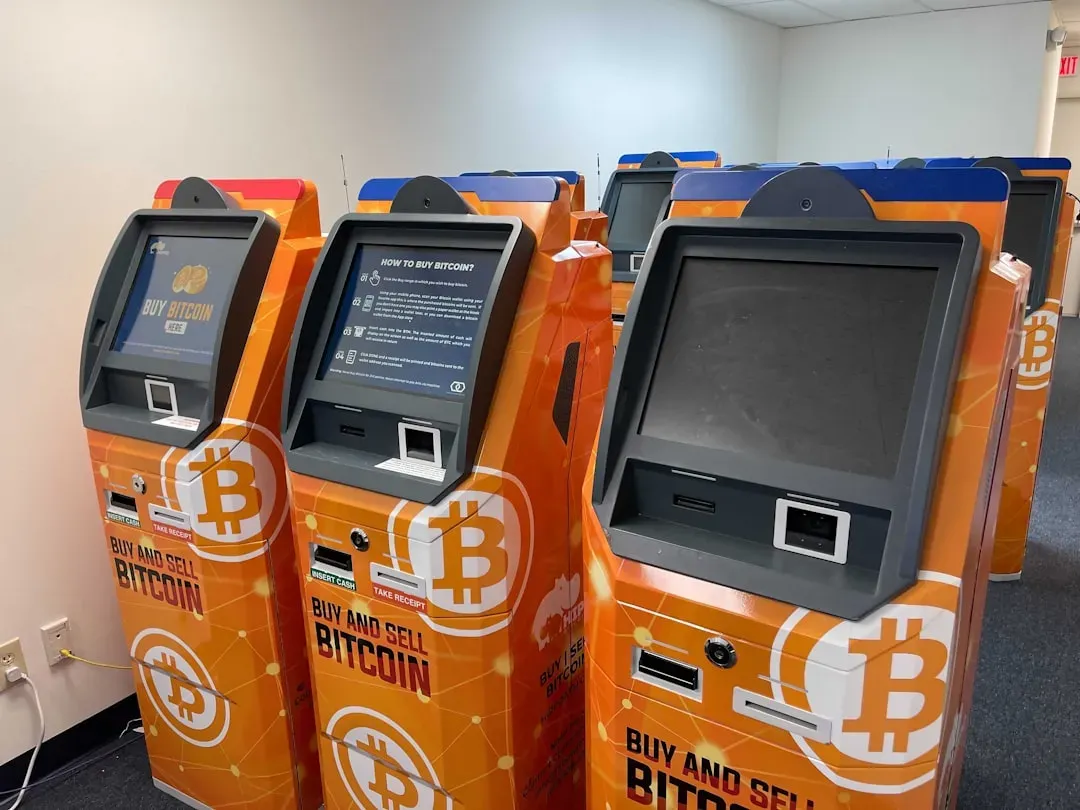
Nevadans are losing millions of dollars each year to cryptocurrency scams, and much of the fraud is aided by the hundreds of largely unregulated bitcoin ATMs, state lawmakers heard. This is a problem that has grown quietly alongside the state’s embrace of fintech and digital finance.
Cryptocurrency is designed to be anonymous and instantaneous, which makes it an ideal vehicle for scammers, who extort or convince victims to deposit their cash into a crypto kiosk and transfer it to the scammer’s digital wallet, never to be seen again by the victim. Recovery is close to impossible once that transfer completes.
CoinATMRadar, an independent industry tracker, lists nearly 500 machines across Nevada, despite FID records showing only 428 officially registered kiosks in the state, with 349 in Clark County. Nevada does not require warning labels or scam advisories on the machines, though many operators choose to display their own warnings voluntarily. The regulatory gap is real, and scammers know it.
Partner offer
Why Nevada’s Environment Attracts Fraud

Nevada’s economic and demographic profile creates conditions that are genuinely favorable to scammers. The state draws millions of transient visitors, has a large hospitality workforce, and hosts a significant population of retirees seeking warm weather and a lower cost of living. All of these groups present distinct and exploitable vulnerabilities.
Nevada earned the dubious distinction of being America’s most deceitful state, according to data analyzing everything from fraud rates to survey responses on lying frequency. Las Vegas ranked third nationally for winter affairs on Ashley Madison’s hotspot list, and the state saw almost 60,000 fraud reports last year alone.
When asked what makes Nevada vulnerable to cybercrime, FBI officials noted that Las Vegas is no different than any metropolitan area or small town throughout the United States. The difference may be density: concentrated tourist infrastructure, a large cash economy, and a high proportion of high-income visitors all attract organized fraud operations.
Investment Scams: The Costliest Category Nationally and Locally

For those reporting money losses, investment scams led to the most losses, impacting one out of three people in 2024. The numbers increased about $1 billion yearly, jumping from $3.8 billion in 2022 to a total of $5.7 billion in investment losses in 2024.
In 2024, nearly four out of five of those who lost money in an investment scam reported an average loss of $9,000, far surpassing the median loss of just under $500 from all scams reported to the FTC. Investment scams are particularly dangerous precisely because they target people who are actively trying to build financial security.
Non-stop texts and calls come from those pretending to be the IRS, a charity, or even a family member in need of information or money transfers. In a state with a large retirement community and a culture that normalizes financial risk-taking, these tactics find fertile ground.
Imposter Scams: The Most Common Threat

The most common of the fraud categories defined by the FTC in 2024 involved imposter scams, where a criminal claims to represent a trusted organization, such as a business or government agency, to trick victims into transferring money or disclosing personal information.
Banks across Nevada report that scammers often impersonate trusted institutions, including banks, government agencies, and well-known companies. These calls and messages are increasingly convincing, often arriving with spoofed phone numbers and polished scripting.
Bank transfers and payments accounted for the highest aggregate losses in 2024, at over $2 billion, followed by cryptocurrency at $1.42 billion. Both payment methods have one thing in common: once the money is gone, reversing the transaction is extremely difficult.
Legislative Action: What Is Being Done
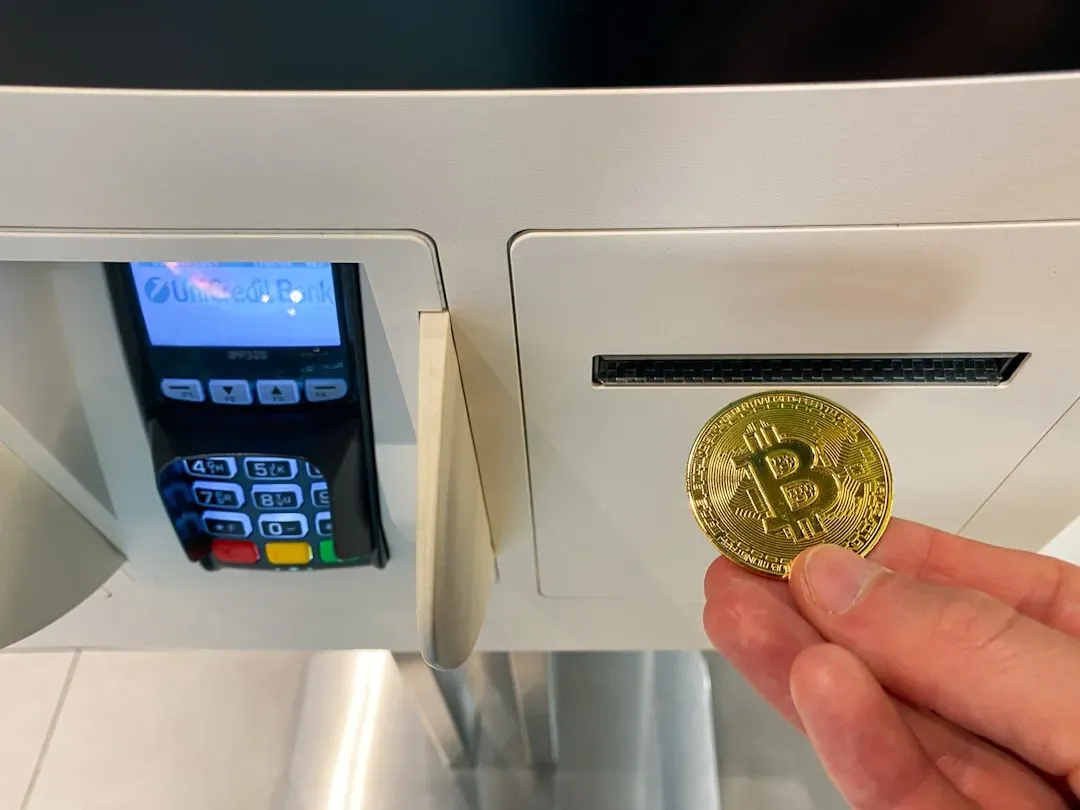
Cryptocurrency kiosks were used in scams that led to more than $389 million in reported losses in 2025, according to FBI data, with more than 13,460 complaints filed with the FBI’s Internet Crime Complaint Center. The scale of the problem has started pushing states toward action.
Thirty states have introduced bills related to crypto kiosks in 2026 alone, bringing the total number that have passed laws to 29 as of April 2026. AARP Nevada has already identified crypto kiosk regulation as a priority for the 2027 legislative session, with stronger action including the possibility of a ban under discussion.
The numbers paint a troubling picture, with 2024’s losses jumping 25% from the previous year, according to Federal Trade Commission data. Nevada’s state agencies and the Nevada Bankers Association have both increased consumer education campaigns in response, though education alone won’t close the gap.
How to Actually Protect Your Savings

Banks across Nevada report that scammers often impersonate trusted institutions, including banks, government agencies, and well-known companies, and legitimate organizations will never request sensitive information through unsolicited calls or emails. That single principle, if remembered consistently, blocks a significant share of common scams.
The practical steps most commonly recommended by the Nevada Bankers Association, the FTC, and AARP align around a few core habits: never share account credentials, PINs, or Social Security numbers over the phone or email. Use multi-factor authentication on all financial accounts. Check bank statements regularly for unauthorized transactions.
In 2025, $600 million was frozen and recalled through a process involving the FBI’s relationship with the U.S. Treasury and Financial Enforcement Network. Within the first 24 hours, the success rate using that tool is between 70 and 80 percent. At 48 hours it drops to 50 percent, and at 72 hours there’s really a low chance of recouping that money. Speed matters enormously if you suspect you’ve been victimized. Reporting immediately, rather than waiting in embarrassment or disbelief, can make the difference between recovering your funds and losing them permanently.
Nevada’s fraud numbers are high partly because the state’s infrastructure, population mix, and cash-friendly culture create genuine openings for organized criminals. The good news is that the same transparency in reporting also makes the problem visible, trackable, and, with the right habits, defensible. Knowing what’s actually happening in your state is the first, underrated step.Partner offer
Planning a trip to Vegas?
Compare hotel rates and show tickets on VEGAS.com.