Hollywood loves a good origin story, the kind where a fresh face seems to appear out of nowhere and instantly becomes a household name. It’s a tidy narrative, and it sells magazine covers. The truth, more often than not, is messier and far more interesting: years of bit parts, canceled pilots, waitressing jobs, and auditions that went nowhere before the world finally caught up.
The seven women below prove that point in strikingly different ways. Some spent decades on stage before Hollywood noticed them. Others built entire careers overseas before American audiences knew their names. What they share is patience, and a refusal to quit before the timing was right.
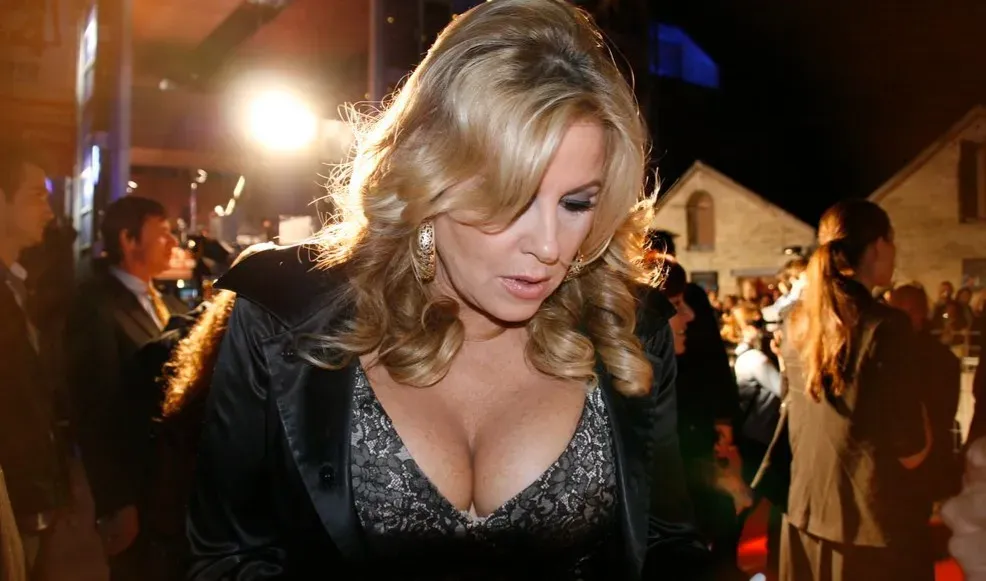
Jennifer Coolidge: Two decades between Stifler’s Mom and Tanya McQuoid
Jennifer Coolidge: Two decades between Stifler’s Mom and Tanya McQuoid (Image Credits: Flickr)
Jennifer Coolidge had already been a recognizable comedic presence for years, thanks to roles in American Pie and Legally Blonde, but recognizable is not the same as respected. She gained recognition for her comedic roles, including the American Pie (1999–2012) and Legally Blonde (2001–2003) film series. She spent the 2000s and 2010s doing steady, unglamorous work in sitcoms and side projects that rarely made headlines.
Before any of that, Coolidge worked ordinary jobs while chasing auditions in New York, waiting tables alongside people who would also eventually become famous. She trained for years with the Groundlings, the Los Angeles improv troupe, a stretch of work that reshaped her comedic instincts long before cameras were pointed at her regularly. It wasn’t until 2021, more than two decades after American Pie, that she landed the role of Tanya McQuoid in The White Lotus. She garnered critical acclaim for her role as Tanya McQuoid in the first two seasons of the HBO anthology series The White Lotus (2021–2022), winning two Primetime Emmy Awards and a Golden Globe.
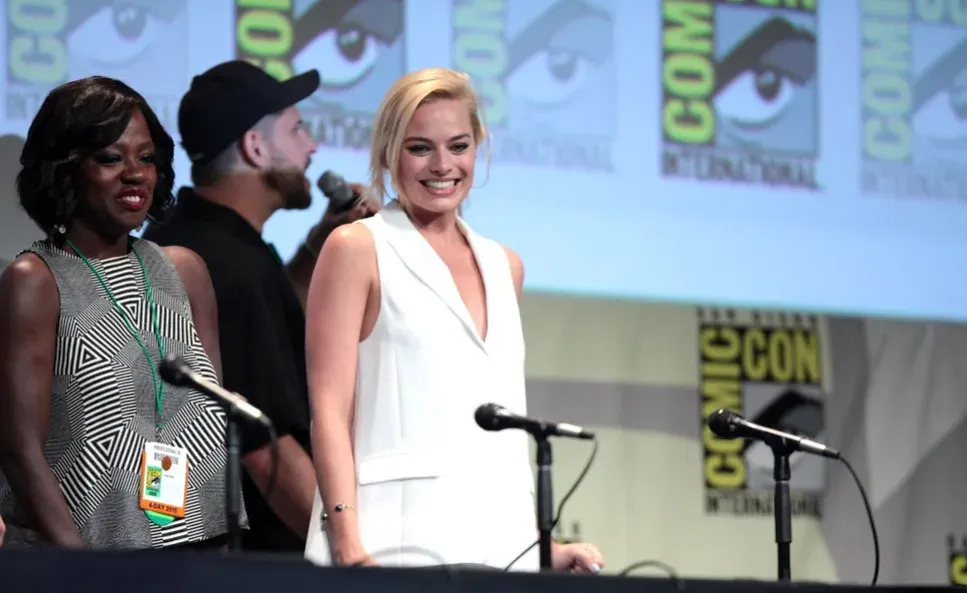
Viola Davis: Eighteen years of stage work before Hollywood paid attention
Viola Davis: Eighteen years of stage work before Hollywood paid attention (Image Credits: Flickr)
Viola Davis is now an EGOT-adjacent name, but her rise was anything but sudden. She trained at Juilliard, then spent years building a reputation in New York theater long before film studios came calling. She made her Broadway debut in August Wilson’s tragic comedy Seven Guitars in 1996. In the play, Davis starred as Vera, a woman who takes back the boyfriend who wronged her.
For years afterward, Davis took whatever film and television work she could find, often in tiny, forgettable roles. Her profile in film and on television was somewhat lower at the time, though she worked steadily in supporting parts for directors ranging from Steven Soderbergh with “Out of Sight” (1998) and “Solaris” (2002) and Oliver Stone with “World Trade Center (2006), as well as in countless television series. It wasn’t until Doubt in 2008, roughly twelve years after her Broadway debut, that critics and the Academy started paying real attention, and it took another six years after that for How to Get Away with Murder to make her a lead actress on television.
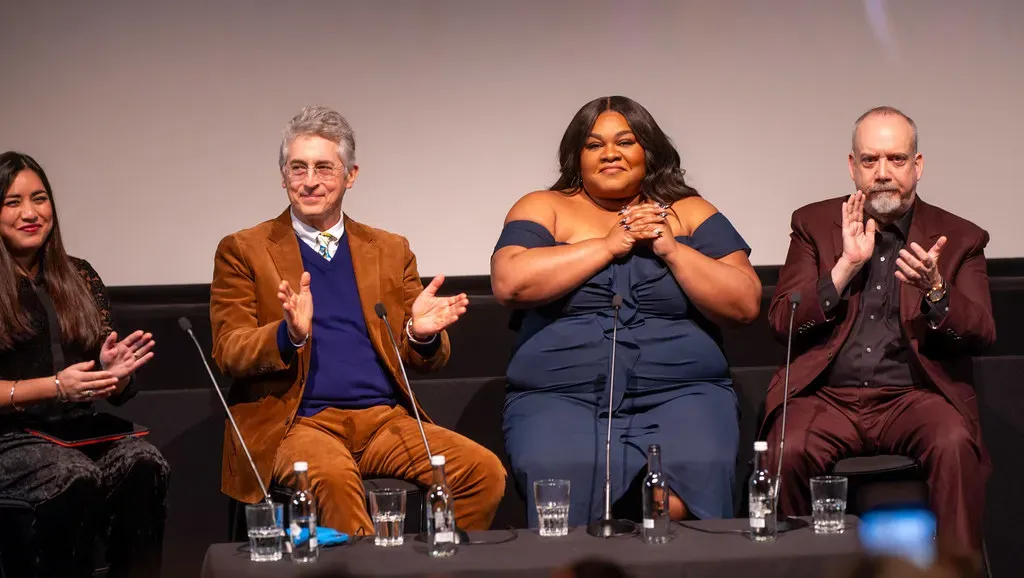
Da’Vine Joy Randolph: A decade of “breakthrough” roles before the real one
Da’Vine Joy Randolph: A decade of “breakthrough” roles before the real one (Raph_PH, Flickr, CC BY 2.0)
Da’Vine Joy Randolph has an unusually self-aware take on her own career, having described feeling like the discovery in nearly every project she’s done, long before The Holdovers made that discovery permanent. “I’ve been the ‘breakthrough’ in almost every project I’ve done,” she told USA Today. “At first, I thought that was bad, like, ‘Dang, am I not that memorable?’ But I had to reframe that in my mind: If you’re fresh and new and being discovered in every project, that’s a win.” It’s a fair description of a career that kept restarting in the public eye without ever quite sticking.
She trained at Yale School of Drama, earned a Tony nomination on Broadway in her mid-twenties, and then spent the better part of a decade taking supporting parts in film and television that built her reputation slowly rather than instantly. Randolph gained recognition for her portrayal of psychic Oda Mae Brown in the Broadway production of Ghost (2012), for which she received a nomination for the Tony Award for Best Featured Actress in a Musical. Randolph went on to appear in the films The Angriest Man in Brooklyn (2014) and Office Christmas Party (2016) before receiving praise for her roles in Dolemite Is My Name (2019) and The United States vs. Billie Holiday (2020). The Holdovers arrived in 2023, more than a decade after her Broadway debut, and finally gave her the Academy Award that her earlier work had quietly been building toward.
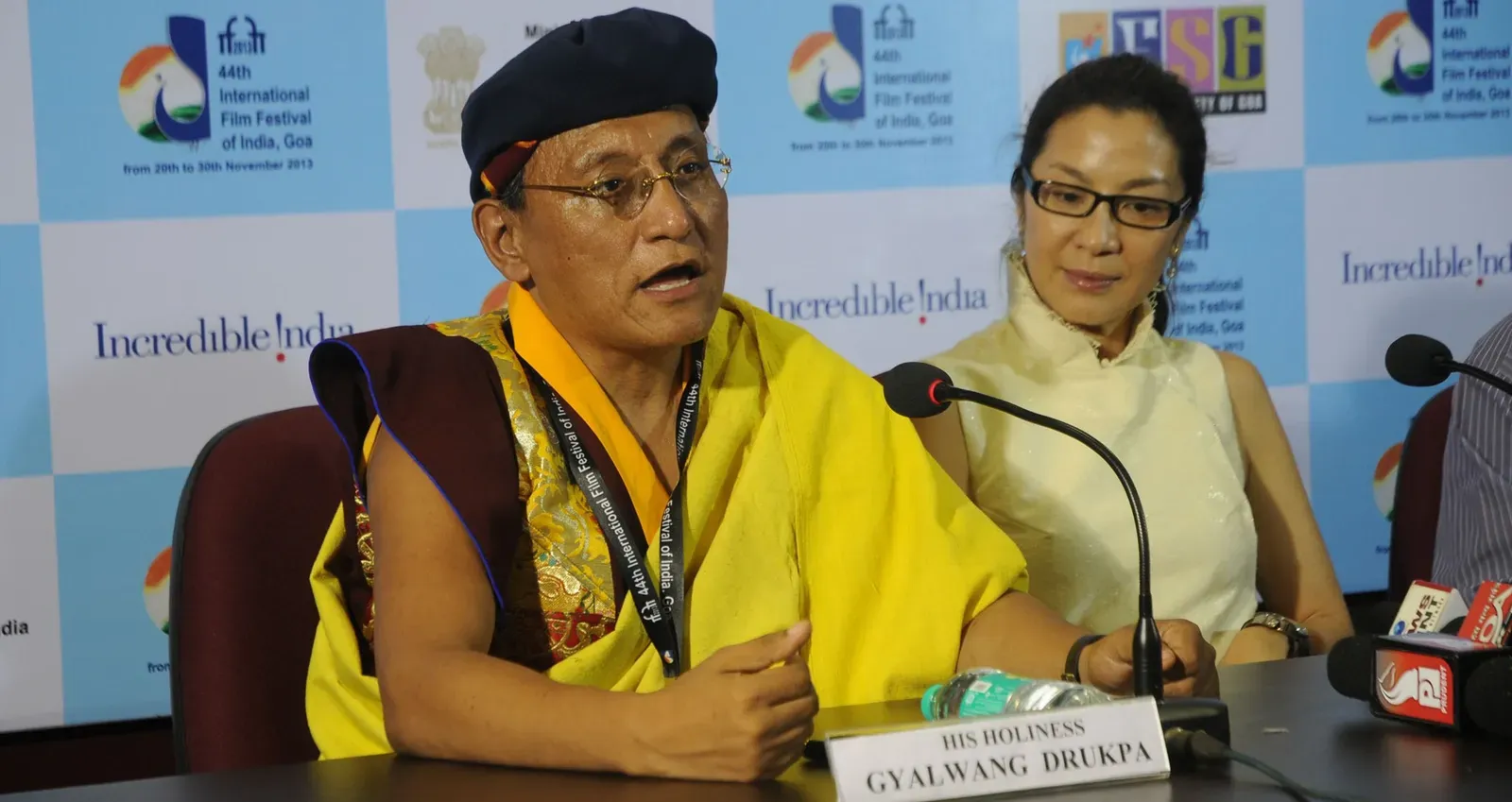
Michelle Yeoh: Four decades before her first Hollywood lead role
Michelle Yeoh: Four decades before her first Hollywood lead role (Image Credits: Wikimedia)
Michelle Yeoh’s case might be the most extreme example on this list, because she wasn’t unknown at all. She was a major star, just not in the country that eventually gave her an Oscar. Michelle Yeoh earned her first Oscar nomination for Best Actress this year for her role in Everything Everywhere All at Once, but the 60-year-old actress has been kicking ass for nearly four decades.
Long before Everything Everywhere All at Once, Yeoh had already built one of the most demanding careers in Hong Kong action cinema, performing her own stunts and headlining films that most Western audiences never saw. She rose to fame in the late 80s and 90s thanks to performances in the likes of Yes, Madam (1985), Police Story 3: Supercop (1992) and Holy Weapon (1993), action films in which she did all of her own stunts. Even after crossing into Hollywood with a Bond film and Crouching Tiger, Hidden Dragon, she remained a supporting or ensemble presence for another two decades. Michelle Yeoh’s career as one of cinema’s most remarkable action heroes has been notable for many reasons, not least the fact that she has never previously been cast as a lead in a Hollywood movie. That finally changed in 2022, and her Oscar win the following year closed a gap of nearly forty years between her first starring role and Hollywood’s recognition of her as a lead actress.
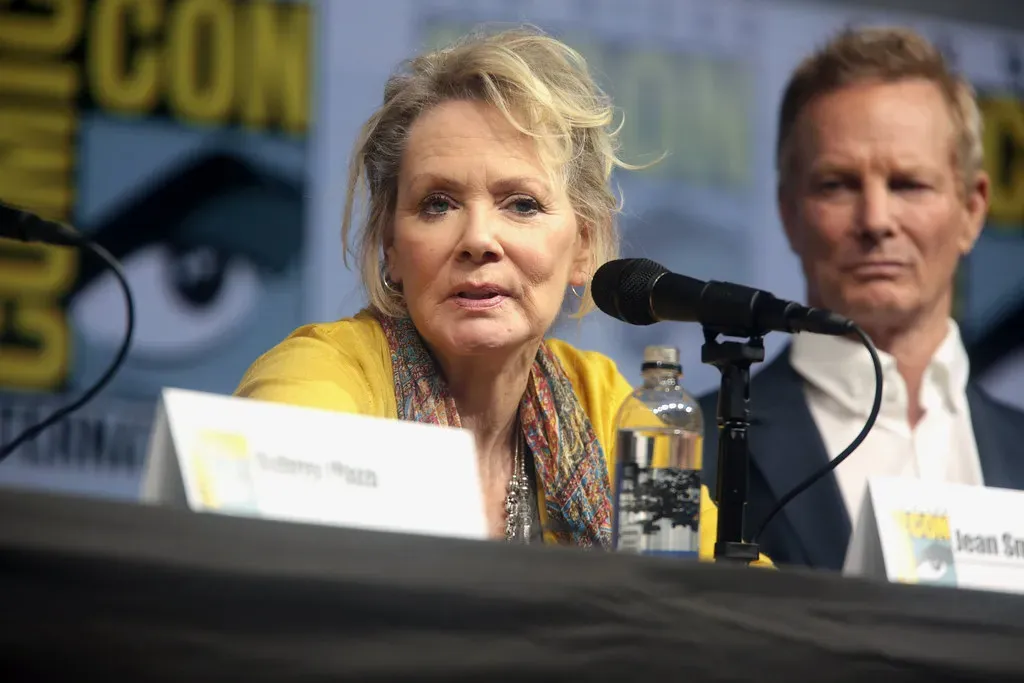
Jean Smart: A near-fifty-year climb that peaked with Hacks
Jean Smart: A near-fifty-year climb that peaked with Hacks (Gage Skidmore, Flickr, CC BY-SA 2.0)
Jean Smart’s name has been familiar to television audiences since the 1980s, but familiar isn’t the same as central. She built her reputation on the ensemble sitcom Designing Women. Smart first gained prominence for her leading role as Charlene Frazier Stillfield on the CBS sitcom Designing Women, in which she starred from 1986 to 1991.
For the next three decades, Smart won respect and the occasional Emmy for guest and supporting roles, but rarely got to lead a project. She went on to win seven Primetime Emmy Awards for her roles as Lana Gardner in the NBC series Frasier (2000–2001), Regina Newley in the ABC sitcom Samantha Who? (2007–2009), and Deborah Vance in the HBO Max comedy series Hacks (2021–2026). She was Emmy-nominated for her roles in The District (2000–2004), 24 (2006–2007), Harry’s Law (2011), Fargo (2015), Watchmen (2019), and Mare of Easttown (2021). By the time Hacks premiered, she had spent nearly forty years working steadily, mostly in other people’s spotlights. The show finally gave her top billing, and the recognition matched the decades of craft that preceded it.
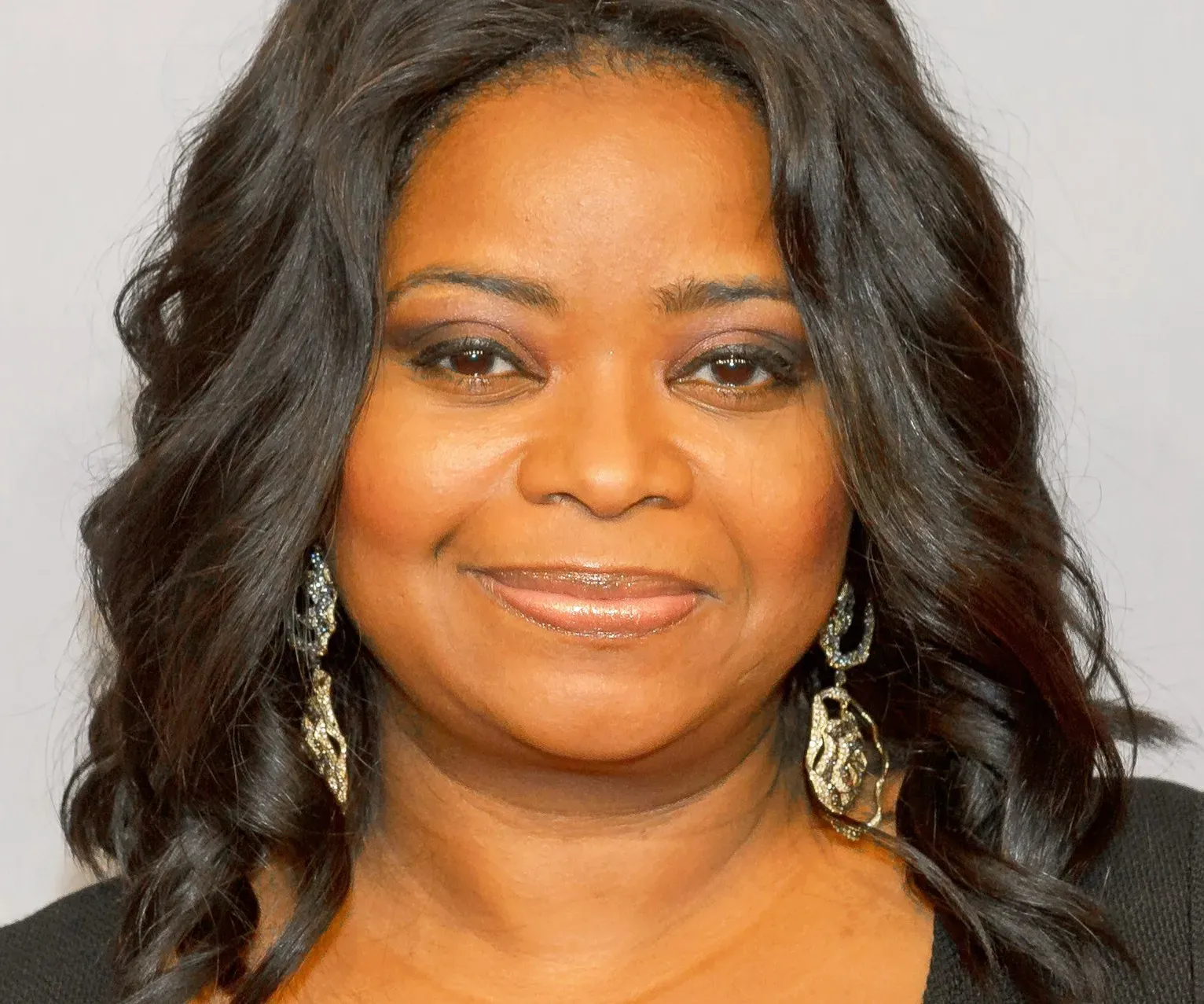
Octavia Spencer: Small parts and extra work before The Help changed everything
Octavia Spencer: Small parts and extra work before The Help changed everything (Image Credits: Wikimedia)
Octavia Spencer’s path to an Academy Award ran through years of the kind of unglamorous work that rarely gets remembered once someone becomes famous. She worked as an extra and script supervisor in the 1990s while chasing small acting parts, often uncredited, in films most people have forgotten she was even in. It took roughly seventeen years of consistent, mostly minor film and television work before she landed the role of Minny Jackson in The Help.
That 2011 role, playing a sharp-tongued maid in civil rights-era Mississippi, earned her the Academy Award for Best Supporting Actress and immediately reframed how casting directors saw her. The years before that had been a long apprenticeship in smaller comedic and dramatic parts, the kind of steady work that builds craft without building fame. Spencer has since spoken about how those years shaped her patience with the industry, understanding that visibility and skill do not always arrive on the same schedule.
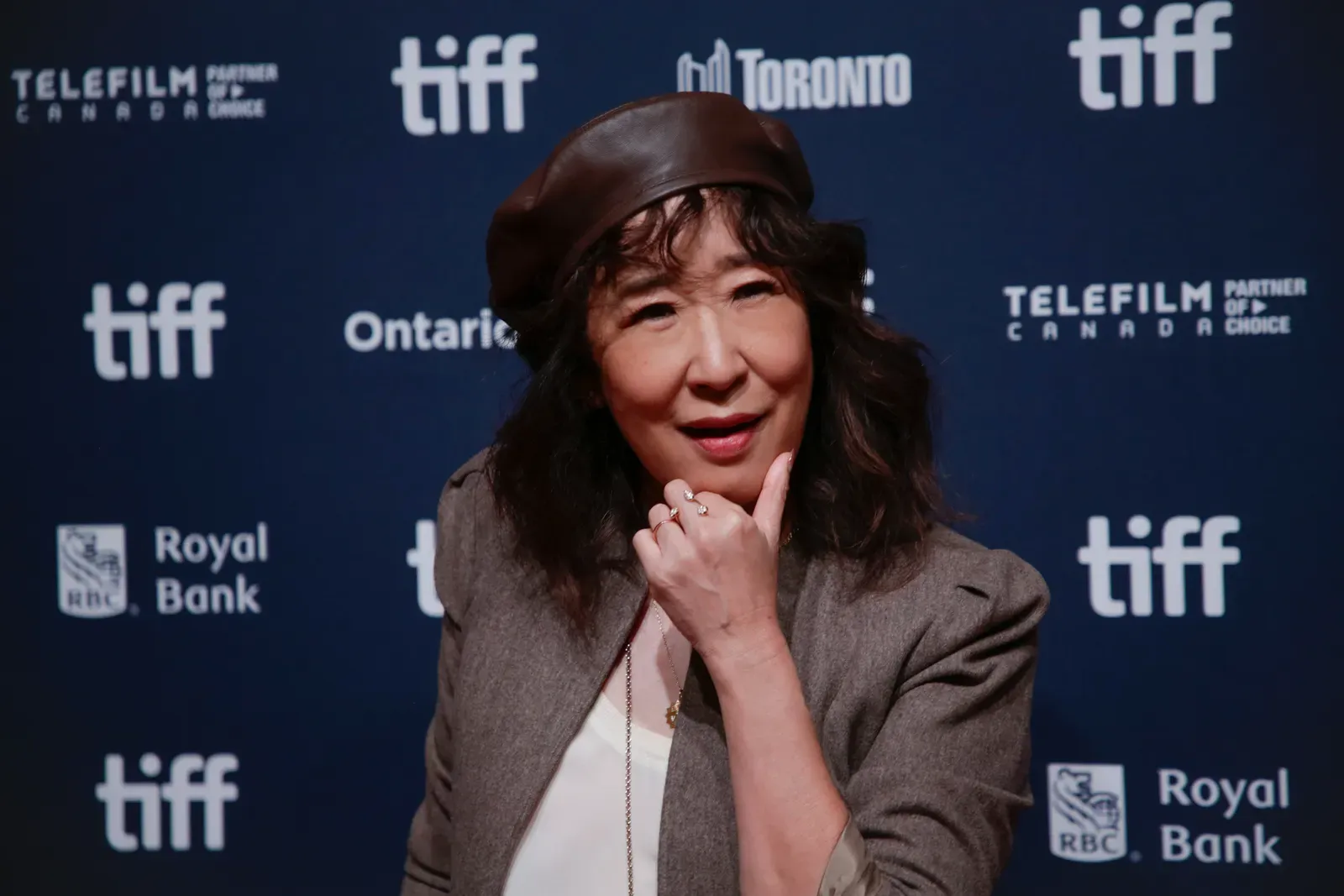
Sandra Oh: Decades of critically praised work before Killing Eve made her a star
Sandra Oh: Decades of critically praised work before Killing Eve made her a star (By Sara Komatsu, CC BY-SA 4.0)
Sandra Oh’s career stretches back to the early 1990s in Canadian independent film, where she won major domestic acting awards for work that never reached a wide American audience. She spent the 2000s in a beloved but supporting role on Grey’s Anatomy, earning Emmy nominations for a part that, however celebrated, was still one voice in a large ensemble cast.
It wasn’t until Killing Eve premiered in 2018, nearly a quarter century after her earliest screen work, that Oh finally carried a series as its unquestioned lead. The role brought her a Golden Globe and repeated Emmy nominations, recognition that arrived only after decades of proving herself in smaller rooms. Her case is a reminder that even actors with steady, visible careers can spend a very long time waiting for the role that lets them lead rather than support.
Final thoughts
Final thoughts (Image Credits: Unsplash)
What connects these seven careers isn’t luck arriving late. It’s craft accumulating quietly until the right role, the right writer, or the right moment finally lines up with it. Every one of these actresses did the unglamorous work first, often for a decade or more, long before anyone outside the industry noticed.
The “overnight success” label tends to erase all of that groundwork, which is a shame, because the groundwork is usually the more instructive part of the story. These women didn’t get discovered so much as they outlasted the industry’s short attention span, and that persistence deserves at least as much credit as the roles that finally made them famous.
Partner offer
Partner offer
Planning a trip to Vegas?
Compare hotel rates and show tickets on VEGAS.com.