Heartbreak has always been music’s most reliable muse. Every generation gets its own soundtrack for processing a relationship gone wrong, and some artists turn that pain into something closer to a public autopsy than a private diary entry. What follows is a tour through ten albums that turned romantic wreckage into art, arranged loosely on a scale from playful shade to full emotional collapse. Some of these records snap back at an ex with a wink. Others sound like they were recorded through tears in a closed room. Both approaches have produced some of the greatest albums in music history.
Olivia Rodrigo’s Sour: teenage petty perfected

Released in 2021, Sour turned a high school heartbreak into a cultural moment almost overnight. The album leans into jealousy, sarcasm, and the specific sting of watching someone move on quickly, all filtered through a voice young enough to make the pettiness feel earned rather than bitter. Tracks like the driving rock number about an ex’s new girlfriend made no attempt to hide their target, and listeners loved the lack of subtlety.
What keeps Sour from feeling shallow is the way Rodrigo balances the snark with genuine vulnerability elsewhere on the record. She swings from sardonic humor to quiet devastation within the space of a few tracks, which mirrors how actual teenage heartbreak tends to work. It is petty in the best sense, the kind of petty that feels honest rather than cruel.
Alanis Morissette’s Jagged Little Pill: righteous fury with a smirk

Few albums have made anger sound this catchy. Released in 1995, Jagged Little Pill built an entire commercial empire on the back of one furious anthem aimed squarely at an ex, complete with a jab about a waitress in a theater and lines dripping with sarcasm. It was petty, sure, but it was petty with a hook that millions of people could not stop singing.
Beneath the biting humor, though, there is real hurt driving the record. Morissette was processing a specific betrayal, and the album’s mix of confessional lyrics and alt rock production gave breakup anger a new template. It proved that resentment could be both funny and musically serious at the same time, which is a harder trick to pull off than it looks.
Taylor Swift’s Red: the bridge between petty and heartbroken
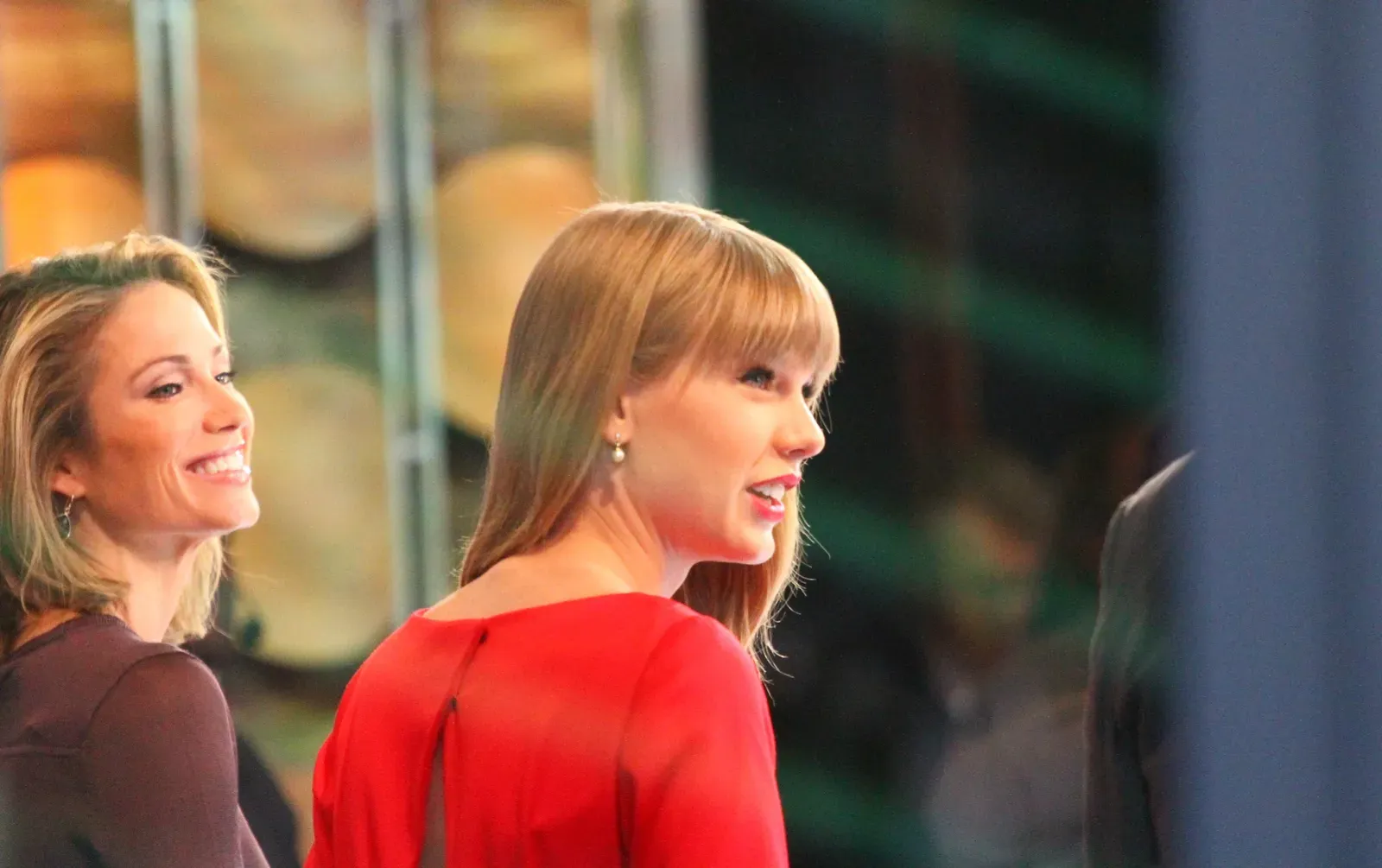
Red sits right in the middle of this list because it genuinely contains both ends of the emotional spectrum. There are moments of playful shade aimed at an ex who apparently drove a pickup truck, and then there are songs that sound like actual grief, tracks that stretch past the five minute mark just trying to capture how slowly a relationship falls apart. Few albums pivot this dramatically from cheeky to crushing within a single tracklist.
That range is exactly why Red has aged so well. It does not commit to one emotional register, which makes it feel more like a real breakup than a curated narrative. Swift would go on to write plenty more heartbreak albums, but Red remains a kind of blueprint for how to be funny and shattered in the same fourteen minutes of runtime.
Beyoncé’s Lemonade: fury with a cause

Lemonade, released in 2016, moved past pettiness into something closer to reckoning. The album traces a very public arc of betrayal, denial, anger, and eventual reconciliation, structured almost like a stage play with distinct emotional acts. It was not about a small slight or a bad text message. It was about infidelity, trust, and what it takes to rebuild something after it breaks.
The album’s power comes from its refusal to stay in one lane. Beyoncé moves from seething accusation to spiritual reflection to defiant joy, often within the same song. That range gave Lemonade a weight beyond typical breakup records, turning personal pain into something closer to a cultural statement about marriage, race, and forgiveness.
Fleetwood Mac’s Rumours: five people, one studio, total collapse
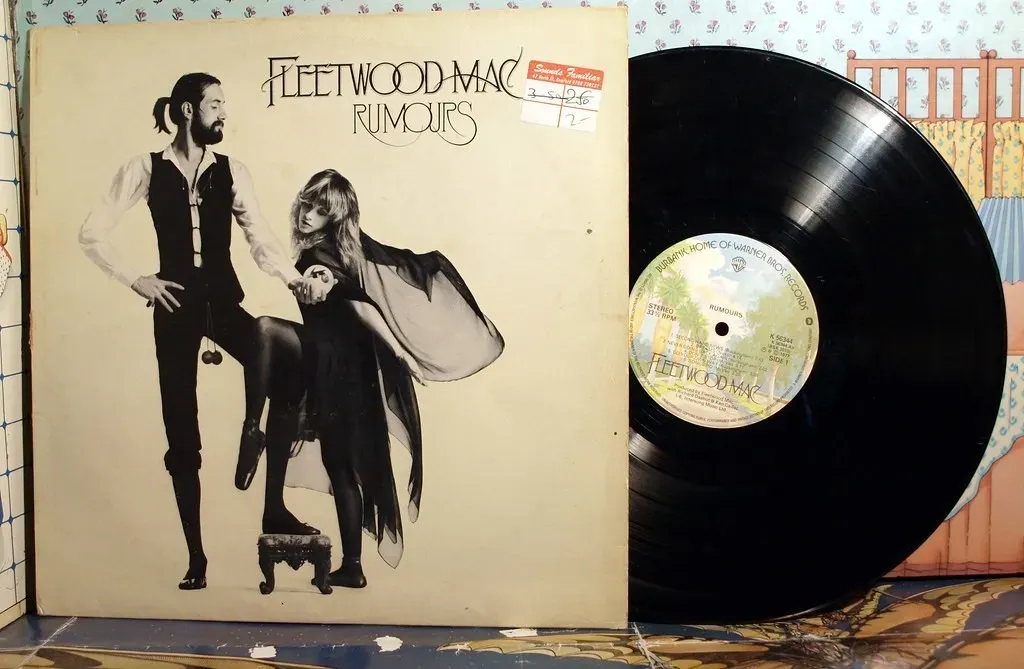
No breakup album carries quite the same mythology as Rumours. The recording sessions took place as the band members dealt with breakups with one another and struggled with heavy drug use, both of which shaped the album’s direction and lyrics. Two couples in the band, Stevie Nicks and Lindsey Buckingham, along with John and Christine McVie, were falling apart at the exact same time they had to sit in a studio together and finish a record.
The McVies divorced after six years of marriage, Mick Fleetwood found out his wife was having an affair around the same time, and Buckingham and Nicks, whose eight-year relationship had been marked by conflict, would barely speak outside of recording sessions. Somehow that chaos produced one of the best selling albums ever made. Rumours stayed atop the charts for 31 weeks, won the Grammy for Album of the Year, and became one of the biggest selling albums of all time, moving more than 45 million copies. It remains the gold standard for turning interpersonal disaster into commercial triumph.
Partner offer
SZA’s SOS: modern heartbreak in real time

SZA’s 2022 album SOS captured a very contemporary flavor of post breakup chaos, one full of contradictions rather than a single clean emotional arc. The record swings between confidence and insecurity, between wanting revenge and wanting reconciliation, sometimes within the same verse. That messiness is part of what made it resonate so widely with listeners who recognized their own scattered feelings in it.
Rather than settling into one mood, SOS treats heartbreak as an ongoing negotiation with oneself. It captures the specific modern experience of processing a breakup while still being tethered to an ex through social media and shared friend groups. That tension between wanting distance and craving closure gives the album its restless, anxious energy.
Frank Ocean’s Blonde: heartbreak as quiet dissolution

Blonde takes a different approach entirely, trading loud confrontation for hushed, almost hazy introspection. Released in 2016, the album deals with lost love and lost time in a way that feels more like memory than argument. There is little pettiness here, mostly a kind of aching nostalgia for a connection that has slipped away without a dramatic final scene.
What makes Blonde devastating rather than merely sad is its patience. Songs unfold slowly, without hooks designed for radio, which forces the listener to sit inside the ache rather than get a quick emotional payoff. It is a breakup album built for headphones and long drives rather than singalongs, and that restraint makes it hit harder over repeated listens.
Amy Winehouse’s Back to Black: heartbreak soaked in dread
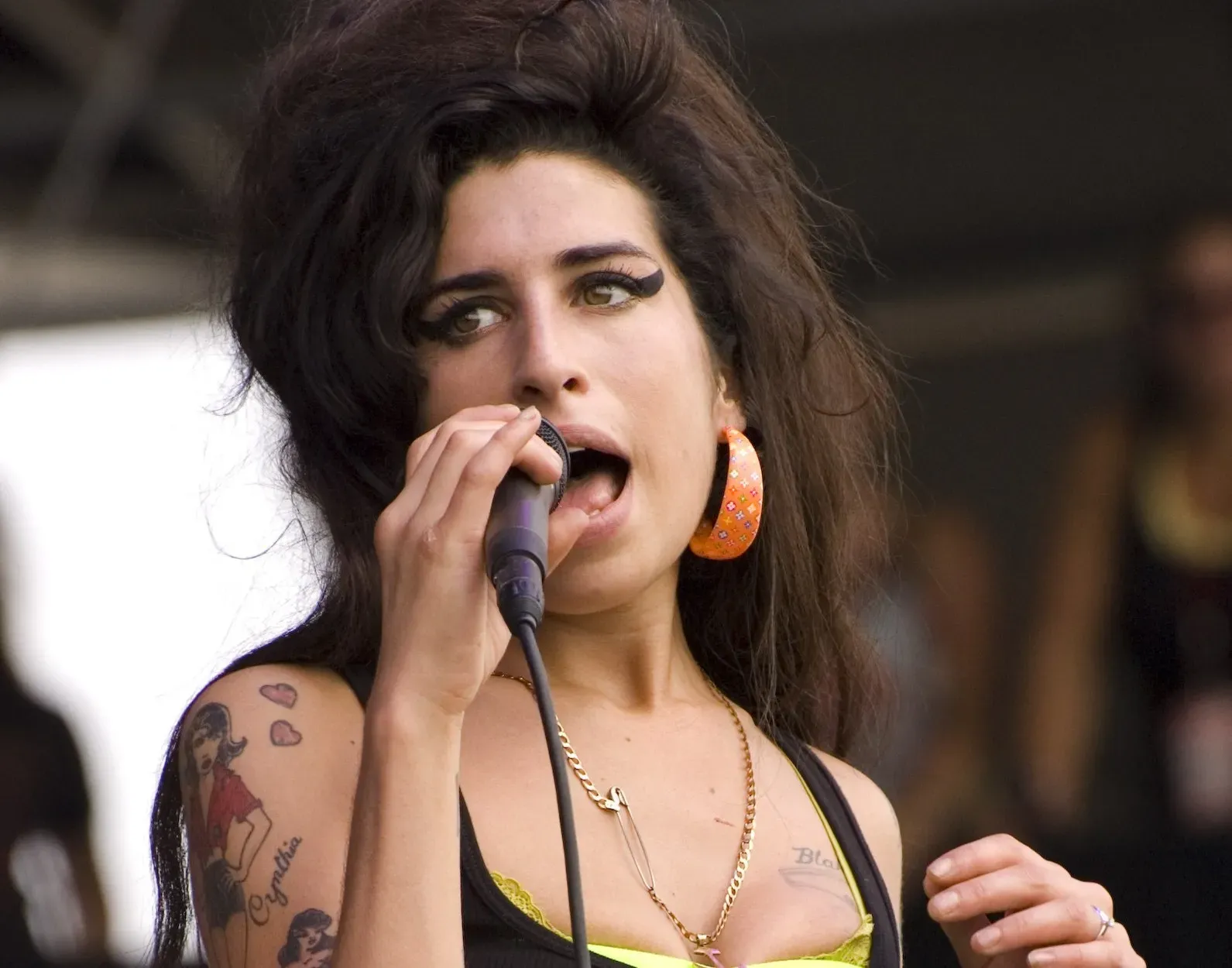
Winehouse predominantly based the album on her tumultuous relationship with Blake Fielder-Civil, who temporarily left her to pursue an ex girlfriend, and their brief separation spurred her to create an album exploring guilt, grief, infidelity, heartbreak, and trauma. Released in 2006, the record channels 1960s girl group sounds into something far darker than its influences, turning retro production into a vessel for genuine despair. Back to Black was the biggest selling album of 2007 worldwide, moving over 5.5 million copies.
The devastation here is not abstract. The breakup left her going to black, which listeners understood as a reference to drinking and depression, though the darker reading tied to heroin was inaccurate since her heroin use began later. Knowing what came after for Winehouse gives the album a heaviness that time has only deepened, turning what could have been a straightforward breakup record into something closer to a warning nobody could act on in time.
Adele’s 30: divorce processed through her son’s eyes
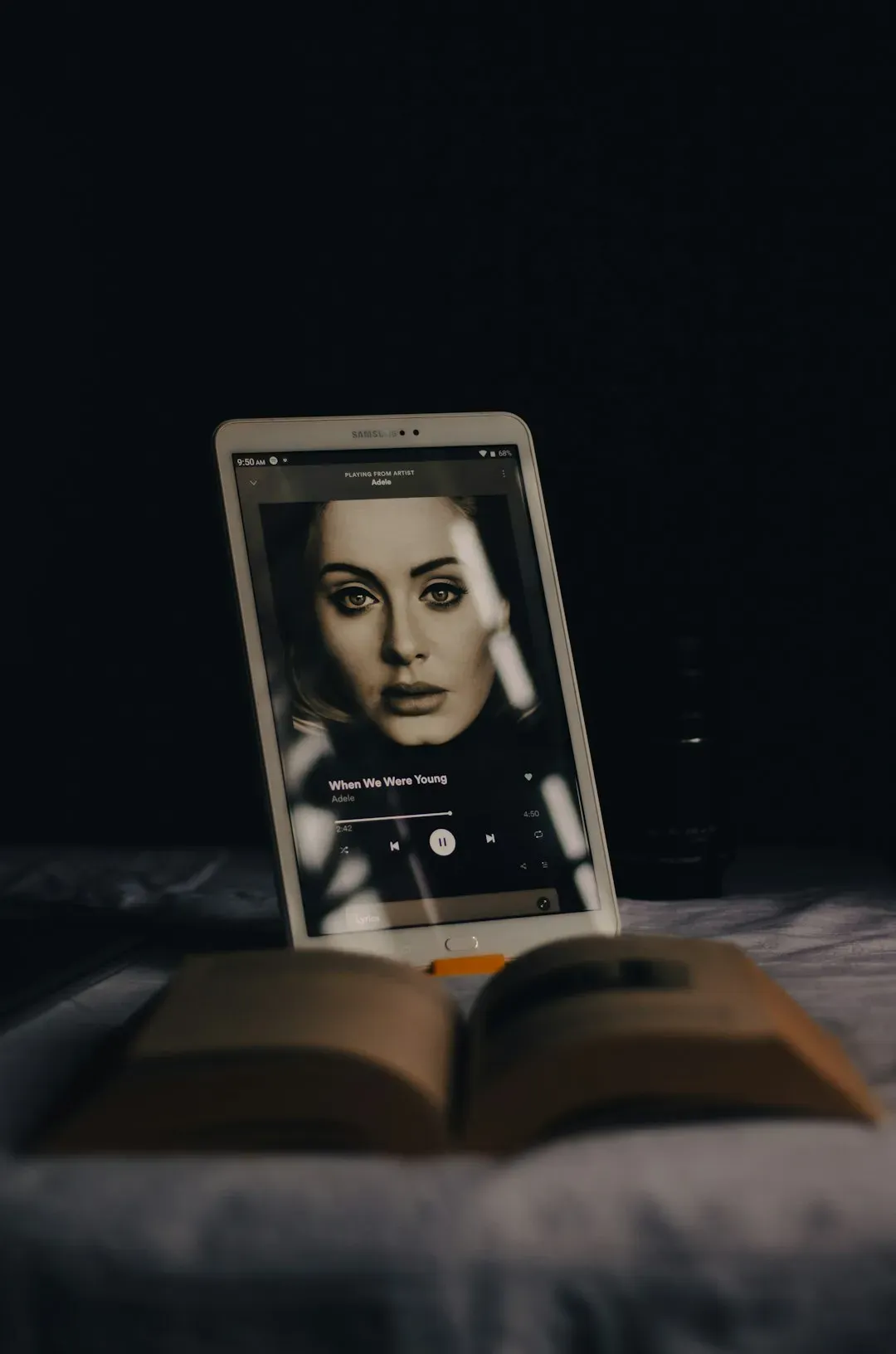
Adele’s fourth album approached heartbreak from an unusually specific angle. Released in November 2021, 30 was inspired by Adele’s experiences and anxiety following her divorce and its impact on her son’s life, along with motherhood and fame. Rather than aiming songs at an ex, much of the record functions as a letter of explanation, an attempt to help her child eventually understand what happened and why.
Adele described 30 as centering on her divorce, calling it a journey of self destruction, then self reflection, and then a kind of self redemption. That structure gives the album a shape most breakup records lack, moving from collapse toward something like peace rather than staying stuck in anger. It is devastating precisely because it takes responsibility rather than assigning blame, which is a much harder note to sustain across an entire album.
Bob Dylan’s Blood on the Tracks: the rawest breakup record ever made
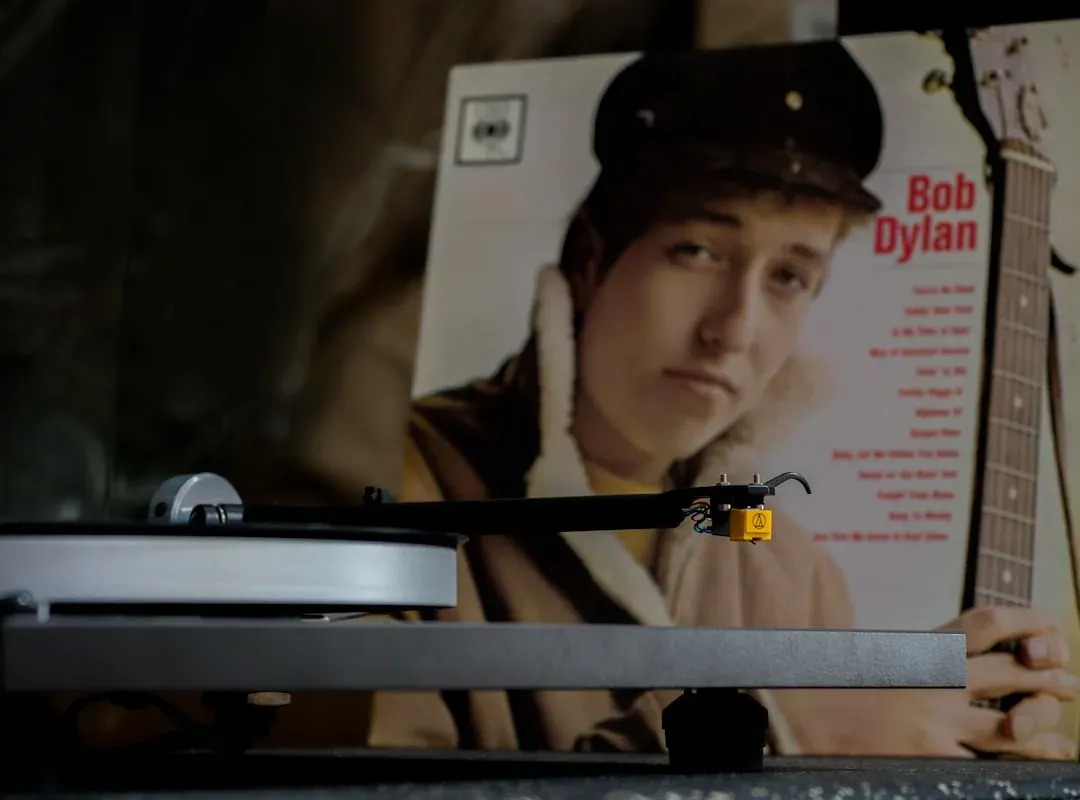
If any album earns the top spot on the devastating end of this scale, it is Blood on the Tracks. The songs have been linked to tensions in Dylan’s personal life, including his estrangement from his then wife Sara, with their son Jakob Dylan describing the songs as essentially his parents talking to each other. Released in January 1975, the record trades narrative directness for something closer to fractured memory, jumping through time and perspective in a way that mirrors how heartbreak actually scrambles the mind.
The couple eventually reconciled for a time before Sara filed for divorce in March 1977, with the settlement reportedly reaching around 36 million dollars. Dylan has spent decades denying the album was autobiographical, at one point attributing its inspiration to Chekhov short stories rather than his own marriage. Yet the raw, unfiltered bitterness and grief running through tracks about idiot winds and simple twists of fate have convinced most listeners otherwise, and that denial only adds another layer of ache to an already brutal record.
Where breakup albums leave us
Partner offer
Planning a trip to Vegas?
Compare hotel rates and show tickets on VEGAS.com.