
There’s a reason Nevada casinos don’t simply lower their prices to attract repeat visitors. Instead, they give things away. A free meal here, a complimentary hotel room there, a few dollars of free slot play on your birthday. The “comp,” short for complimentary, has become one of the most precisely engineered tools in modern retail psychology, and nowhere is it deployed more deliberately than across the gaming floors of Las Vegas, Reno, and the countless casinos scattered throughout the state.
The system works, plainly and consistently. Research by the American Gaming Association estimates that over seventy percent of customers take part in casino loyalty programs. Understanding how comps actually function, and what they quietly ask in return, is worth knowing before you swipe that player’s card for the first time.
Where the Comp Came From: A Brief History

Since first appearing in the early 1980s, casino loyalty programs have transformed the gambling experience by offering players a variety of perks that extend well beyond the gaming floor. The earliest version of the comp was deeply personal. A pit boss with a good memory would reward a familiar face with a free steak dinner, a handshake, and maybe a room upgrade. No card required, no database consulted.
It wasn’t until the early 1980s that slot players got any real recognition from the casino when, in 1982, the world’s first slot club debuted at the Atlantic City Sands. The earliest members were invited to special events and wore gold lapel pins to signify them as casino VIPs. From there, technology took over. Slot clubs grew much more sophisticated, with plastic ID cards, electronic player-tracking systems, tier levels, multiple-point promotions, and endless variations on the theme of “the more you play, the more goodies you get.”
How the Comp System Actually Calculates Your Worth

Theoretical loss, also known as “theo,” is how casinos rate your play for comps and rewards. It is calculated as: average bet multiplied by hands played multiplied by house edge. Casinos use this to determine your value as a player and how much to reward you. Importantly, your actual win or loss doesn’t matter to the casino. Your theo determines your rewards.
Casino operators base comps on that theoretical loss. A percentage of it is rebated to players as meals, rooms, and so on. Bigger bettors and those with longer play and a bigger theoretical loss get more comps. Most casinos will return anywhere from ten to forty percent of that theoretical loss amount to you in the form of comps. That’s a calculation players rarely do for themselves, which is exactly the point.
The Scale of the Business: Nevada’s Gaming Revenue Context
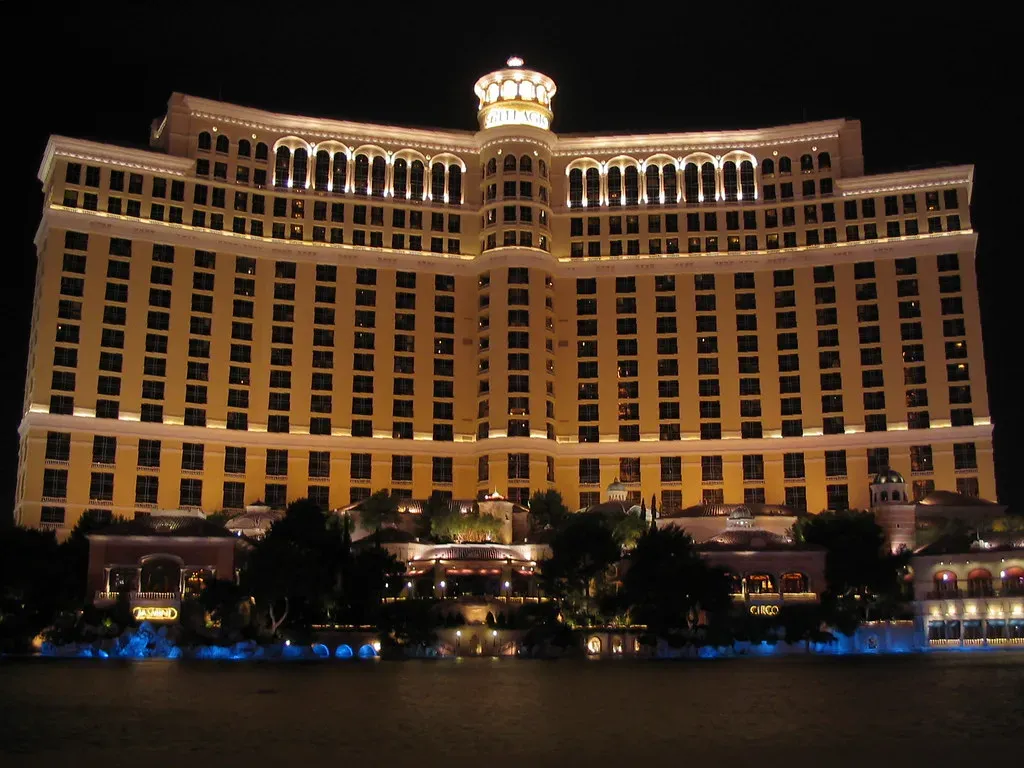
In 2024, total statewide commercial casino gaming revenue reached an all-time record of $15.61 billion, up half a percent compared to the prior year. It was the fourth straight year of record annual gaming revenue in Nevada. Nevada’s gaming revenue then hit a record $15.8 billion in 2025, marking the fifth consecutive year of growth.
Nevada Gaming Control Board filings for fiscal year 2024 show that Clark County casinos reported complimentary expenses of nearly $3.88 billion, representing a significant share of overall departmental revenue. That number isn’t charity. It is a carefully managed marketing expense, every dollar of it designed to bring players back and keep them engaged longer than they might otherwise choose to stay.
The Tier System: Engineering a Sense of Status
To develop both attitudinal and behavioral loyalty, loyalty programs offer members tangible rewards such as prizes, and intangible rewards such as special privileges, for purchasing goods and services. Most loyalty programs have tiers in which members receive different and better rewards when they achieve a higher tier status. It is believed that segmentation into tiers enhances a customer’s sense of identification and satisfaction, particularly among members in higher tiers.
Most casino hotels have a separate check-in line for high-tier members, while the highest tiers may have a completely separate process for checking in. This kind of visible distinction matters to human beings. It triggers what social psychologists call in-group identity, where membership in a perceived elite group becomes a motivator in its own right, separate from the dollar value of any reward received.
The Sunk Cost Trap Inside Every Loyalty Program
Loyalty programs, which reward players with points for their gambling activity, exploit the sunk cost fallacy. Players may feel compelled to continue gambling to “earn” their rewards, even when losing money. The logic is seductive and almost invisible. If you’ve already accumulated several thousand tier credits toward a status upgrade, leaving that progress behind feels like throwing money away, even if continuing to play costs significantly more than the reward is worth.
Consolidating your play in one loyalty program per day can make you appear more valuable to the casino. Casinos know this, and actively encourage the behavior. The programs are structured so that spreading your play across properties feels inefficient, nudging players toward deeper commitment to a single brand ecosystem. It’s a quiet form of channel lock-in.
Data Collection: The Real Currency of the Comp

Systems have become increasingly sophisticated, employing customer management software. The most sophisticated systems not only track your wagers as you play, but encourage you to use player reward cards throughout the property, including the hotel, gift shops, and even golf courses. That gives the casino important data about its customers and enables operators to tailor promotions.
Operators now deploy clustered regression models that segment players not by simple loss thresholds, but by hundreds of behavioral variables. These include session volatility, time-of-day engagement, game-switching frequency, and even reaction time to promotional emails. The distinction between published earning rates and theo-based rates matters considerably for the player’s wallet, yet most players have little visibility into which type of calculation is being applied to their play.
Personalized Offers: When the Casino Knows You Better Than You Do
AI-driven casino loyalty continues to reshape the future of online gambling, and one of the most noticeable ways is through hyper-personalization. A McKinsey study on customer loyalty reveals that personalized rewards can increase customer engagement by up to forty percent. This helps explain why loyalty programs are increasingly relying on data and are evolving to become more dynamic.
Algorithms now schedule reward delivery on variable-ratio schedules, mirroring the psychological potency of slot machine payouts. The timing of a “bonus spin” or “cashback offer” is meticulously calculated to counteract nascent frustration or boredom. That means a targeted mailer arriving in your inbox after a losing streak is not a coincidence. It is a response calibrated to the exact moment when you’re most likely to return.
What the Free Room Actually Costs You
As with tier levels, the amount of free play a guest receives increases with their play. The general rule of thumb is that higher bets and longer gambling sessions result in better free play offers from casinos. The free hotel room, celebrated as a win by the player who receives it, was earned through theoretical losses that almost certainly exceed the market value of the room itself.
Theoretical loss is the basis for tier points. The smaller the house edge, the slower tier points are awarded. This means players who gamble on games with better player odds, like video poker or blackjack played with basic strategy, accumulate comps more slowly than slot players. The system rewards those who lose the most, fastest. That relationship between comp generosity and player disadvantage is rarely spelled out in program literature.
The Problem Gambling Overlap: A Documented Risk
Some researchers and policy-makers have expressed concern that loyalty programs in the gambling industry fuel excessive gambling, particularly among people living with a gambling disorder, who are more likely to enroll in such programs. The appeal of the comp system to vulnerable players is a structural issue, not an accidental one. In casino-based loyalty programs, this may result in problematic gambling.
Responsible gambling is a crucial component of consumer loyalty. It’s likely that loyalty programs will shift to prioritize safer play in 2026, as responsible gambling elements such as voluntary limits, cooldown incentives, and educational rewards become more prominent. A focus on ethics and compliance will help casinos establish long-term trust and credibility. Whether that shift will be meaningful or largely cosmetic remains a fair question.
Slot Machines, RTP, and the Comp Calculation
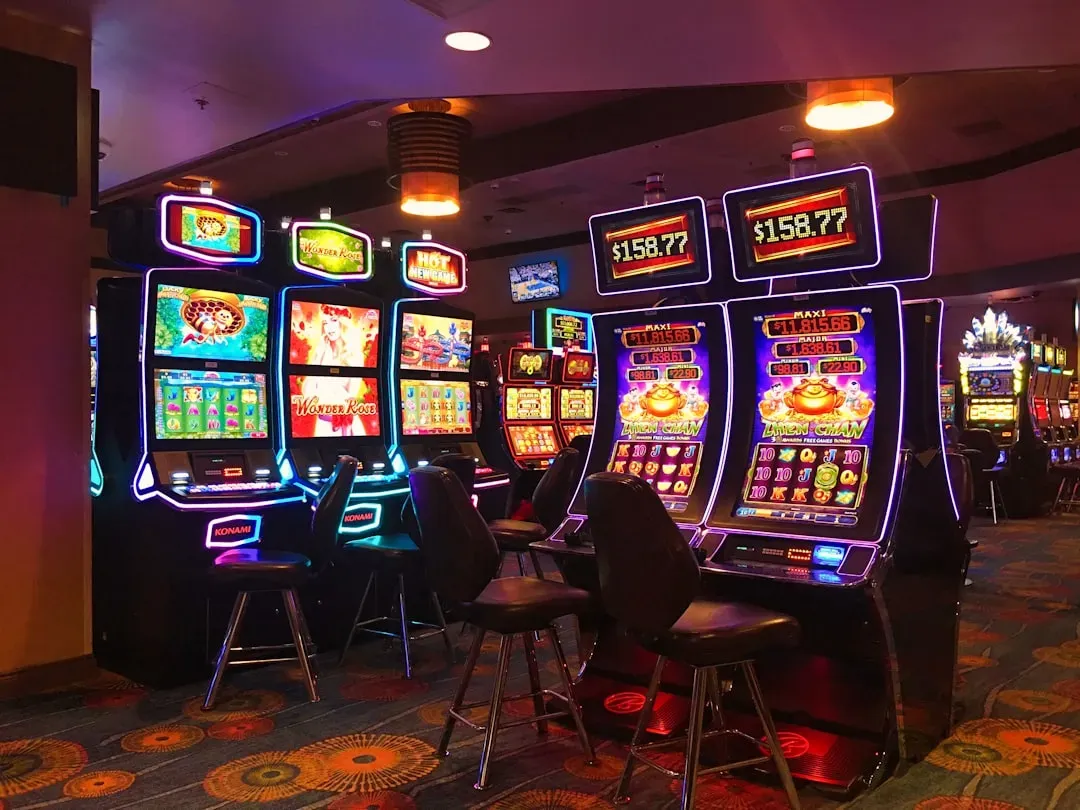
Latest regulatory reports show that slot machine win percentages in Nevada averaged 7.2 percent in 2024, slightly up from 7.16 percent in 2023, while slot machine play in 2024 was up on 2023. That figure, the house’s average take, is the baseline from which comp returns are drawn. Some clubs give as little as 0.1 percent back to players. At the top end, rare clubs have been seen with a one percent reward rate. The biggest cluster, however, is around 0.2 percent.
Total statewide gaming revenue from electronic gaming devices alone reached $10.52 billion in 2024, up 2.3 percent versus 2023. Slot machines remain the engine room of Nevada gambling, and they are also the game category where comp returns are lowest relative to the house edge taken. The glittering lights and the free play offers create a perception of generosity that the math does not always support.
Conclusion: The ‘Free’ Perk and What It’s Really Buying
Casinos understand that rewards play a crucial role in player retention. Loyalty programs, bonuses, and free offers create an environment of constant incentives, encouraging players to keep returning. When players receive perks, they feel valued and appreciated, which strengthens their emotional connection to the casino. That emotional connection is, from the casino’s perspective, the entire product. The free meal is not a gift. It is an investment with a calculated expected return.
Every casino in Las Vegas offers a free loyalty program, but most players have no idea how these programs actually work, what their play is worth, or how to compare options. The comp system is genuinely clever because it operates at the intersection of gratitude and habit. People don’t typically analyse the economics of a free dinner while they’re enjoying it. That gap between perceived generosity and actual math is where casinos have been building loyalty for decades, and it shows no sign of narrowing.