Most readers assume the version of a classic novel sitting on their shelf is the one the author intended from the start. That is rarely the whole story. Behind many beloved books lies a quieter history of second thoughts, publisher pressure, personal grief, or simple ambition to get the story right the second time around. Some of these revisions were so significant that scholars now treat the early and later editions almost as separate works.
Frankenstein and Mary Shelley’s changed vision of fate
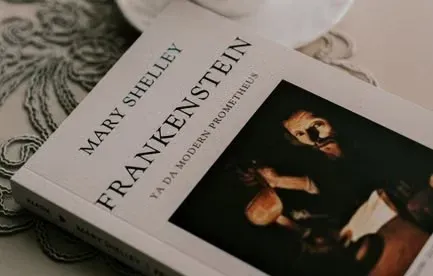
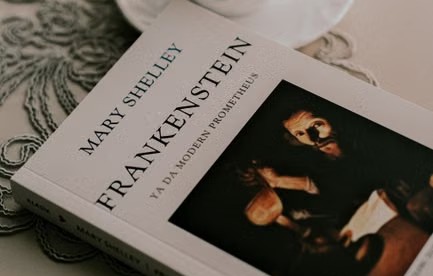
When Mary Shelley published Frankenstein anonymously in 1818, she was a young writer still finding her voice, with her husband Percy Shelley closely involved in editing the manuscript. The novel was originally published in three volumes in March 1818, and in 1831 a different publisher issued a single-volume edition that had been heavily rewritten by an older Mary Shelley. By then Percy had died, and Mary revised the book entirely on her own, shaped by years of personal loss and hardship.
The changes went well beyond polish. The story of Elizabeth Lavenza’s origin changes: in the 1818 edition she is the daughter of Alphonse Frankenstein’s sister, making her Victor’s cousin. More strikingly, scholars note that Victor’s philosophical outlook shifted between editions, moving from a man who exercises free will toward one who feels controlled by forces beyond himself, a change many trace to the pessimism Shelley developed after losing her husband and several of her children.
The Hobbit’s quiet rewrite to match a bigger story

J.R.R. Tolkien did not set out to write a sequel when The Hobbit appeared in 1937. But as The Lord of the Rings took shape over the following decade, he realized a key episode no longer fit. The Hobbit was first published in September 1937, and its 1951 second edition contains a significantly revised portion of Chapter V, “Riddles in the Dark,” which brings the story more in line with its sequel, then in progress.
In the original version, Gollum was a more pitiable creature who willingly offered Bilbo the ring as a prize for winning their riddle game. In the first edition, Gollum bets his Ring on the riddle game, and after losing he begs for Bilbo’s pardon and shows him the way out, but Tolkien made Gollum more aggressive in the second edition to reflect the concept of the Ring’s corrupting abilities. Tolkien even wove the discrepancy into The Lord of the Rings itself, explaining that Bilbo had lied to his friends about how he really obtained the ring.
Great Expectations and a famous friend’s blunt advice
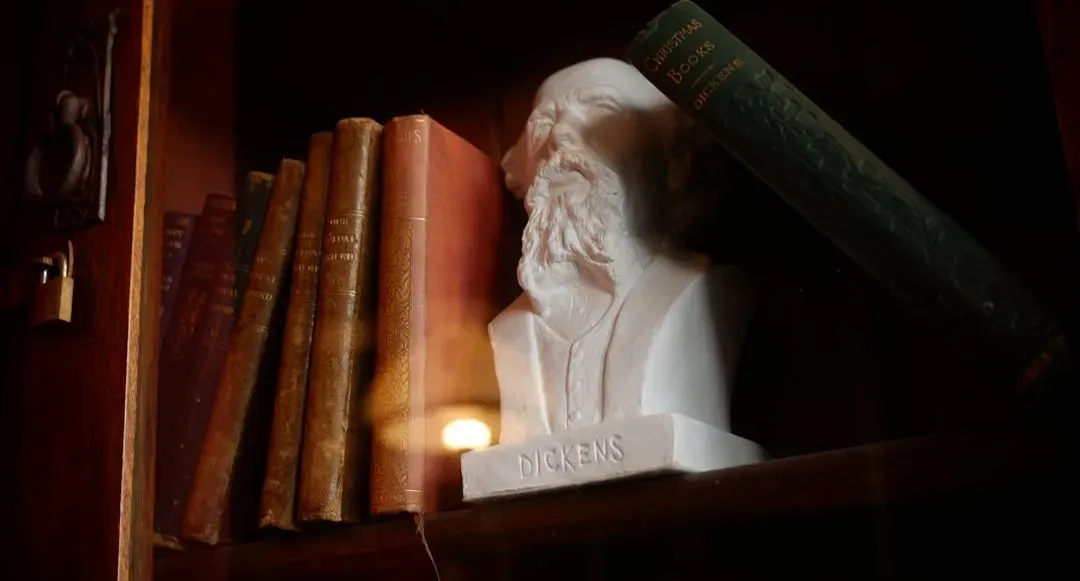
Charles Dickens wrote a far bleaker conclusion to Great Expectations than the one most readers know today. In his original draft, Pip and Estella part ways for good, with no suggestion of reconciliation. Dickens submitted Great Expectations with this ending in 1861 and went to visit his friend and fellow author Edward Bulwer-Lytton, who urged him to rewrite it before publication.
Dickens took the advice seriously, even though the manuscript had already gone to his publisher. Dickens made a significant change to the ending of Great Expectations, and he’d already sent his manuscript off to the publisher when he decided on the change. The revised ending, softer and more ambiguous about whether Pip and Estella end up together, became the standard text, though the original later resurfaced in Dickens biographies and in some modern editions that print both versions side by side.
Sister Carrie and the censorship its author never wanted
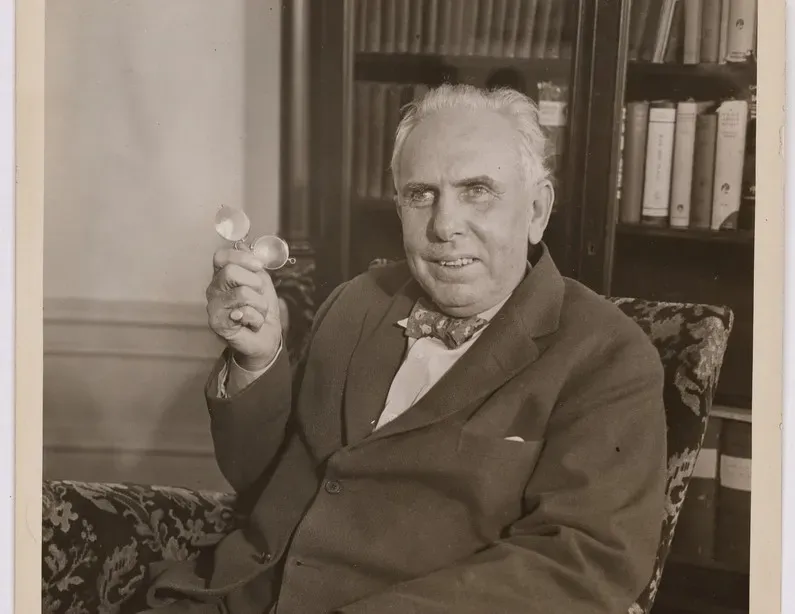
Theodore Dreiser’s 1900 novel Sister Carrie is often cited as a landmark of American literary realism, yet for eighty years readers encountered a version its author never fully intended. Eighty years ago, his wife, his friend, and his publisher did their best to tone the book down, deeming it too bleak, too sexually explicit, and too morbid philosophically, so the novel was rewritten by Dreiser even before it was submitted to the publisher, and the Pennsylvania Edition restored 36,000 words.
The publisher added further constraints of its own. Doubleday, Page and Company further insisted that all real names of theaters, bars, streets, and actors be changed to fictitious ones. It took until 1981 for a team of scholars to reconstruct Dreiser’s original intentions, producing what the New York Times called a text likely to “become the accepted standard.”
Leaves of Grass and a poet who never stopped tinkering
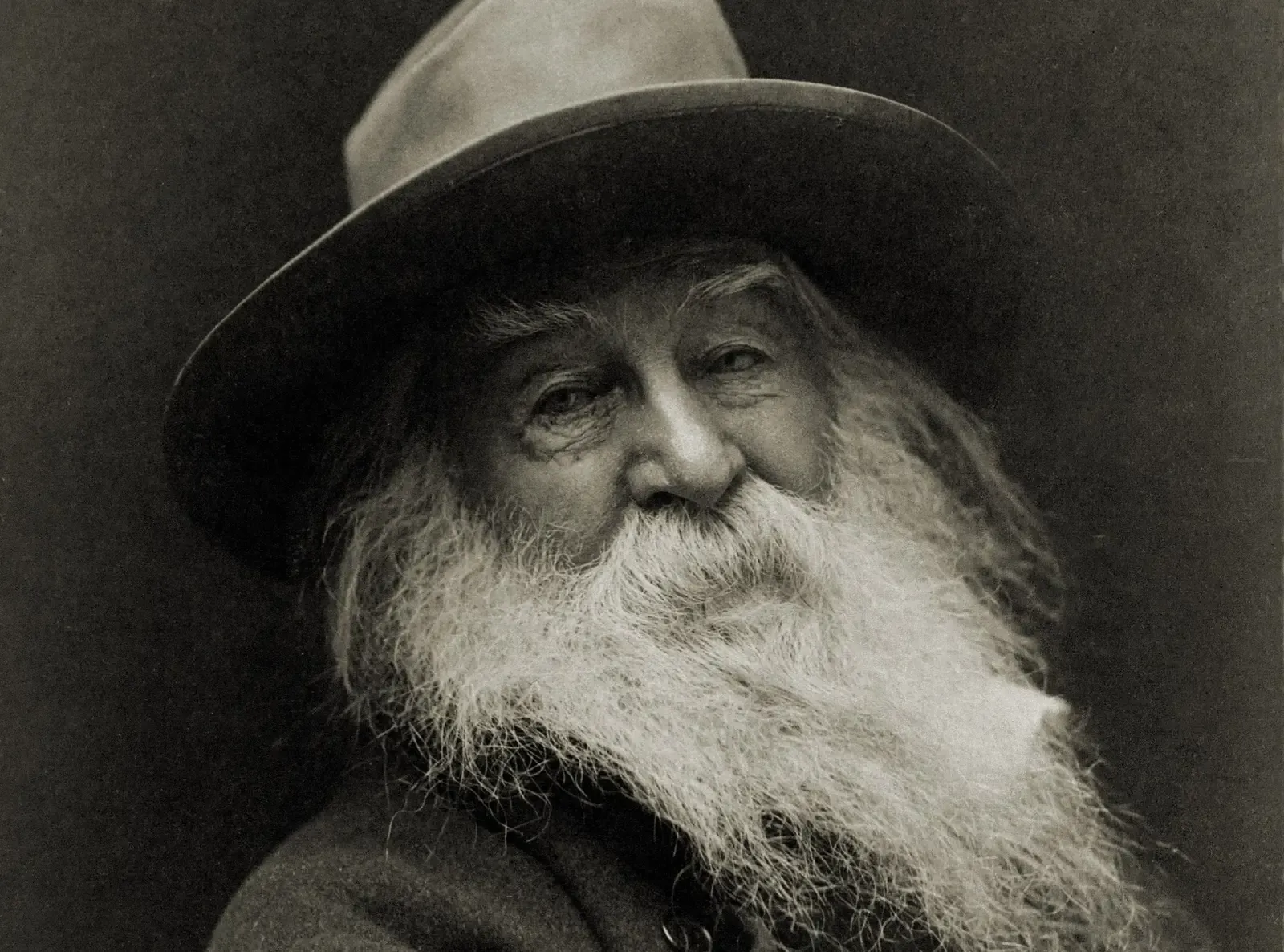
Walt Whitman’s Leaves of Grass is less a single book than an evolving project the poet reworked across nearly four decades. He first published it in 1855 as a slim volume of twelve untitled poems, then continued adding, cutting, and reshaping the collection through multiple editions until his death in 1892. Each new printing reflected shifts in his thinking about American identity, sexuality, and his own aging body, making the book something closer to a living document than a fixed text.
Partner offer
Unlike authors who revised a single novel once or twice, Whitman treated revision as an ongoing creative act rather than a correction. Later editions expanded the collection dramatically, folding in new sequences of poems while softening or removing lines that had drawn criticism in his lifetime. Literary historians generally treat the final “deathbed edition” of 1892 as authoritative, but many scholars and readers still prefer the rawer, more compact 1855 original for its immediacy.
War and Peace and Tolstoy’s long struggle with structure
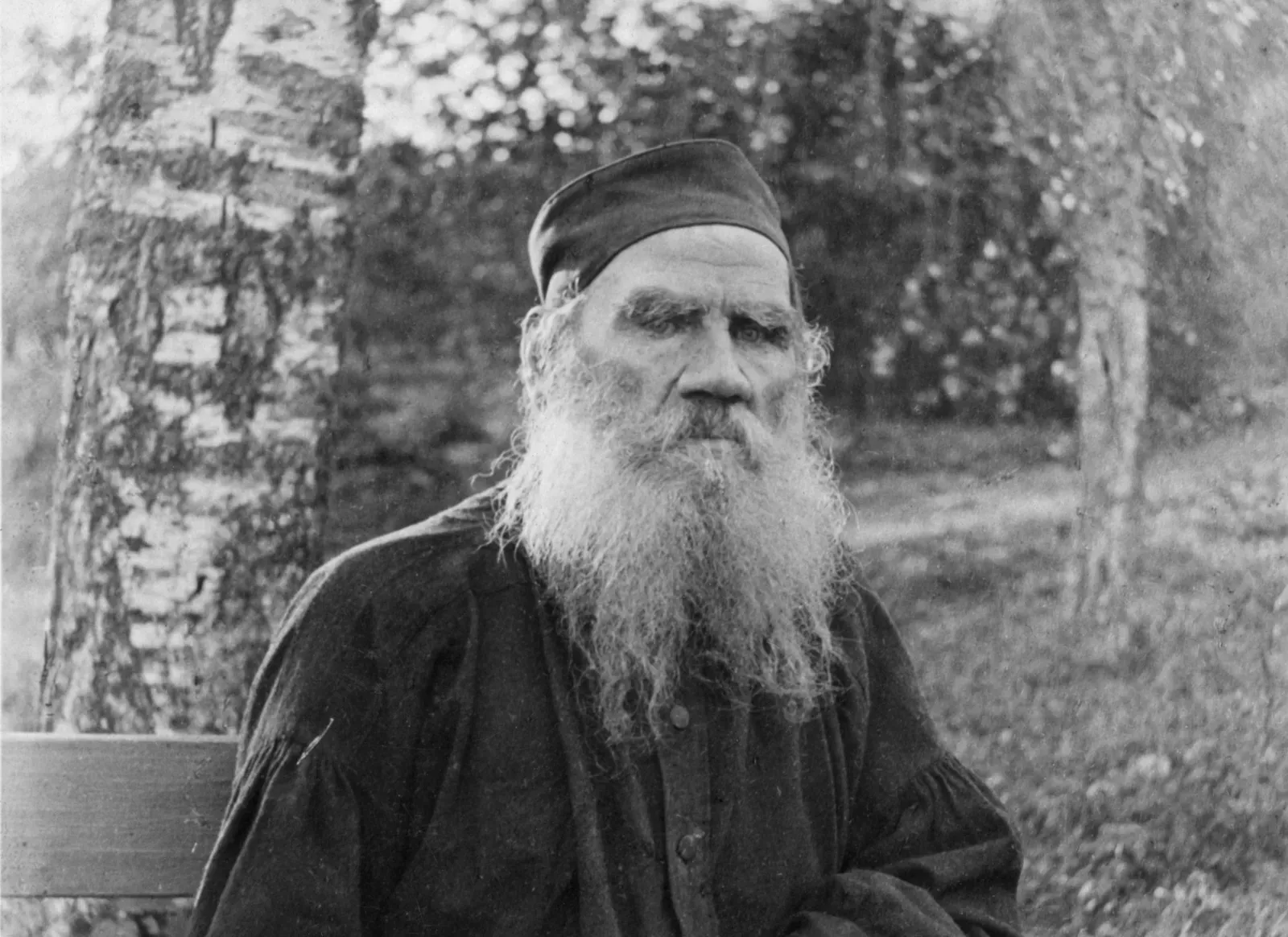
Leo Tolstoy’s War and Peace went through an unusually turbulent path to its final form, appearing first in serialized installments before Tolstoy revised it substantially for book publication. The novel’s philosophical essays on history and free will, woven throughout the narrative, were trimmed and reorganized in later editions as Tolstoy reconsidered how much theoretical digression readers could tolerate alongside the story of the Rostov and Bolkonsky families. Different editions from the 1860s and 1870s vary noticeably in length and emphasis, reflecting his shifting confidence about balancing fiction with essay.
Translators and editors have long debated which version best represents Tolstoy’s mature intentions, since he continued adjusting the text for years after its initial serialization. Some later editions trimmed the historical digressions considerably, while others restored them, leaving readers with genuinely different reading experiences depending on which edition or translation they pick up. This is not unusual for major nineteenth century Russian novels, but War and Peace stands out for how much its structure changed rather than just its wording.
Oliver Twist and the uncomfortable revisions Dickens made later in life
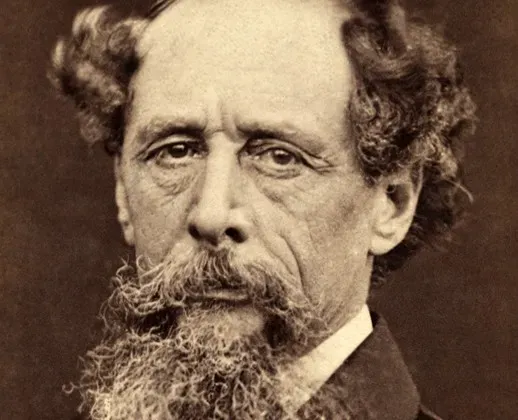
Charles Dickens revisited Oliver Twist decades after its original serialization, and one of the most discussed changes involved his portrayal of the character Fagin. In the earliest editions, Dickens repeatedly referred to Fagin simply as “the Jew,” a habit that drew criticism from readers, including a Jewish acquaintance who wrote to him directly about the harm such language could cause. For later editions, Dickens went through the text and removed many, though not all, of these references, softening a characterization that had troubled readers even in his own time.
The revision reflects a rare case of an author responding to social criticism rather than aesthetic dissatisfaction or plot concerns. It did not erase the novel’s broader stereotyping of Fagin, and scholars still debate how much the changes actually altered the character’s portrayal versus simply reducing a specific phrase. Still, it stands as one of the more socially conscious examples of a nineteenth century author adjusting a published work in response to real world feedback.
Final thoughts

Taken together, these seven cases show that the idea of a single, fixed “final” text is often more of a convenience than a reality. Some authors revised out of grief or changed philosophy, like Mary Shelley. Others bowed to a friend’s opinion, a publisher’s discomfort, or the demands of a story that had grown larger than its first draft, as with Dickens, Dreiser, and Tolkien. What unites them is a reminder that novels, much like the people who write them, rarely stay still for long.
Partner offer
Planning a trip to Vegas?
Compare hotel rates and show tickets on VEGAS.com.