There was a stretch in the 2000s when one name on a movie poster was basically a guarantee. Studios built entire release calendars around him, audiences showed up in droves, and for a few years it seemed like nothing could dent his box office armor. Then, almost overnight, the same qualities that made him a phenomenon started working against him. That star was Tom Cruise, and his decade tells a story that Hollywood rarely gets to watch play out in real time: a meteoric peak, a very public unraveling, and a slow, deliberate climb back to relevance.
A young star built for the multiplex era
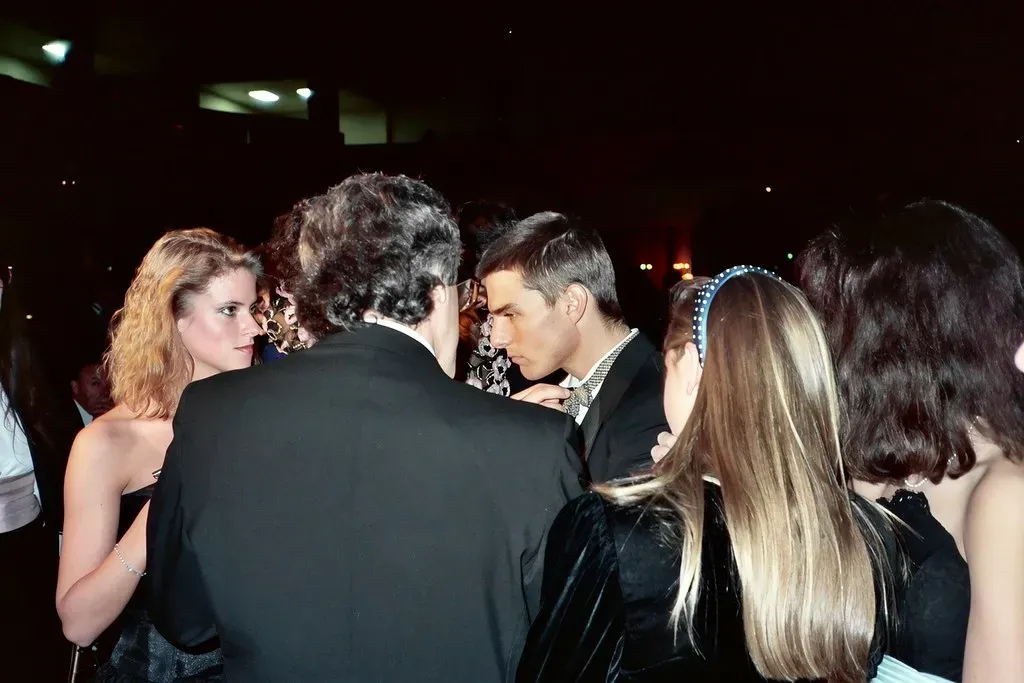
By the time the 2000s began, Cruise had already spent two decades building a reputation as one of the industry’s most disciplined performers, someone who did his own stunts and treated every release like a personal mission. He had transitioned from teen heartthrob roles into meatier dramatic work, picking up credibility alongside box office pull. That combination, charisma plus a willingness to physically commit to a role, set him apart from other leading men of his generation.
Studios noticed. Cruise wasn’t just an actor for hire; he produced his own projects through his Cruise/Wagner production company, giving him unusual control over his career trajectory. Going into the new decade, he was positioned as the connective tissue between an old studio system built on movie stars and a new one increasingly obsessed with franchises.
Mission Impossible turns Cruise into a global brand
The original Mission: Impossible in 1996 had already proven Cruise could anchor a franchise, and it grossed roughly $457.7 million worldwide, launching one of Hollywood’s most successful action franchises. But it was the sequel that truly cemented his dominance. Mission: Impossible 2 grossed more than $215 million at the North American box office and $546 million worldwide, registering as the highest-grossing movie of 2000.
The film’s reign at the top was extraordinary for its length. It held onto the title of the highest-grossing movie worldwide across the 2000s, the 21st century, and the millennium for 17 months, until Harry Potter and the Philosopher’s Stone overtook it in November 2001. For a franchise built entirely around one man’s stunt work and screen presence, that was a remarkable statement about his commercial pull.
War of the Worlds and the summer of 2005
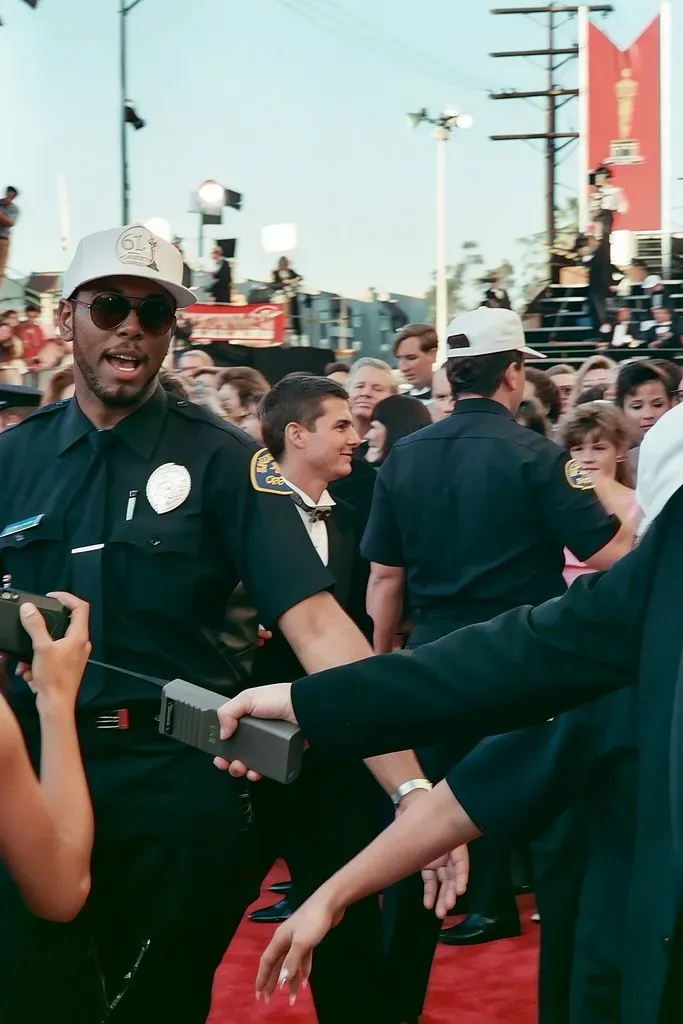
Steven Spielberg’s War of the Worlds gave Cruise another commercial peak in 2005, pairing him with one of the few directors whose name carried as much weight as his own. The film opened huge and eventually pulled in a worldwide total of $603,873,981. It remained his biggest opening weekend for years afterward, a benchmark that stood until Top Gun: Maverick arrived nearly two decades later.
On paper, 2005 should have been a banner year. Cruise had a global blockbuster in theaters, a strong critical partnership with Spielberg, and box office numbers that reinforced his status as the industry’s safest bet. Off screen, though, the same year would produce the moment that most people now remember first when his name comes up.
The Oprah appearance that changed the conversation
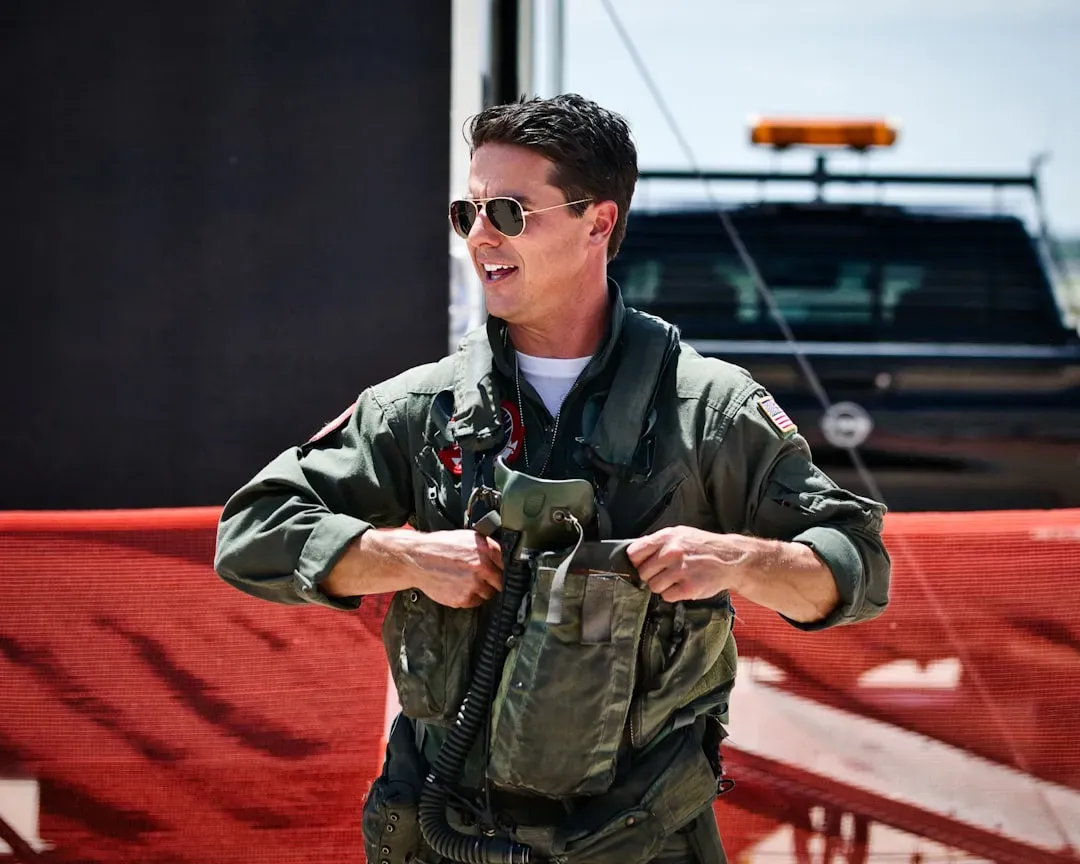
On May 23, 2005, Cruise appeared on The Oprah Winfrey Show, ostensibly to promote War of the Worlds. Instead, the interview became about his new relationship with Katie Holmes, and Cruise’s enthusiasm boiled over into a moment that would follow him for the rest of his career. He knelt repeatedly, grabbed Winfrey’s hands, and eventually leapt onto the sofa with both feet.
The footage spread with unusual speed for the era, partly because of timing. May 2005 was the month Perez Hilton launched his site and the month Huffington Post launched, two sites that showed the industry a huge revenue stream could come from talking about gossip online. The clip became inescapable, and within Hollywood it reportedly cost at least one publicist his job at Paramount over how the booking was handled.
Feuds with Brooke Shields and Matt Lauer
The couch moment might have faded faster if it had been an isolated incident. It wasn’t. Cruise’s public comments grew more combative in the months that followed, including cruel comments about Brooke Shields’ use of antidepressants following the birth of her child, and calling Matt Lauer glib during a particularly heated interview.
Those exchanges shifted the public narrative from a movie star who was simply excited about love to someone who seemed increasingly unpredictable and preachy about his personal beliefs. Scientology, which Cruise had long been associated with quietly, suddenly became a much more visible part of his public identity. The tabloid ecosystem of the mid 2000s, hungry for exactly this kind of material, kept the story running for months.
The South Park showdown and Closetgate
Cruise’s frustration with public scrutiny eventually collided with Comedy Central. The network had delayed rebroadcasting a South Park episode that satirized Scientology, and reports at the time suggested Cruise had made his cooperation promoting Mission: Impossible III contingent on the episode staying off the air. Comedy Central delayed re-airing the episode in March 2006, allegedly because Cruise declared he would not promote Mission: Impossible III unless Viacom canceled the rebroadcast.
Cruise’s representatives denied any such threat was made, but the damage to his public image was already done. The controversy made headlines worldwide and led South Park fans to declare they would boycott Mission: Impossible III until Comedy Central aired the episode. The episode eventually returned to air that July, but the episode, nicknamed Closetgate, became widely viewed as the tipping point in Cruise’s relationship with the public and with his own studio.
Paramount’s public break with its biggest star
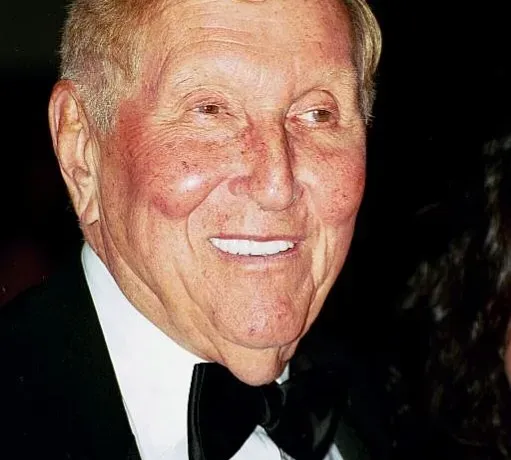
What happened next was almost unheard of in the modern studio system. In August 2006, Viacom chairman Sumner Redstone publicly severed Paramount’s long standing relationship with Cruise’s production company. Redstone told the Wall Street Journal that the studio didn’t think someone who effectuates creative suicide and costs the company revenue should be on the lot, adding that his recent conduct had not been acceptable to Paramount.
Partner offer
The statement was extraordinary because it came directly from the head of a major media conglomerate about one of his own studio’s most bankable stars. Redstone canceled Paramount’s fourteen year relationship with Cruise’s production company, Cruise/Wagner, telling the press that as much as they liked him personally, they thought it was wrong to renew his deal. For a star who had been synonymous with Paramount’s biggest franchise for a decade, it was a stunning public rebuke.
Mission Impossible III underperforms

The timing made the split even more damaging, because Mission: Impossible III had just hit theaters and underperformed relative to expectations. The film ended up as the lowest grossing in the franchise to that point, with a $400 million worldwide gross. Ticket sales fell off sharply after opening weekend rather than holding steady the way previous installments had.
Industry analysts at the time debated how much of the drop off was tied to Cruise’s off screen behavior versus simple franchise fatigue. Cruise’s Q score, a measure of a celebrity’s public appeal, was down 40% around the film’s release, and ticket sales dropped 47% in its second week and 53% the week after that. Whatever the exact mix of causes, the commercial signal was clear: audiences were pulling back from a star they had once shown up for automatically.
Tropic Thunder and the quiet rebuild
Rather than disappearing, Cruise took an unusual approach to rebuilding trust with audiences. He signed on for a small, heavily disguised comedic role in 2008’s Tropic Thunder, playing a foul mouthed studio executive under layers of prosthetics that made him nearly unrecognizable. He disappeared under prosthetics and makeup and forced audiences to love him again, moving away from PR disasters.
It was a smart, low risk move. Rather than asking audiences to trust him as a leading man again right away, Cruise let them laugh with him in a part that poked fun at Hollywood excess. He also moved his production company to MGM around this period and took a stake in United Artists, quietly rebuilding his industry standing away from Paramount’s spotlight.
The long comeback: Ghost Protocol to Top Gun Maverick

The real turning point came with 2011’s Mission: Impossible – Ghost Protocol, where Cruise performed a widely publicized stunt scaling the Burj Khalifa without a stunt double. The film earned the biggest worldwide box office in the franchise at the time, with $695 million. It reestablished the idea that Cruise’s commitment to physical, practical stunts was still a genuine box office draw.
That rebuilding culminated more than a decade later with Top Gun: Maverick, which became the defining moment of his career’s second act. The film grossed $1.503 billion worldwide, making it the second highest grossing film of 2022 and the highest grossing film of Cruise’s career. It also delivered the highest grossing domestic debut in Cruise’s forty year career, and his first film to surpass $100 million on opening weekend, a number War of the Worlds had held as his previous record for seventeen years.
Final Thoughts
Cruise’s arc through the 2000s is a reminder that box office bankability and public goodwill are related but not identical things. He never stopped being a capable, physically committed action star, yet for a few years the public simply stopped wanting to watch him.
What eventually brought audiences back wasn’t a change in strategy so much as patience, a willingness to let smaller, self aware roles do the work that no publicist statement could. By the time Top Gun: Maverick landed in theaters, the couch jumping and the Paramount fallout had become historical footnotes rather than open wounds, proof that even Hollywood’s steepest falls can be climbed back out of, given enough time and the right role.
Partner offer
Planning a trip to Vegas?
Compare hotel rates and show tickets on VEGAS.com.