
Not every gambler wants to drive an hour, pay for parking, and navigate a sprawling casino floor just to play a few rounds of video poker. For a growing number of Americans, the appeal of a neighborhood bar with a few gaming terminals is proving just as compelling – sometimes more so. This quiet shift in how ordinary people choose to spend their gaming dollars is reshaping local entertainment culture across multiple states, and the numbers are starting to back it up.
A Broader Gaming Boom Creating New Local Habits

The U.S. commercial gaming industry achieved a record-breaking $71.92 billion in revenue in 2024, marking its fourth consecutive year of growth, according to a report by the American Gaming Association. That kind of sustained momentum isn’t happening in a vacuum. More than half of American adults participated in some form of gambling and 45 percent visited a casino property in 2024. With gaming becoming more mainstream than ever, it’s no surprise that people are looking for more convenient and casual ways to participate.
Though brick-and-mortar casino revenue grew less than one percent in 2024, iGaming and sports betting continued to blossom. Traditional casino floors are still drawing crowds, but the appetite for convenient, low-barrier gaming options is quietly carving out space for a different kind of venue entirely.
Illinois: Ground Zero for the Neighborhood Gaming Explosion

In 2023, the Commission on Government Forecasting and Accountability reported over $2.8 billion in net terminal income from gaming terminals, and these are not the video gaming machines found in casinos – they are in neighborhood restaurants and bars throughout the state. That figure was up from just $485.4 million a decade earlier. The growth is staggering.
In 2014, there were 17,467 video gaming terminals in Illinois. A decade later, the total has climbed to 45,987. That’s nearly a tripling of terminals in ten years, largely housed in local bars and restaurants rather than formal casino buildings. Illinois brought in over $1 billion in tax revenue in calendar year 2024 from these distributed gaming setups alone.
What Bar Owners Are Actually Earning

According to Illinois Gaming Board reports, the average establishment in 2023 generated more than $104,000 in annual gross gaming revenue, and in April 2024 alone, establishments averaged more than $9,300 in monthly gross gaming revenue. For a neighborhood bar, that’s a meaningful revenue stream that doesn’t require expanding the footprint.
Most Illinois bars with six video gaming terminals generate between $8,500 and $9,500 in gross monthly gaming revenue. After taxes and revenue splits, they typically retain around $3,000 per month. It’s not a fortune, but it’s steady income that supplements food and drink sales without requiring a dedicated gambling license of the full casino variety.
The Convenience Factor: Why Proximity Wins

The traditional night out has changed far beyond the standard bar scene. Gaming venues are changing how people socialize, offering entertainment, competition, and social interaction in ways traditional nightspots cannot match. The micro-casino model takes that logic a step further – it brings the machines to where people already gather, rather than asking them to make a special trip.
Locals casinos offer a unique gaming experience and a strong sense of community that resonates with residents. Neighborhood gaming bars tap into exactly that community element, often attracting regulars who return not just for the machines but for the familiar faces and atmosphere. There’s a social stickiness to the local bar that a giant resort simply can’t replicate.
Younger Players Are Reshaping Casino Expectations

The 2025 Casino Player Trends Report released by marketing firm LaneTerralever revealed that a growing number of casino visitors spend their time on activities other than gaming. In fact, 45 percent of players now spend more than a quarter of their time on non-gaming activities, which is up from 20 percent in 2024. This shift signals that younger visitors aren’t as loyal to the machines as earlier generations were.
Non-gaming offerings influence repeat visits, with 67 percent of players saying non-gaming offerings have a significant impact on their decision for a return visit. While millennials are leading the charge when it comes to prioritizing non-gaming activities at 74 percent, Gen Z players aren’t far behind at 70 percent. Neighborhood gaming bars, which blend casual drinking with low-stakes gaming, happen to fit this hybrid entertainment preference quite naturally.
Gaming Venues as Social Hubs, Not Just Gambling Spots

From arcade bars with classic cabinets to high-tech gaming lounges, gaming-focused venues create environments where interaction happens naturally. Unlike traditional bars where conversations might stall, these spaces provide built-in activities that break the ice and help guests connect. The micro-casino model capitalizes on this same dynamic.
These venues also fill an important gap for non-drinkers. While traditional nightlife revolves heavily around alcohol, gaming venues provide an alternative where drinking is optional. That accessibility broadens the potential audience considerably, pulling in people who might never set foot in a conventional casino environment.
Partner offer
Regulatory Tensions Are Heating Up in Major Cities

An ordinance cracking down on unregulated gambling machines in Chicago was introduced to council by a South Side alderman who billed the measure as the first step toward legalizing video-gaming terminals in the city. The push and pull between regulation and legalization is playing out in real time. Illinois legalized video gambling in 2009 through the Video Gaming Act, however, the City of Chicago does not allow video gambling within city limits.
Revenue from video gaming in Illinois rounds out to roughly $900 million annually, and the city could stand to benefit from those tax dollars. Revenue generated within the first seven to eight months of legal operations could be as high as $90 million for the city. The financial case for expanding neighborhood gaming is hard to ignore, even for skeptical city councils. The regulatory debate is far from settled.
New Forms of Competition Are Emerging

According to the American Gaming Association, 42 percent of gaming executives cite competition from new forms of gaming as a major factor limiting operations, up from 25 percent just the previous fall. That includes everything from online sweepstakes casinos to the skill-machine gray market, which increasingly overlaps with the neighborhood bar gaming space.
Operators of skill machines and sweepstakes casino sites pay no state gaming taxes, making them a competitive threat to licensed operations that do. This regulatory imbalance is one reason local and state governments are paying closer attention to what’s happening in the gaming bars and lounges down the street from their constituents.
The Online Gaming Surge: Complement or Competition?

The commercial gaming industry continues to evolve, with online gaming making up 30 percent of nationwide commercial gaming revenue in 2024, generating a new annual record of $21.54 billion. Some analysts wonder whether mobile gaming will eventually cannibalize the neighborhood gaming bar. The evidence so far suggests it’s more complicated than that.
Social casino gaming supports increased internet usage by offering online, interactive entertainment that users can access on smartphones, tablets, and computers without needing to visit physical casinos. Yet the social element of sitting in a familiar bar with friends, playing a terminal over a beer, is something a phone screen can’t fully replace. Both formats appear to be growing simultaneously rather than at each other’s expense.
What the Future Looks Like for Local Gaming

Chicago is still in the earlier stages of video gaming compared to many other parts of Illinois. That creates an opportunity for locations to establish a consistent player base before the market matures and becomes more saturated, particularly in neighborhoods with strong foot traffic. Other states watching Illinois closely may eventually follow a similar path toward regulated neighborhood gaming expansion.
Illinois gaming revenue is projected to grow at roughly 4.2 percent year-over-year, from approximately $3 billion in net terminal income in 2024 to an estimated $3.1 billion in 2025. That trajectory points firmly upward. Local entrepreneurs are increasingly making money from gaming trends by hosting gaming-related events and incorporating machines into existing businesses. The micro-casino isn’t a fringe phenomenon anymore – it’s a genuine industry segment with its own economics and loyal customer base.
Conclusion
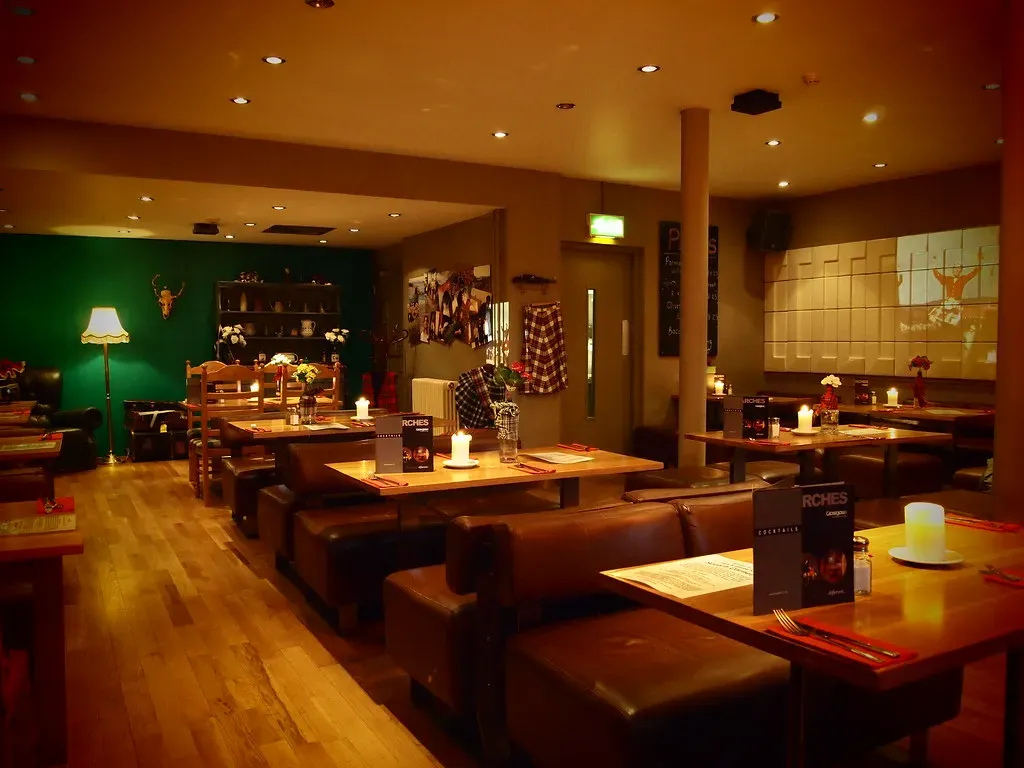
The rise of the neighborhood gaming bar reflects something real about how Americans want to spend their leisure time in 2026. Convenience matters. Community matters. The days when a casino had to be a destination with a hotel tower and a buffet are giving way to something smaller, more local, and arguably more personal.
What the Illinois model shows – with nearly 46,000 terminals tucked into bars and restaurants statewide – is that regulated neighborhood gaming can generate serious economic value while keeping the experience accessible to ordinary people. Whether other states move to replicate that model will depend heavily on political will and regulatory appetite.
The Strip isn’t going anywhere. But the corner bar with a few glowing terminals is quietly proving that you don’t need a Vegas skyline to have a good time.
Partner offer
Planning a trip to Vegas?
Compare hotel rates and show tickets on VEGAS.com.