


History is full of moments where the pursuit of knowledge crossed into something far darker. Governments and scientists, shielded by secrecy and institutional power, have conducted experiments on real human beings – often without consent, often with devastating consequences. These are not conspiracy theories or Hollywood plots. They are documented, verified chapters of history that continue to shape policy, ethics, and public trust today. What follows are six of the most shocking cases where secret experiments went horribly, irreversibly wrong.
The Tuskegee Syphilis Study: Betrayal in Plain Sight

The Tuskegee Study of Untreated Syphilis in the Negro Male was conducted between 1932 and 1972 by the United States Public Health Service and the Centers for Disease Control and Prevention on a group of nearly 400 African American men with syphilis, as well as a control group without. Researchers told the men they were being treated for “bad blood,” a local term used to describe several ailments, and in exchange for taking part in the study, the men received free medical exams, free meals, and burial insurance. Not one of them was told the truth. They were lab subjects dressed up as patients.
By the time the study was exposed, 28 patients had died directly from syphilis, 100 died from complications related to syphilis, 40 of the patients’ wives were infected with syphilis, and 19 children were born with congenital syphilis. The disclosure of the study in 1972 is correlated with increases in medical mistrust and mortality and decreases in both outpatient and inpatient physician interactions for older black men, with estimates implying life expectancy at age 45 for black men fell by up to 1.5 years in response to the disclosure. The 40-year Tuskegee Study has been cited as “arguably the most infamous biomedical research study in U.S. history,” and its revelation led to the 1979 Belmont Report and to the establishment of the Office for Human Research Protections and federal laws requiring institutional review boards for the protection of human subjects in studies.
Project MKUltra: The CIA’s Mind Control Nightmare
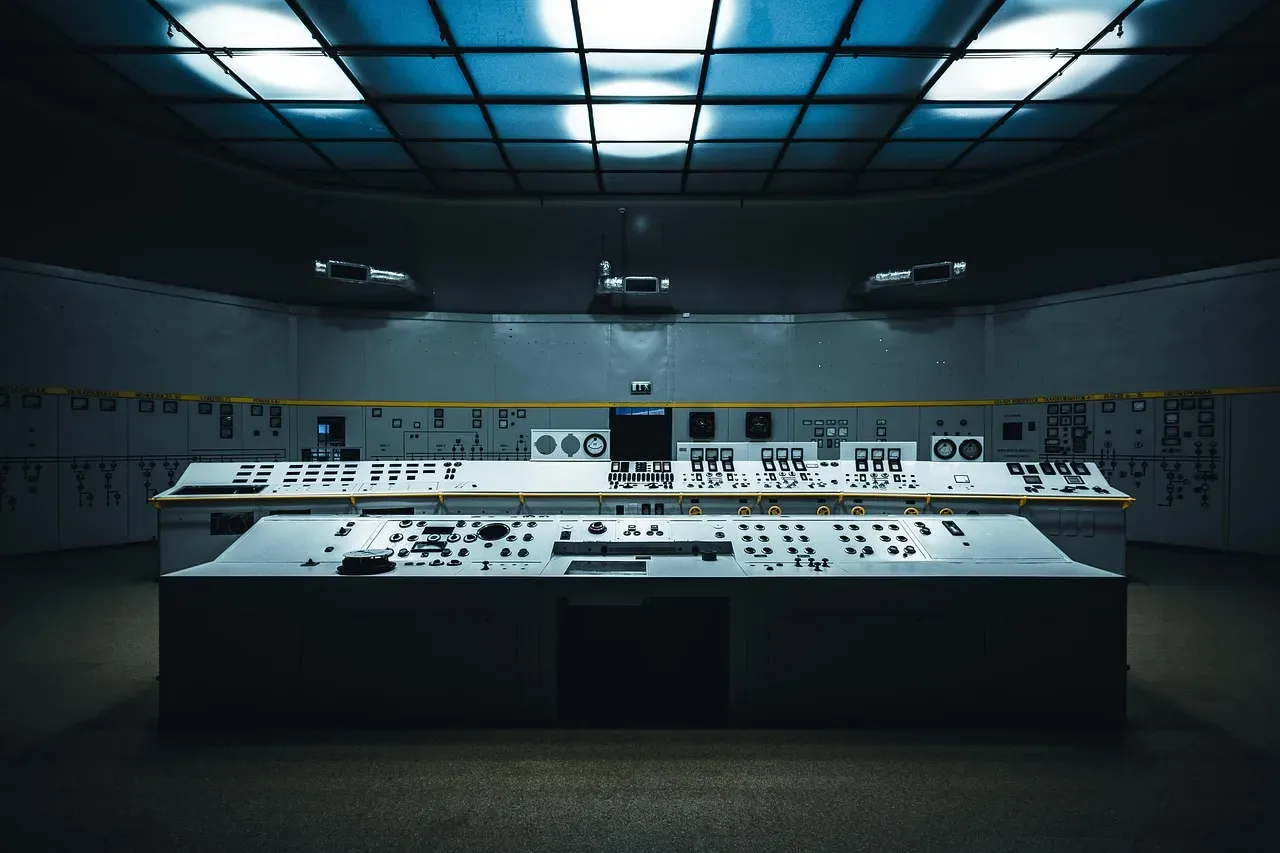
Under code names that included MKULTRA, BLUEBIRD, and ARTICHOKE, the CIA conducted terrifying experiments using drugs, hypnosis, isolation, sensory deprivation, and other extreme techniques on human subjects, often U.S. citizens, who frequently had no idea what was being done to them or that they were part of a CIA test. In the early years of the Cold War, the CIA was adamant that the communists had discovered some way to control the human mind, so they created Project MKUltra in the hopes of secretly creating a mind-control drug to use against enemies. Chemist Sidney Gottlieb created and ran the decade-long operation during its 1953–1964 lifespan. The sheer audacity of the program was staggering – it ran for decades under the noses of Congress.
In the early 1950s, MKUltra director Sidney Gottlieb arranged for the CIA to buy the entire supply of LSD for $240,000, which in 2024 would be $4,227,079. This supply gave Gottlieb the ability to spread LSD to prisons, hospitals, institutions, clinics, and foundations in order to see how citizens would react to the drug without knowing exactly what was happening to them. In December 2024, the National Security Archive and ProQuest celebrated the publication of a new scholarly document collection, CIA and the Behavioral Sciences: Mind Control, Drug Experiments and MKULTRA, bringing together more than 1,200 essential records on one of the most infamous and abusive programs in CIA history. In Canada, a class action lawsuit on the Montreal experiments has been authorized by the Quebec Superior Court in 2025, granting representation status to a survivor – admitted at the Allan Memorial Institute at age 15 – and a family member of a deceased patient.
The Stanford Prison Experiment: Science That Turned Savage
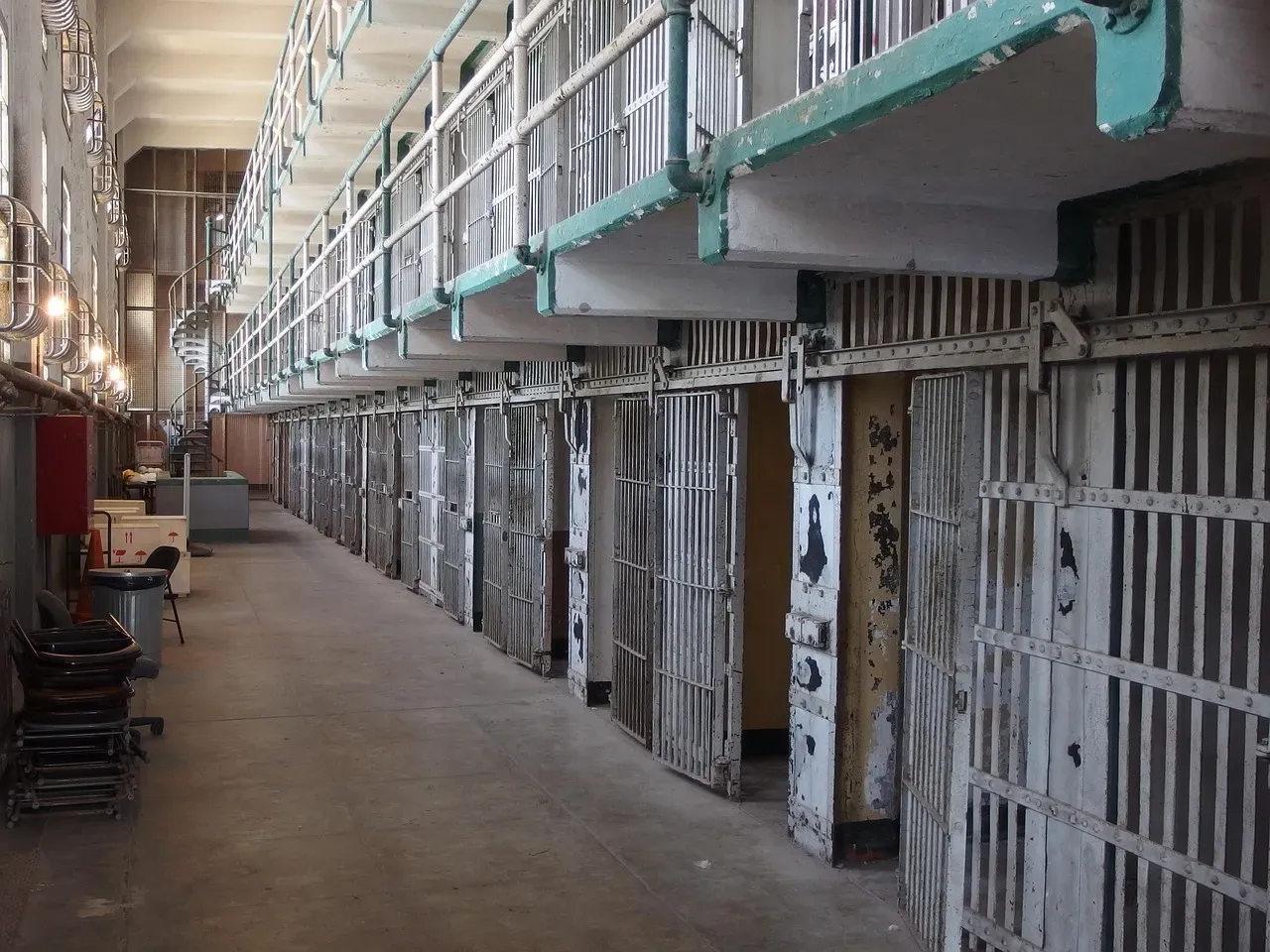
The Stanford Prison Experiment was a controversial psychological experiment performed in August 1971 at Stanford University, designed to be a two-week simulation of a prison environment that examined the effects of situational variables on participants’ reactions and behaviors. Stanford University psychology professor Philip Zimbardo managed the research team who administered the study. Participants were recruited through an advertisement offering $15 per day to male students who wanted to participate in a “psychological study of prison life,” and twenty-four participants were chosen after assessments of psychological stability and then assigned randomly to the role of prisoners or prison guards. Nobody involved expected what was about to unfold.
By day two, the volunteers playing the role of guards had begun psychologically torturing their prisoners. Stripped naked, hooded, chained, and denied food and sleep, the prisoners became traumatised, with half suffering nervous breakdowns, so that by day six the experiment – planned to last two weeks – was called off. Within the first four days, three prisoners had become so traumatized that they were released, and over the course of the experiment, some of the guards became cruel and tyrannical, and a number of the prisoners became depressed and disoriented. In 1973, an investigation by the American Psychological Association concluded that the prison study had satisfied the profession’s existing ethical standards, but in subsequent years those guidelines were revised to prohibit human-subject simulations modeled on the experiment. “No behavioral research that puts people in that kind of setting can ever be done again in America,” Zimbardo stated.
Unit 731: Japan’s Secret Army of Horrors
Unit 731 was a secretive research and development unit of the Japanese Army that carried out horrendous experiments on humans during World War II, commanded by General Shiro Ishii. The unit experimented on an estimated 250,000 men, women, and children, most of whom were Chinese, along with some prisoners of war from Russia and the Allies. The forced medical procedures involved vivisections – cutting open subjects usually without anesthesia – unnecessary limb amputations, and removal of body organs like parts of the brain, liver, lung, and others. The scale of the operation was almost incomprehensible, a factory of human suffering disguised as scientific progress.
Former members of the unit have told media outlets that prisoners were dosed with poison gas, put in pressure chambers until their eyes popped out, and even dissected while alive and conscious. After the war, the U.S. government helped keep the experiments secret as part of a plan to make Japan a cold-war ally, and it was not until the late 1990s that Japan first acknowledged the existence of the unit. In a disgraceful move, the U.S. government gave immunity to the unit’s top scientists after the war in exchange for their research. No one was ever prosecuted for what happened inside Unit 731.
The Guatemala Syphilis Experiments: A Crime Buried for Decades

Between 1946 and 1948, the United States led an experiment where doctors infected 1,300 individuals with syphilis, chancroid, and gonorrhea without consent. The subjects were exposed to pathogens via intercourse with infected sex workers, forced perforations of their spines, and by having bacteria poured on their bodies. Of the infected individuals, only about 700 received medical treatment in the form of penicillin, leaving hundreds of people to experience the full force of these horrible diseases. The victims were chosen specifically because they were powerless – prisoners, psychiatric patients, and soldiers with no voice to object.
In the 1940s in Guatemala, U.S. physicians experimented on patients with psychiatric disorders without their consent. Many of these experiments violated U.S. law even at the time and were in some cases directly sponsored by government agencies or rogue elements thereof, including the Centers for Disease Control, the United States military, and the Central Intelligence Agency. The human research programs were usually highly secretive and performed without the knowledge or authorization of Congress, and in many cases information about them was not released until many years after the studies had been performed. The ethical, professional, and legal implications of this in the United States medical and scientific community were quite significant and led to many institutions and policies that attempted to ensure that future human subject research would be ethical and legal.
Radiation Experiments on Civilians: The Cold War’s Darkest Chapter
The experiments included a wide array of studies, such as feeding radioactive food to mentally disabled children or conscientious objectors, inserting radium rods into the noses of schoolchildren, deliberately releasing radioactive chemicals over U.S. and Canadian cities, measuring the health effects of radioactive fallout from nuclear bomb tests, injecting pregnant women and babies with radioactive chemicals, and irradiating the testicles of prison inmates. Over the next 30 years, thousands of unsuspecting Americans and non-Americans were experimented on with chemicals like plutonium and radioactive iron. In Tennessee, 829 pregnant women were served “vitamin cocktails” containing radioactive iron – regularly. These were not outlier incidents. They were coordinated, funded, and deliberately hidden from public view.
From 1963 to 1973, prisoners held in Washington and Oregon prisons were subjected to doses of radiation to test its effects on human testes. With enticement from cash “bribes” and parole hints, 130 inmates let the University of Washington test radiation on them at the behest of the U.S. government, receiving doses of 400 rads of radiation – equal to a shocking 2,400 chest X-rays, given in intervals of 10 minutes. In 1986, the United States House Committee on Energy and Commerce released a report entitled “American Nuclear Guinea Pigs: Three Decades of Radiation Experiments on U.S. Citizens.” Separately, natives of the Marshall Islands were exposed to nuclear radiation fallout from the Castle Bravo nuclear test at Bikini Atoll. This nuclear test had an unexpectedly large yield, and instead of warning the residents of the radiation, the U.S. government decided to stay quiet and observe the effects of radiation for research purposes.


