
Somewhere between a crowded subway platform and a relentless open-plan office, a significant portion of the population quietly reaches the same threshold: enough. Not because they dislike people, but because their brain simply processes social input differently. The concept of a “social battery” captures this experience well. Psychologists use it to describe how energy is depleted through social interaction and slowly restored through solitude, a pattern that’s especially pronounced in introverted personalities. Cities, by design, are the opposite of quiet. They’re built for density, speed, and constant contact. Understanding how introverts navigate these environments, and what actually helps them function and flourish, tells us something useful about human limits, urban design, and what we actually need to feel okay.
What “Social Battery” Actually Means

The social battery isn’t just a catchy metaphor. It reflects something measurable. Research indicates that introverts tend to have a higher sensitivity to dopamine, the brain’s reward chemical, which means high-stimulation environments hit them harder and drain them faster than they do for their more extroverted counterparts.
Introversion isn’t shyness, and it isn’t a dislike of people. It’s more about energy accounting. These traits are more about energy sources than social skills. Introverts can enjoy socializing but have a different tolerance level for social interaction compared to extroverts. Once that threshold is crossed, recovery isn’t optional. It’s biological.
The social battery empties at different rates depending on the environment, the type of interaction, and how much control a person has over their time. In a city that never slows down, the conditions for draining that battery are essentially always present. That’s where the challenge begins.
Cities Are Wired for Overstimulation
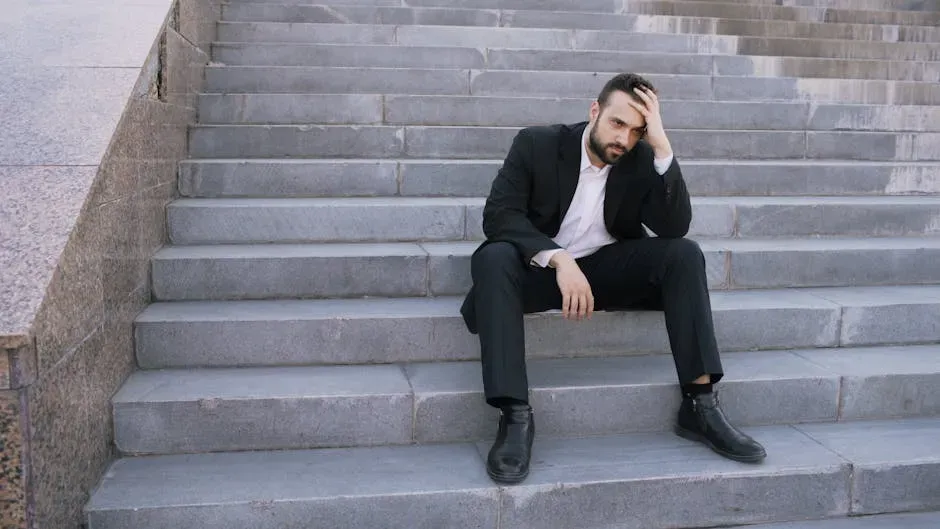
Urban living now defines the daily reality for most people on earth. More than half the global population currently lives in cities, a number that continues to climb. Rapidly increasing urbanization has major health implications. Living in cities increases the rates of depression and anxiety disorders. For introverts, the stakes are even higher because the default settings of city life, noise, crowds, constant visual input, are precisely the conditions that accelerate social and sensory depletion.
In a study of healthy volunteers using functional magnetic resonance imaging, a key brain structure for negative emotion, the amygdala, was found to be more active during stress in city dwellers. This is a significant finding. The urban environment doesn’t just feel more stressful. It actually produces measurable changes in how the brain responds to pressure.
Environmental noise and social density directly predict chronic stress levels in introverts more than any career strategy. That’s a striking observation, and it reframes how we think about city life. It’s not just about finding a good job or a nice apartment. The sensory texture of the environment itself shapes how an introvert functions day to day.
The Noise Problem Is Bigger Than It Seems
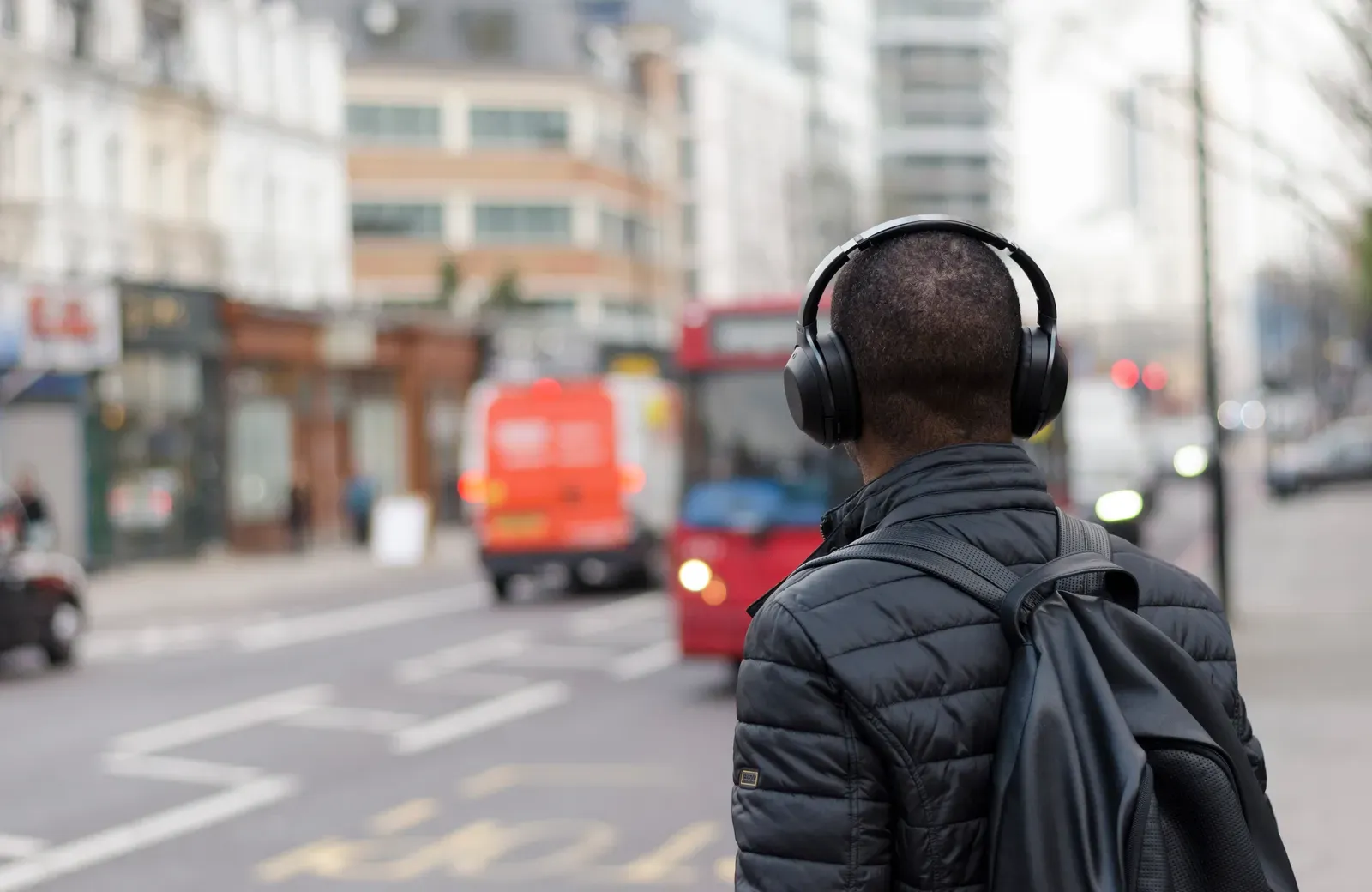
Most people think of city noise as a background inconvenience. For introverts and noise-sensitive individuals, it’s considerably more than that. Noise pollution in major cities frequently exceeds 70 decibels, a level that sits above the threshold considered safe for long-term exposure by most health authorities. The consequences aren’t just about hearing.
An increasing body of compelling research confirms that exposure to noise, particularly from traffic sources, can potentially impact the central nervous system. These harms increase the susceptibility to mental health conditions such as depression, anxiety, suicide, and behavioral problems in children and adolescents. The relationship between sound and mental health is far more direct than most urban residents realize.
Meta-analysis found that depression was approximately 1.23 times greater in those who were highly noise-annoyed. There was also an approximately 55% higher risk of anxiety in highly noise-annoyed people. For someone whose nervous system already processes stimulation more intensely, the cumulative toll of constant urban noise isn’t trivial. It can quietly erode mood, focus, and emotional regulation over months and years.
Loneliness in the Most Crowded Places
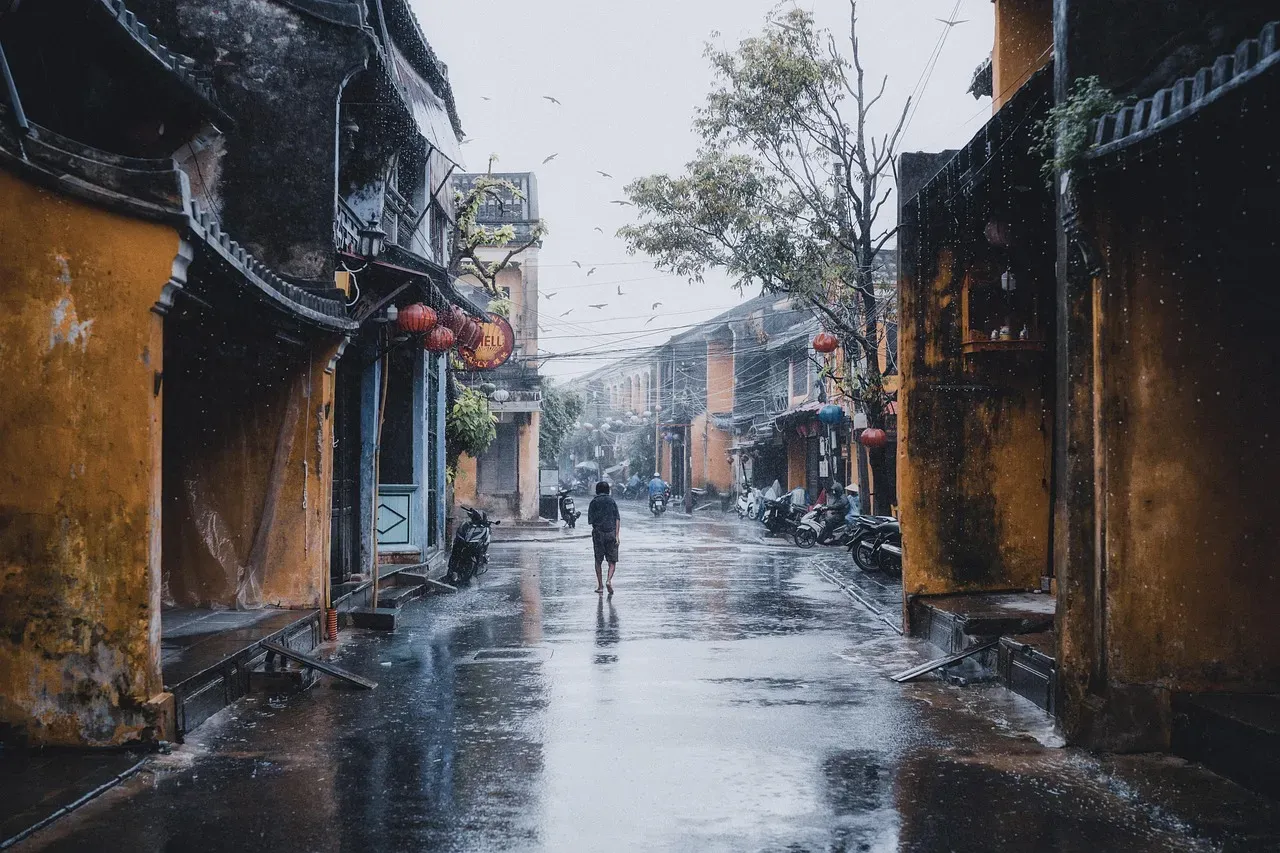
One of the more counterintuitive realities of city life is that density doesn’t prevent loneliness. Census data shows about 2 in 5 Americans in 2024 said they deal with loneliness sometimes, usually, or all the time. This is striking because cities are explicitly designed around proximity, yet proximity alone doesn’t create connection. For introverts, it can sometimes do the opposite.
A study published in the journal Scientific Reports shows that cities pose certain risks, with overcrowding and population density associated with higher levels of loneliness. Being surrounded by strangers in a constant state of motion is not the same as having meaningful contact. Introverts often find that kind of ambient social noise more exhausting than no interaction at all.
According to Census data from September 2024, the metro regions with the highest rates of loneliness include Riverside, Detroit, Atlanta, and Seattle. These are followed by Los Angeles, Boston, New York, and Philadelphia, all of which have higher loneliness rates than the national average. Size and density don’t insulate against isolation. If anything, they can make the disconnection feel sharper.
The Remote Work Shift and What It Changed
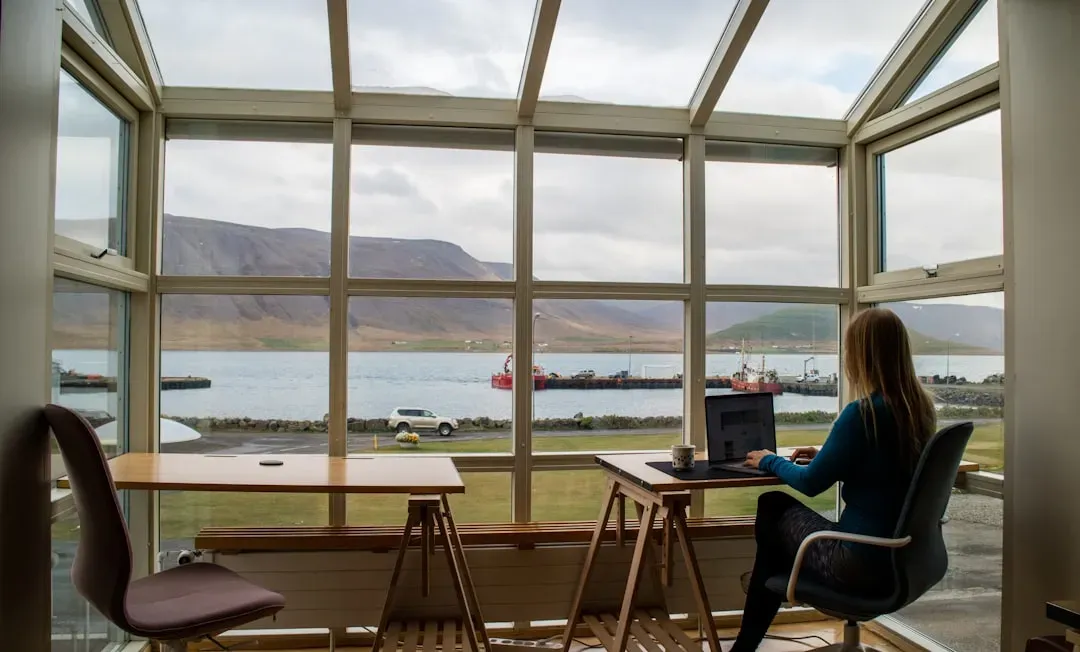
The rise of remote and hybrid work over the past several years has quietly reshaped the daily equation for many introverts living in cities. Having more control over when and how much social exposure happens in a given day is, for many people, a genuine quality-of-life shift. Remote workers often report higher well-being than on-site employees when trust and clarity are preserved.
Partner offer
Still, the picture isn’t uniformly positive. While introverts may thrive with less social interaction, even they need some connection. The absence of casual hallway conversations, spontaneous problem-solving sessions, and the energy of being around colleagues can leave remote workers feeling disconnected and lonely. The social battery requires charging as well as protecting. Total isolation is not the goal.
Gallup’s State of the Global Workplace 2025 report found that while fully remote workers report higher engagement, only 36% say they are thriving in their lives overall, compared to 42% of hybrid workers. Fully remote employees are more likely to experience anger, sadness, and loneliness than hybrid counterparts. For introverts, this suggests the sweet spot isn’t zero social contact. It’s the ability to choose the terms of that contact.
Solitude as a Functional Tool, Not a Retreat
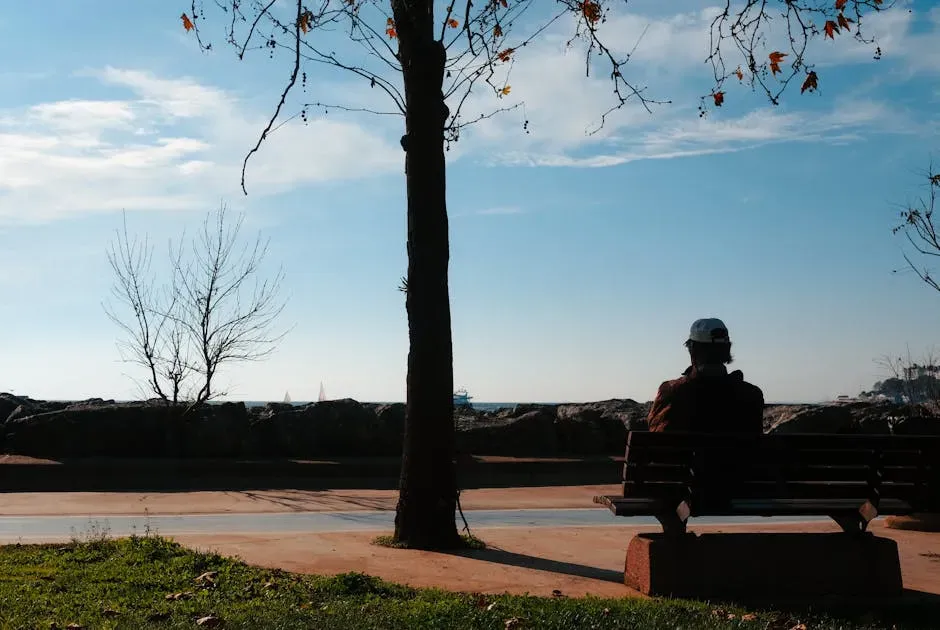
Research shows alone time can actually boost overall well-being, increasing emotional regulation, contentment and creativity. This matters because solitude is still widely treated as a sign of something wrong, a symptom of antisocial behavior or social failure, rather than a legitimate recovery mechanism that many people genuinely need.
Research by Liu and Csikszentmihalyi found that participants who were more extroverted reported more frequent flow during social activities, whereas introverts were more likely to experience flow while in solitude. Flow is the state of deep, absorbed engagement where some of a person’s best cognitive work happens. For introverts, solitude isn’t just rest. It’s often when they’re operating at their sharpest.
In the absence of social and cognitive stimulation, solitude can be accompanied by positive emotions like calmness and restfulness. These aren’t passive states. They’re the conditions under which emotional regulation is restored and creative thinking becomes possible again. In a city context, learning to access these states, even briefly, within a high-stimulation environment is a genuine skill.
Green Spaces as Recovery Zones
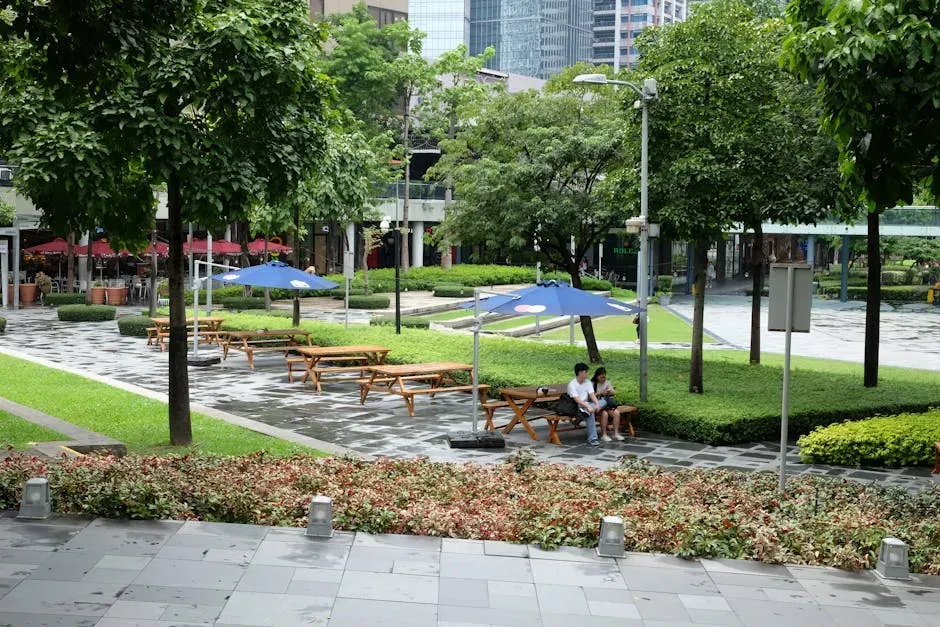
One of the more well-supported findings in urban mental health research is the role that access to nature plays in stress recovery. Parks, trails, and even small pockets of greenery serve a measurable function for overstimulated nervous systems. The presence of green spaces and noise-buffering infrastructure is associated with lower levels of anxiety and depression, whereas high-noise urban zones are linked to increased psychological distress.
Investing in the development of green spaces such as parks, gardens, and trails is one proven way to build social cohesion and connection within urban areas. For introverts specifically, these spaces offer something different: a place to be among people without being fully engaged with them. The park bench, the quiet trail, the museum on a slow Tuesday morning. These environments allow presence without performance.
Choosing cities that offer walkable neighborhoods, green space access, and creative communities you can engage with independently turns out to be one of the most consistent predictors of introvert well-being in urban settings. It’s not about finding a quieter city, necessarily. It’s about finding a city where quiet is genuinely accessible.
Practical Strategies for Managing Energy in a High-Demand City
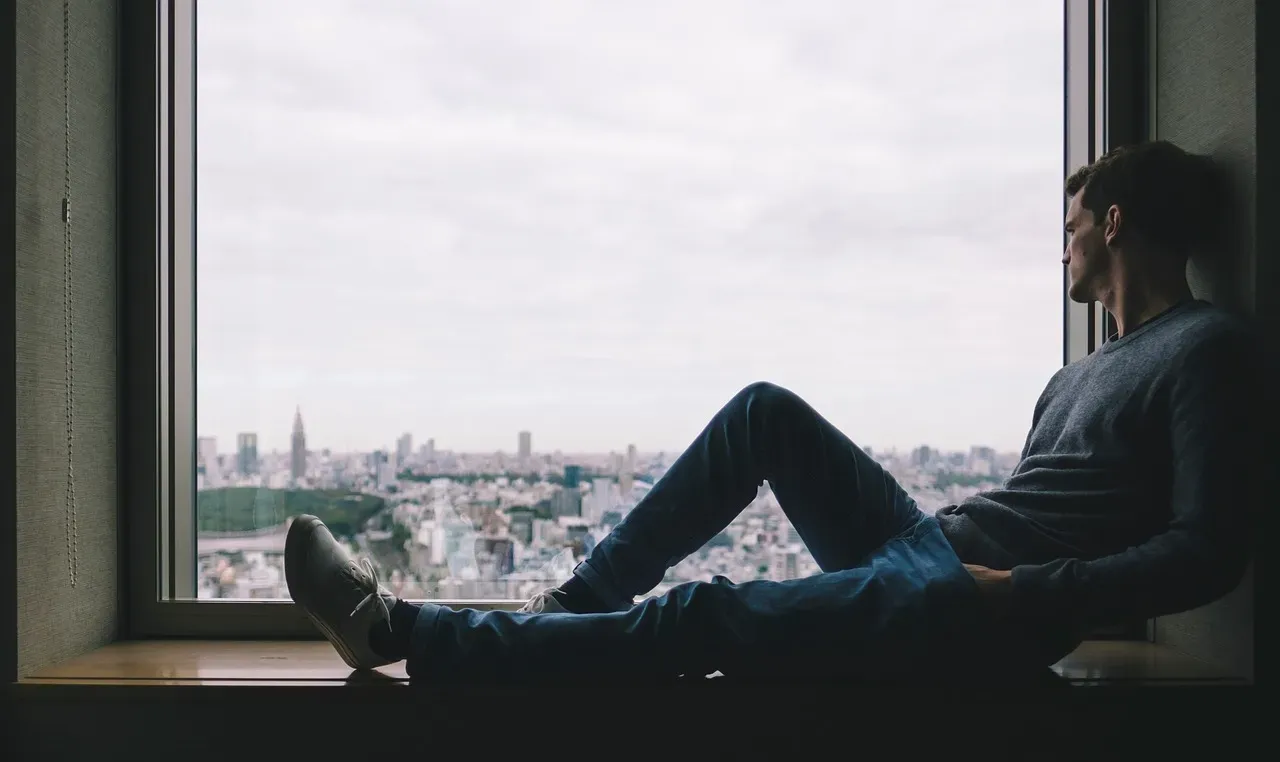
Thriving as an introvert in a major city rarely happens by accident. It tends to involve deliberate choices about how time and energy are allocated. Setting clear boundaries is essential for introverts to protect their energy and maintain their mental health. One effective approach is to create a routine that includes dedicated alone time for activities that recharge and energize. Treating recharge time as non-negotiable rather than a luxury changes the calculus significantly.
Structuring social commitments is another lever. The difference between a draining week and a manageable one often comes down to sequencing. Spacing out high-energy obligations, building in transition time between social events, and being selective about which interactions are truly worth the energy cost can preserve the battery across a longer stretch. Having a city that genuinely supports a more introspective lifestyle means having affordable solo living options, rich independent cultural scenes, access to green space and nature, and a sense of safety that makes venturing out on your own feel comfortable.
Research shows that time spent alone can reduce stress, improve emotional regulation, and foster a deeper understanding of personal goals and desires. In a city context, even fifteen minutes of intentional solitude, a walk without headphones, a quiet coffee before the morning rush, carries disproportionate returns for those who genuinely need it. The goal isn’t to withdraw from the city. It’s to stay in it sustainably.
Conclusion
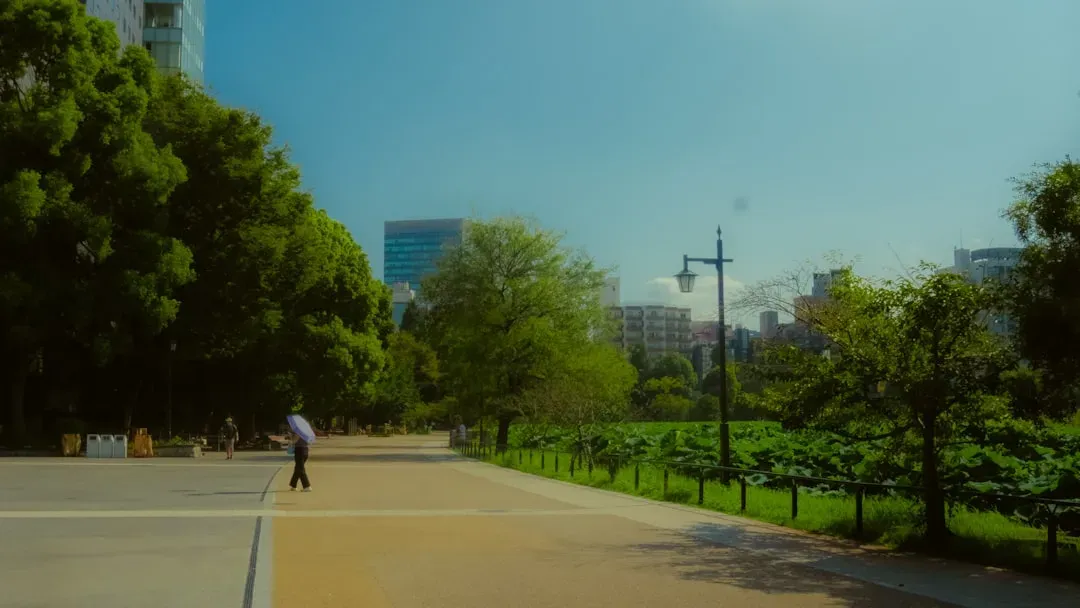
Introverts have always existed in cities, and they’ve always found ways to carve out space within them. What’s different now is that we have better language for what they’re experiencing, and better evidence for what actually helps. The social battery isn’t a weakness. It’s a reality of how a significant share of the population is wired, and cities that acknowledge this, through quieter infrastructure, accessible green space, and flexible work arrangements, tend to produce healthier residents across the board.
The introvert navigating a high-energy city isn’t trying to opt out of urban life. They’re trying to stay in it long enough to enjoy it. That distinction is worth designing around.
Partner offer
Planning a trip to Vegas?
Compare hotel rates and show tickets on VEGAS.com.