
Every so often, an awards show hands out a trophy that feels perfectly reasonable in the moment and slightly absurd a decade later. The Grammys have had more than their share of these moments, but one from the mid 1960s still gets brought up whenever people argue about how badly voting bodies can misjudge a song’s staying power.
It involves a tune so familiar that most people can hum it without thinking, a competitor that most casual music fans have never heard of, and a Grammy ceremony that, in hindsight, picked the wrong side of history almost comically clearly.
The night Record of the Year went sideways

At the 8th Annual Grammy Awards, held in 1966, the Record of the Year trophy went to Herb Alpert & the Tijuana Brass for their instrumental version of “A Taste of Honey.” The award went to producers Jerry Moss and Herb Alpert for “A Taste of Honey” performed by Herb Alpert & the Tijuana Brass, beating out a short list of competitors that included one particular Beatles song.
That competitor was “Yesterday,” produced by George Martin. George Martin was nominated as producer for “Yesterday” performed by The Beatles, and losing to a jazzy instrumental has become one of the most cited examples of Grammy voters missing the bigger picture entirely.
What made “A Taste of Honey” a winner in 1966
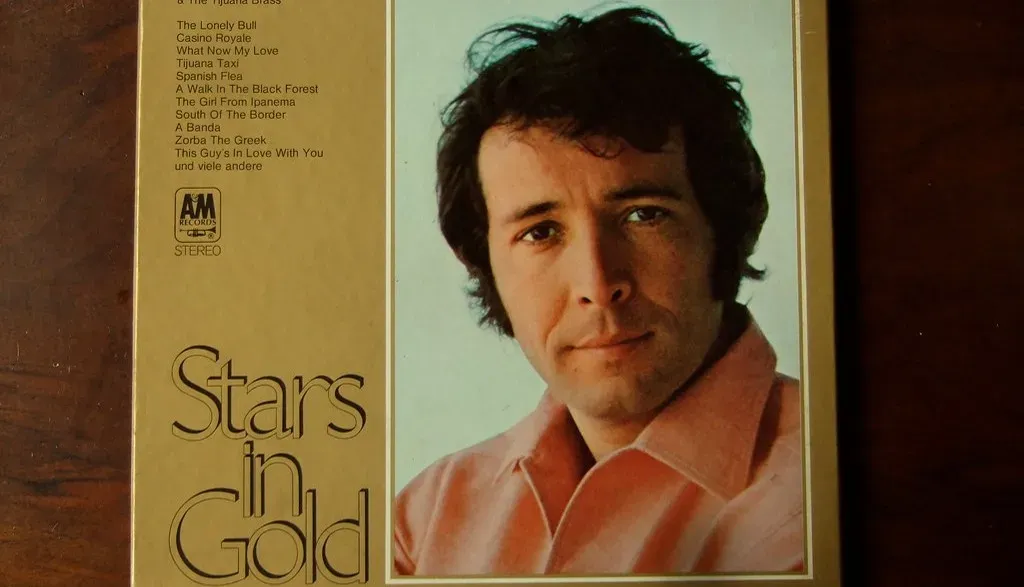
It’s worth saying plainly that Herb Alpert’s version was not some fluke pick. Herb Alpert & the Tijuana Brass swept several awards, signaling the mainstream acceptance of Latin influenced sounds, and the record had genuine commercial muscle behind it.
The recording won four awards including Record of the Year at the Grammy Awards of 1966, and the instrumental spent five weeks at number one on the easy listening chart. The single, released in August of 1965, peaked at number seven on the Billboard Hot 100 and spent five weeks at number one on Billboard’s Easy Listening chart, which made it one of the biggest adult pop hits of its year, not a niche curiosity.
Herb Alpert’s dominance that year explains the vote
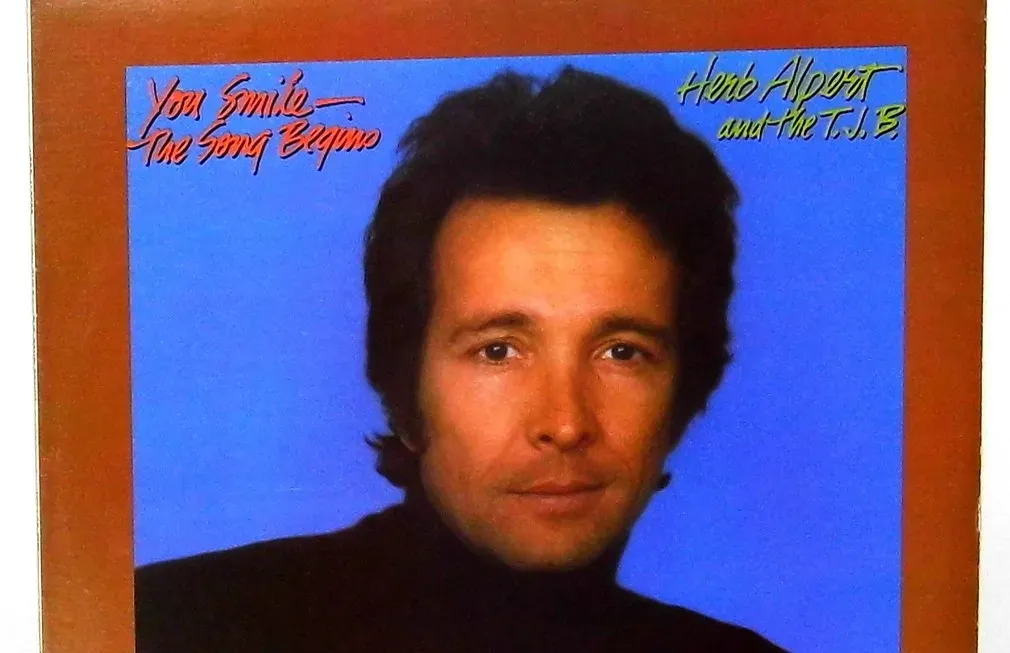
To understand why Grammy voters gravitated toward Alpert over the Beatles, it helps to look at just how much space he occupied in American living rooms in 1965 and 1966. In April 1966, Herb Alpert & the Tijuana Brass set a world record by placing five albums simultaneously on Billboard’s Pop Album Chart, with four of them in the Top 10, and their music outsold The Beatles by a margin of two to one, over 13 million recordings.
Alpert had two more number one albums in 1966 and logged a total of 18 weeks at the top spot, more than any other artist, including The Beatles. Grammy voters at the time were largely older industry professionals, and while teenagers were buying up singles by The Beatles, The Rolling Stones and The Supremes, their parents were buying Herb Alpert albums, which lines up neatly with who was actually filling out ballots.
“Yesterday” was already a phenomenon
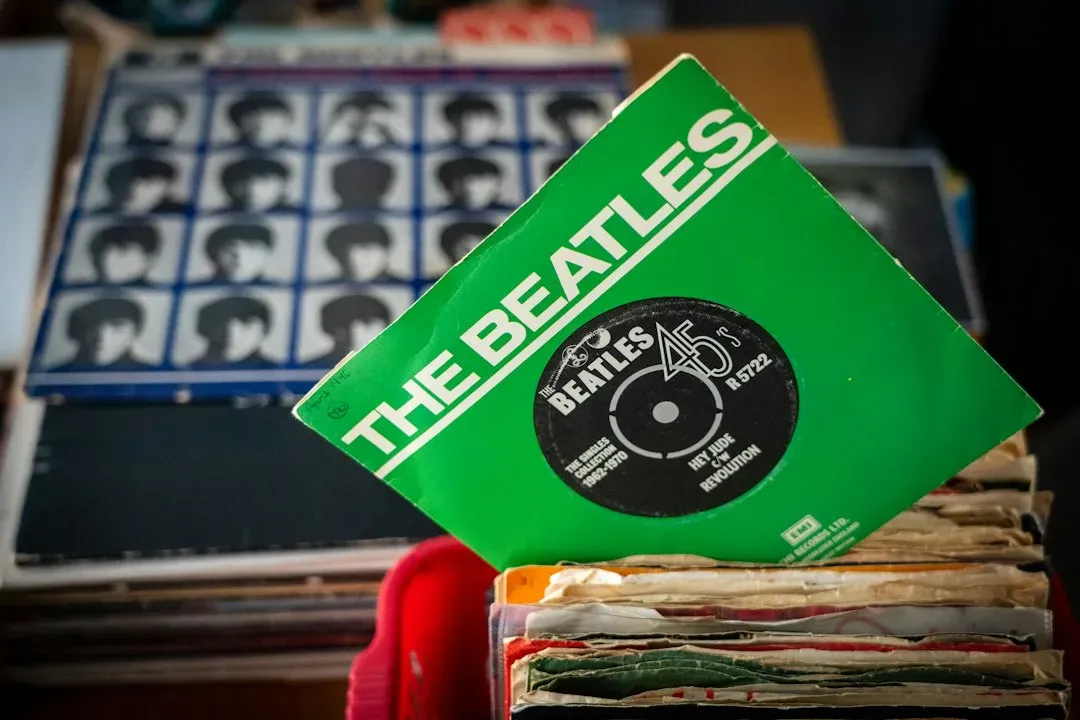
None of that context erases how strange the loss looks now. “Yesterday” was already recognized as something unusual within the Beatles catalog, a stripped down, string quartet backed ballad that stood apart from everything else the band had released to that point.
It became one of the most performed and covered songs in modern popular music, a distinction that has only grown more pronounced with each passing decade. That kind of cross generational reach, spanning genres, languages, and eras, is exactly the sort of staying power that awards shows claim to want to honor, yet frequently fail to spot in real time.
Partner offer
Two songs, two very different afterlives

Decades on, the contrast between the winner and the loser is stark enough that it barely needs explaining. “A Taste of Honey” still turns up on easy listening playlists and oldies specials, but it functions mostly as a period piece, a pleasant artifact of a particular late 1960s sound.
“Yesterday,” by contrast, remains part of the active musical conversation. It gets covered by new artists, sampled, referenced in film and television, and taught in music courses, the kind of ongoing cultural presence that a single Grammy win or loss was never going to determine either way.
Music critics have revisited the verdict for years

This particular Grammy mismatch has become a recurring talking point among music writers who look back at award history with fresh eyes. Writers point out that the Beatles lost Record of the Year in 1966 to “A Taste of Honey,” and the Beatles song nominated was “Yesterday,” one of the greatest pop songs of all time.
Even retrospectives that try to be fair to the original voters end up landing in the same place. One retrospective ranking calls “A Taste of Honey” the best of the many instrumental and orchestral songs nominated for Record of the Year in the early years of the Grammys, not a bad choice at the time, but concludes that the Beatles’ iconic “Yesterday” is obviously the pick in hindsight.
Why the Grammys struggled with the Beatles specifically
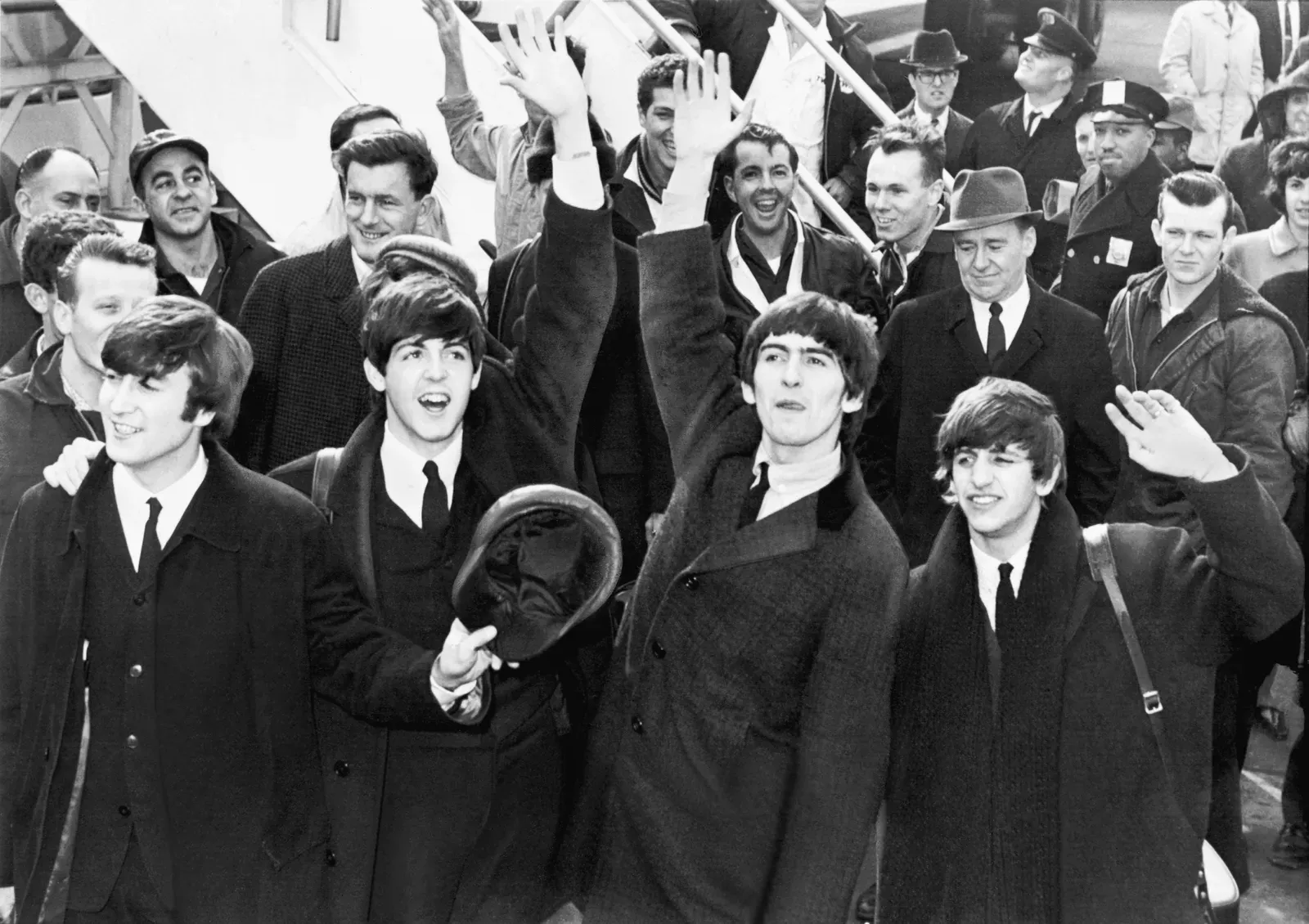
This wasn’t an isolated slip in how Grammy voters handled the Beatles during their peak years. The band’s genuinely transformative songwriting was often filtered through committees more comfortable rewarding easy listening, novelty, and orchestral pop, categories that fit the tastes of an older, more established voting body.
The result was a pattern where some of the most influential recordings in pop history simply never picked up the top prize in their own moment, only to be reassessed as essential once the initial voting bloc’s preferences faded from view. “Yesterday” losing to “A Taste of Honey” is simply the cleanest, most frequently cited example of that pattern.
What this says about awards and long term reputation

The gap between what wins in the moment and what lasts is not unique to the Grammys, but this case is unusually well documented because both songs are still easy to find, hear, and compare directly. It offers a rare, almost clean experiment in how commercial dominance in a given year does not reliably predict cultural relevance ten, twenty, or sixty years later.
Awards shows are, by design, snapshots of a particular room full of voters at a particular moment, shaped by whatever was selling, touring, and dominating radio that season. “A Taste of Honey” earning Record of the Year said everything about 1965 and 1966, and comparatively little about what would still matter in 2026.
The takeaway

Award ceremonies are useful records of a moment, not verdicts handed down for all time. The 1966 Grammys rewarded the song that was everywhere that particular year, while the song that would go on to define a genre and outlive generations of listeners walked away empty handed.
Sixty years later, “A Taste of Honey” remains a footnote from a specific chart era, while “Yesterday” is still being played, covered, and discovered by people who were not alive when either recording was made. That gap says less about who deserved the trophy in 1966 and more about how little a single night’s vote can predict about the decades that follow.
Partner offer
Planning a trip to Vegas?
Compare hotel rates and show tickets on VEGAS.com.