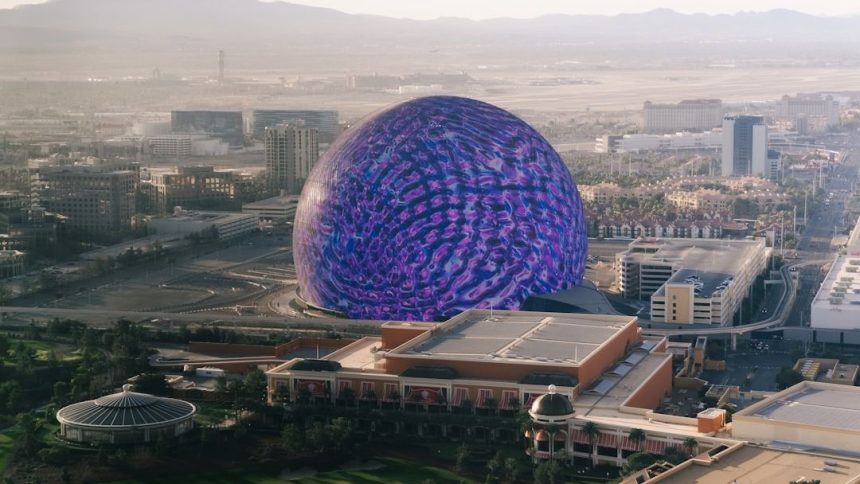
When a building becomes a cultural reference point before most people have set foot inside it, something unusual is happening. The Sphere in Las Vegas managed exactly that. Its glowing exterior became a visual shorthand for spectacle itself, shared endlessly across social media even before U2 played the opening notes of its inaugural residency in late 2023. That kind of instant mythology is rare. It’s rarer still when the building actually lives up to the image. What followed was not just a successful venue opening. It was, by most measurable standards, a redefinition of what a concert experience can be. From its engineering specifications to its financial records, the Sphere has forced the live music industry to ask questions it hadn’t considered before.
A $2.3 Billion Bet on Immersion
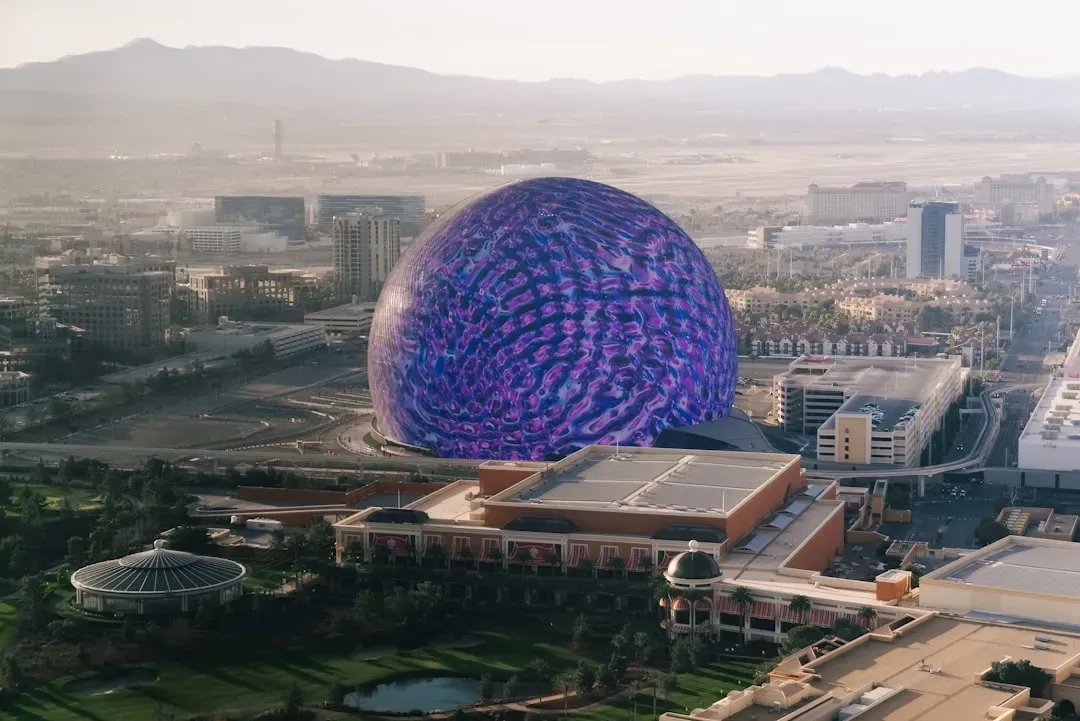
The arena cost $2.3 billion, making it the most expensive entertainment venue built in the Las Vegas Valley. That figure alone signals how ambitious the project was. Designed by Populous, the project was announced by the Madison Square Garden Company in 2018, known then as the MSG Sphere.
The Sphere stands 366 feet high and 516 feet wide at its broadest point, making it the largest spherical building in the world at 875,000 square feet. Construction spanned several years and required engineering solutions that had never been applied at this scale. The Sphere in Las Vegas broke ground on September 27, 2018, and construction spanned from 2019 to 2023, officially opening on September 29, 2023, with U2’s “UV Achtung Baby Live at Sphere” residency.
The Screen That Changed Everything
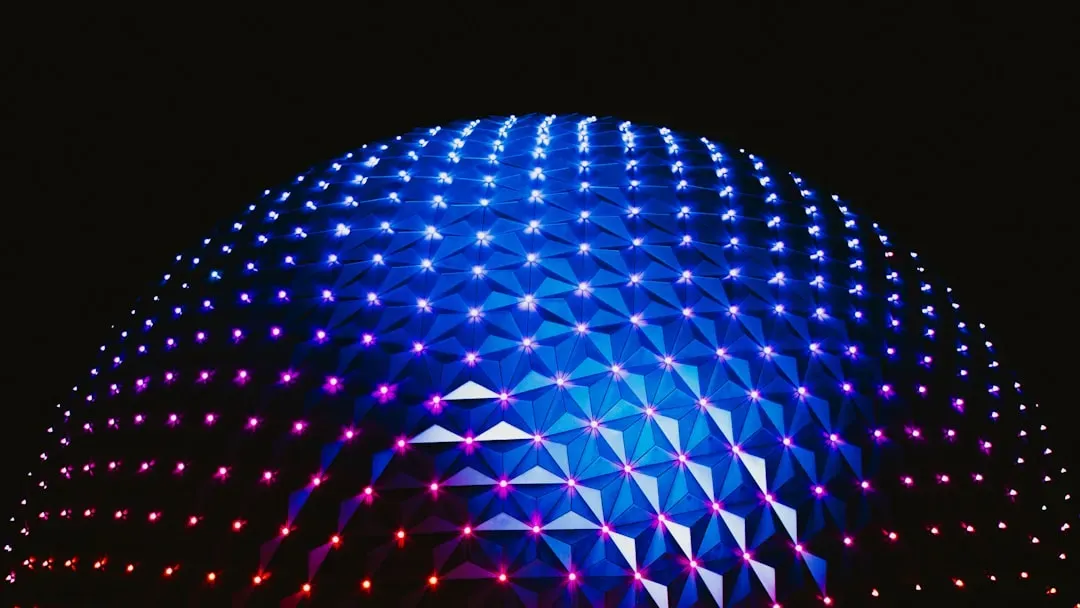
Inside the Sphere is a 160,000 square foot, 16K resolution wraparound LED screen with over 170 million pixels, standing 240 feet high and wrapping around the audience to create fully immersive visual effects. Nothing like it existed before. The Sphere Las Vegas screen utilizes 16K resolution across 160,000 square feet of LED panels, the highest-resolution display ever constructed, translating to approximately 268 million pixels wrapped around the interior.
The Sphere has the largest contiguous display at 160,000 square feet of interior LED screen, compared to the largest IMAX screens at approximately 9,300 square feet. To put that in perspective, the interior visual surface is more than seventeen times larger than what IMAX’s biggest theaters offer. The venue’s exterior also features 580,000 square feet of LED displays, making it the largest in the world.
Sound Engineering Nobody Had Attempted Before
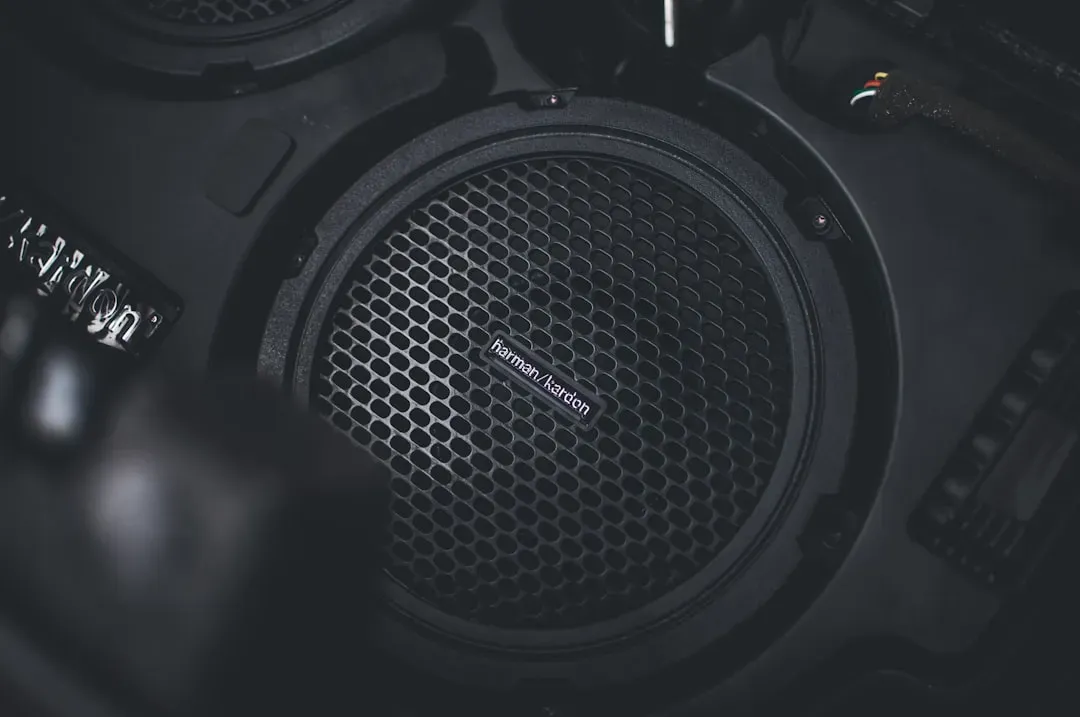
Sphere’s sound system, dubbed “Sphere Immersive Sound,” features spatial audio capabilities and is based on HOLOPLOT’s X1 Matrix Array of speakers, comprising 1,586 permanently installed speakers and 300 mobile modules, with 99 percent of the system hidden behind the LED screen. Hiding a system of that scale behind the screen was itself an engineering challenge. In total, the sound system comprises 167,000 speaker drivers, amplifiers, and processing channels, and weighs 395,120 pounds.
Using beamforming capabilities, the HOLOPLOT X1 speakers can digitally aim sound at specific spots in the audience and deliver a consistent volume to every seat in the venue, even over long distances, offering 110 metres of sound coverage to reach the furthest seats. That addresses one of the most persistent problems in large-venue concerts: the experience degrading the further back you sit. With a conventional loudspeaker system, even with surround sound, optimal sound quality is limited to specific groups of seats. Wave field synthesis can deliver lifelike immersive sounds across the entire audience, giving every audience member a tremendous audio experience regardless of where they sit.
U2 Opened It and Set the Bar Immediately
Sphere opened on September 29, 2023, with the opening of U2’s concert residency U2:UV Achtung Baby Live at Sphere, marking the group’s first live show since 2019. The band played 40 dates. U2’s “UV Achtung Baby” reported a $244.5 million gross, selling 663,000 tickets over those 40 shows.
That residency is the fourth highest-grossing in Boxscore history, despite running for just six months with 40 shows, compared to Billy Joel’s Madison Square Garden record, which required 10 years and 104 shows to achieve its ranking. The comparison says everything. What took other artists and venues years to accomplish, the Sphere achieved in a matter of months, and in its very first engagement.
Record Revenue That Rewrote the History Books
In 2024, Sphere grossed $420.5 million from 1.3 million concert tickets sold, ranking as the top-grossing venue of any size that year and setting the highest annual gross of any venue in Billboard Boxscore history. According to Billboard, the Sphere is the first facility to record a year-end gross of more than $300 million.
Only four touring artists have posted numbers higher than the Sphere’s one-year figures: The Rolling Stones in 2006, Ed Sheeran in 2018, Beyoncé in 2023, and Taylor Swift in 2023 and 2024. That context is striking. The venue itself, in a single calendar year, outperformed the annual grosses of nearly every touring act in music history. The Las Vegas Sphere was recently ranked number one on Billboard’s and Pollstar’s 2025 lists of top-grossing venues worldwide.
A Diverse Lineup That Keeps Growing
Since its opening, the venue has hosted residencies of various lengths for Phish, Dead and Company, Eagles, and Backstreet Boys, and has begun screening an immersive 4D version of the 1939 film The Wizard of Oz. The range of artists spans multiple generations and genres, which is deliberate. Phish’s four shows recorded $13.4 million, selling 66,700 tickets, while Dead and Company played 30 shows between May and August 2024, landing in the top 10 of Boxscore listings with $131.8 million and 477,000 tickets, the highest gross of any Dead and Company tour since the band’s creation in 2015.
The Eagles continue to add additional shows to their residency thanks to overwhelming demand, with their run now featuring over 40 shows spanning nearly two years, which started September 20, 2024. The Backstreet Boys are reportedly grossing $4 million per show, which would equate to a $224 million haul from their 56 Sphere shows across 2025 and 2026.
Beyond Concerts: Sports, Film, and Corporate Events
The Sphere hosted its first live sports event, UFC 306, on September 14, 2024. The event was sold out with an attendance of 16,024, generating ticket sales revenue of $22 million and setting records for both the UFC and the venue. The visual content created for that fight card was unlike anything seen in combat sports before. Mexican-American filmmaker Carlos López Estrada oversaw the production of six vignettes played on the screens throughout the main card, themed on the history of Mexico, with the screens then displaying immersive scenes as backdrops for each match.
Darren Aronofsky’s “Postcard from Earth” and U2’s concert film “V-U2” play almost daily, with tickets starting at roughly $100 each, and the Sphere has two additional film projects on deck, including “From the Edge,” due in 2026, exploring extreme sports. A Floyd Mayweather and Manny Pacquiao rematch is also reported to take place at the arena on September 19, 2026. The programming ambition here goes well beyond what any traditional arena has attempted.
The Financial Reality Behind the Spectacle
Sphere Entertainment Co. ended its fiscal year with over $1 billion in revenue, reporting a net loss of $46.6 million on revenue of $273.4 million in the fourth quarter, and a net loss of $201 million on total revenue of $1.03 billion for the full fiscal year. High revenue and operating losses have coexisted from the start. The Sphere provides a stark example of the financial challenges venues face; in the fiscal quarter ending June 30, 2024, it reported an operating loss of $104.5 million.
The trend, however, is clearly moving toward profitability. Sphere Entertainment reported fourth-quarter revenue reaching $394.3 million, rising 28 percent from a year earlier, fueled largely by a 62 percent jump in revenue for its Las Vegas venue, with the company reporting net income of $28.9 million for that quarter, its first profit since opening in 2023. Advertising on the Sphere’s outer LED shell, its “exosphere,” starts at about $450,000 per day, with higher rates during peak tourist seasons.
The Las Vegas Economy Feels It Too
Spending on shows and entertainment in Las Vegas was up by around 8.5 percent from 2024 to 2025, with acts like the Backstreet Boys helping revitalize the city. The ripple effects extend well beyond ticket sales. Fans have reported spending upwards of $8,000 per Backstreet Boys trip, with The Venetian reporting 96.3 percent average occupancy in 2025.
Many fans bring children, grandchildren, or parents, with the cross-generational pull evident in the audience, as is the global reach, with people flying in from Europe, New Zealand, Canada, Asia, South America, and Australia. The Sphere has functioned as a kind of destination anchor, the primary reason people fly to Las Vegas in a way that traditional residencies rarely achieved. Some fans have reportedly seen the concert more than 20 times.
A Global Network Taking Shape
On October 15, 2024, Sphere Entertainment confirmed that a second Sphere, identical to the one in Las Vegas, would be built in Abu Dhabi. The franchise deal is structured broadly. The franchise agreement gives Abu Dhabi’s Department of Culture and Tourism the right to build and operate additional Sphere venues in the Middle East and North Africa for at least ten years after the opening of Sphere Abu Dhabi.
In March 2025, CEO James Dolan stated that the company was exploring smaller-scale iterations of Sphere with a capacity of around 5,000 spectators, and in January 2026 it was reported that Sphere Entertainment proposed a smaller location in National Harbor, Maryland, which would seat around 6,000. In April 2026, MSG Entertainment and SBI Holdings held talks about building a new venue in Tokyo, Japan at Odaiba, which would have a capacity of 20,000 and feature a fully enclosed spherical structure. The model is clearly replicable, and the world is taking notice.
What the Sphere Effect Actually Means
The Sphere did not simply build a bigger venue. It built a different category of venue, one where the architecture is inseparable from the artistic experience. Its spherical architecture houses the world’s largest LED screen, custom audio infrastructure, and environmental effects systems that create experiences impossible in traditional venues. That is not marketing language. It is a technical fact.
For decades, the basic concert format remained largely unchanged: a stage, a crowd, a PA system, and lights. The Sphere challenged every one of those assumptions simultaneously. As Sphere Entertainment’s CEO noted, the company expected to host more than 100 concerts in a single year, up from 70 in 2024, signaling that the experimental phase is over and the operational one has begun. The question for the broader live music industry is no longer whether this model works. The numbers settled that. The question now is what it changes about everything else.