There’s a strange kind of heartbreak that comes from a great trailer. You watch it three or four times, hum the score, quote the one great line, and build up a version of the movie in your head that turns out to be sharper, funnier, or more thrilling than what actually plays in theaters. Trailer editors are a different breed of storyteller than the directors and writers behind the films themselves, and sometimes their two-minute cut simply outclasses the finished two-hour product. This isn’t a new phenomenon, but it has become more visible in the streaming era, where trailers get dissected frame by frame online months before release. Below are eight films where the promotional reel promised something the movie never quite delivered.
1. Suicide Squad (2016)
The marketing for David Ayer’s DC ensemble film leaned hard into a comic-book energy that felt fresh at the time, with a soundtrack-driven edit that made the movie look like a gleeful, anarchic romp. The alluring cast and great expectations roused by some deceptively fun trailers should spark major box office at the outset. Critics repeatedly pointed out the gap between the promise and the payoff once the film actually opened.
The main baddies were joined by a few too many less significant figures, and the snappy, quasi-pop-art feel effectively emphasized in the film’s first trailers was felt only in the early stretch. Reporting at the time even revealed something telling about why the trailers felt so distinct from the movie itself: reviews for Suicide Squad painted the film as overstuffed, muddled, and superficial, and it turned out the film was literally re-edited by a company that makes trailers. In other words, the marketing team’s instincts and the studio’s post-production choices were, quite literally, pulling in two different directions.
2. Prometheus (2012)

Ridley Scott’s return to the Alien universe arrived with a trailer campaign that felt genuinely eerie, atmospheric, and mysterious, teasing big questions about human origins and cosmic horror. The imagery of the derelict ship, the ominous hologram recordings, and Michael Fassbender’s unsettling android performance suggested a film that would match the philosophical ambition of the original Alien while expanding its scope.
The actual film delivered striking visuals but stumbled on character logic and pacing, with scientists behaving in ways that undercut the tension the trailers had so carefully built. Audiences who had been primed for cosmic dread instead got a movie that raised more questions than it answered, many of them unintentional. The disconnect became such a talking point that it shaped expectations for the belated sequel, Alien: Covenant, years later.
3. Terminator Genisys (2015)

This one is remembered less for a great trailer overall and more for a single, now-infamous spoiler: the marketing revealed a major twist involving an older Terminator model months before release, undercutting a reveal the film clearly wanted to be a surprise. Beyond that, the trailers sold a time-bending, franchise-reviving spectacle with Arnold Schwarzenegger back in fighting form, which generated real excitement among longtime fans.
The finished film struggled with a convoluted plot that tried to honor the original two films while rewriting their history, leaving many viewers confused rather than thrilled. Critics and fans alike noted that the trailer’s energy and clarity of purpose simply weren’t present in the movie’s tangled narrative. It became something of a cautionary tale in franchise filmmaking about giving away too much while still not delivering enough coherence underneath.
4. Fantastic Four (2015)
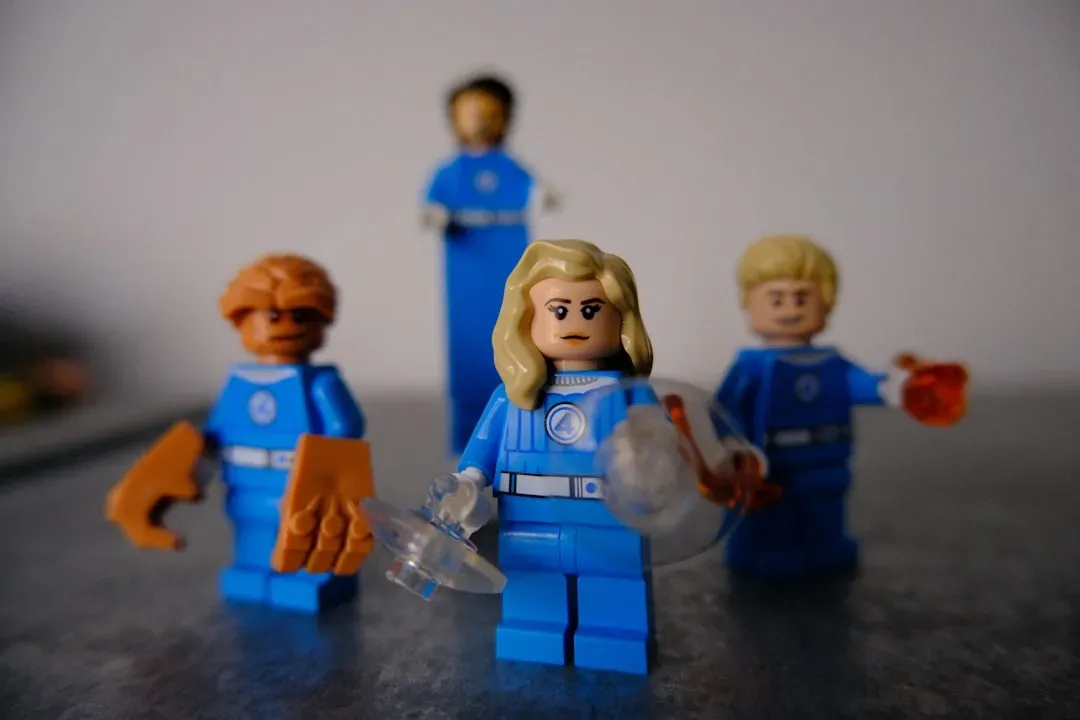
Josh Trank’s reboot was marketed with a moody, grounded tone that suggested a serious science-fiction take on the classic Marvel team, closer in spirit to a body-horror thriller than a colorful superhero romp. The trailers focused on the transformation sequences and the emotional weight of characters losing control of their own bodies, hinting at something genuinely different for the genre.
What arrived in theaters felt disjointed, with reports of extensive reshoots and studio interference that reportedly altered large portions of the third act. The tonal shift between the trailers and the final cut was jarring enough that even casual moviegoers noticed the film seemed to be missing entire chunks of the story the marketing had implied. It remains one of the more frequently cited examples of a superhero movie undone by behind-the-scenes turmoil after a promising promotional rollout.
5. Alien: Covenant (2017)
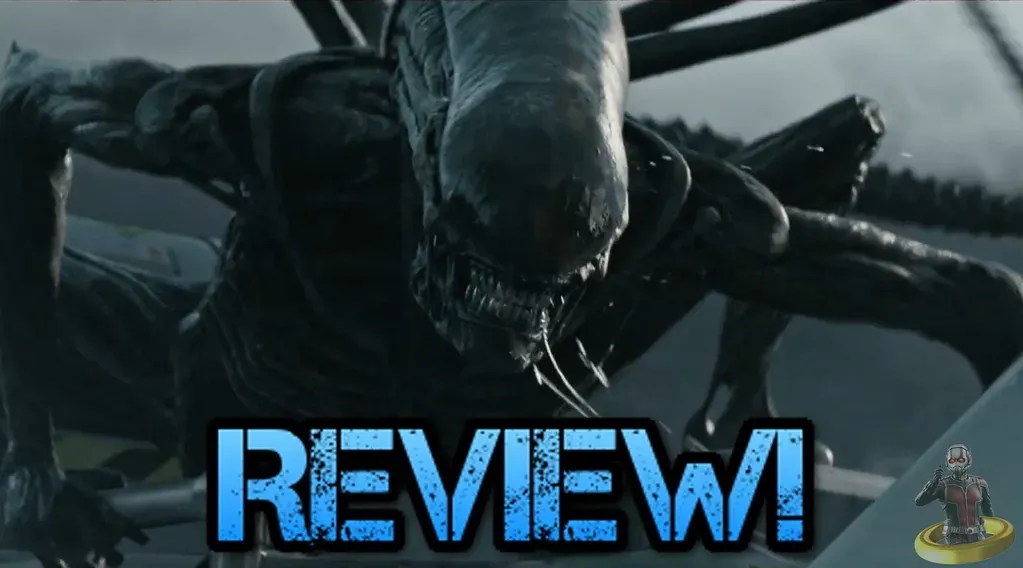
Ridley Scott’s second prequel in the Alien franchise used trailers full of tense, quiet dread, leaning on practical-feeling horror beats and callbacks to the franchise’s roots that fans had been asking for since Prometheus. The marketing suggested a return to visceral, claustrophobic terror rather than the more philosophical detours of its predecessor. The film did deliver some strong horror sequences, but it also repeated many of the same character-logic problems that had frustrated audiences before, with crew members making baffling decisions that drained tension rather than building it. The shift between the focused horror of the trailers and the meandering middle section of the actual film left many viewers feeling like they’d seen the best parts already. It didn’t help that some of the trailer’s most striking shots turned out to be brief moments stretched thin across a much longer, slower film.
Partner offer
6. Justice League (2017)
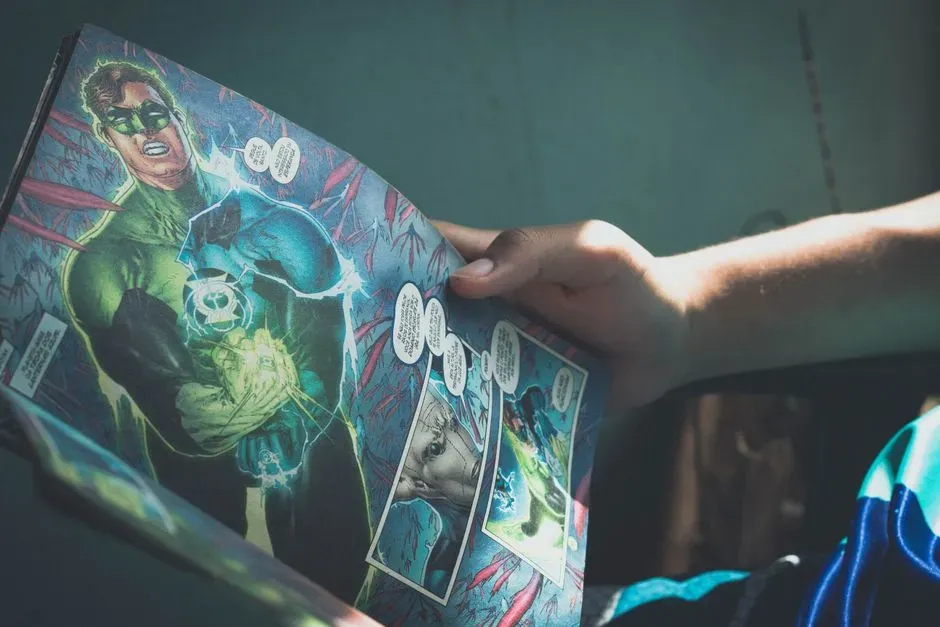
Warner Bros. sold this one as DC’s answer to the Avengers, with trailers full of banter, spectacle, and a sense of scale meant to rival Marvel’s ensemble films. The marketing hit a confident tone, mixing humor with big action beats in a way that suggested the studio had finally found its footing after the more somber Batman v Superman.
The theatrical cut, famously reshaped after Zack Snyder stepped away during production, felt choppy and rushed, with visible effects issues around Henry Cavill’s digitally altered upper lip becoming a running joke. The tonal whiplash between confident trailers and an unevenly stitched final product became one of the most discussed production stories in recent superhero cinema. The eventual release of Zack Snyder’s Justice League years later only underscored how different the theatrical version was from what fans thought they were getting.
7. Morbius (2022)
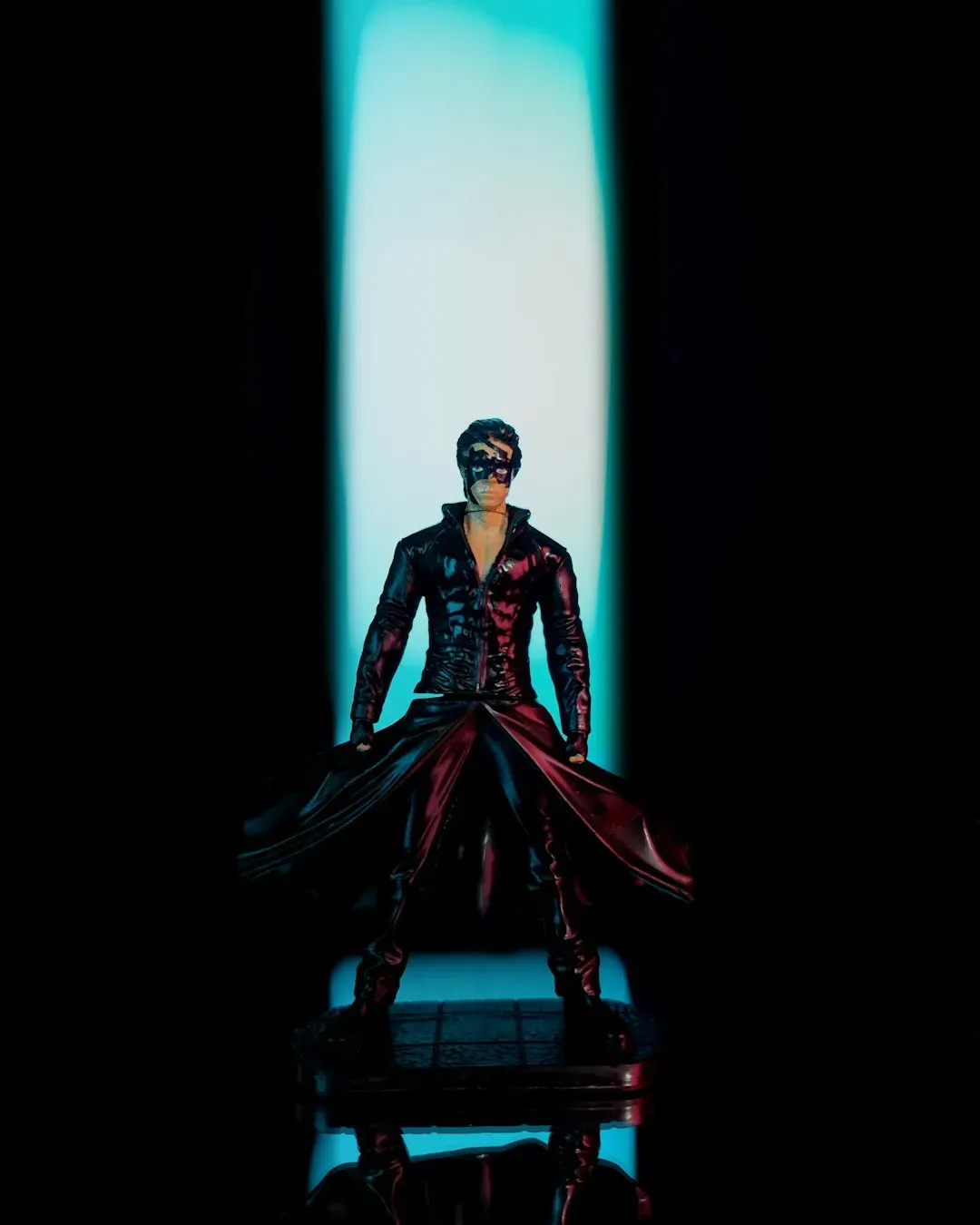
Sony’s vampire antihero film arrived with trailers that promised a dark, moody thriller anchored by Jared Leto in a role that seemed tailor-made for brooding intensity. The footage looked polished enough, hinting at connections to the wider Spider-Man universe that had fans curious despite the character’s relative obscurity.
The reaction on release was swift and blunt. Morbius was critically panned upon release, receiving paltry aggregate scores of around 15 percent on Rotten Tomatoes and 36 percent on Metacritic. Critics found the movie plagued by scenes that seemed incomplete, poorly edited, and at times incomprehensible, relying too much on its shared universe rather than fleshing out its own story. The film’s disappointing execution turned into one of the biggest meme phenomena in recent movie history, a strange afterlife that arguably kept the film in conversation longer than a merely mediocre reception would have.
8. Madame Web (2024)
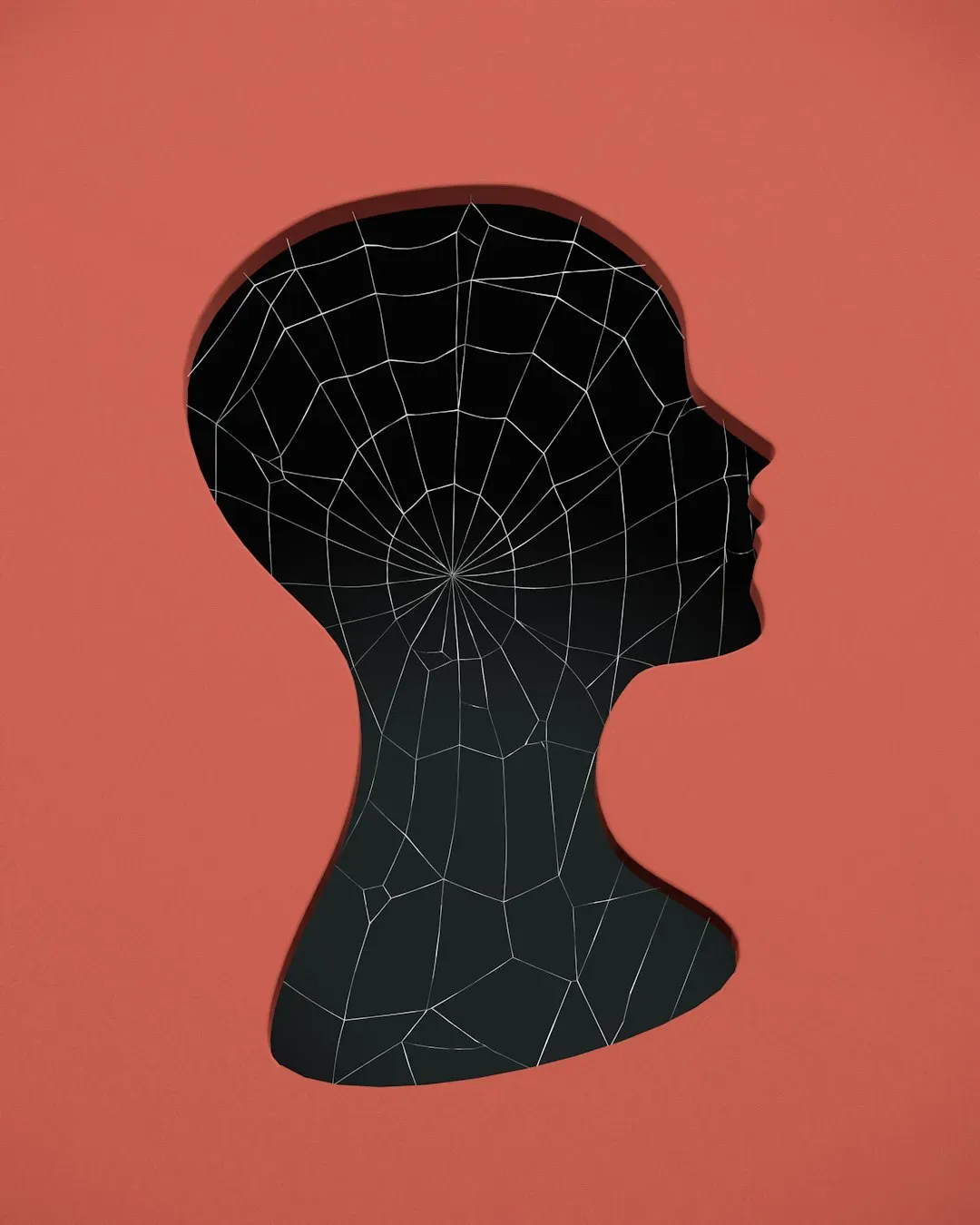
The marketing for this Sony Spider-Man Universe entry leaned into mystery and intrigue, with trailers built around Dakota Johnson’s character developing precognitive visions and a slick, thriller-adjacent tone that suggested a grounded psychic mystery wrapped in superhero trappings. The cast, which also included Sydney Sweeney and Isabela Merced, added star power that made the project feel like a bigger deal than a relatively unknown Marvel character might otherwise warrant.
Once released, the film was widely criticized for clunky dialogue, underbaked visual effects, and a plot that struggled to justify its own premise, with several lines from the trailer becoming punchlines online for how awkwardly they landed in context. The gap between the moody, mysterious tone of the marketing and the finished film’s uneven pacing became a talking point almost immediately after release. It joined a growing list of Sony’s Spider-Man-adjacent films where the trailer’s confidence didn’t carry through to the final cut.
The pattern across these eight films isn’t really about dishonest marketing. It’s more a reminder that a trailer is its own small piece of filmmaking, built by specialists whose only job is to compress the best two minutes possible out of whatever footage exists. Sometimes that footage tells a better story in isolation than it does once it’s stitched into a full film with all its compromises, reshoots, and studio notes intact.Partner offer
Planning a trip to Vegas?
Compare hotel rates and show tickets on VEGAS.com.