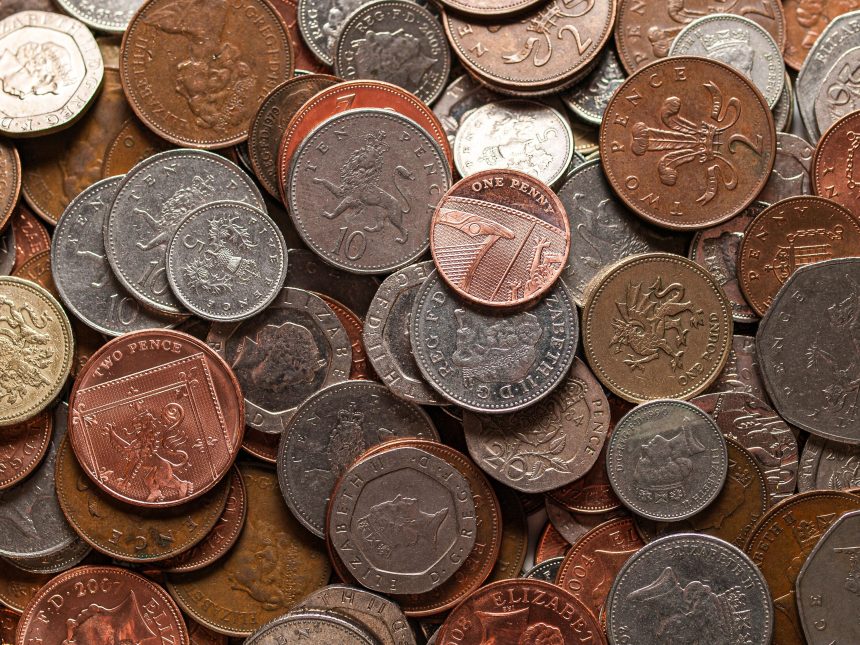
Most of us have a jar, a cup, or a drawer somewhere that quietly collects pennies. The United States made its last penny on Nov. 12 in Philadelphia, ending a process that began in 1793. That jar is now a bit more interesting than it was.
The end of production doesn’t mean your coins have changed. It does raise a fair question about what to do with them, and the answers range from simple to slightly fun.
Your Pennies Are Still Real Money

Pennies will continue to be in circulation and can be used, deposited or kept indefinitely. There is also no plan to recall them, and they will continue to be accepted as currency. So nothing about the coins in your pocket has expired.
One caveat is worth knowing. Individual businesses may set their own policies on accepting cash and coins. A shop can still decline a big pile of coppers, so it helps to be reasonable about how you pay.
Why the Mint Pulled the Plug
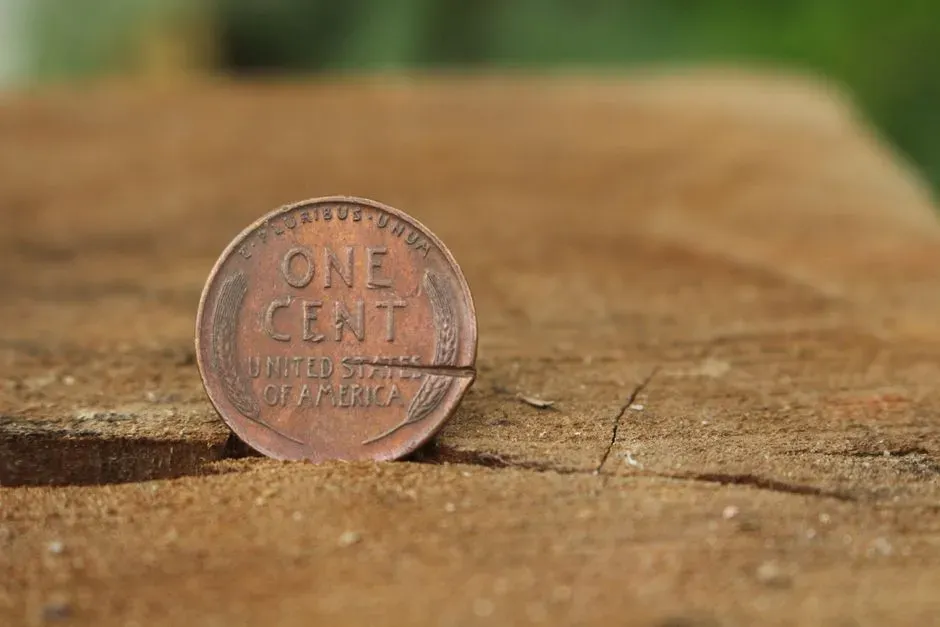
The reason comes down to arithmetic. Each penny costs 3.69 cents to produce, nearly four times its face value. In 2024 alone, the U.S. Mint reported more than $85 million in losses because of penny production.
Ending production is expected to help. Ending production could save the country $56 million annually. Payment habits have also shifted, and cash is used less than it once was.
Spend Them the Easy Way

Most coin dealers give the same basic advice. The easiest thing you can do with your pennies is spend them. A coin shop employee in Spokane put it bluntly in a local news report, saying to use and trade them.
If you have a big jar, don’t try to dump it all at one register. You can also combine them with other coins rather than trying to spend a handful of pennies at once. A few at a time keeps the line moving and the cashier friendly.
Sort Through Them for Collectible Finds
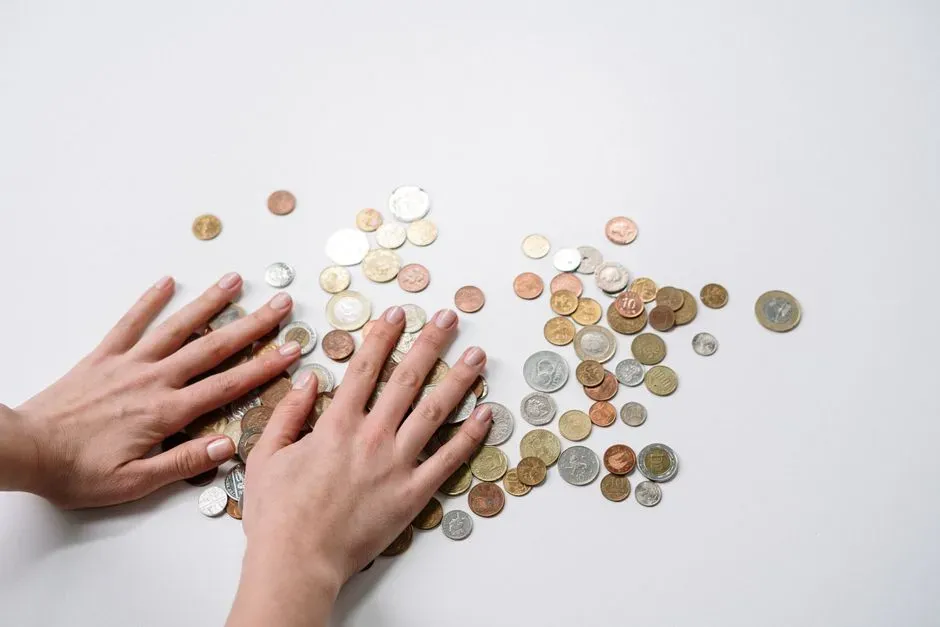
Before you spend or deposit a large batch, take a look first. Some pennies are worth more to collectors because of their age, rarity, condition, unusual varieties, or genuine mint errors. Most will still be worth one cent, but it’s a quick check.
Start by sorting by decade and then by year. Check the mint mark (D, S, or none) under the date; mint marks can change a coin’s rarity. Look for key dates like early Lincoln cents and wartime years. A magnifier helps with worn dates.
Take Them to the Bank

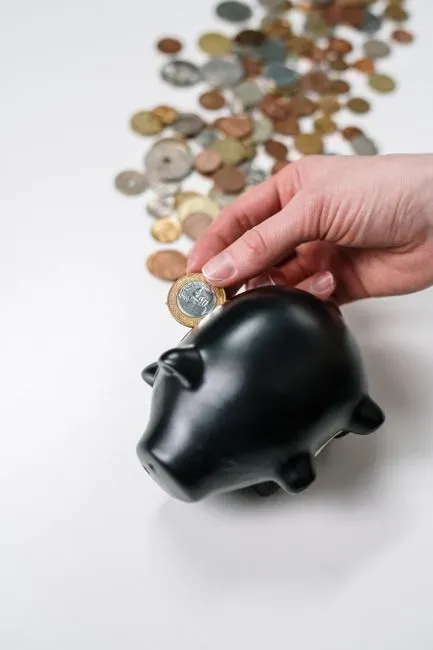
If the jars are just clutter, your bank may be able to help. Many banks accept rolled coins and some have coin-counting machines you can use for free or small fee. Policies differ, so the details depend on where you bank.
Partner offer

Calling ahead is sensible. Call your branch first to confirm their policy and avoid surprises. Some branches limit coin deposits to account holders, so it’s worth asking.
Don’t Count on Hoarding for Profit

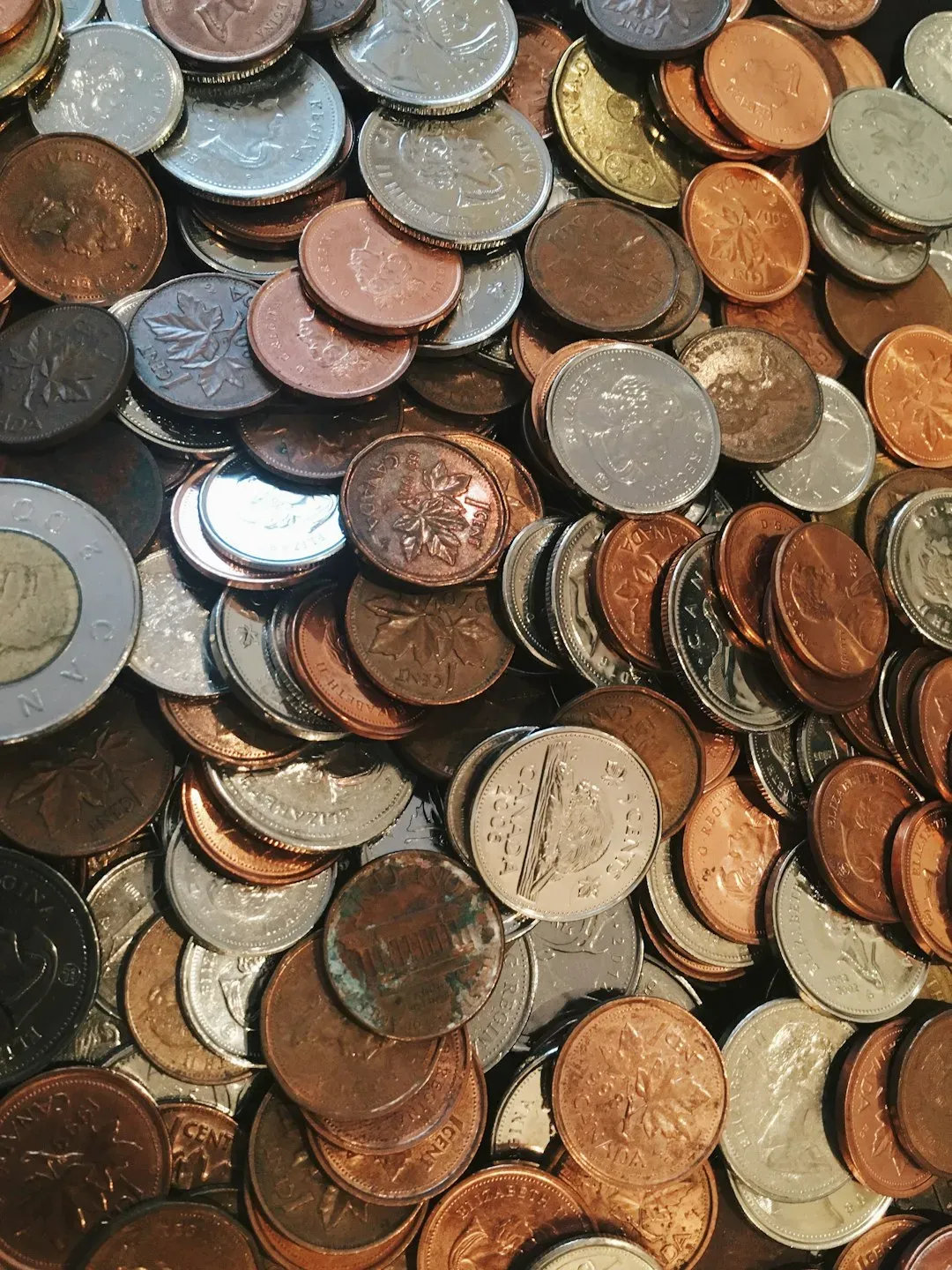
It’s tempting to think scarcity will make rolls valuable. With billions already in circulation, they’ll keep jingling in pockets for decades to come. Ordinary pennies are common, and that tends to keep their collector value low.
Melting them isn’t an escape hatch either. Modern pennies are made from a mix of the cheapest metals available, then plated in copper rather than being solid copper throughout. The metal inside simply isn’t worth more than the coin.
Use Them for Crafts and Projects

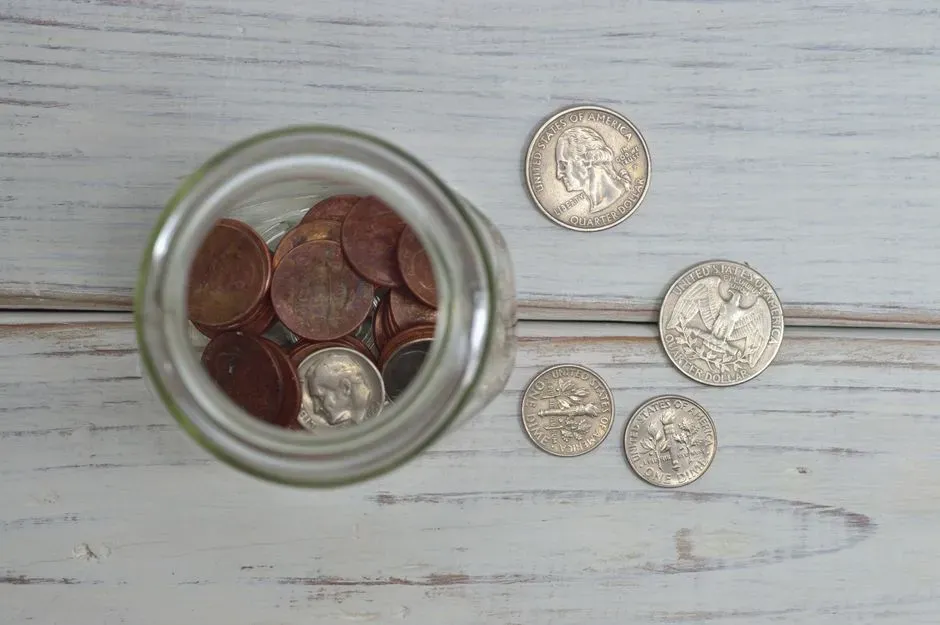
Pennies work well as decorative material. You can turn leftover pennies into eye-catching mosaics for tabletops or frames, and small tiles create rich copper tones without costly materials. Floors and countertops done this way are a popular home project.
It’s a good use for coins with no collector value. They stay out of the drawer and become something you can actually see every day.
Sell Anything Unusual to a Dealer

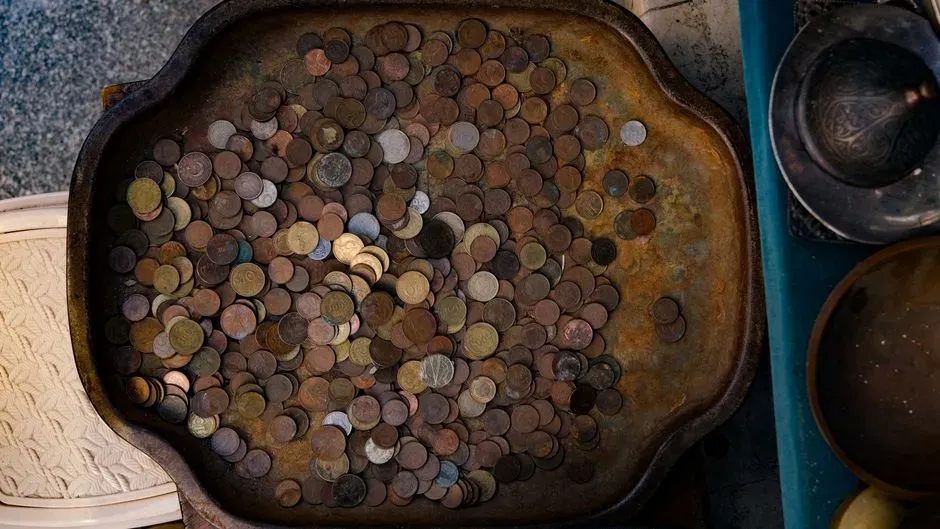
If your sorting turns up something odd, get a second opinion. Keep suspicious coins aside for further research or grading. A local coin shop can appraise items in person.
Avoid assuming every old coin is a jackpot. Look up key dates and well-known Lincoln cent varieties, and set aside anything that looks unusual rather than assuming every old penny is worth a fortune. Patience here saves disappointment.
Keep a Few as a Souvenir

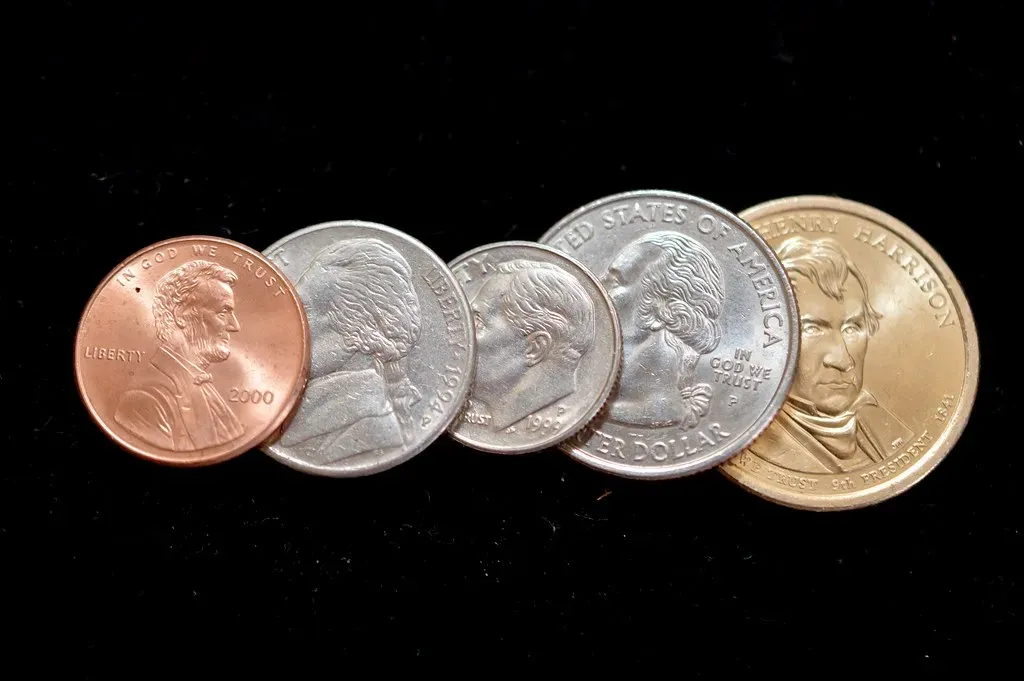
Plenty of people will simply want a keepsake. After 232 years, the United States Mint has pressed its final batch, officially bringing production to an end. A small handful of coins from different years is an easy way to hold onto that history.
There’s no financial promise attached to it. Pennies will always be worth exactly one cent, and keeping a few costs you almost nothing.
What Happens at the Register Over Time
Without new coins, supply will slowly shrink. As pennies are lost or damaged, they won’t be replaced, and it will take many years for pennies to gradually fade from everyday use.
Cash prices may be affected too. Cash transactions will likely be rounded up or down to the nearest nickel, but pennies can still be used in the meantime. Card and digital payments aren’t affected.
Partner offer
Planning a trip to Vegas?
Compare hotel rates and show tickets on VEGAS.com.