Plenty of people keep a battered copy of a childhood favorite somewhere on a shelf. It rarely stays untouched. Every few years, something nudges it back into their hands.
These eight books are widely loved across age groups, and each has a clear reason it holds up on a second, third, or tenth read. Publication facts here are well established, so the focus falls on what adults tend to find the second time around.
Charlotte’s Web by E. B. White


First published in 1952, this story follows a pig named Wilbur and the spider who saves him. Children read it as a farm tale about friendship. Adults often notice how plainly it treats mortality and the passing of seasons.
White wrote it with a spare, careful style that doesn’t talk down to anyone. That restraint is a big part of why it reads well at forty as much as at eight. It’s short, too, which makes a easy to fit into a weekend.
The Lion, the Witch and the Wardrobe by C. S. Lewis

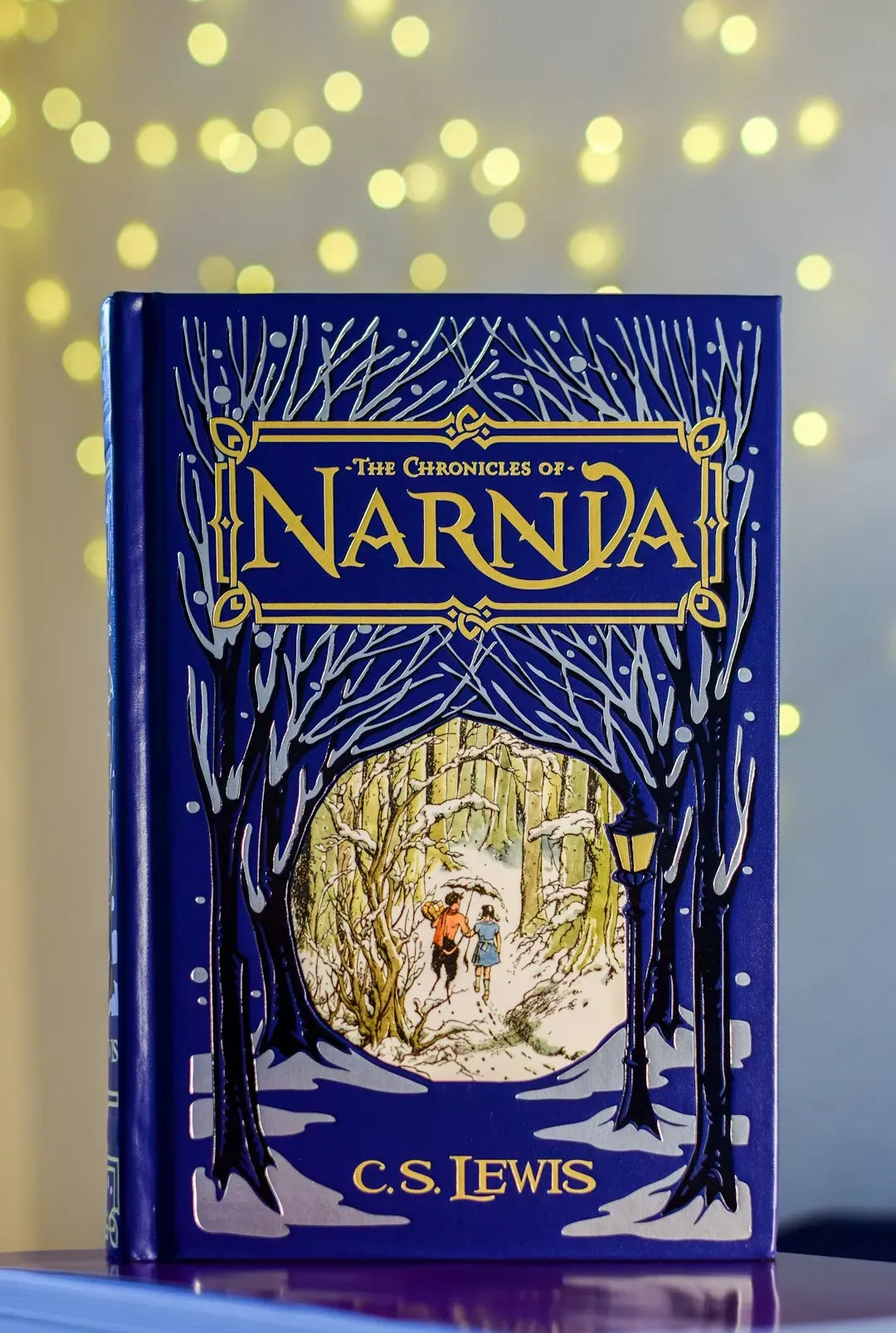
Published in 1950, it’s the best known entry in The Chronicles of Narnia. Young readers fall for the wardrobe, the snowy woods, and the talking animals. Grown readers tend to catch the layers of allegory and the quiet moral weight behind the adventure.
The book moves quickly, and its pacing feels almost old fashioned in a pleasant way. Many adults return to it each winter. The sense of a hidden world next door hasn’t aged much.
The Hobbit by J. R. R. Tolkien


Tolkien’s 1937 tale of Bilbo Baggins began as a children’s story. It has a warmer, more playful narrator than The Lord of the Rings. Adults revisit it for that cozy voice and for the pleasure of a small, reluctant hero finding his nerve.
It also rewards a slower reading. Details about greed, home, and courage stand out more once you’ve lived a bit. Its status as a gateway to Middle-earth keeps it in regular rotation.
Alice’s Adventures in Wonderland by Lewis Carroll


Carroll’s book appeared in 1865 and is stuffed with wordplay, riddles, and logic games. Children enjoy the absurd characters. Adults tend to enjoy the humor aimed squarely at them, including the satire of rules, manners, and pompous speech.
Partner offer

Because the story is episodic, you can dip in anywhere. Each seems to surface a joke you missed. Few books reward a return visit so reliably.
Winnie-the-Pooh by A. A. Milne

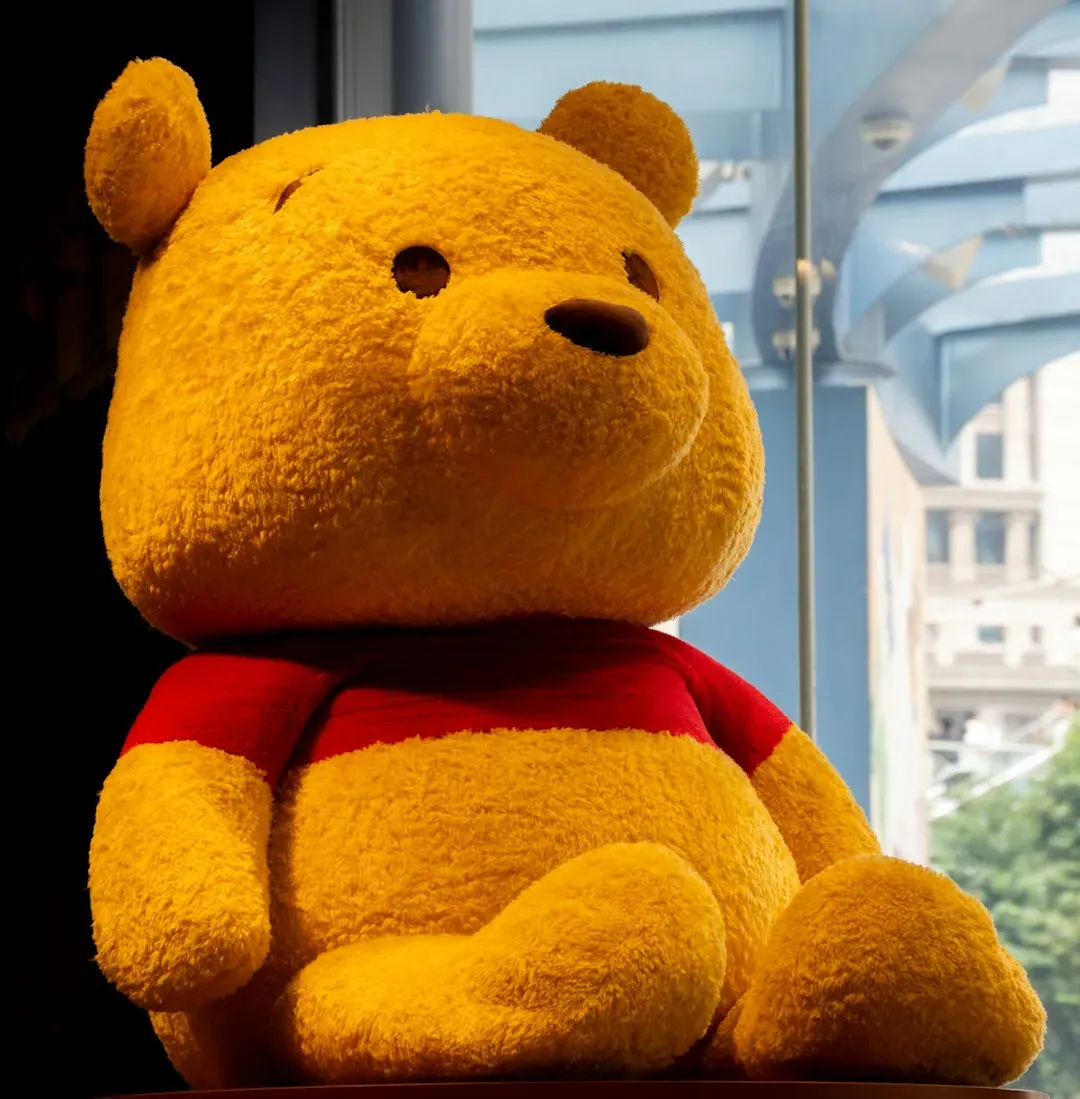
Milne’s stories, first collected in 1926, are gentle and slow. Pooh, Piglet, and Eeyore handle small problems with surprising wisdom. For tired adults, that unhurried tone is a kind of relief.
The humor is dry and often aimed over a child’s head. Christopher Robin’s farewell in the final chapter lands harder for those who have grown up. It’s a book many people pick up when life feels loud.
The Little Prince by Antoine de Saint-Exupéry

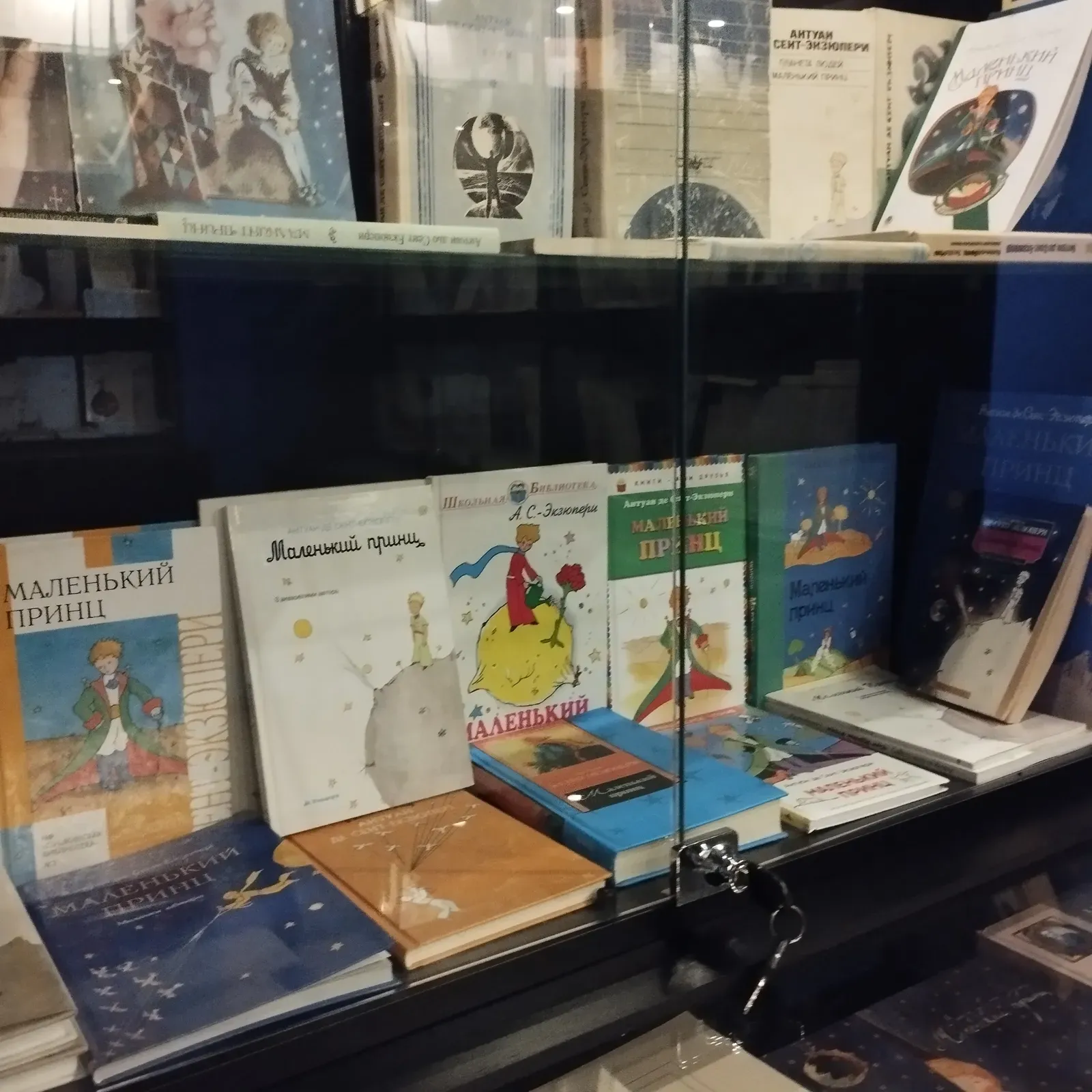
First published in 1943, this short novella is often shelved for children yet written with adults firmly in mind. A pilot meets a boy from a tiny asteroid, and their conversations turn to love, loneliness, and what people overlook. It has been translated into hundreds of languages and dialects, making it one of the most translated books in the world.
Its brevity invites repeat reading. Different life stages seem to draw out different lines and meanings. A single sitting is plenty.
Where the Wild Things Are by Maurice Sendak


Sendak’s 1963 picture book runs only a few hundred words, yet it carries a lot. Max’s tantrum, his journey, and his return to a warm supper speak to anger and forgiveness. Parents often read it with new eyes after seeing those feelings play out at home.
The illustrations do much of the storytelling, and the wild rumpus spread carries its own wordless energy. It won the Caldecott Medal in 1964. Its emotional honesty explains why it’s still pulled off shelves.
Matilda by Roald Dahl


Dahl published Matilda in 1988, about a gifted girl who loves libraries and outwits terrible adults. Kids cheer for her revenge on the Trunchbull and her parents. Adults often connect with the love of reading and the dark, sharp comedy.
The book is also a reminder of how lonely smart children can feel. Dahl’s mischievous voice keeps it from turning heavy. It remains one of the easiest s on any list.
Partner offer
Planning a trip to Vegas?
Compare hotel rates and show tickets on VEGAS.com.