There’s something quietly humbling about standing in front of a 2,000-year-old wall and reading a complaint scratched into the plaster by a frustrated Roman innkeeper. Formal history gives us emperors, battles, and treaties. The walls give us something else entirely: the unfiltered interior life of ordinary people who were cold, in love, bored, or furious, and who reached for a sharp object instead of staying quiet.
Ancient graffiti has long been dismissed as a footnote, a crude curiosity wedged between the frescoes and statuary. That view is changing fast. Scholars across archaeology, classical studies, and epigraphy now treat wall inscriptions as primary sources of genuine weight, ones that reveal social dynamics, literacy levels, emotional lives, and political tensions that official records were never designed to capture. These 13 walls and sites are among the most revealing ever found.
The Theater Corridor at Pompeii: Love Notes Hidden in the Plaster
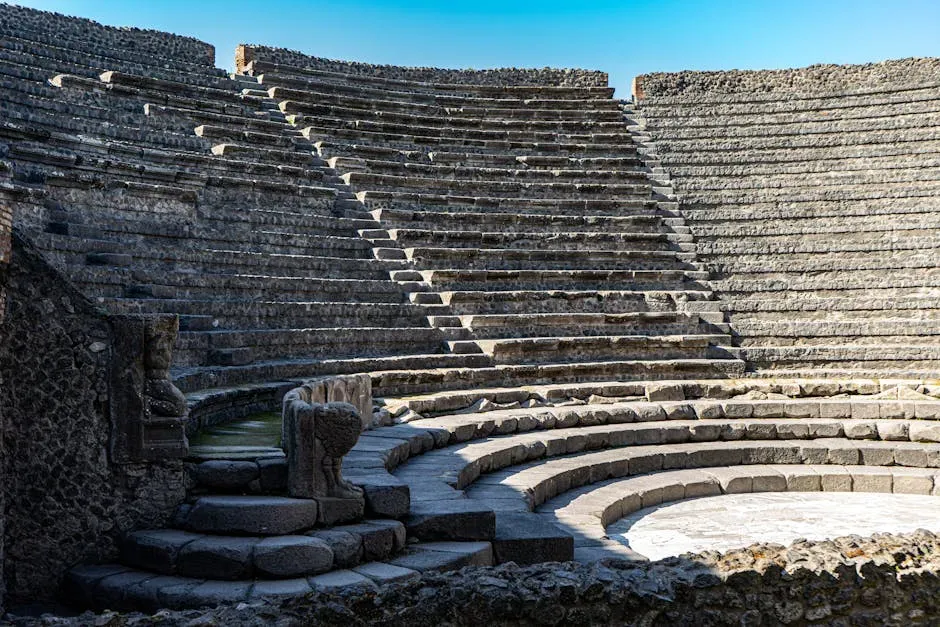
Researchers using advanced imaging technology have deciphered 79 previously invisible inscriptions, including love notes, drawings of gladiators, and everyday messages on a wall in Pompeii. The inscriptions were carved into a 90-foot-long passageway that once connected two theaters in the city’s theater district. The messages range from declarations of longing to sports commentary, all crammed into one continuous surface.
One figure found on the south wall appears to be a woman depicted wearing a helmet and carrying a shield. Female gladiators are rarely mentioned in ancient documents, making this potentially one of the only known images of one, a detail that could reshape understanding of who participated in gladiatorial combat. It’s the kind of find that doesn’t appear in any official Roman record.
The House of Maius Castricius, Pompeii: A Room Full of Poetry
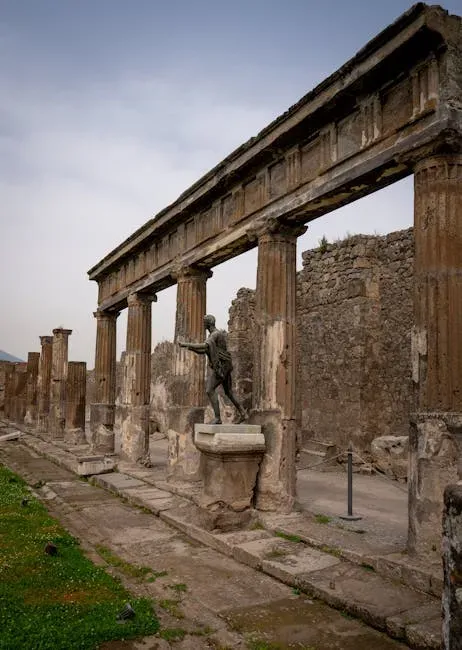
The House of Maius Castricius contains some of the highest quality ancient graffiti in the world. The walls of the house are filled with examples of ancient poetry written in Latin. These poems may seem untidy at first, but they are usually arranged vertically and do not intrude upon the space of other poems. There’s a kind of quiet courtesy in that arrangement, a shared understanding of the wall as a communal text.
One uncommon finding in this house was a literary inscription referring to Ovid’s Heroides 4, a poem about Phaedra falling in love with her husband’s son. The graffiti was located next to a painting describing the Roman mythical version of Pompeii. Archaeologists have used the inscription to suggest that Roman citizens were capable of understanding art in a refined manner, engaging with both the literary reference and the adjacent painting.
The Walls of Pompeii’s Campus ad Amphitheatrum: Democracy in Plaster
In Pompeii alone, archaeologists have uncovered more than 11,000 examples of graffiti. Some inscriptions were hurriedly written by passers-by, while others showcased their creators’ artistic skill. Graffiti writers belonged to all walks of life. Shopkeepers, laborers, soldiers, and enslaved people alike left their marks. That cross-section of society on a single wall is something no official archive could replicate.
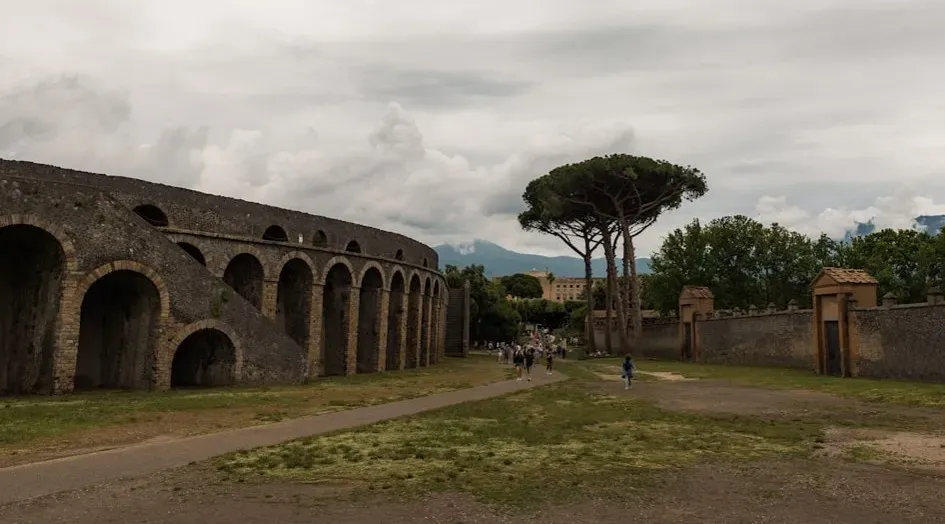
The Campus ad Amphitheatrum, a large multipurpose building with more than 100 columns, boasts the most graffiti of any single building in Pompeii, with more than 400 handwritten inscriptions. Inscribed by people of different status and origins, the graffiti in the ancient Roman world reveals the universal character of wall writing, which cannot be attributed to one social group.
Pompeii’s Election Walls: The World’s Earliest Campaign Advertising

There were over 2,800 examples of election graffiti painted on the walls of buildings around Pompeii. They often named the politician’s supporter, and crucially they always included the candidate and the office. These notices frequently named the qualities believed to qualify the candidate for office. It functioned as a public relations system, decentralized and visible to anyone walking the streets.
Election graffiti also worked against candidates. Notices could make ironic recommendations designed to put people off, as in the case of a candidate called Vatia whose campaign was probably undermined by signs reading “The little thieves ask for Vatia as aedile.” Political satire, it turns out, is as old as politics itself.
The Tomb of Ramesses VI, Valley of the Kings: Tourist Complaints from Antiquity
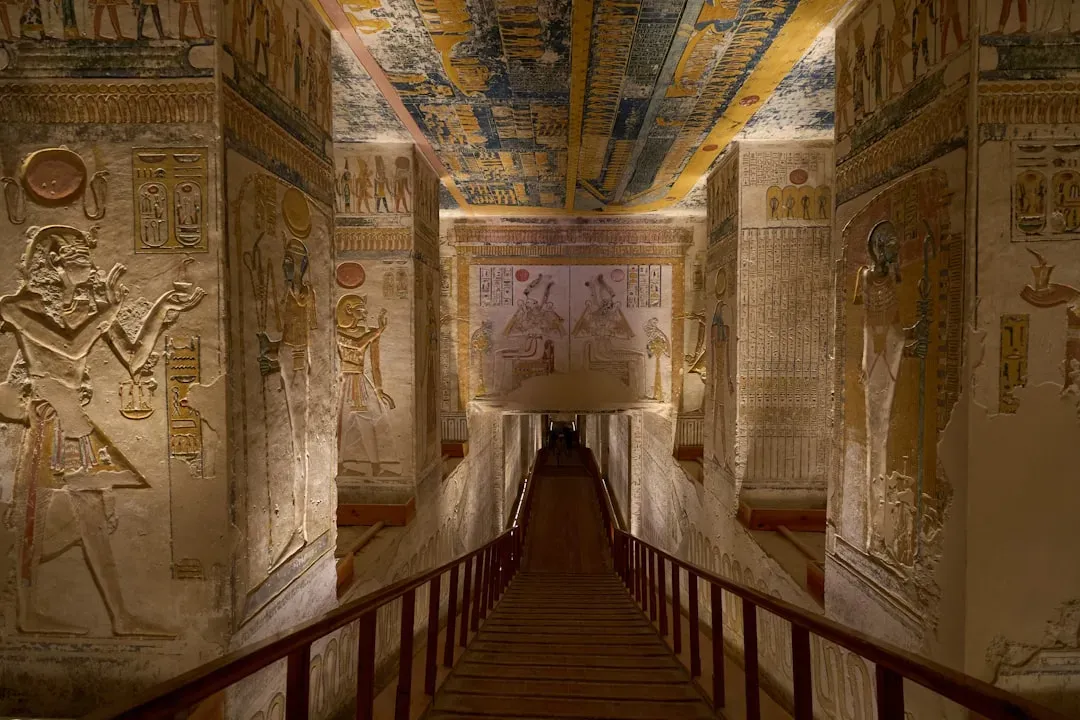
The proof of ancient tourism lies in the tomb of Ramesses VI, where archaeologists found over 1,000 inscriptions made by tourists, carved and painted onto the walls. One that stood out was a declaration made by a tourist who was displeased with their trip. The tourist wrote, “I visited and I did not like anything except the sarcophagus!” That complaint is nearly 2,000 years old and yet reads like a one-star review.
Around 30 inscriptions written in ancient Indian languages have been identified on the walls of several royal tombs, providing compelling evidence of Indian visitors to the heart of ancient Egypt nearly 2,000 years ago. The discovery sheds new light on the extent of ancient tourism and the far-reaching trade networks of the Roman era. These inscriptions rewrote assumptions about how far people actually traveled in the ancient world.
The Giza Pyramid Builders’ Walls: Worker Graffiti Inside the Monuments
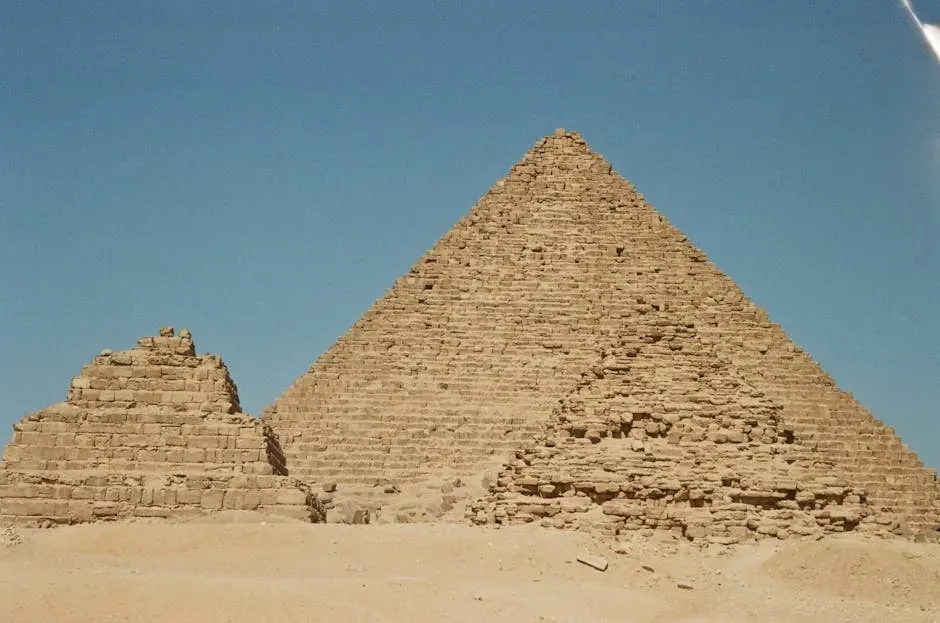
Some of the pyramid workers left behind graffiti, allowing archaeologists and historians to learn more about the politics involved in the building. Some of the inscriptions read “Drunks of Menkaure” and “Friends of Khufu Gang.” Both Menkaure and Khufu were Egyptian kings who ordered the creation of the pyramids, and it appears the gangs competed against each other.
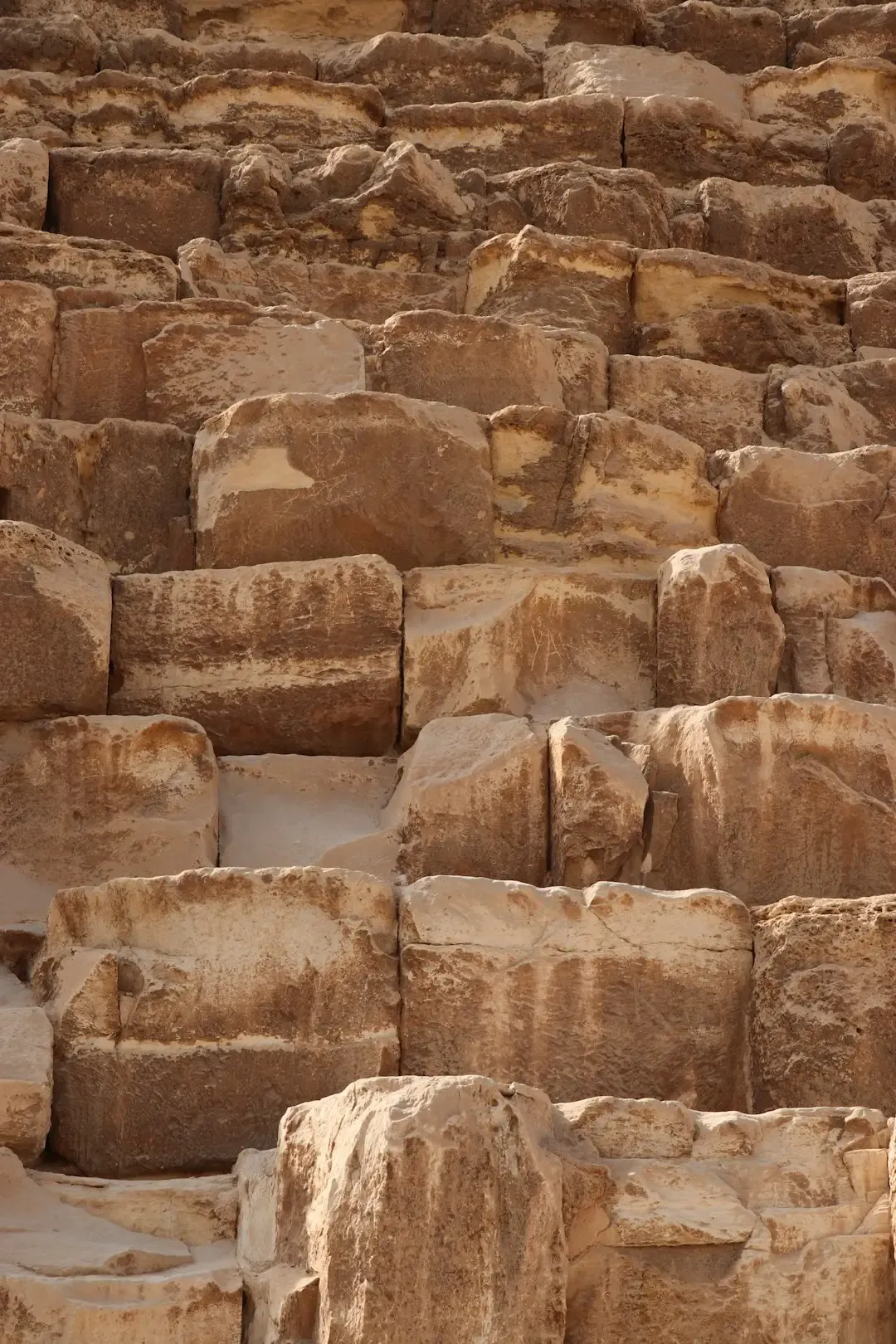
These roughly 4,500-year-old markings have allowed experts to piece together a clearer picture of how gangs of workers built the pyramids. Graffiti has also been found at the Great Pyramid of Giza in locations where it was never meant to be seen. The workers who built the most famous monuments in history left their own voices inside them, hidden from the world until excavation opened the walls.
Vindolanda, Near Hadrian’s Wall: Insults Carved in Stone
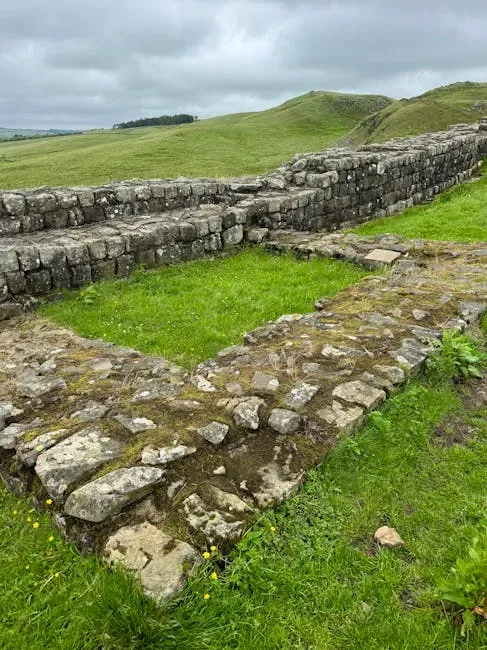
The fort of Vindolanda on the Hadrianic frontier in northern England was occupied by Romans between approximately 85 AD and 370 AD. In 2022, a piece of graffiti dated to around the 3rd century AD was found on the site, featuring a phallic image and an inscription translated by historians as “Secundius the shitter.” Blunt, personal, and clearly deliberate, it was carved carefully enough to leave no doubt about the depth of feeling involved.
Partner offer
Phallic carvings were commonplace in the ancient world. Research identified at least 92 from Roman Britain, and archaeologist Rob Collins’ investigation into phallic imagery on the Hadrianic frontier identified 13 from Vindolanda itself, giving the site the greatest density of phallic carvings anywhere in the province. The carvings served multiple purposes, ranging from protective symbolism to personal insult, often simultaneously.
The Written Rock of Gelt, Hadrian’s Wall Quarry: Soldiers at Work
These inscriptions, known locally as “the written rock of Gelt,” were carved by soldiers quarrying stone for Hadrian’s Wall. The series of inscriptions give clues about the military units involved, as well as the officers in charge. One inscription refers to the consulate of Aper and Maximus and dates it to 207 AD, a period when the wall had a major repair and renewal programme.
As well as insight into the logistics and organisation of the Roman army engaged in such a massive construction project, the quarry inscriptions also tell a recognisable human and personal story, including what appears to be the carving of a caricature of one of the officers in charge. Roman soldiers, it turns out, had the same instincts as workers everywhere, even when the job was building an empire’s frontier wall.
The Agora Walls of Athens: A City Talking to Itself
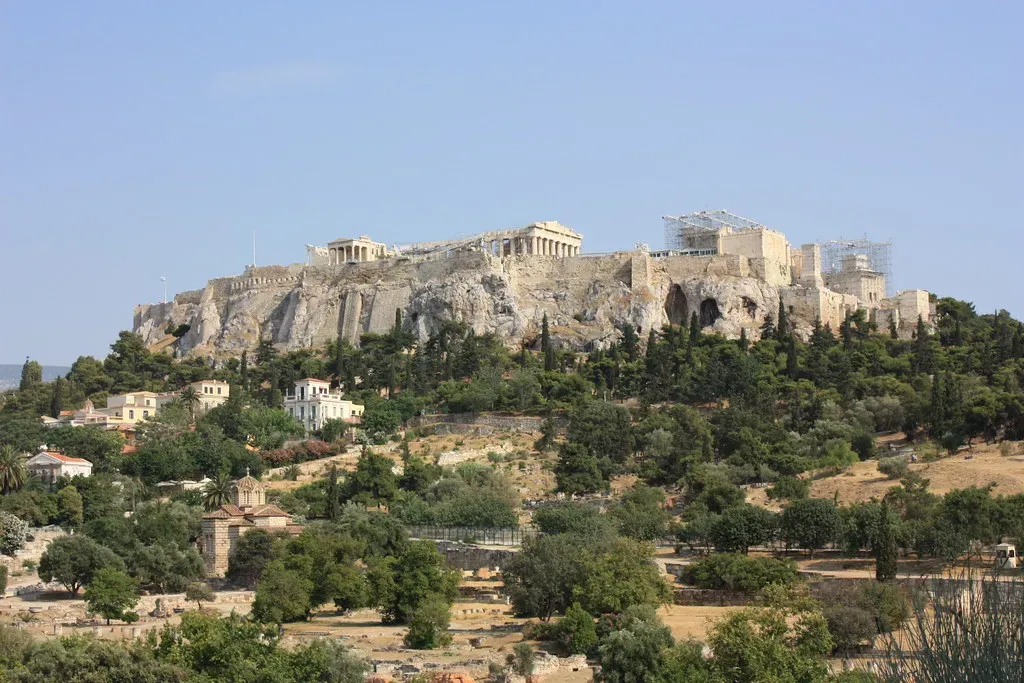
Large quantities of graffiti have been found in Athens during excavations by the American School of Classical Studies, with nearly 850 catalogued by Mabel Lang in 1976. These include a variety of types, such as abecedaria, insults, marks of ownership, commercial notations, dedications, and pictures. They date from the eighth century BC through to the late Roman period.
In Aphrodisias, known for its marble and sculpture, thousands of graffiti were found on stone surfaces, with content ranging from board game patterns to prayers, religious symbols, names, offensive comments, and obscene images created as means to humiliate opponents during games. As researcher Chaniotis noted, “Graffiti are very often connected with opposition and competition.” The walls of ancient public spaces functioned as both arena and audience at the same time.
Aphrodisias, Turkey: Gladiators and Market Stalls on Marble
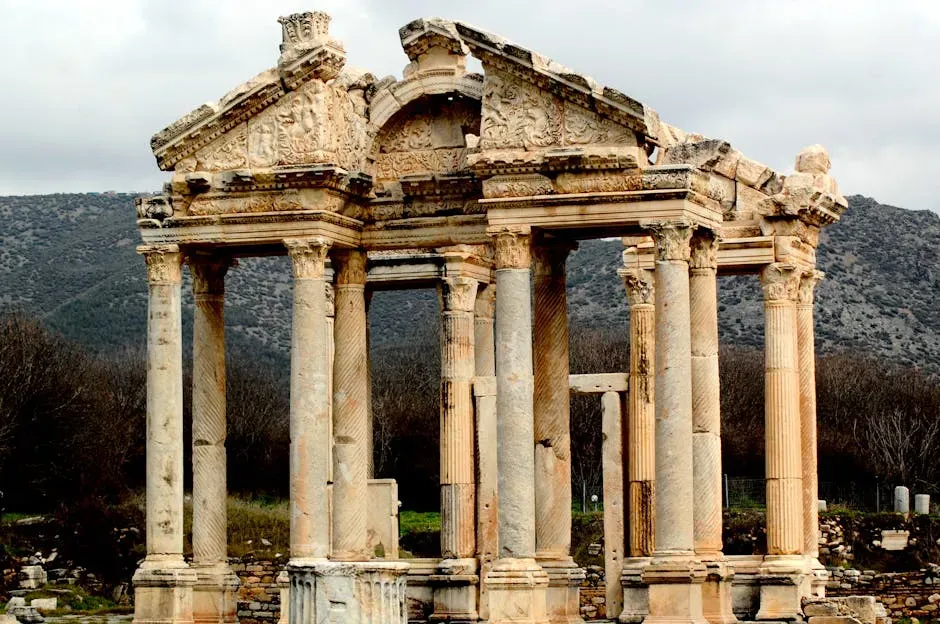
Almost all graffiti painted on plastered walls in Aphrodisias have been lost, but the textual and pictorial graffiti engraved on marble have been preserved. Thousands of them have been recorded in recent decades, with no clear explanation for their great number and variety other than that a substantial part of the population was involved in the carving of stone as sculptors and masons.
A graffito on the retaining wall of the theater reads “Place of Zotikos, the trader. Good luck.” Zotikos may have had a second booth nearby, where another inscription simply reads “Place of Zotikos.” On a column of the same colonnade, the word “SOPHISTOU” marks the place of the local sophist. This city’s walls doubled as a street directory for an entire commercial world.
The Tomb of Pharaoh Ramesses VI’s Inner Walls: Evidence of Ancient Multilingual Travelers
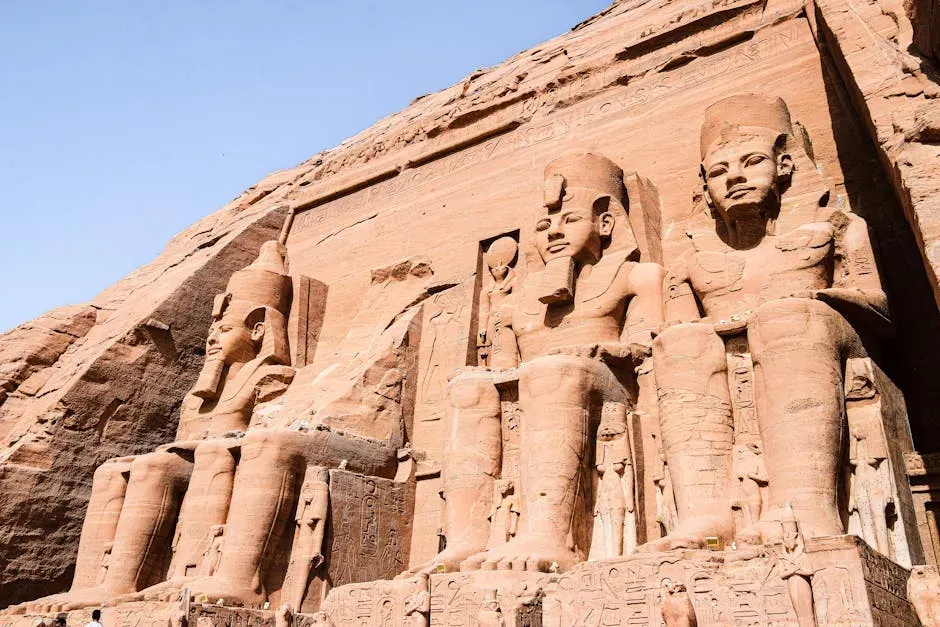
Researcher Charlotte Schmid emphasized that what is most important about inscriptions found in the Valley of the Kings is “a form of awareness of Indian identity that is manifested in these inscriptions, engraved in four languages and four scripts that all originate from India.” In one tomb, Tamil and Sanskrit inscriptions were found alongside Greek graffiti, with the Indian texts making reference to the Greek content, suggesting these travelers could read multiple languages.
The significance of these finds extends beyond novelty. Scholar Kasper Grønlund Evers described these discoveries as “exactly the kind of evidence of visiting Tamil and Western Indian merchants that we would hope to find, but have never previously been able to document on this scale.” Wall graffiti did what no trade ledger or diplomatic record managed to do: it proved that these journeys happened.
The Saqqara Step Pyramid Complex: Graffiti Left When the Monument Was Already Ancient
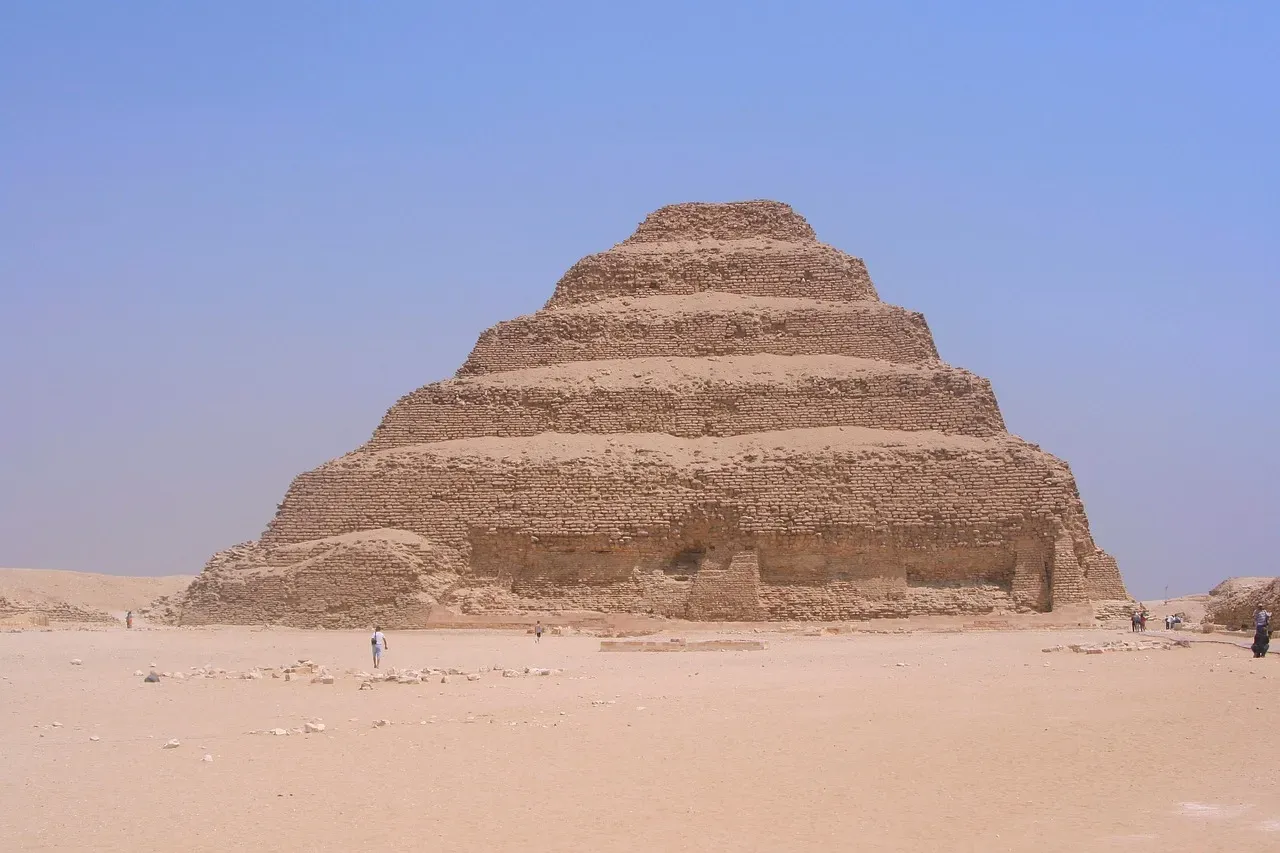
At the Saqqara complex, near a building close to the Step Pyramid, there is a room with glass protecting an inscription. It is not a royal decree or temple relief. It is tourist graffiti, left by a visitor at the site over 3,000 years ago. The pyramid itself was already ancient when that person carved their name. Even in antiquity, history had history.
The 3,000-year-old graffiti at Saqqara was remarkably left at a time when the Step Pyramid was already itself ancient. Perhaps more than anything else, graffiti provides us with a sense of wonder at human existence in all of its contradictions. There’s a strange continuity in that, visitors across three millennia all responding to the same impulse to leave a mark.
The Lascaux Cave, France: Where It All Began
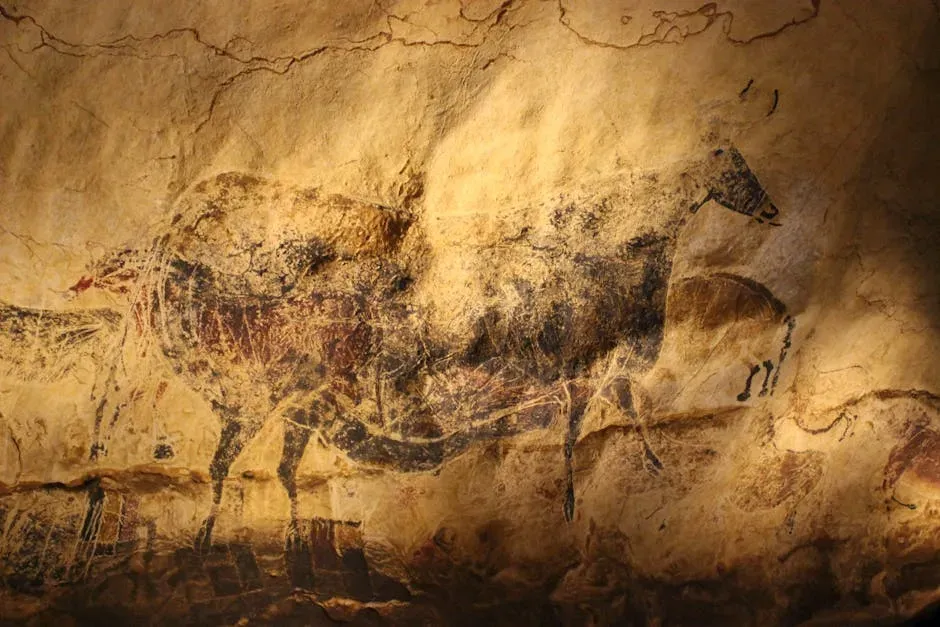
Among the earliest demonstrations of graffiti are the cave paintings found in the Chauvet-Pont-d’Arc Cave, as well as those in the Lascaux Cave in the Dordogne River Valley. The well-known Magdalenian style seen at Lascaux in France dates to around 15,000 BC. These are not casual marks. They are executed works of striking precision, animals rendered in motion, hands pressed against stone in a gesture that feels unmistakably personal.
The most common subjects in cave paintings are large wild animals such as bison, horses, aurochs, and deer, along with tracings of human hands and abstract patterns. The species found most often were suitable for hunting, but were not necessarily the actual typical prey found in associated bone deposits. Some point to these prehistoric paintings as possible examples of creativity, spirituality, and sentimental thinking in prehistoric humans. The oldest walls we know of were already carrying more meaning than a single interpretation could hold.
What all 13 of these sites share is a refusal to stay silent. Official records track what powerful people decided to record. Walls track everything else: the soldier’s grudge, the enslaved woman’s prayer, the bored tourist’s disappointment, the worker’s dark joke inside a pyramid. Textbooks tell a curated story. The walls tell you what it actually felt like to be alive.
Partner offer
Planning a trip to Vegas?
Compare hotel rates and show tickets on VEGAS.com.