Most songs arrive in the world more or less as planned. A melody is sketched, a demo is made, a band walks into a studio and plays it roughly the same way they rehearsed it. The result is fine, sometimes even good. Then there are the other songs – the ones that broke apart, pivoted, caught fire, or turned into something completely unrecognizable before anyone pressed stop on the tape machine.
These fifteen tracks share one thing in common: their defining quality wasn’t in the original plan. Something shifted mid-session, whether by accident, argument, intuition, or sheer stubbornness, and the whole course of recording history moved with it.
1. The Rolling Stones – “Sympathy for the Devil” (1968)
The original working title was “The Devil Is My Name,” and Mick Jagger initially wrote it as a folk song before the band started changing the rhythm entirely, transforming it into a samba. It took 32 takes of the folk version before Keith Richards suggested moving to a samba feel, laying down bass first and overdubbing guitar later.
Robert Kennedy was assassinated on June 5, 1968, the very day the Stones were tracking overdubs at Olympic Sound Studios. Jagger’s original lyric asked who killed Kennedy, referring to JFK’s 1963 murder. He changed it overnight to the plural: “who killed the Kennedys,” a lyric that felt prescient, raw, and almost unbearably current at the time of release. Rolling Stone magazine placed it at number 32 on their 2004 list of the 500 Greatest Songs of All Time.
2. Queen – “Bohemian Rhapsody” (1975)

Metamorphosing from wistful ballad to an operatic pastiche with a fiery rock climax, all within six short minutes, “Bohemian Rhapsody” was greeted like manna from heaven in the dull musical wasteland between glam-rock and punk. Producer Roy Thomas Baker’s first inkling of what was in store came when Mercury first played him the initial ballad section, concluding it by casually saying, “And this is where the opera section comes in!”
The operatic section alone took about three weeks to record, which in 1975 was the average time spent on a whole album. The song topped the UK Singles Chart for nine weeks and is the UK’s third best-selling single of all time. In 2022, the single was selected by the U.S. Library of Congress for preservation in the National Recording Registry as being “culturally, historically, or aesthetically significant.”
3. David Bowie – “Heroes” (1977)
Over multiple takes, Bowie’s vocal performance grew more passionate, culminating in the iconic, soaring delivery that defines the final cut. Producer Tony Visconti made a bold technical decision: he set up microphones at different distances, gradually opening them as Bowie sang louder, capturing an unmatched sense of urgency and drama.
The result was a song that sounded like defiance itself – a fitting reflection of Bowie’s Berlin period, steeped in both turmoil and hope. “Heroes” became an anthem of resilience, sung at massive events and whispered in moments of struggle. The microphone technique Visconti devised was not planned before the session began; it emerged in the moment and gave the track a physical intensity no conventional setup could have produced.
4. Radiohead – “Paranoid Android” (1997)
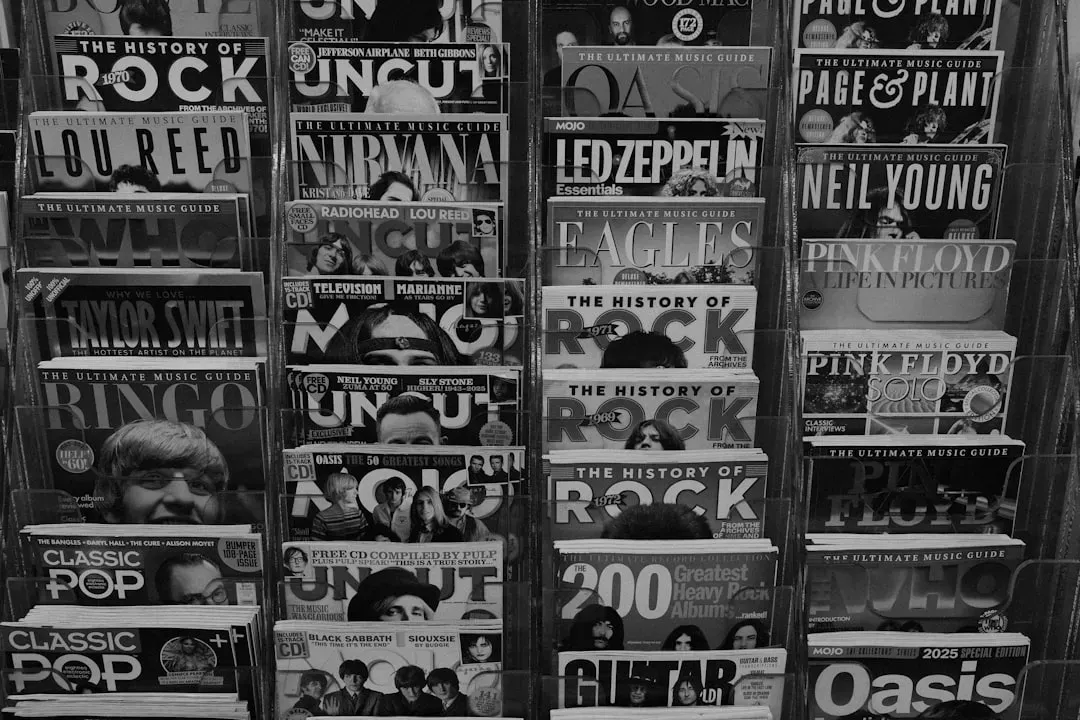
The band began with three separate song fragments, each with its own mood and tempo. Instead of discarding any, they stitched them together, much like a musical Frankenstein’s monster. The result is a six-minute odyssey that shifts from delicate balladry to menacing rock and back again.
This bold structure, unthinkable for a radio single in the late 1990s, became a defining moment in alternative music. The song essentially contains three different songs inside one shell, none of which were originally meant to share the same recording. That collision of moods and time signatures became the whole point, and the track remains one of the most structurally ambitious rock singles ever released.
5. Bruce Springsteen – “Born to Run” (1975)
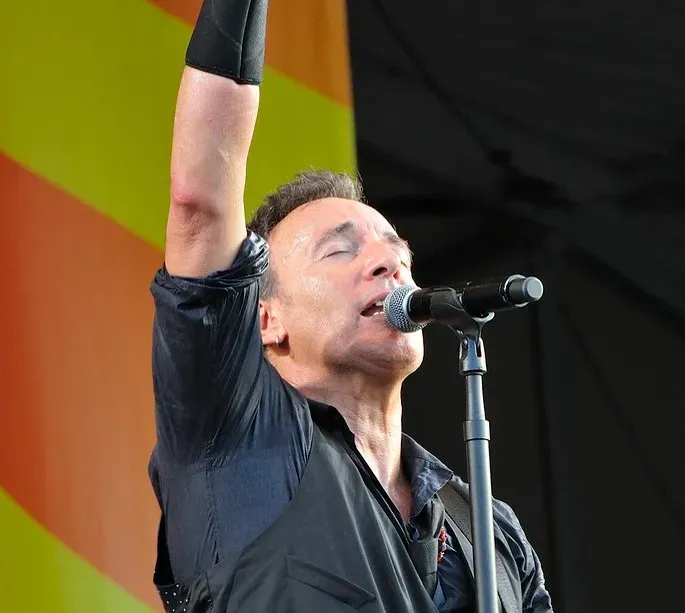
Bruce Springsteen’s “Born to Run” didn’t come together overnight. It took months of recording, with the arrangement constantly evolving. Springsteen and his team added and removed instruments, layered vocals, and searched for the perfect “wall of sound” that would make the song soar.
The final version is a triumphant, cinematic anthem that captured the restless spirit of a generation. “Born to Run” became an instant classic, propelling Springsteen to superstardom. What started as a fairly lean rock song gradually accumulated Phil Spector-inspired density until Springsteen felt it finally matched the emotional scope he had heard in his head from the start.
6. The Beatles – “A Day in the Life” (1967)
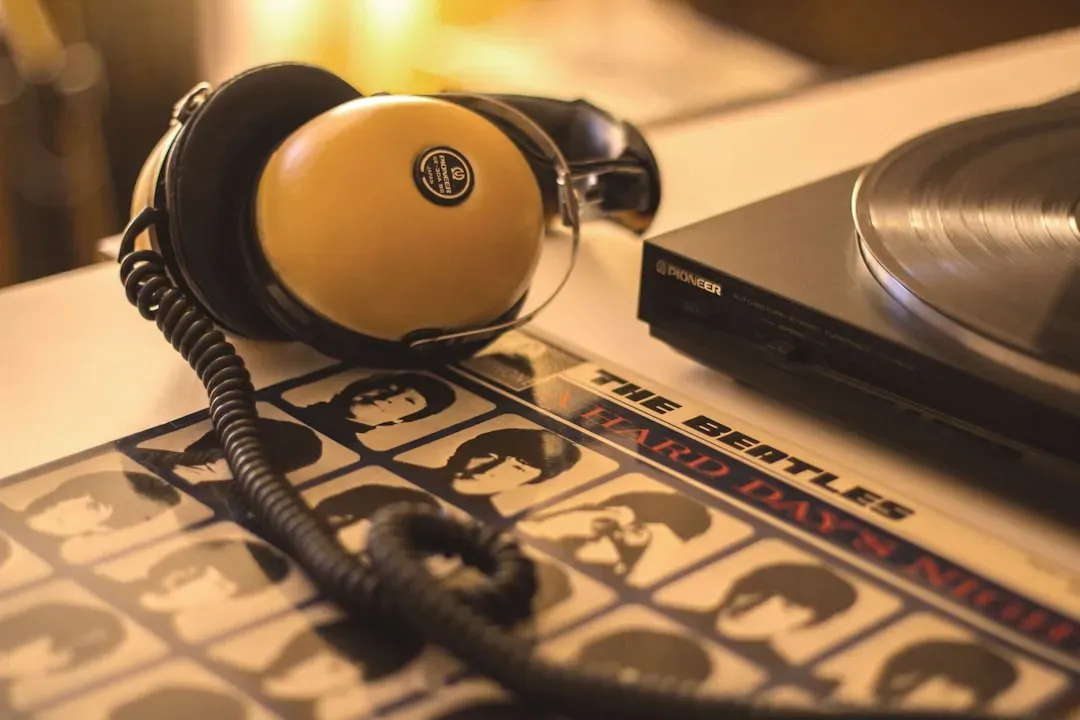
The song began as two unfinished Lennon and McCartney pieces that neither writer felt could stand alone. The solution was to fuse them in the studio, connecting them with a deliberately disorienting orchestral crescendo that George Martin helped conceive. Musicians were given a starting note and an ending note and were instructed to play to whatever they felt was appropriate in between.
The resulting orchestral swell became one of the most famous studio experiments in pop history. George Martin, often referred to as the fifth Beatle, would experiment with tape replay speeds and tape loops to get a unique sound. The final piano chord at the end was left to decay for over forty seconds, long after the notes had technically faded, a quiet insistence that something important had just happened.
7. Michael Jackson – “Don’t Stop ‘Til You Get Enough” (1979)
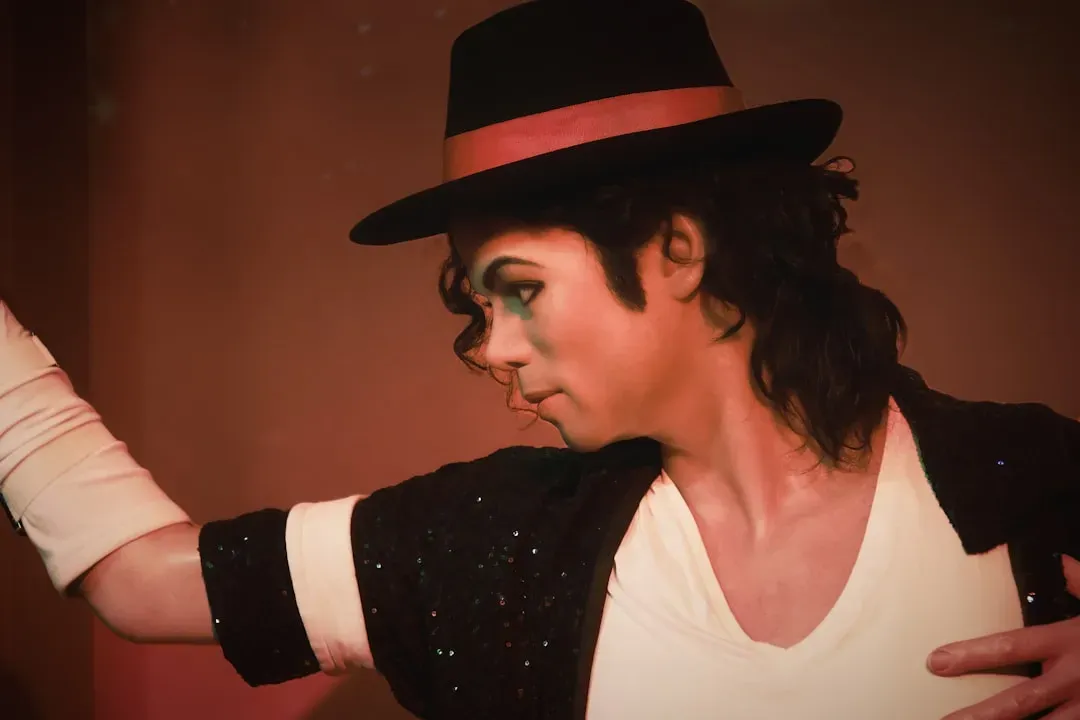
When Michael Jackson was recording the track, a prominent string section sound was bothering him in the introduction and interludes, and he demanded to remove them because they were distracting him from recording his vocals properly. All strings were going to be removed until legendary producer Quincy Jones stepped in and told Michael they were keeping that string section in the song no matter what. Without Quincy, the song would not be the hit it is today, had that massive orchestra section been removed.
The tension between Jackson’s instinct to strip the song back and Jones’s determination to keep it lush was essentially a mid-session argument that reshaped the final recording entirely. That string section is now inseparable from the song. It became Jackson’s first number-one hit as a solo adult artist and set the sonic template for much of what followed in his career.
8. Elvis Presley – “That’s All Right” (1954)
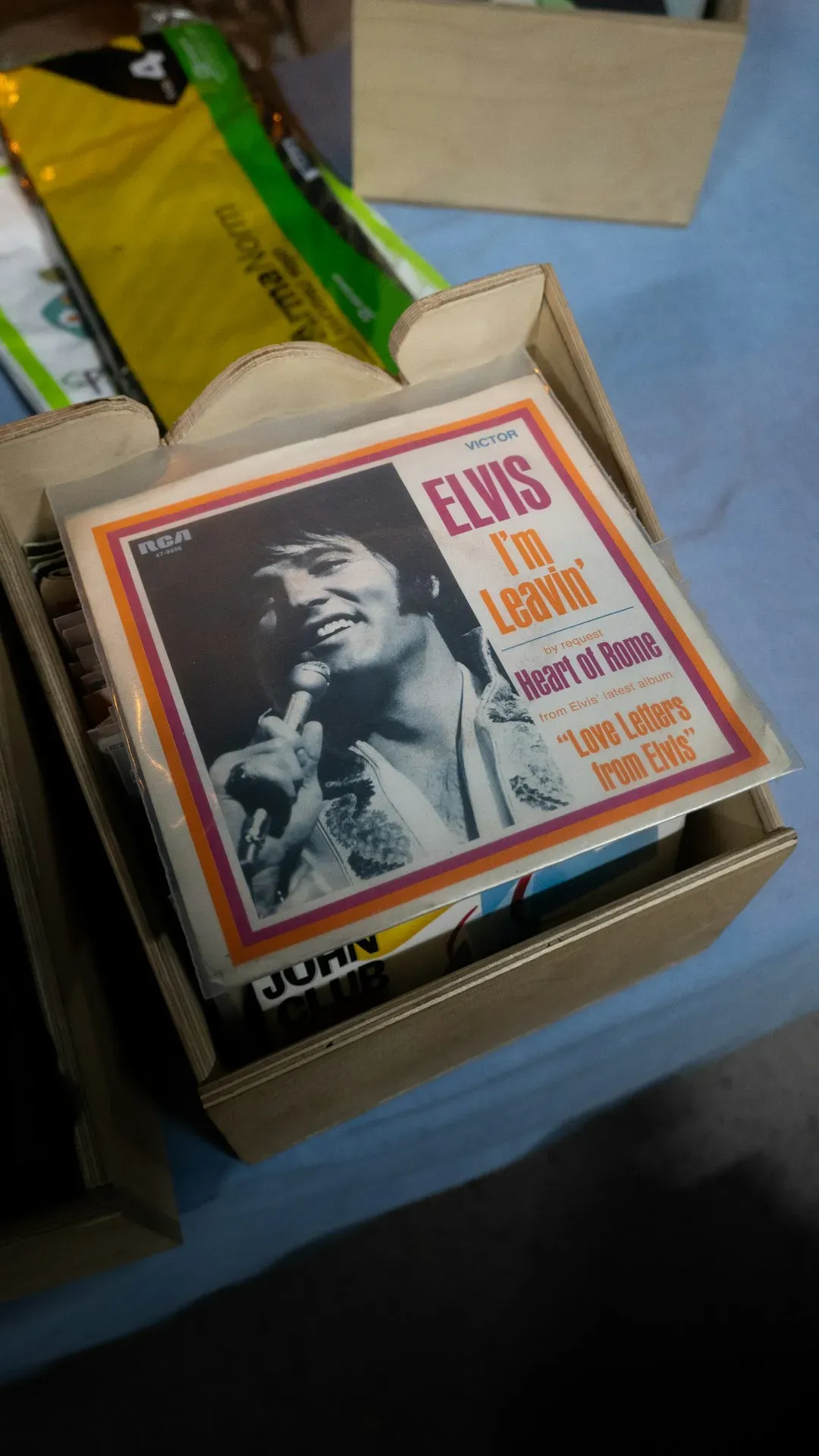
Presley’s “That’s All Right Mama” was a spontaneous recording after the band at first simply imitated singers of the day, and producer Sam Phillips was disappointed. Elvis first sang the song as a blues standard, but it was only when he broke into his original sound that it was recorded at Sun Records and became a hit.
Behind the scenes, the recording was a bit of a chaotic affair. Elvis had sought to get a record deal, but his sound didn’t fit any current genre. What emerged from that confusion was rockabilly in its rawest form. The session that changed popular music forever wasn’t planned; it happened because a bored musician started goofing around between takes and his producer had the sense to keep the tape rolling.
9. Sam Cooke – “A Change Is Gonna Come” (1964)
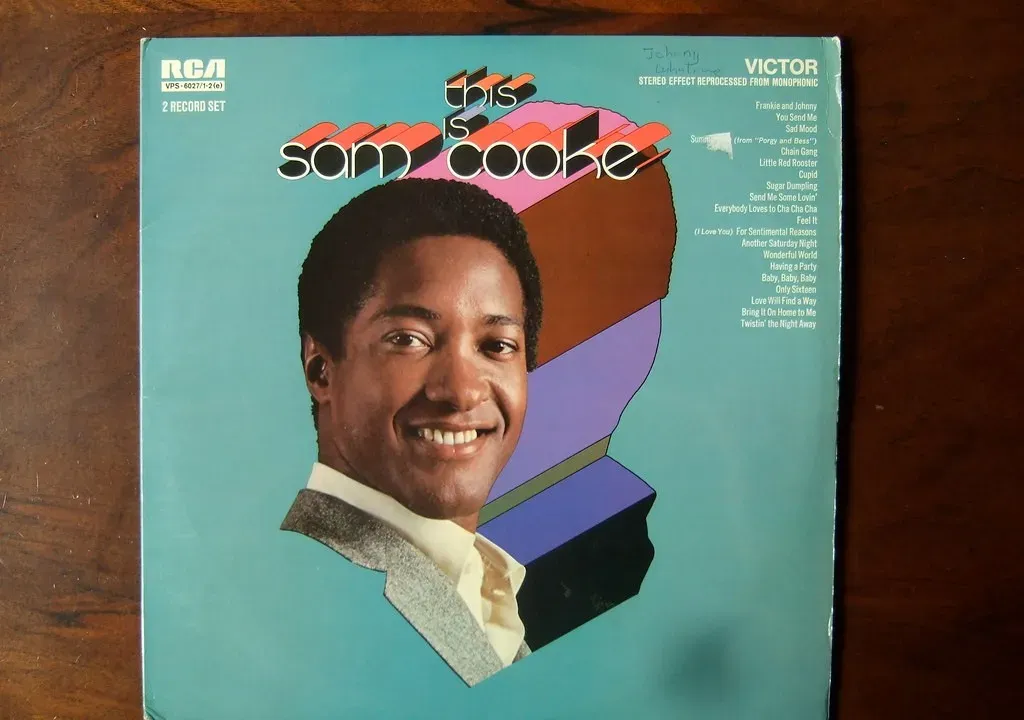
The recording process was deeply significant, with Cooke pouring every ounce of his emotion into the studio session. Backed by a lush orchestral arrangement, the song diverged from his usual pop and R&B style, embracing a more profound, almost spiritual tone.
Tragically, Cooke was killed shortly after the song’s release, and he never lived to see the full impact of his work. However, “A Change Is Gonna Come” became a beacon of hope during the civil rights movement, its message echoing through marches, protests, and speeches. It remains one of the most powerful statements in music history, a testament to Cooke’s resilience and his belief in a better tomorrow.
10. The Police – “Roxanne” (1978)

While the Police were recording “Roxanne,” band frontman Sting sat on an upright piano while the tape was rolling. He mentions forgetting about the lid of the piano not being closed and playing a chord with his behind right at the beginning of the track. That audible thump before the song properly begins is still there in every version ever released.
Rather than scrapping the take, the band decided to keep it, a small act of nonchalance that gave the recording a loose, slightly dangerous feel entirely fitting for a song about a sex worker. The spontaneous imperfection became part of the song’s character. These little mistakes would end up making a mark on these hits, as the songs would not be the same without these mishaps.
11. Queen and David Bowie – “Under Pressure” (1981)
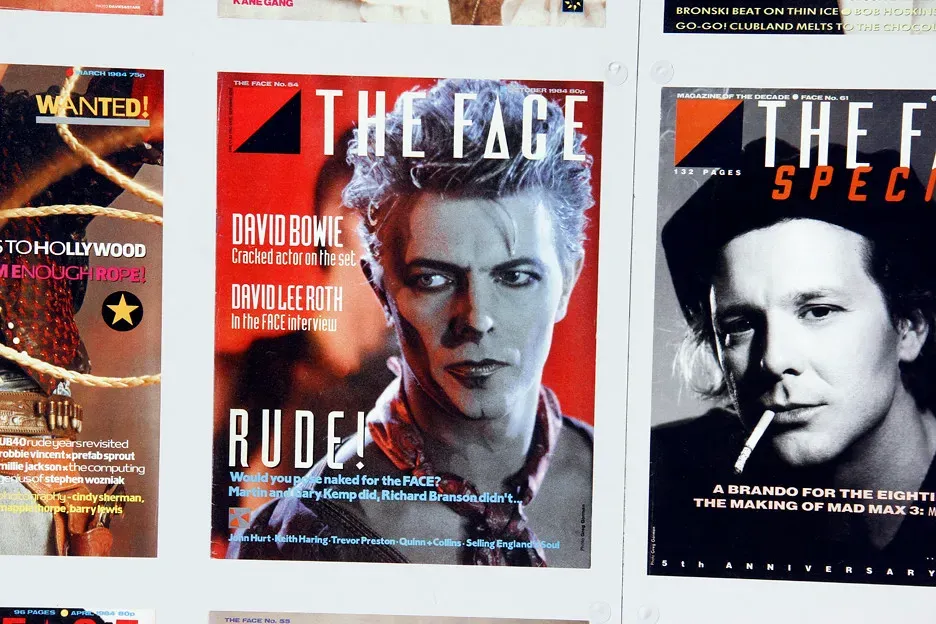
When Queen and David Bowie gathered for a spontaneous jam session, lightning struck. That famous bass line emerged from improvisation, with everyone contributing ideas rapidly. The entire song crystallized in just a few hours of creative collaboration. Both legends pushed each other to vocal heights neither might have reached alone. The result became one of rock’s greatest duets, born from pure musical chemistry and friendly competition.
They all started jamming on the song’s chords, wrote new lyrics, and the rest is history, as they say. That jam between Bowie and Queen became the iconic “Under Pressure.” No one had arrived at the studio intending to write and record a complete song that day. The track topped the UK charts and later became even better known when Vanilla Ice sampled its bass line for “Ice Ice Baby” in 1990.
12. Fleetwood Mac – “The Chain” (1977)
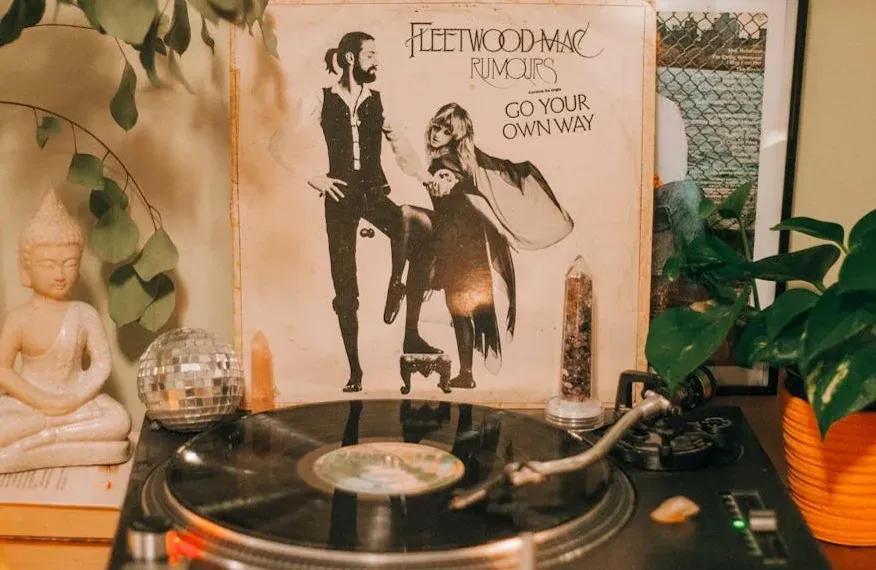
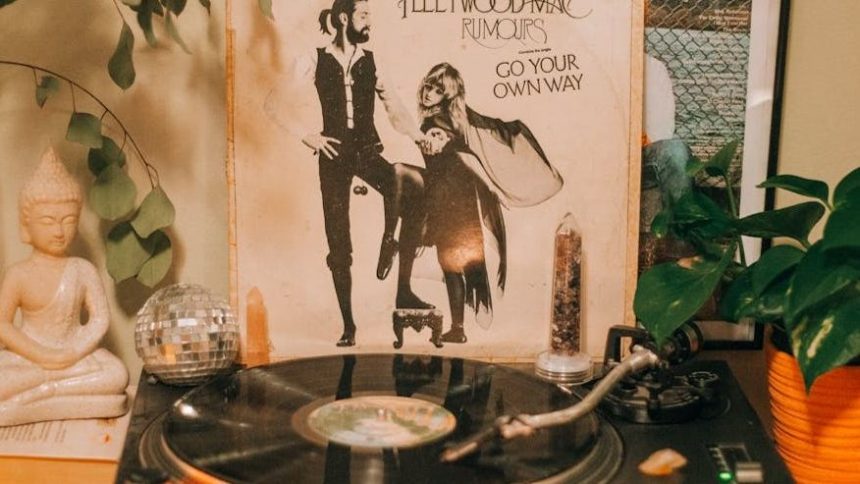
The coda to Fleetwood Mac’s “The Chain” is completely different to the rest of the song and is probably the bit most people associate with it. The track was pieced together from multiple unfinished fragments during the Rumours sessions, a period of extreme personal tension between the band members. What began as several separate ideas was assembled into a single song, and the famously driving bass line in the final section was added almost as an afterthought.
The result is a song that feels like it’s building toward something, even when it arrives at something unexpected. That bass line is now one of the most recognizable in rock music, largely due to its use in Formula One broadcasts for decades. The song has never been performed live without it, and it remains the only Fleetwood Mac track credited to all five members of the classic lineup.
13. Carly Simon – “You’re So Vain” (1972)
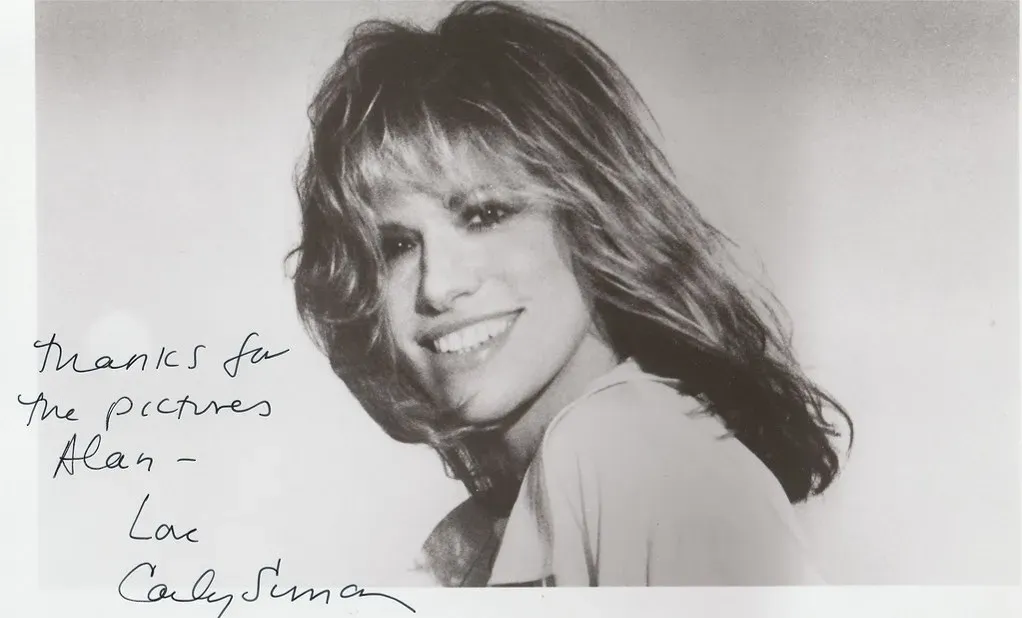
While no official credit has been given to artists other than Carly Simon for the track, one famous voice can be heard doing backup vocals in some parts of the song. In the chorus, Mick Jagger of the Rolling Stones can be heard singing the lines. Jagger had phoned the studio Carly Simon was recording at to see what was going on. Simon answered and simply said, “We’re doing some backup vocals on a song of mine, why don’t you come down and sing with us?”
Jagger’s contribution was entirely unplanned and uncredited on the original release. His presence added an unexpected dimension of rock swagger to a song that was already acidly sharp. The accidental inclusion of one of rock’s biggest names in the chorus transformed what was already a great song into a true cultural flashpoint, and the identity of the song’s subject has been debated ever since.
14. Led Zeppelin – “Over the Hills and Far Away” (1973)
Led Zeppelin’s “Over the Hills and Far Away” starts out as an acoustic guitar folk ballad, and then abruptly transitions into a fast-paced hard rock tune with the acoustic guitar providing the rhythm, before it slows down into an echo-filled finish. The structural shift wasn’t an accident but it wasn’t entirely mapped out either; the band let the energy of the studio dictate where the song would go next.
The track from Houses of the Holy stands as a perfect example of how Led Zeppelin used the recording environment as a creative space rather than simply a place to document finished work. Jimmy Page’s acoustic intro is serene and almost pastoral. Then the drums come in like a door being kicked off its hinges. The whiplash between those two worlds is exactly what makes the song so memorable.
15. Bob Dylan – “Blowin’ in the Wind” (1963)
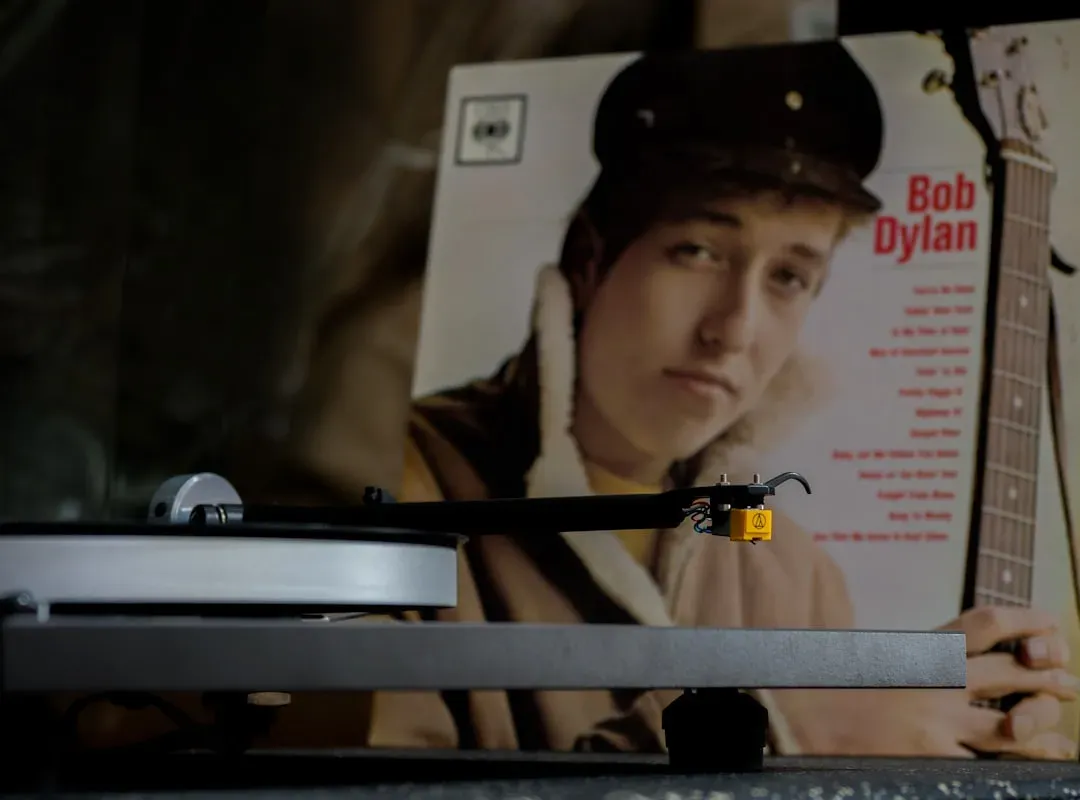
What’s often overlooked is the way “Blowin’ in the Wind” was recorded in just one take, with Dylan’s vocals and guitar work being captured live in the studio. The song’s producer, Tom Wilson, was looking for a more raw and spontaneous sound, and Dylan’s performance was perfectly suited to this approach.
The song was written in 1962, during a tumultuous time in American history. The Civil Rights Movement was gaining momentum, and Dylan was deeply influenced by the struggles of Americans for equality and justice. The song’s lyrics, which ask a series of rhetorical questions about freedom, justice, and morality, were inspired by Dylan’s own experiences as a young artist in Greenwich Village. The choice to capture it in a single raw take rather than polish it into something more produced gave the song a directness that no amount of studio craft could have manufactured. That very roughness is what made people believe it.
What connects all fifteen of these recordings is not chaos for its own sake. It’s the willingness, often the courage, to follow where the song was trying to go rather than where anyone had planned to take it. Some of the most enduring music ever made exists because someone in a studio said “what if we try it this way” and nobody said no.