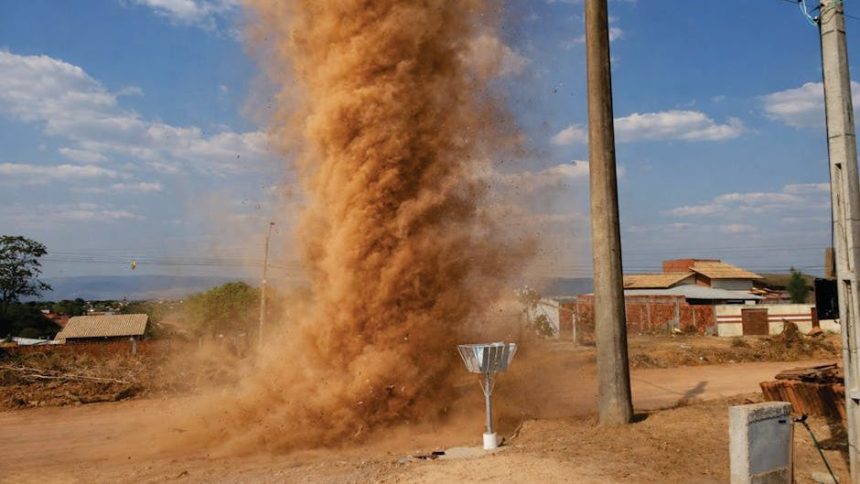
Most people who move to Las Vegas picture sun-soaked streets, bright casino lights, and dry desert heat. What the real estate brochures don’t mention is the seasonal wall of dust that periodically swallows the valley whole, reducing visibility to near zero and coating lungs with fine particles that linger for days. It’s a hazard hiding in plain sight, one that affects long-term residents and newcomers alike. The respiratory risks tied to Las Vegas dust storms are more complex than most people realize. They go far beyond a sore throat or scratchy eyes. Understanding what’s actually in that airborne dust, who’s most at risk, and how to respond could genuinely matter for your health over the long run.
What a Las Vegas Haboob Actually Is
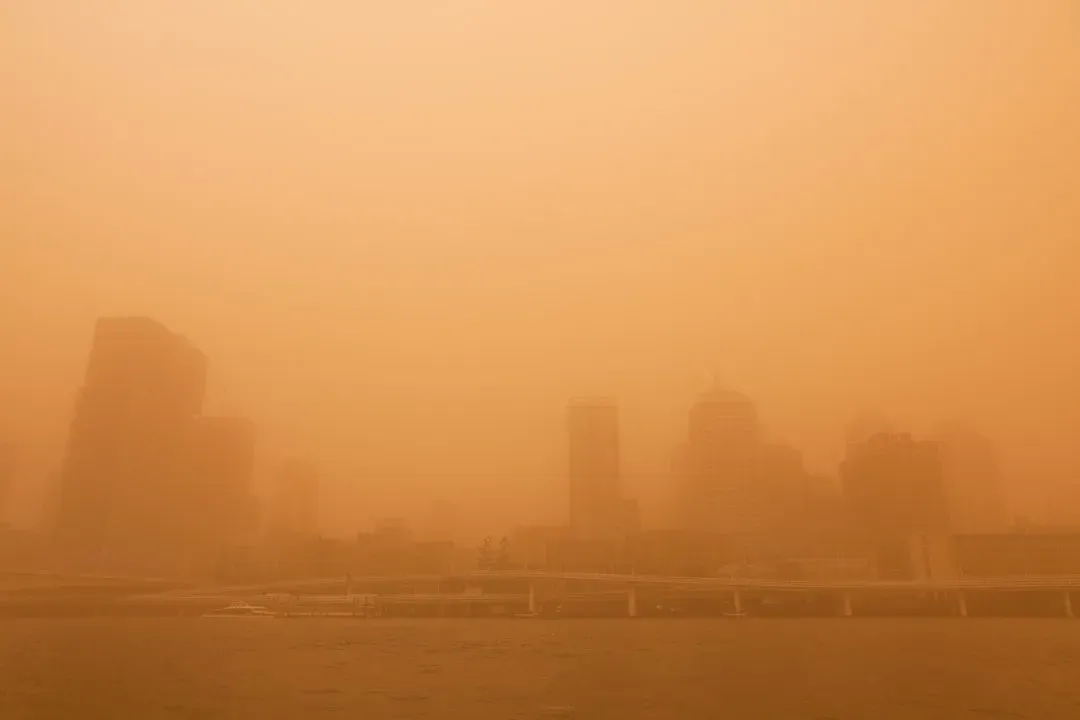
Haboobs tend to form as a result of thunderstorms, in particular the thunderstorms’ downdrafts, which are relatively common in the southwestern U.S. during the North American Monsoon Season. They aren’t simply strong wind events. A haboob typically forms when cold air from a thunderstorm rushes downward, causing high winds at the surface which lift dust into the air, and these storms can be up to 2,000 meters high, advancing up to 70 kilometers per hour, and can last as long as 6 hours.
Haboobs are immense walls of dust that can tower a mile high and roll over valleys at 50 miles per hour. They aren’t slow-moving fog banks you can drive around. A dust storm usually arrives suddenly in the form of an advancing wall of dust and debris which may be miles long and several thousand feet high, and they strike with little warning, making driving conditions hazardous.
Dust Storm Season in Clark County
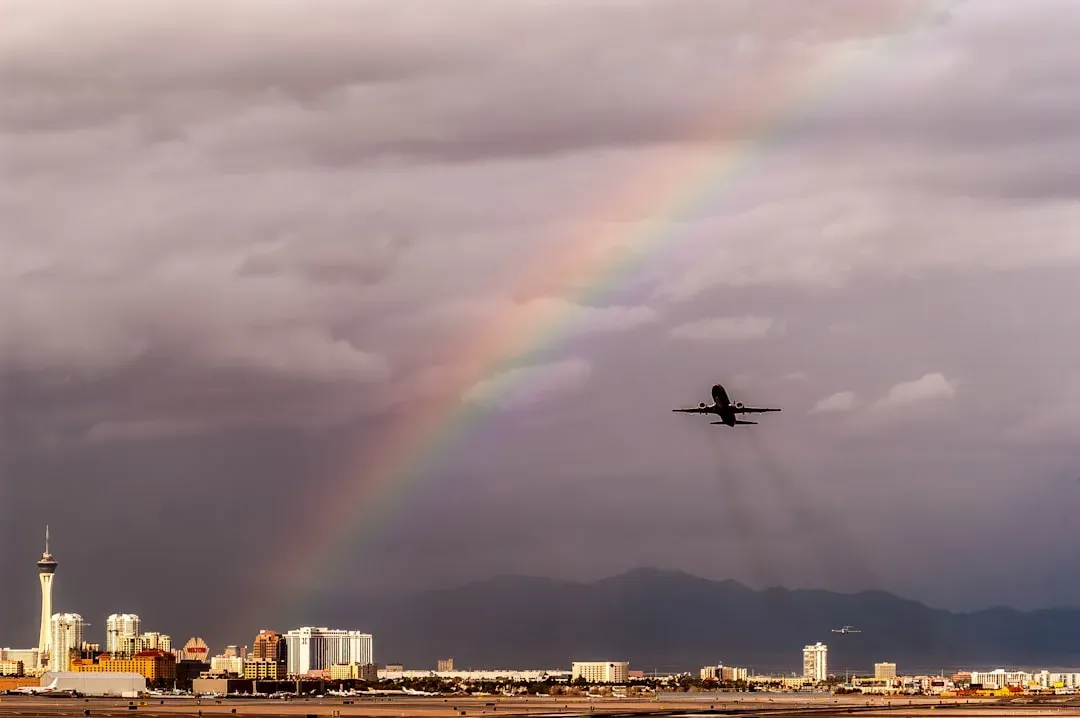
Dust storms are well-recognized by residents living in Nevada, and residents of these regions have come to expect dust storms every year, with the season beginning in mid-June and ending around the last days of September. That’s nearly four full months where major dust events can roll through the valley at any time. This period of increased thunderstorms and rainfall in the region typically occurs from July through September.
The threat isn’t limited to summer either. Clark County has issued dust advisories that go into effect even in early spring, as high winds are forecast in the area. In July 2025, one storm was especially severe. The wind generated a dust storm that swept through much of the valley, dramatically reducing visibility and impacting air quality readings, with residents and tourists along the Las Vegas Strip witnessing thick plumes of dust blanketing the skyline.
What’s Actually Inside the Dust
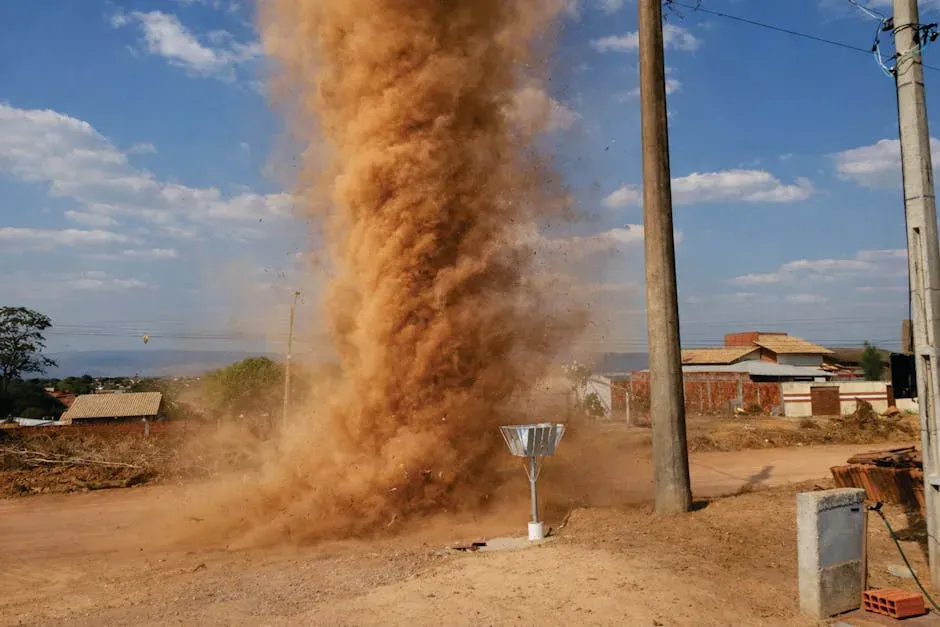
A substantial fraction of airborne particles in dust storms is smaller than 10 micrometers in size and can penetrate the respiratory tract of humans, and these dust particles contain mainly mineral components but also organic material, both natural and human caused. It isn’t just dirt. The storms also contain biological material such as pollens, spores, bacteria, and viruses, which can cause respiratory issues or deliver pathogens to the lungs.
High temperatures, minimal precipitation, and a fast-growing population set the backdrop to Las Vegas’s unhealthy air quality, while transportation, construction, and industrial emissions are direct culprits for emitting harmful levels of PM2.5 and ozone precursor pollutants into Las Vegas’ air. During a haboob, all of these man-made pollutants get swept up alongside natural desert soil, making the airborne mix particularly potent.
The Immediate Health Threat: Particulate Matter and Your Lungs
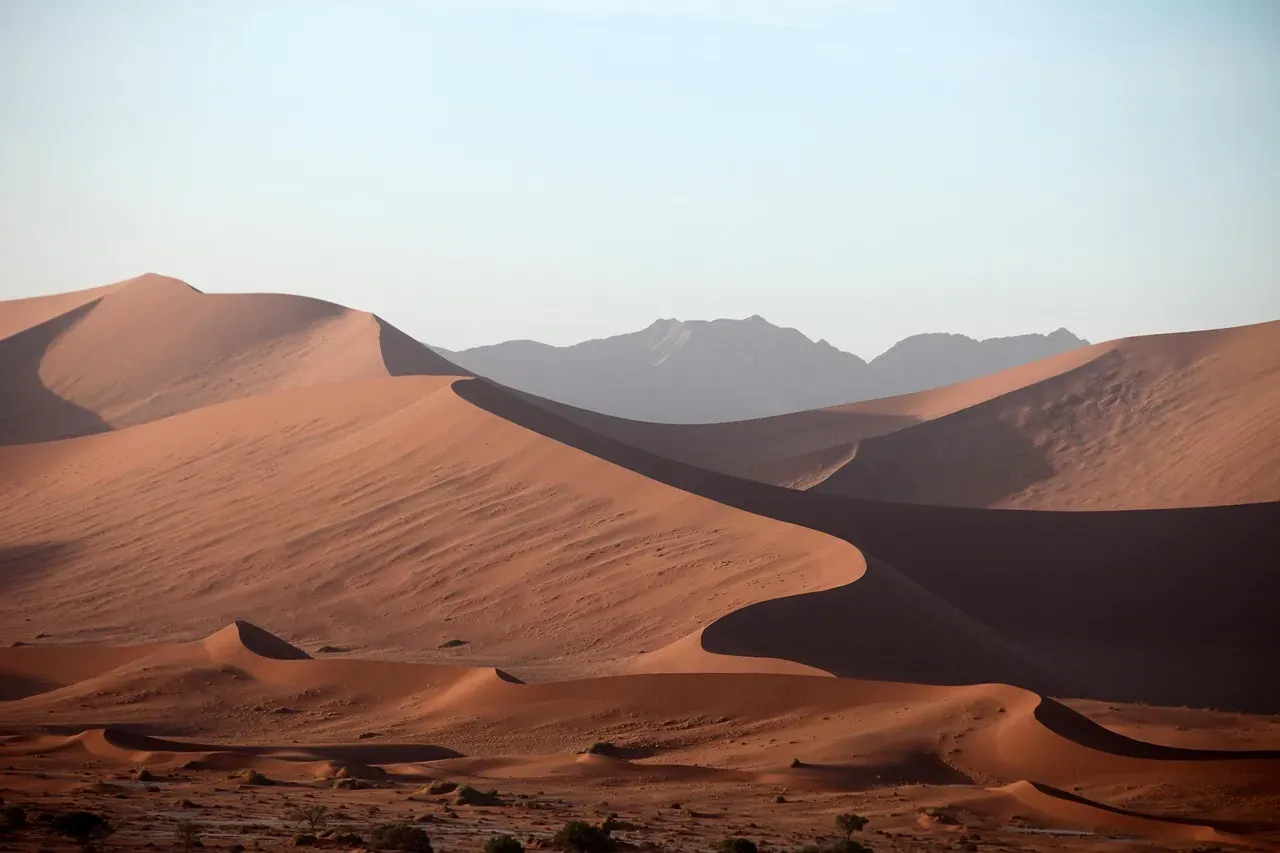
Dust particles can linger in the air for a few hours up to 10 days, and particles that are breathed into the lungs may cause or worsen coughing, wheezing, lower respiratory tract infections, lung diseases, and cardiovascular diseases. That multi-day window is critical. It means health impacts extend well beyond the visible storm event itself. Airborne dust is a form of inhalable air pollution called particulate matter, or PM, which can aggravate respiratory diseases.
The impacts of haboobs can linger for days as dust particles remain in the atmosphere, and that can worsen air quality and cause difficulty breathing for kids, older adults, and people with asthma or COPD. For people with chronic lung conditions, even a single serious exposure event can mean days or weeks of worsened symptoms.
High-Risk Groups Who Need to Pay Extra Attention
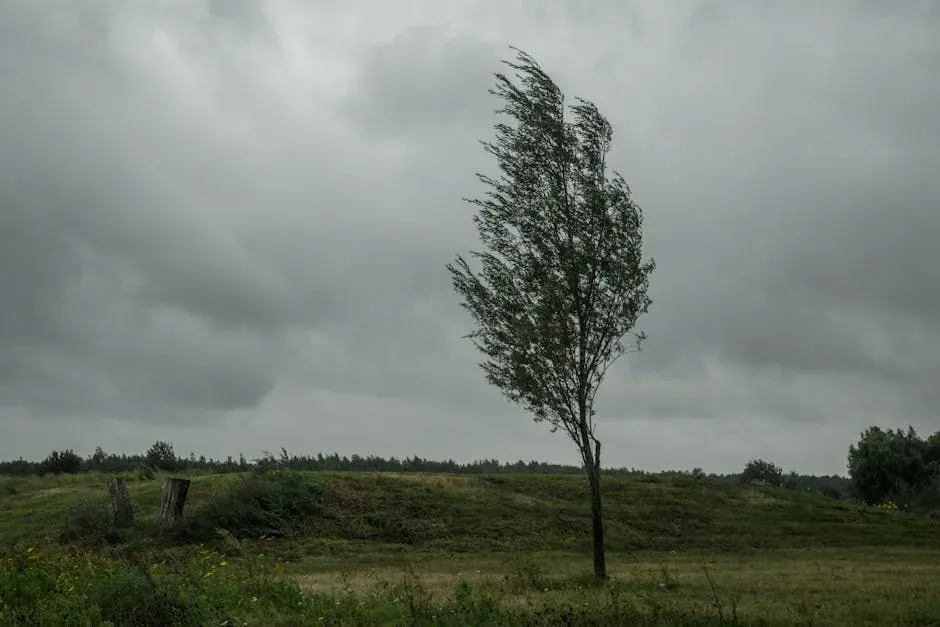
People with heart or lung disease, older adults, and children should consider staying indoors during a windstorm, as they face greater health risks from airborne particulate matter, according to the U.S. Environmental Protection Agency. This guidance specifically addresses Las Vegas Valley conditions. Health issues like asthma and other respiratory diseases can worsen from the inhalation of dust particles during a storm, and people who have COPD can breathe in particles that really start to aggravate their condition and push them closer to respiratory distress.
The risk isn’t purely about pre-existing illness. There is concern regarding the exposure from dust storms, from immediate effects of stress to the respiratory system impacting people with pre-existing health conditions. Athletes, outdoor workers, and construction laborers who spend long hours outside during dusty conditions face elevated cumulative exposures that can quietly compound over months and years.
Las Vegas Air Quality: The Broader Picture

Understanding the full picture is more complex than simply analyzing Las Vegas AQI for annual average pollution levels, and while average pollution levels in recent years have shown improvements, Las Vegas’s number of days qualifying as “unhealthy” for PM2.5 and ozone has been on the rise since 2016. That contrast matters. A city can look decent on paper in annual averages while still having harmful spike days that hit vulnerable residents hard.
According to the American Lung Association, ozone levels are getting worse, and Las Vegas is now ranked as the 9th most ozone-polluted city in the U.S., up from 13th the previous year. Ozone and dust are separate problems, but they often occur under the same hot, dry conditions that drive summer storms. Ozone builds up at ground level during the day because of high temperatures, chemical vapors, and vehicle emissions, and is produced at an increased rate during the summer months when the climate is hotter and sunnier.
Partner offer
Valley Fever: The Hidden Fungal Risk in the Dust
Coccidioidomycosis is an infectious disease caused by inhaling spores of a fungus called Coccidioides immitis, and the disease generally begins as a respiratory illness and may progress to a persistent infection. Most people in Nevada have never heard of it until they’re diagnosed. Historically, valley fever spreads in Arizona, California, Nevada, and New Mexico, meaning the Las Vegas Valley sits squarely within the fungus’s natural range.
It is underdiagnosed, with thousands of cases not reported, and the estimated true burden is around 206,000 to 360,000 cases per year, roughly 10 to 18 times more than what is officially reported. That gap between real burden and official count is staggering. Cases have also been rising in Nevada, New Mexico, and Utah, which together reported 566 cases in 2023. These figures likely represent only a fraction of actual infections in the region.
How Valley Fever Progresses and Why It’s So Often Missed
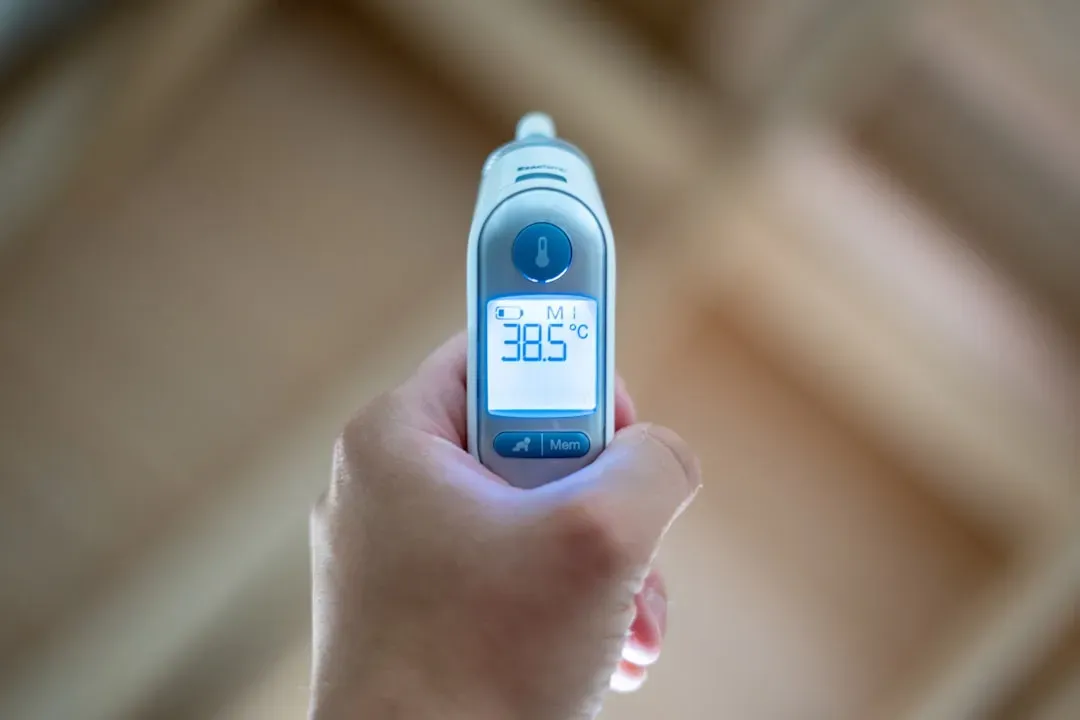
The first, acute form of coccidioidomycosis often has few or no symptoms, and when symptoms do appear, they typically start one to three weeks after contact with the fungus, tending to resemble flu symptoms. That resemblance to the flu is exactly why so many cases slip through undiagnosed. A person gets dusty at an outdoor event, feels sick a week later, and assumes they caught a cold. An estimated roughly three in five people infected with the fungi responsible for coccidioidomycosis have minimal to no symptoms, while those who do develop symptoms most often present with a respiratory infection resembling bronchitis or pneumonia.
The disseminated form of coccidioidomycosis can devastate the body, causing skin ulcers, abscesses, bone lesions, swollen joints with severe pain, heart inflammation, urinary tract problems, and inflammation of the brain’s lining, which can lead to death. This severe outcome is rare, but it is real. On average, there were approximately 200 coccidioidomycosis-associated deaths reported each year from 1999 to 2023.
What Clark County Officials Recommend During Dust Advisories
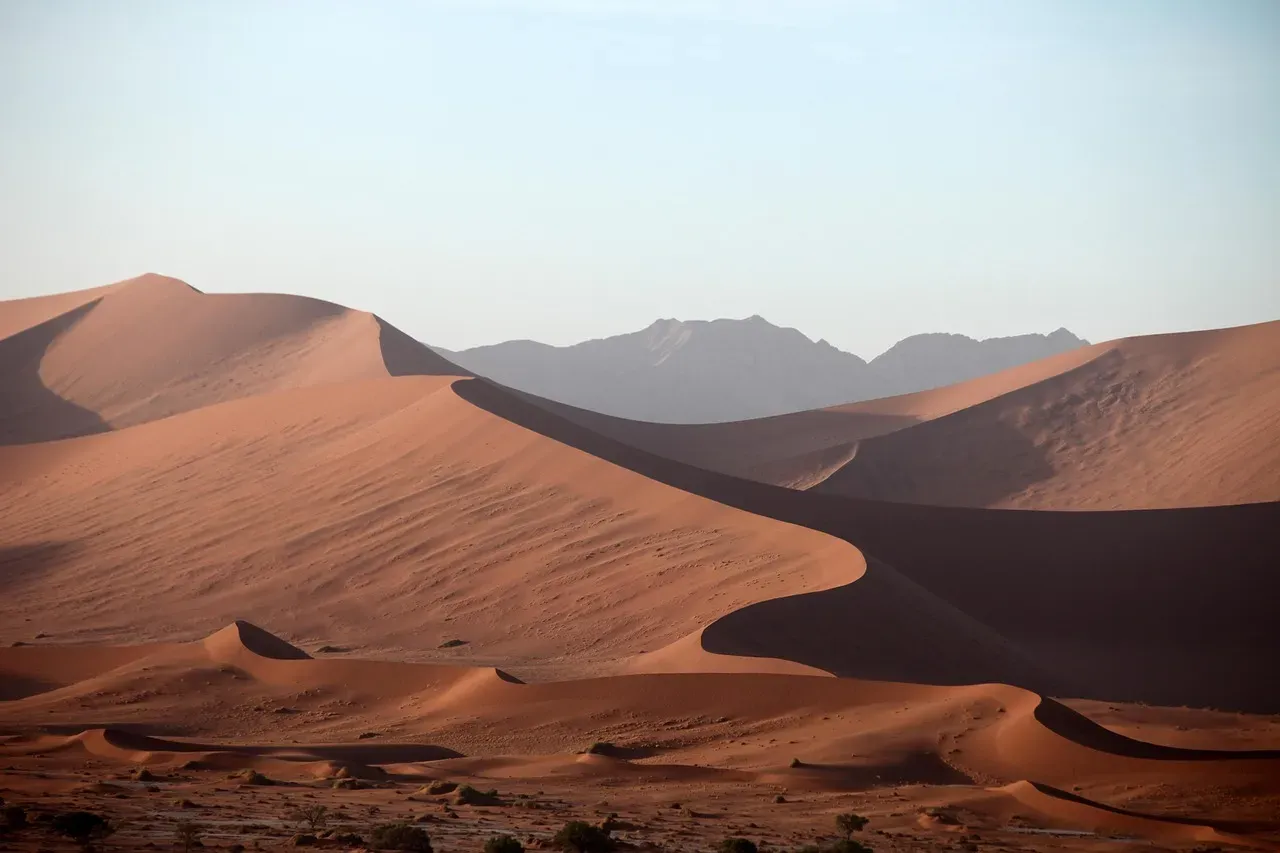
Clark County’s Division of Air Quality issues dust advisories warning residents to prepare for airborne dust as strong southerly winds sweep through the Las Vegas Valley, with forecasted sustained wind speeds of 20 to 30 mph and gusts exceeding 40 mph, and blowing dust can be expected for many hours at a time. These aren’t precautionary suggestions meant to be ignored. Particulate matter can aggravate respiratory diseases especially during physical activity, and county officials recommend residents limit outdoor exercise when dust is visible, keep windows and doors closed, and run air conditioners to filter out particles.
Public health agencies advise residents to stay inside and keep windows and doors closed when it’s windy outside and the air is dusty, especially during dust storms. Running a HEPA air purifier indoors during and after an event is a practical additional step. Checking the Clark County Air Quality monitoring page before outdoor activities on windy days takes less than a minute and is well worth the habit.
Climate Change Is Making This Worse
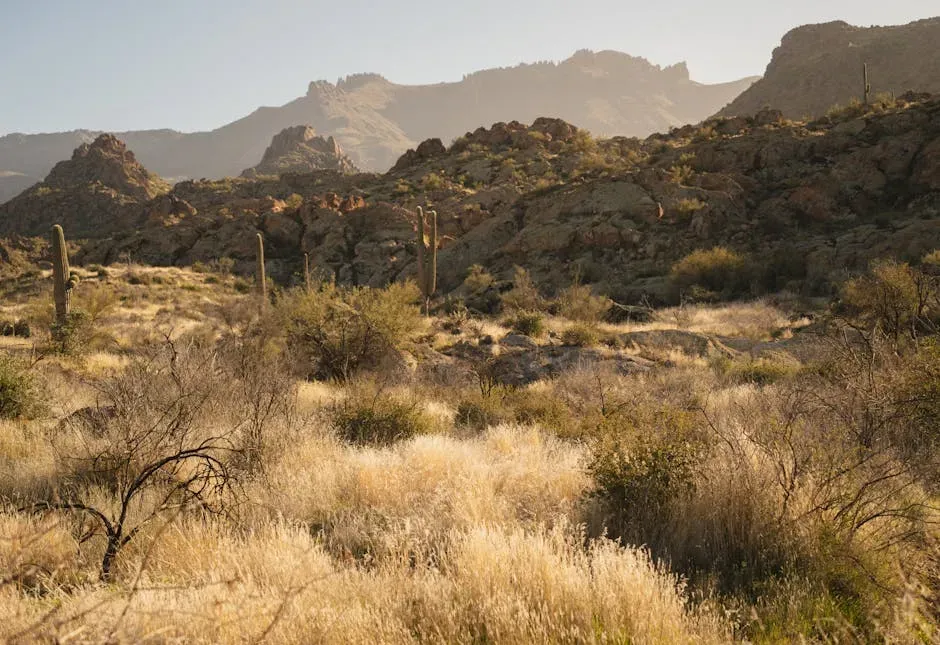
The changing climate is contributing to drought and extreme temperatures, which increases the risk of dust storms. For the Las Vegas Valley, which already sits in one of the driest climates in North America, that trajectory points in a difficult direction. Climate change and human activities can contribute to the frequency and intensity of dust storms.
Changes in weather and climate may allow the fungus that causes valley fever to spread and live in more areas. That means not just more dust, but potentially more biologically hazardous dust. Valley fever is a fungal disease that can cause respiratory symptoms and, in some people, severe pulmonary infection and chronic lung damage, and cases previously concentrated in the central part of certain states have been spreading as weather conditions become hotter and drier.
Conclusion: Living With the Dust Takes Active Awareness

The Las Vegas Valley is a genuinely beautiful place to live. Its low humidity, warm winters, and wide-open skies draw millions of people every year. The dust is simply part of the package, and it’s a part that deserves more honest attention than it typically gets.
Monitoring air quality advisories from Clark County, keeping indoor air filtered, and knowing that a summer respiratory illness might be valley fever rather than a common cold are all practical, meaningful steps. The risks aren’t cause for panic, but they are real enough to take seriously.
The desert has always had its own terms for habitation. Dust storm survival in Las Vegas isn’t about fear. It’s about knowing what’s in the air you breathe, and making informed choices about when to stay inside and when to go out.
Partner offer
Planning a trip to Vegas?
Compare hotel rates and show tickets on VEGAS.com.