Peace Talks Collapse Spurs Immediate Response (Image Credits: Unsplash)
President Donald Trump escalated tensions with Iran by ordering a partial blockade in the Strait of Hormuz. The move followed the collapse of peace talks over the weekend. U.S. naval forces now target ships linked to Iranian ports, aiming to disrupt the nation’s primary revenue source.[1]
Peace Talks Collapse Spurs Immediate Response
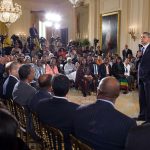
Iranian negotiators misjudged American resolve during recent discussions. They presented demands that clashed with U.S. positions, assuming Trump’s push for a swift resolution signaled weakness. Talks ended abruptly, prompting a firm countermeasure from Washington.
The president acted Sunday night with the blockade directive. This step marked a shift from earlier caution. Global energy markets watched closely as the announcement rippled through shipping lanes.[1]
Operational Details of the Naval Enforcement
U.S. Central Command outlined the blockade’s scope. Navy vessels intercept ships entering or exiting Iranian ports. Operations spare traffic to other regional destinations, preserving broader freedom of navigation.[1]
Mine-sweeping efforts accompany inspections. The strait has seen prior disruptions from Iranian actions, including tolls and passage restrictions. These measures restore order to a critical chokepoint for global trade.
- Interceptions limited to Iranian port traffic
- No interference with non-Iranian shipping
- Disarmament of mines in key areas
- Focus on economic pressure over military confrontation
Iran’s Heavy Reliance on Oil Exports
Oil drives Iran’s economy, with shipments passing through the Strait of Hormuz. The blockade strikes at this vulnerability. Daily export revenues reach about $280 million, supplemented by $160 million in imports.
Partner offer
Over 90 percent of the country’s annual trade flows via the Persian Gulf. Oil and gas account for 80 percent of exports and nearly 24 percent of GDP. A sustained blockade could inflict $13 billion in monthly losses.[1]
Mardo Soghorn of the Middle East Forum highlighted the stakes. “Iran’s vulnerability is significant,” he noted, detailing the trade dependencies.
Reactions from Tehran and Beyond
Iranian officials labeled the blockade illegal and likened it to piracy. Such rhetoric echoed their own recent tactics in the strait. Tehran faces a dilemma with its limited naval assets, mainly small patrol boats.
China voiced opposition, with its foreign minister stating the action harms international interests. The country imports 80 percent of Iran’s oil, amplifying the stakes for Beijing. Global observers noted potential ripples in energy supplies.[1]
President Trump weighed economic fallout before proceeding. Higher gasoline prices concerned U.S. consumers. Yet Iran’s bid to control the strait necessitated intervention.
Key Takeaways
- Blockade focuses economic pain on Iran’s oil sector without broad disruptions.
- Strait of Hormuz handles vast global oil flows, heightening stakes.
- Recent ceasefire followed U.S. strikes on Iranian infrastructure, showing resolve.[2]
The blockade reshapes the conflict’s dynamics. Iran must reassess its strategy amid mounting pressures. Will economic isolation force concessions, or provoke further risks? What do you think about this escalation? Tell us in the comments.
Partner offer
Planning a trip to Vegas?
Compare hotel rates and show tickets on VEGAS.com.