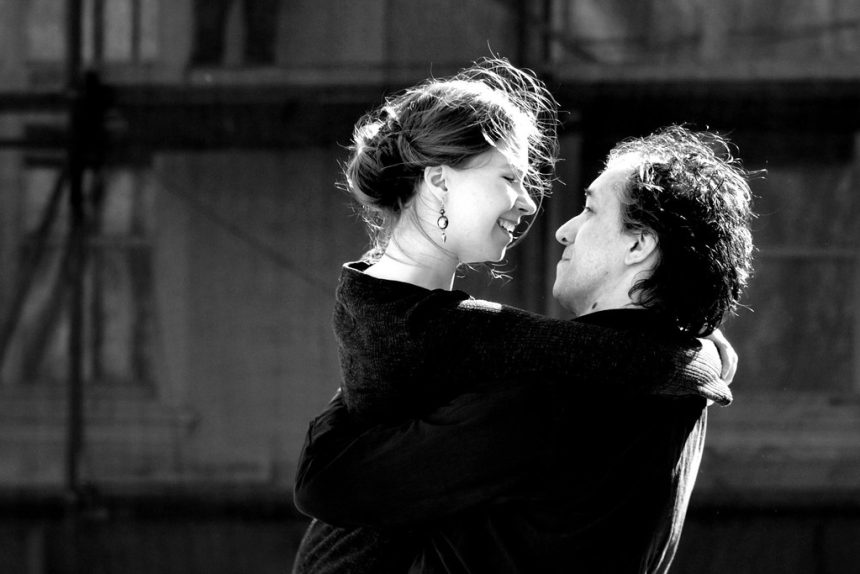
Crying on camera looks effortless when it works. A single tear rolls at just the right moment, and the audience feels it too. Behind that moment, though, there’s usually a lot of quiet preparation.
Acting teachers and coaches have spent decades describing the methods performers use to get there. Some are rooted in memory, some in the body, and a few are plain practical tricks. Here are the main approaches, and what’s known about why they work.
Emotional Memory and Personal Recall
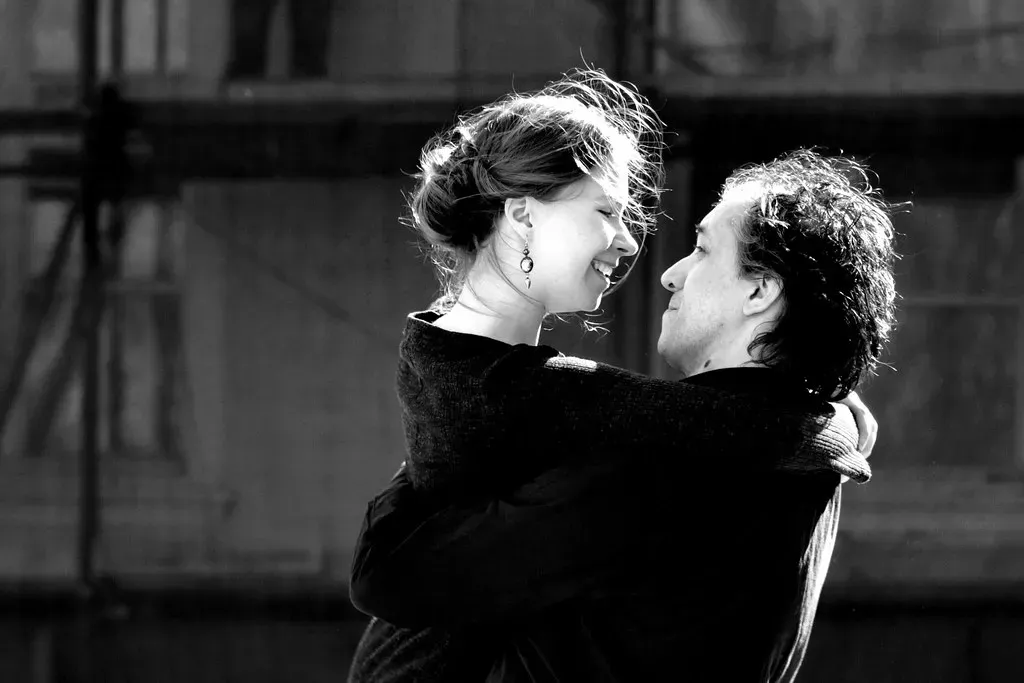
One of the best known techniques draws on a real memory. The actor recalls a painful moment from their own life and lets the feeling return. This approach comes from Constantin Stanislavski’s early system and was later developed in American teaching, including Lee Strasberg’s work at the Actors Studio.
Many coaches still teach it, though often with caution. Reliving real grief night after night can be draining, so teachers tend to suggest using memories that are moving but not the most devastating ones. The goal is access to emotion, not a repeat of trauma.
Substitution and Sense Memory

Substitution is a close cousin of emotional recall. Instead of reliving an event, the actor swaps something in the scene for a person or situation that matters to them. A fictional character’s loss might be mentally replaced with the loss of a beloved pet or relative.
Sense memory works at a smaller scale. The actor focuses on the smell, sound, or texture tied to an emotional moment, because physical details can trigger feeling more reliably than abstract thought. Coaches often like it because it keeps attention on specifics rather than on forcing tears.
Working From the Given Circumstances

Not every actor reaches into their own past. Many teachers, drawing on Stanislavski’s later thinking, urge performers to study the character’s situation closely instead. What has just happened, what does the character want, and what is at stake right now?
If those questions are answered honestly, the emotion can arise from the imagined reality of the scene. This method protects the actor’s private life, and many coaches see it as more sustainable for long shoots or stage runs.
Imagination and Visualization

Some actors build a vivid mental picture of the scene’s events and let their reaction follow. They may imagine the room, the faces, the exact words spoken, and the moment everything changes. The more concrete the image, the stronger the response tends to be.
Coaches often compare this to the way a sad film can move us even though we know it’s fiction. The brain reacts to imagined events in surprisingly real ways. Actors simply train that response and learn to repeat it on demand.
Breathing and Physical Release

Crying is a physical act as much as an emotional one. Many coaches teach actors to use slow, deep breathing to relax first, then shift to shaky, uneven breaths that mimic sobbing. Changing the breath can change how a person feels, and that is why this trick is so widely used.
Tension in the jaw, throat, and shoulders can block tears, so warm-ups often include loosening those areas. Some teachers also use movement or vocal exercises to open the body before a scene. The idea is to remove obstacles rather than push harder.
Music and Environmental Triggers
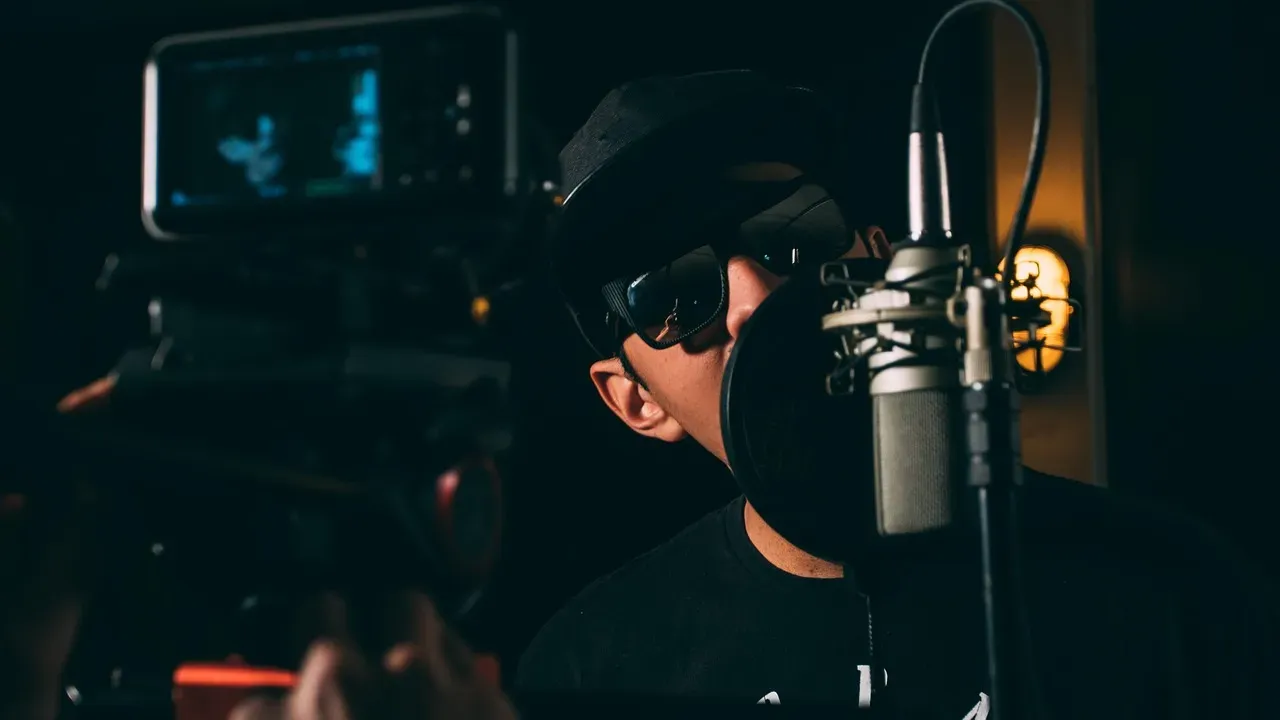
Music is one of the oldest on-set aids. Actors listen to a particular song or score through headphones between takes to get into the right mood. Many sets also quiet down and dim distractions to protect that fragile focus.
Some performers keep an object, photograph, or letter nearby for the same reason. Coaches generally treat these as prompts, not shortcuts, since they work only if the actor already knows what the item stirs in them.
Practical Tricks Like Menthol and Eye Drops

When emotion doesn’t arrive on schedule, crews sometimes step in. Makeup artists and prop teams have long used menthol tear sticks or blown air near the eyes to prompt watering. Glycerin drops are another familiar tool for creating a visible tear track.
Most acting coaches see these as a backup rather than a method. Used heavily, they can make a performance feel mechanical, and a camera close up tends to reveal whether the feeling behind the tears is real.
Repetition and Rehearsal Habits
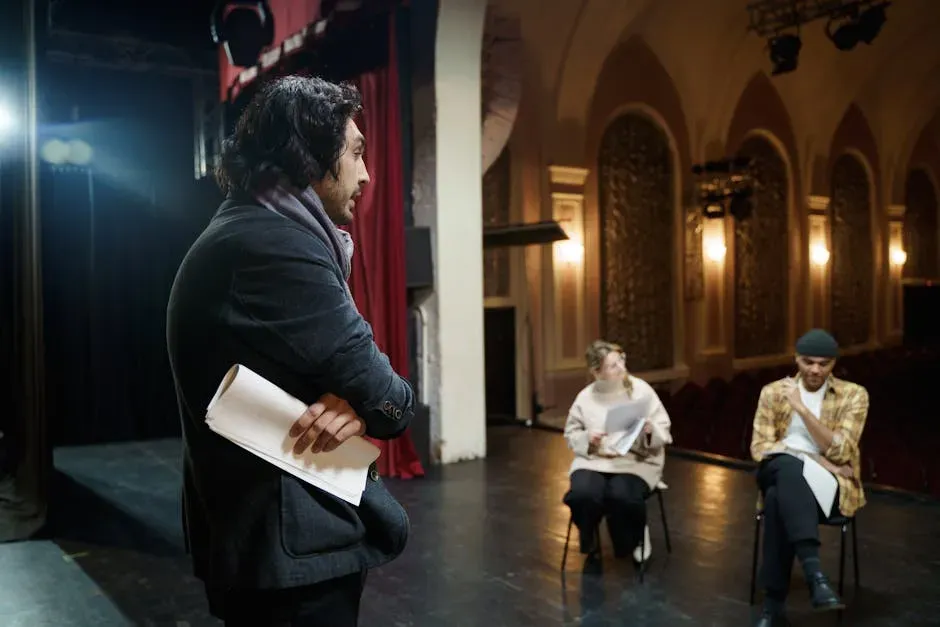
Film acting often means crying across many takes and from several camera angles. That’s a real challenge, since the first take may feel true while the tenth feels hollow. Coaches encourage actors to plan their emotional peaks and to pace themselves instead of spending everything early.
Rehearsing the emotional path, not just the lines, helps too. An actor who knows exactly where the feeling begins, builds, and breaks can return to it with less strain. Over time, this turns crying into a repeatable skill instead of a lucky accident.
Staying Safe and Letting the Feeling Go
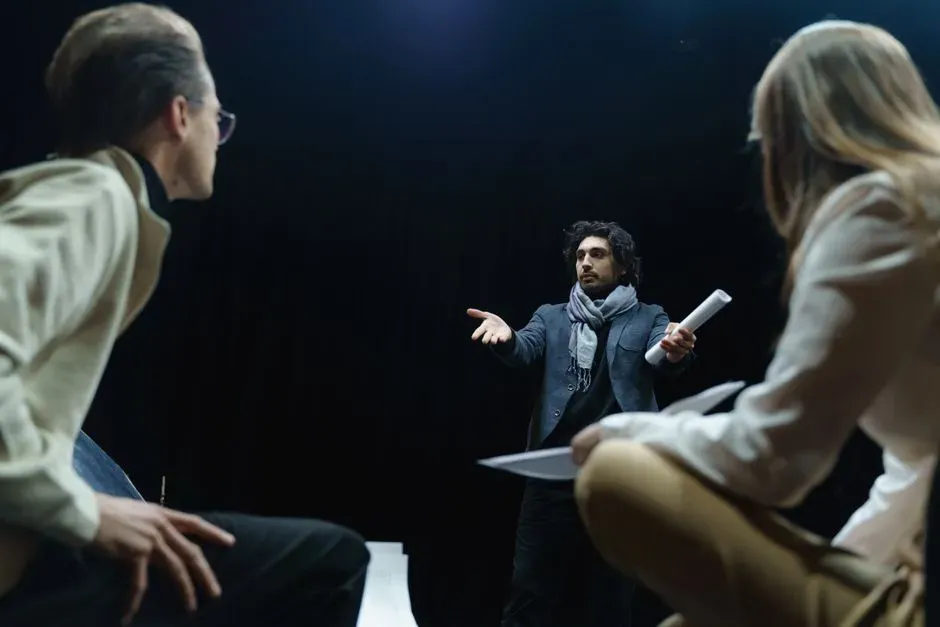
Emotional work can linger after the director calls cut. Many modern coaches stress deliberate cool downs such as walking, stretching, talking with a castmate, or simply naming that the scene is over. These routines help actors separate their own life from the character’s.
The industry has also paid more attention to this side of the job in recent years, including the growth of intimacy and wellbeing support on sets. Coaches point to a simple principle: the technique should serve the performance without harming the performer.