
Most multiplex screens now run on digital projectors, so a film print moving through a gate can feel like a throwback. Yet in 2026 one of the year’s biggest releases was marketed largely on the strength of a film format that dates back decades.
The term 70mm gets used loosely, and it covers more than one thing. The sections below explain what it means, how the IMAX version differs, and which recent films have reached audiences in it.
What 70mm Film Actually Is
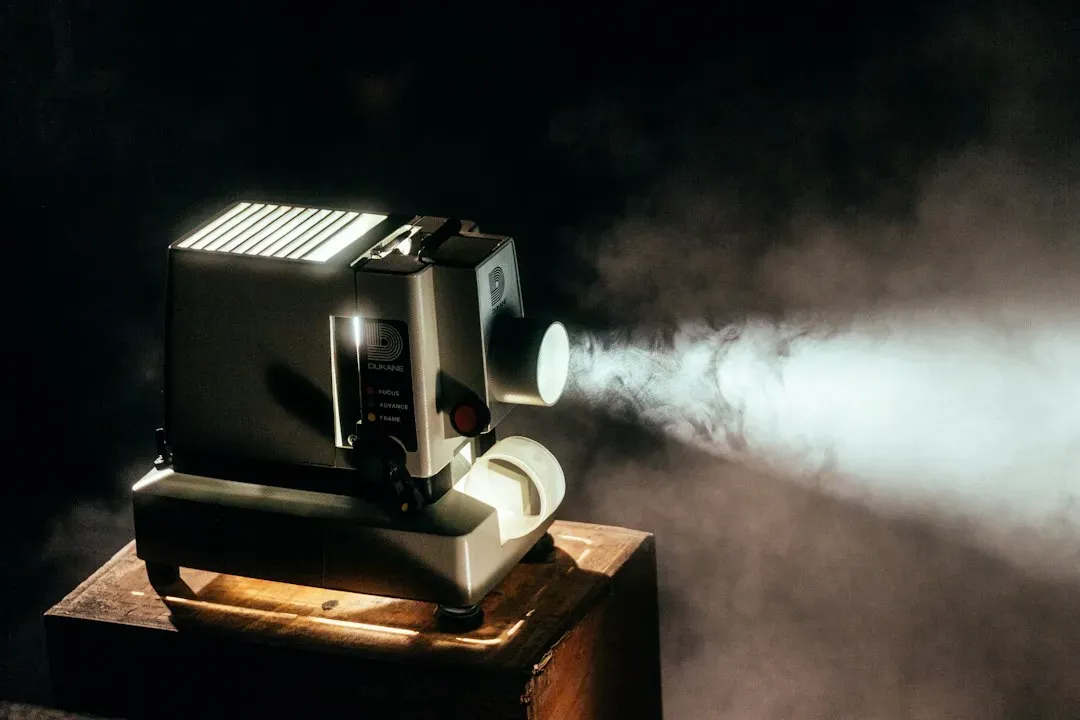
At its simplest, 70mm is a wide film gauge that gives each frame far more surface area than the usual 35mm. A larger frame size captures more detail and light, which is why programmers describe it as the format for spectacle. The advantage shows up most on a big screen, where a smaller image would begin to look soft.
Cinemark describes it as a large format projection that can deliver more detail, scale and visual depth than standard digital showings, especially on a big screen. That’s a fair summary, though the gain depends on the print, the projector and the room. A well kept print in a good auditorium is a different experience from a tired one.
How IMAX 70mm Differs From Standard 70mm

People often treat IMAX 70mm and regular 70mm as the same thing, and they aren’t. IMAX film runs through the projector horizontally, which creates a tall, almost square look. The Science Museum in London lists its aspect ratio as 1.43:1, with up to forty percent more film image on screen than standard cinemas.
Conventional 70mm is a separate presentation, usually shown in a wider frame, and it plays in a much larger number of theaters. In Chicago, for example, the Music Box Theatre projected The Odyssey on plain 70mm film, with IMAX 70mm being a different, rarer option. Keeping the two apart makes the rest of this topic easier to follow.
Why It Is Hard to Find
The scarcity comes down to equipment and people. The heft of the film canisters, the technology required and the expert projectionists needed all limit where the format can run. Few theaters have kept or rebuilt that capability.
The numbers are small. Outlets reported that only 25 theaters in the United States could show The Odyssey in native IMAX 70mm, though Axios counted 26 and noted that Canada has nine. One industry guide put the worldwide total at about 41, but that figure comes from a single commercial source, so treat it as approximate.
The Odyssey (2026)

Christopher Nolan’s adaptation of Homer’s epic opened on July 17, 2026, and it was the headline 70mm release of the year. Reports describe it as the first film shot entirely with IMAX 70mm cameras. Tickets for IMAX 70mm screenings went on sale a year ahead of the release date, which was reported as unprecedented.
The demand held up. Theaters extended the film’s run in the format, with the IMAX run extended through September 16, 2026. In October, Universal announced that the film was returning to Imax theaters and 70mm screens, with IMAX screenings starting October 9.
How The Odyssey Was Shot and Printed
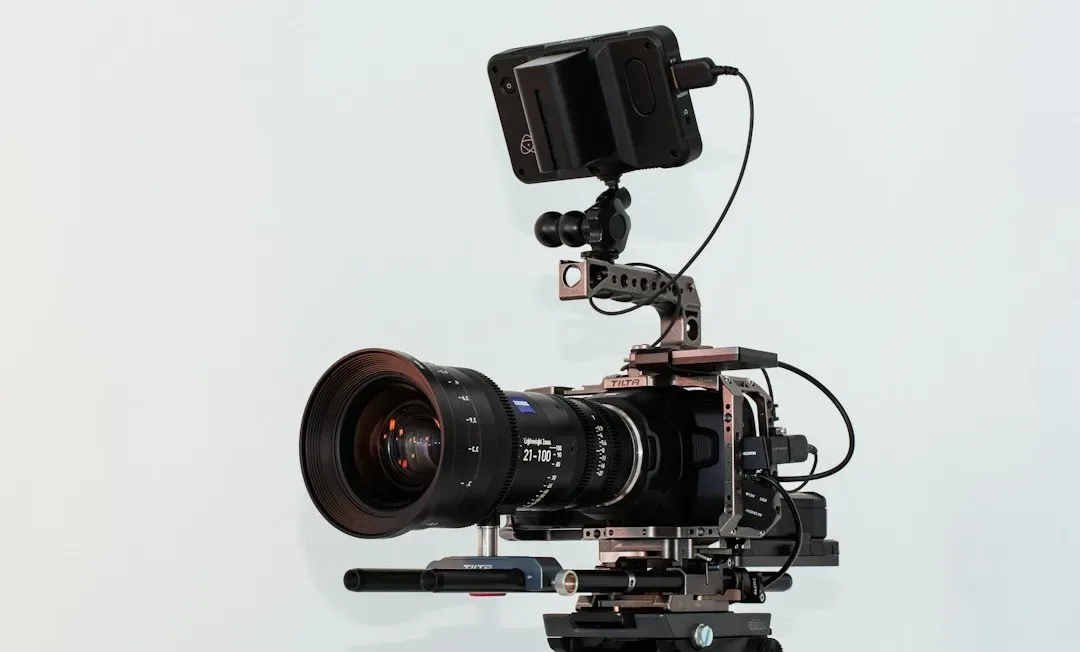
Earlier IMAX cameras were loud, which limited their use for dialogue scenes. Per Engadget, Nolan’s team placed the cameras in special acoustic enclosures, and the new system, nearly 400 pounds in weight, allowed even quiet conversations to be filmed in IMAX. Nolan also did color correction with filters, without a digital intermediate process.
Partner offer
The prints follow the same logic. The final IMAX projection prints were struck chemically, directly from the negative, to give the cleanest image possible. Few modern films are finished that way.
Sinners (2025)

Ryan Coogler’s vampire drama reached theaters in April 2025 and was another major IMAX 70mm title. UPI reports it was filmed in IMAX 70mm and Ultra Panavision widescreen, and Variety noted it was the only film between Oppenheimer and The Odyssey shot with IMAX film cameras. That makes its 70mm engagements a notable part of recent history.
The film returned to IMAX 70mm screens for one week from December 12, 2025, at select theaters in North America and London. It later became the most nominated film in Oscar history, with 16 nominations, and Variety reported that it would return to select IMAX 70mm screens during its awards run.
One Battle After Another (2025)

Paul Thomas Anderson’s film opened on September 26, 2025, and took a different route to large format. It was filmed in VistaVision, a rare process, and then presented in several formats, including IMAX 70mm. IndieWire’s review of six versions concluded that IMAX 70mm gave the most immersive experience, though that is one critic’s judgment.
It joined Sinners for the December 2025 IMAX 70mm engagement, although its listings were initially thinner, with showtimes at only the Regal Irvine Spectrum at first. Variety later reported it would return to select IMAX 70mm locations after earning thirteen Oscar nominations.
Oppenheimer and the Earlier Benchmark

Oppenheimer came out in 2023, just before the period in question, but it set the commercial case for everything that followed. Cinemark points to it, along with The Hateful Eight, as a film that used 70mm to preserve scale, texture and visual integrity. It also showed that audiences would seek out the format.
The numbers back that up. The Motion Picture Association noted that Oppenheimer earned more than $190 million of its gross on large format screens. Nerdist adds that its IMAX run was extended twice.
Repertory 70mm in 2026

Not every 70mm screening is a new release. The Museum of the Moving Image in New York ran its annual series from July 31 to August 30, 2026, with 2001: A Space Odyssey, Amadeus, Lawrence of Arabia, Hamlet, The Untouchables, and It’s a Mad, Mad, Mad, Mad World. These are older films that still circulate on film prints.
The museum noted that Amadeus was shown from a recently struck 70mm print, the first time it had played there in that form. Programs like this keep classic titles in the format alongside the new blockbusters.
Where the Format Stands in October 2026
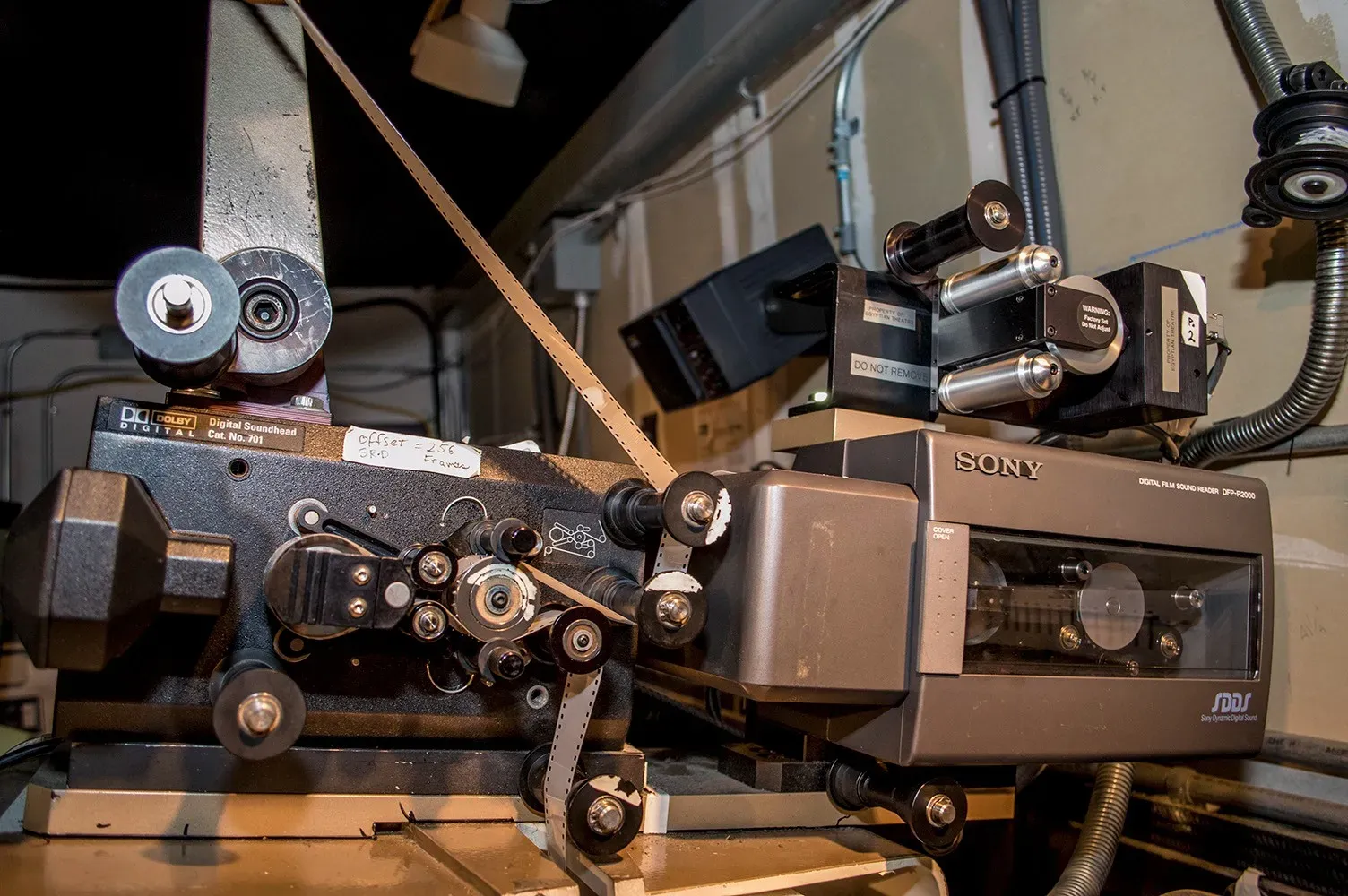
As of mid October 2026, The Odyssey is the leading 70mm title. Reports say it has grossed $1.76 billion worldwide, making it Universal’s highest grossing film before inflation adjustment. Its return to IMAX and 70mm screens began on October 9.
Looking back across 2025 and 2026, the 70mm releases covered here are Sinners, One Battle After Another and The Odyssey, along with repertory screenings of classics. Variety also reported that F1 was exploring a possible return to IMAX 70mm, but there were no concrete plans.
Partner offer
Planning a trip to Vegas?
Compare hotel rates and show tickets on VEGAS.com.