There’s a particular kind of pressure that comes with picking the very first film an audience sees at a festival. It sets a tone, signals ambition, and tells industry insiders what kind of year they’re in for. Behind that single decision sits months of screenings, debate, and a surprising amount of strategy that most moviegoers never see.
A film that signals the festival’s identity
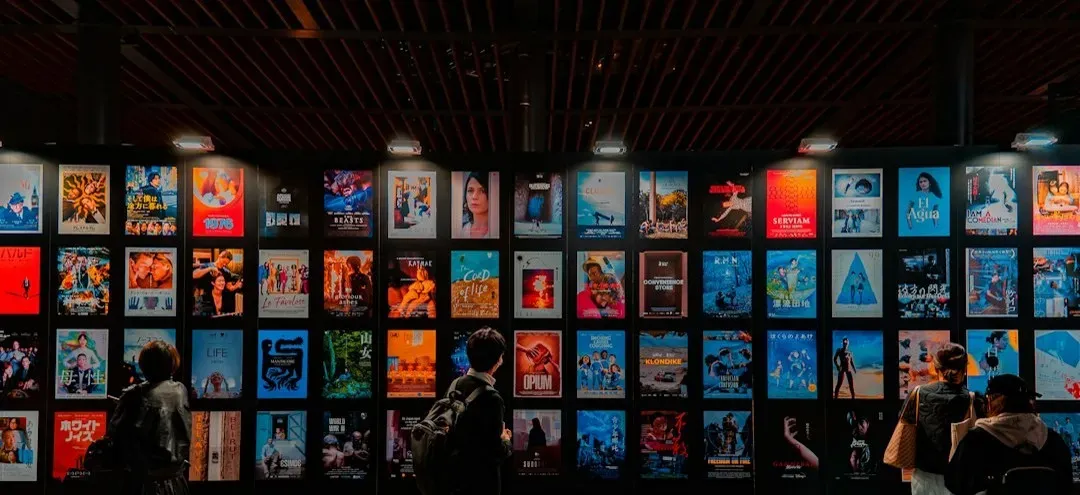
Opening night is less about finding the “best” film on the slate and more about finding the one that says something true about the festival itself. A programmer at a documentary-heavy event will lean toward nonfiction storytelling, while a festival built around discovery might favor a bold newcomer over a polished studio release. The choice becomes a kind of mission statement, delivered in ninety minutes rather than a press release.
This is why festivals with distinct personalities tend to repeat certain patterns year after year. New York Film Festival’s Main Slate, for instance, mixes major international art house work with studio titles aimed at awards season, and the program is a mix of major international art house films from the festival circuit, new discoveries, and studio releases targeting awards season, with the studio films often selected as Opening Night, Centerpiece, and Closing Night presentations. The opening slot becomes a preview of the festival’s broader curatorial voice.
Star power that guarantees a full house
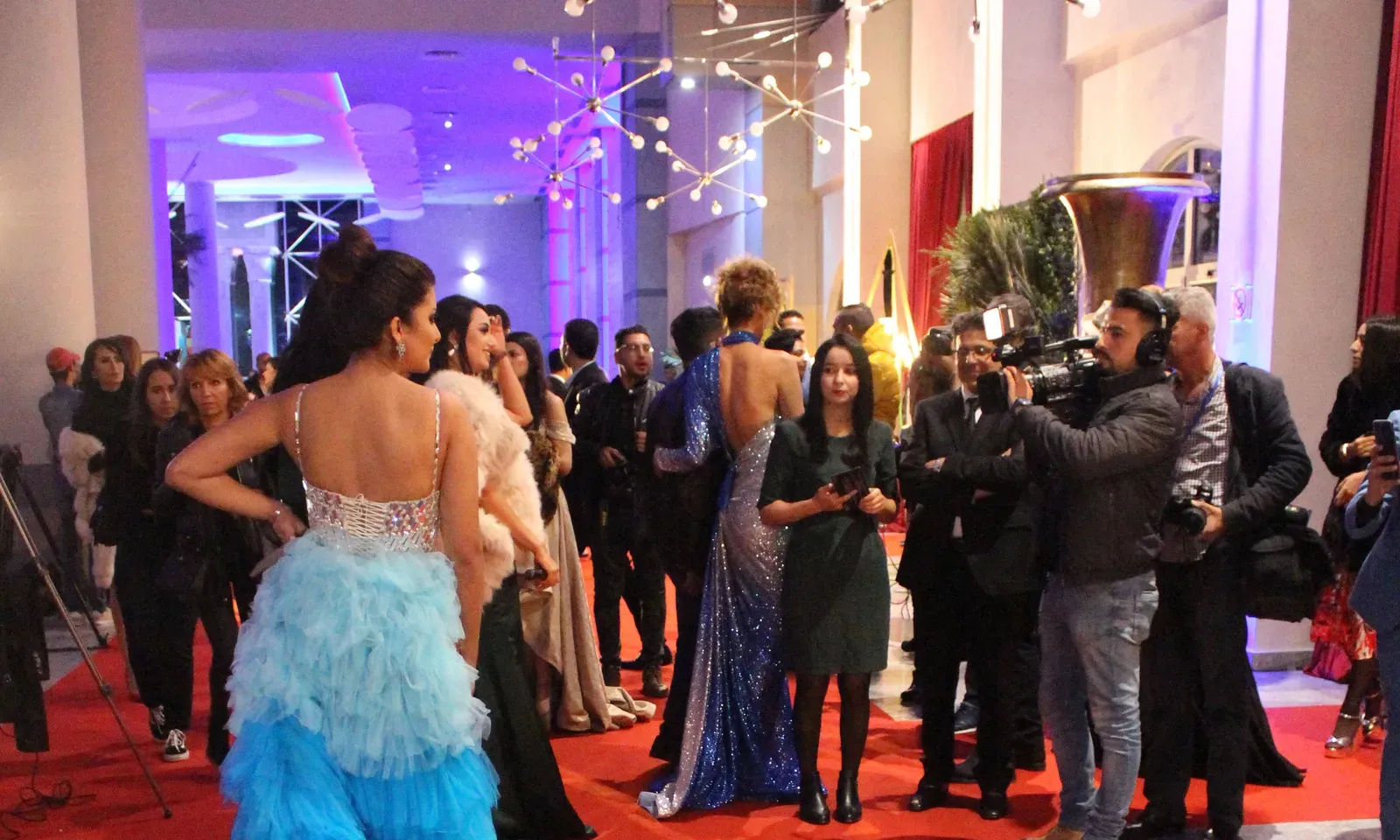
Practically speaking, festivals need opening night to sell. A red carpet without recognizable faces struggles to generate the coverage that funds the rest of the event. Programmers know that a name actor or a buzzy director draws press, sponsors, and a paying crowd that keeps the lights on for the next ten days.
This financial reality shapes decisions more than filmmakers sometimes want to admit. Film festivals need to be financially sustainable, which means that festival organizers must keep marketability in mind, and if a film has A-list talent attached, it’s likely to attract audiences and garner press interest. That doesn’t mean artistic merit gets tossed aside, but it does mean commercial appeal sits right next to it on the checklist.
A story that resonates beyond the screening room
Programmers talk a lot about voice and originality, and opening night is where that instinct gets tested against a wider, less specialized audience than a typical competition screening. A film needs enough narrative clarity to land with casual attendees while still carrying the kind of ambition that critics and industry buyers respect. It’s a narrow target, and missing it either way creates real problems for the rest of the festival’s momentum.
Story remains the throughline across almost every conversation with people who do this job. Story is a driving factor in a programmer’s decision to screen a film, especially at the festival level, because festivals are meant to be a step ahead of the industry, similar to how runway fashion sets the tone for commercial fashion throughout the year. An opening night film, more than most slots, needs a story that travels well outside the theater.
Timeliness and cultural relevance

A film that speaks directly to something happening in the world right now tends to land harder on opening night than a well-made but insular character study. Programmers watch for subject matter that connects to conversations already in the air, whether that’s disability rights, climate anxiety, or shifting family structures. The goal is a film that feels necessary rather than simply well-crafted.
TIFF’s 2026 opening night selection offers a clear example of this instinct in action. The festival’s opening-night presentation was Apple Original Film’s Being Heumann, the directorial follow-up from Oscar-winning CODA filmmaker Siân Heder, starring Ruth Madeley alongside Mark Ruffalo and telling the real-life story of Judy Heumann, the disability rights advocate who spearheaded a historic weeks-long sit-in in 1977. Festival leadership was explicit about the thematic thread running through that choice. Speaking with Gold Derby, TIFF heads Cameron Bailey and Anita Lee noted how the opening night selection addressed a larger theme about accessibility that runs through other festival selections, including a film starring Laura Linney and Rhys Ifans as Parkinson’s patients.
Alignment with the festival’s brand across every section
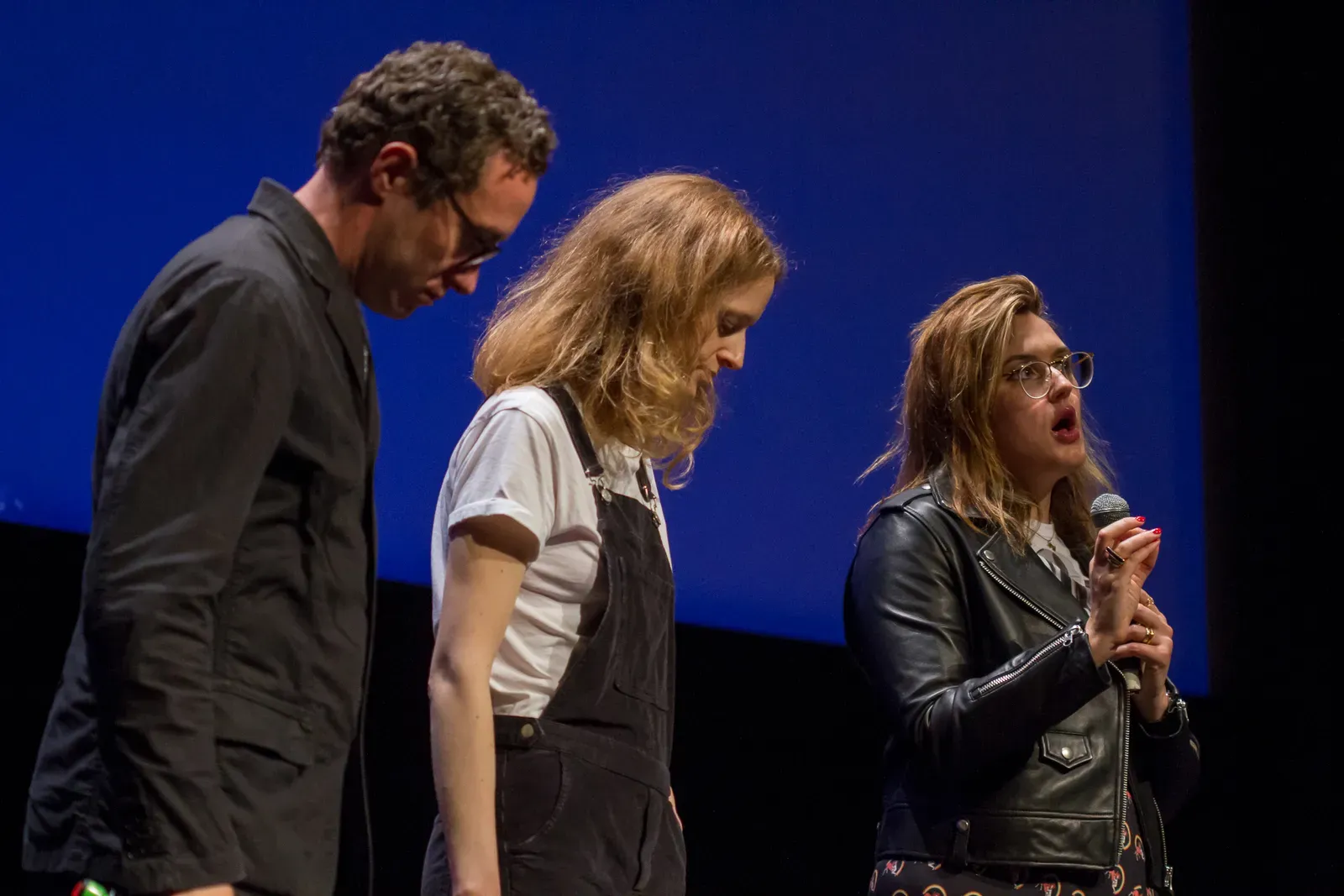
Large festivals don’t program opening night in isolation. It has to feel like it belongs to the same universe as the documentary competition, the midnight genre lineup, and the closing night gala, even though those sections rarely resemble each other on the surface. Programmers spend real time articulating shared values so the whole lineup reads as one coherent statement rather than a grab bag of unrelated titles.
That connective tissue is deliberate work, not an accident of scheduling. Criteria might include artistic quality, originality, relevance to contemporary issues, or alignment with the festival’s theme that year, and articulating those criteria helps programmers in each section make selections that feel like part of the same overall vision, so a curatorial voice focused on social impact might thread through a documentary competition and also influence the choice of a marquee gala. Opening night often becomes the loudest expression of that thread.
A world premiere whenever possible
There’s a reason so many major festivals fight to secure a film’s first public screening for opening night. A world premiere carries a certain electricity, a sense that the audience in the room is witnessing something before anyone else in the world has. It also gives the festival a stronger claim on press coverage, since outlets prioritize firsts over films that have already made the rounds.
Being Heumann again illustrates the pattern, since the 2026 Toronto International Film Festival opened with the world premiere of the biopic Being Heumann. Landing a genuine world premiere for the opening slot is often a competitive process, with distributors weighing multiple festival offers before committing to one launch pad.
Track record and awards season positioning

For festivals that operate near the start of the fall awards calendar, opening night carries extra weight because it can signal a film’s Oscar trajectory before a single review has run. Programmers watching this space pay close attention to which festivals have historically predicted Best Picture contenders, since that reputation becomes a selling point when courting distributors for future opening slots. It also raises the stakes considerably, since a weak audience reaction on opening night can follow a film for weeks.
TIFF has built much of its modern identity around this dynamic. When the 2025 People’s Choice winner Hamnet gained an Oscars nomination for best picture, it put TIFF back on track as an awards season bellwether, and going back to 2008, every People’s Choice winner went on to score the top Oscar nomination except for two films, Where Do We Go Now? in 2011 and 2024’s The Life of Chuck. That kind of predictive record shapes how seriously distributors treat a TIFF opening night offer compared to a lesser-known event.
Diversity of voice and perspective
Many programmers describe a genuine commitment to broadening whose stories get the biggest platform at their festival, and opening night is one of the most visible places to act on that commitment. A single film in that slot can signal to filmmakers from underrepresented backgrounds that a festival takes their work seriously, not just as a token gesture buried in a smaller sidebar. It’s also simply good curatorial practice, since a festival that only ever opens with familiar stories starts to feel predictable.
This priority shows up repeatedly in how programmers describe their own goals. Programmers also want to see films from different countries, communities, cultural groups, and perspectives, and most programmers interviewed said that one of their goals in curating a festival’s line-up was to foster diversity, amplifying underrepresented voices and showcasing stories that represent a wide range of perspectives. An opening night pick built around that value tends to set expectations for the rest of the lineup that follows.
Willingness to take a calculated risk
Not every strong opening night film is a safe, crowd-pleasing choice. Occasionally a festival will open with something more challenging, betting that the boldness of the statement outweighs the risk of a lukewarm reaction. Programmers who take this route are usually confident the film’s craft or subject matter will spark exactly the kind of conversation a festival wants generated on day one.
Sundance programmers, in particular, have pushed back on the idea that their festival only rewards safe, crowd-pleasing work. There are times when pure originality and creativity supersede the need for an audience to embrace a film as a whole, and plenty of boundary-pushing films get programmed even when they’re known to result in walkouts. That appetite for risk doesn’t dominate every opening night decision, but it remains part of the calculus at festivals that prize discovery over polish.
Distributor and sponsor relationships behind the scenes

Commercial partnerships play a quieter but very real role in how opening night slots get filled. A studio or distributor eager to sponsor the opening night party carries genuine leverage in these conversations, since festivals depend on that kind of financial backing to cover the cost of a gala-scale event. It’s not the deciding factor on its own, but it does shape which films get serious consideration in the first place.
Industry observers have been fairly candid about this dynamic. If a film distributor or studio partner wants to sponsor the opening night party, it’s that much more likely that their latest release will be selected for the festival. Programmers still have to believe in the film artistically, but the business side of opening night is never entirely separate from the creative side.
The final word

Opening night selections reveal how a festival wants to be understood, not just for one evening, but for the entire run that follows. The films chosen for that slot carry commercial expectations, artistic ambition, and a fair amount of institutional risk all at once. Watching how these decisions play out year after year offers one of the clearest windows into what a festival actually values, long before the closing night credits roll.