A trip to the movies used to be one of the cheapest ways to spend an evening out. Somewhere between then and now, that changed, though maybe not in the way most people assume. The numbers tell a more interesting story than simple sticker shock, and they say a lot about how entertainment, wages, and even popcorn have shifted over the past fifty years.
The average ticket price in 1975

In 1975, the average movie ticket in the United States cost right around two dollars. Historical box office data compiled from industry sources puts the figure at $2.03, while other tallies list it as $2.05. Either way, it was the year Jaws terrified beachgoers and became the year’s biggest draw, and audiences paid pocket change to see it on the big screen.
That price had been climbing steadily but slowly for decades. Just a quarter century earlier, in 1950, a person could purchase a movie ticket for a mere 46 cents on average. By the mid seventies, ticket prices had already more than quadrupled, though they still felt affordable compared to almost every other form of entertainment available at the time.
What two dollars actually bought

Two dollars in 1975 covered more than just admission. It was a night when a single paycheck could stretch across dinner, a movie, and maybe a stop for ice cream afterward without much financial strain. According to inflation calculations tied to that era, the price of dinner for two in 1975 was $17.46, while two movie tickets came to $4.10.
Put together, a full date night, dinner and a film, came out to a modest total. The combined price of dinner and a movie for two was $21.56 in 1975 dollars. Adjusted for inflation, that same evening would run $103.51 today, which gives a useful anchor for comparing eras honestly rather than just staring at raw dollar figures.
How that price compares after inflation

Raw numbers from fifty years ago always look tiny next to today’s prices, but inflation adjustment tells a fairer story. One widely cited calculation puts the 1975 ticket price at $9.64 in adjusted terms, a figure calculated a few years back that would sit somewhat higher if recalculated using today’s dollars. Interestingly, ticket prices in the early seventies were even higher in adjusted terms than 1975’s numbers.
The peak actually came a few years earlier. In 1971, the average ticket price adjusted for inflation reached $10.16, and prices have actually decreased from that high in current dollars when measured against later decades. That’s a detail that surprises people who assume moviegoing costs have only ever climbed in real terms.
Popcorn, soda, and the concession stand markup

Concession pricing from the 1970s wasn’t tracked with the same rigor as ticket prices, so exact 1975 figures for popcorn and soda are harder to pin down with confidence. What’s well documented is the pattern behind concession pricing generally. Movie theaters have leaned on food and drink margins for a very long time, going back to 1929, when a bag of popcorn cost only 5 cents while a movie ticket cost 35 cents.
That markup logic hasn’t gone away, it’s just gotten more pronounced. Research cited by economics writers found it costs the average theater around $0.90 to produce a bag of popcorn, while charging $7.99 amounts to a 788 percent markup. Theater chains have long treated concessions as the real profit center, using ticket revenue mostly to cover the cost of getting people through the door.
The national average ticket price today
Pinning down today’s exact national average is trickier than it sounds, partly because the industry’s main trade group stopped publishing yearly figures as consistently as it once did. The National Association of Theatre Owners reported an average ticket price of $10.53 in 2022, up 15 percent from 2019, after going years without an official update. Reporting at the time noted that ticket prices had increased at least 20 percent since 2019, putting the average around $11.
Since then, various consumer trackers have published higher figures, though methodologies differ and not all are equally reliable. Some 2025 estimates place the average closer to $11.50, while other analyses of chain pricing across states suggest averages in the mid teens once major metro markets are factored in. The honest answer is that the “average” ticket price today depends heavily on which theaters, cities, and showtimes are included in the count.
Why prices vary so much by city and state

Unlike 1975, when ticket prices moved in relative lockstep nationwide, today’s pricing swings wildly depending on where you live. Coastal metro areas routinely charge far more than smaller markets. One 2026 state by state breakdown found ticket prices ranging from $12.73 to $25.24 depending on the state.
Partner offer
Big cities carry a noticeable premium almost everywhere. Consumer pricing guides note that big cities like New York, Los Angeles, and San Francisco run $15 to $20 for a standard ticket, while midsize cities like Denver, Dallas, and Atlanta land closer to $12 to $15. Real estate costs, local competition, and demand all factor into that spread in ways that simply didn’t exist to the same degree fifty years ago.
Premium formats add a modern layer of cost
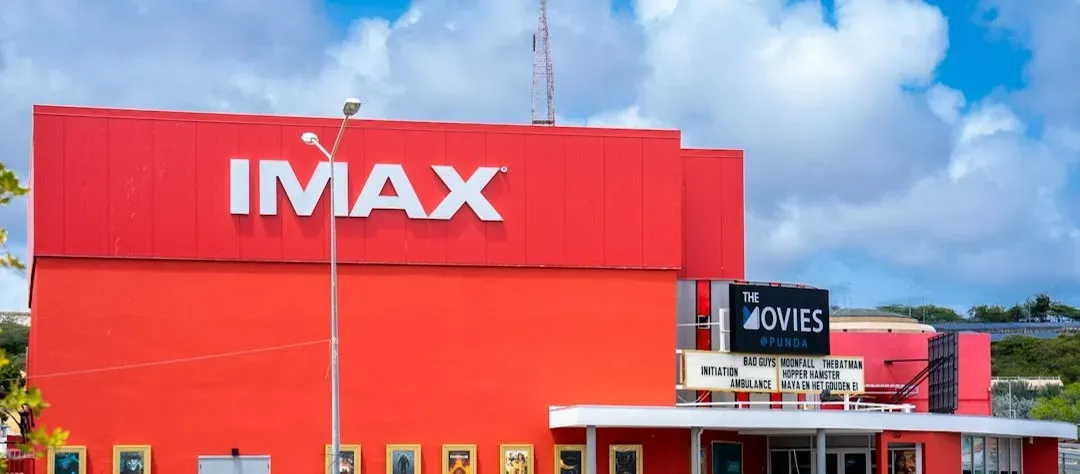
In 1975, a movie ticket bought one experience: a seat in front of a single screen with standard projection. Today, moviegoers choose between formats, and each one adds a surcharge. IMAX and other large format screenings average around $17.80, roughly 70 percent higher than standard pricing, with prices in cities like New York and Los Angeles routinely exceeding $22.
Dolby Cinema, 4DX, and ScreenX layer on similar premiums. Industry analysis attributes these price gaps to proprietary hardware, specialized calibration, higher licensing fees, and trained staff, which justify format premiums of five to ten dollars. None of that infrastructure existed when Jaws first hit screens, which is part of why comparing “a movie ticket” across decades requires some care about what exactly is being purchased.
Concessions today cost more than most tickets used to
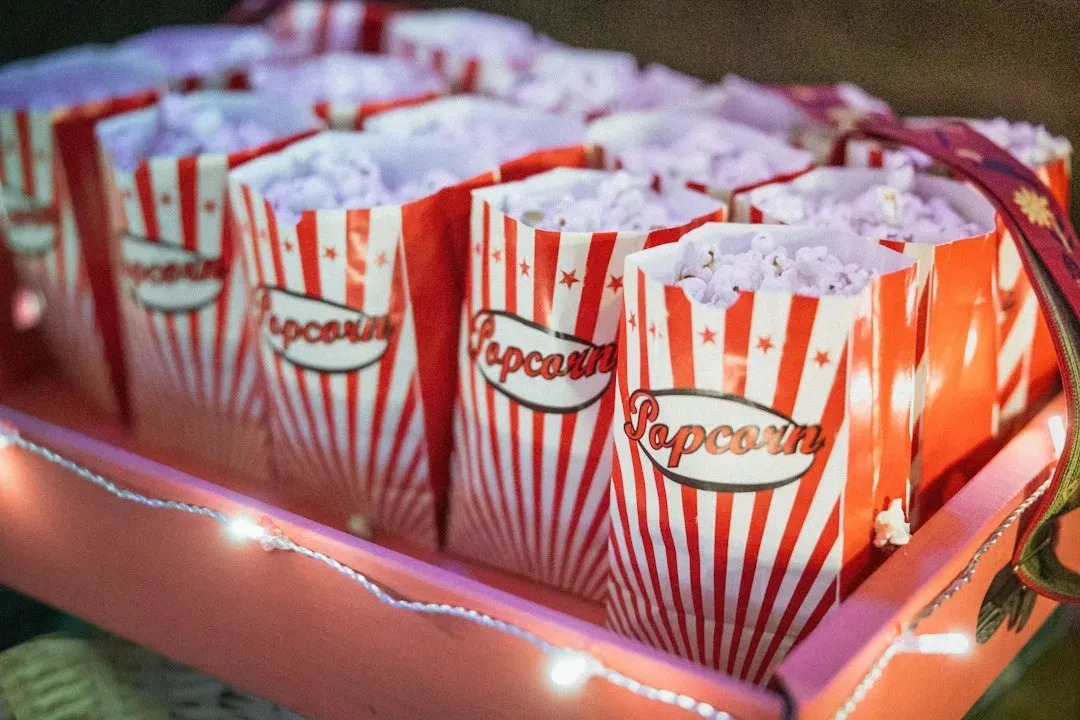
The concession stand markup that started decades ago has only gotten steeper, and it now represents a genuinely large share of the total cost of a trip to the movies. A medium bag of buttered popcorn at most major chains runs around $8, nearly the price of an average movie ticket itself. That comparison alone captures how differently the economics of moviegoing work today versus fifty years ago.
Marketing researchers have actually found a rationale behind this pricing structure that benefits some moviegoers. Studies from Stanford and UC Santa Cruz suggest that by charging high prices on concessions, exhibition houses are able to keep ticket prices lower, which allows more people to enjoy the theater experience. Whether that logic feels convincing while paying eight dollars for popcorn is another matter entirely.
What a night out costs a couple or family now
Add up a ticket, popcorn, and a couple of drinks today, and the total for two people climbs well past what a family of four used to spend in the 1970s. One 2026 analysis of date night costs found that the national average cost for an individual movie ticket is $16.30, while a typical movie date night averages $54.08. Regional gaps remain enormous even within that figure.
Location changes the math dramatically. The same analysis found that a New York movie date costs $73.39, while Tennesseans pay only $44.73 for the same basic combination of two tickets and popcorn. Compare that to the roughly twenty two dollars a full 1975 evening out for two people cost in original, non adjusted dollars, and the scale of change becomes obvious even before accounting for inflation.
Why the gap feels bigger than the raw numbers suggest

Ticket prices alone don’t fully explain why moviegoing feels more expensive today, because the alternative to paying has changed entirely. In 1975, seeing a new release meant going to a theater; there was no other option. Streaming, on demand rentals, and massive home television screens now offer a genuinely competitive alternative that simply didn’t exist decades ago, which changes how people weigh the cost of a ticket.
That shift shows up in attendance patterns rather than just pricing. Surveys have found that only 7% of Americans prefer watching movies in a theater today, a preference gap that has pushed theaters toward premium formats and higher concession margins to make up for smaller crowds. Fewer people in seats means each remaining ticket has to work harder to cover the theater’s costs, which helps explain some of the pricing pressure seen over the past several years.
The bigger picture
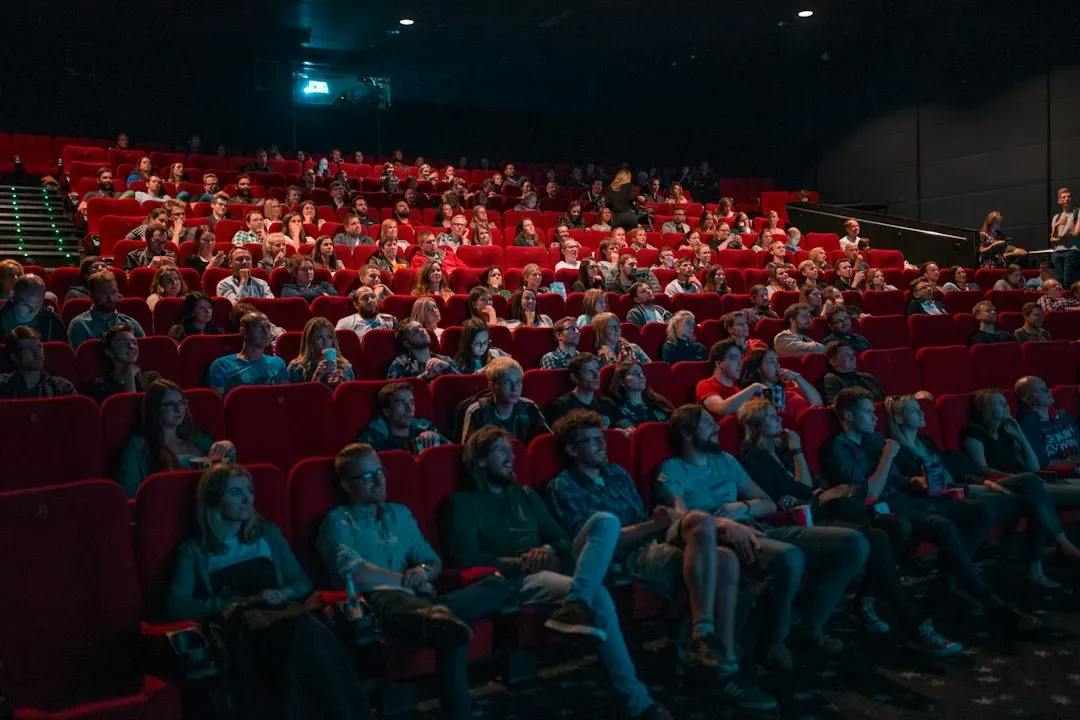
Line up the numbers side by side and the story isn’t simply that movies got expensive. Ticket prices rose roughly in step with inflation for much of the past fifty years, occasionally even dipping below historical highs once adjusted for the value of the dollar. What actually changed is everything surrounding the ticket: premium formats, concession markups, wildly uneven regional pricing, and a home entertainment alternative that gives people a real reason to think twice before heading out.
A family walking into a theater in 1975 paid a small, predictable amount for a shared experience with no real substitute. A family doing the same thing today faces a menu of choices, each with its own price tag, competing against a couch and a streaming subscription that costs less than a single ticket. The price of a movie ticket tells only part of that larger shift.
Partner offer
Planning a trip to Vegas?
Compare hotel rates and show tickets on VEGAS.com.