Long before a film hits theaters, a group of ordinary moviegoers files into a multiplex on a weeknight, watches an unfinished cut, and then picks up a clipboard. What happens in the next twenty minutes rarely makes headlines, yet it can reshape an ending, trim a subplot, or save a character from the cutting room floor. The questions themselves are surprisingly structured, and each one is designed to extract a specific kind of feedback that studios have learned to trust over decades of trial and error.
The overall rating question that carries the most weight

Every test screening opens its questionnaire with some version of a simple prompt: how would you rate this movie overall. Respondents choose from a five point scale running from excellent down to poor, and this single answer often determines whether a studio feels confident or nervous about a release date. The overall rating uses a five-point scale from excellent to poor, and studio research firms track the top two boxes of excellent plus very good as a broad satisfaction measure, though the headline figure is the top box alone.
That distinction between excellent and merely very good matters more than it sounds. A film with a high percentage of very good responses might still underperform, because lukewarm approval rarely turns into ticket sales or word of mouth. Executives have learned to treat the excellent number as the real signal, since it reflects genuine enthusiasm rather than polite satisfaction.
Whether you would recommend it to a friend

Right after the overall grade comes the recommendation question, and it works the same way. Studio research firms track the percentage who would definitely recommend the film, using the top answer only, because enthusiasm predicts behaviour while approval doesn’t. The scale usually runs from definitely would recommend down to definitely would not.
This question separates people who enjoyed the film passively from those who will actually push friends toward the box office. A movie can score respectably on the overall rating yet still fall short here, which tells a studio that the film pleases without truly exciting anyone. That gap between liking something and championing it is one of the most closely watched metrics in the entire process.
Rating the ending specifically

Endings get their own dedicated question because they carry outsized influence on how an entire film is remembered. Audiences are typically asked to rate their satisfaction with how the story concluded, separate from their rating of the movie as a whole. A film can hold an audience for ninety minutes and still lose them in the final ten, and studios have learned that a weak final act can drag down every other metric on the card. The most famous case study here is the ending of Fatal Attraction, which was reshot after test audiences pushed back on the original conclusion. The original version would likely have struggled to attract an audience, while the revised version drew criticism for its final scenes yet became a huge box office hit. That single swap, driven almost entirely by audience card responses, remains one of the most cited examples of test screening feedback altering film history.
Which characters you liked most and least

Character level questions ask viewers to name their favorite and least favorite people on screen, sometimes ranking a full cast list from most to least appealing. This data helps studios understand who the audience is actually rooting for, which does not always match who the writers intended as the emotional center. A supporting character can occasionally outshine the lead in these rankings, prompting reshoots or edits that shift screen time. These questions also flag characters who confuse or alienate viewers for reasons the filmmakers never anticipated. A villain read as more sympathetic than intended, or a comic relief character seen as annoying rather than funny, shows up clearly once enough cards are tallied. Studios use this feedback to decide whether trims, added scenes, or even reshoots are worth the investment before wide release.
Pacing and where attention dropped

Pacing questions ask audiences to identify sections that dragged or felt rushed, often by referencing specific scenes or plot points listed on the card. These questions capture reactions to pacing, characters, the ending, emotional impact, and whether viewers would recommend the film. A slow middle stretch is one of the most common problems these cards reveal, since editors watching the film dozens of times lose the perspective a first time viewer brings. Some questionnaires break the film into rough segments and ask for a rating on each one, creating a kind of engagement map across the runtime. This granular approach helps editors pinpoint exactly where to trim rather than guessing based on instinct alone. A confusing or slow stretch identified this way can quietly disappear from the theatrical cut months later.
Plot comprehension and confusion points
Comprehension questions check whether the story actually made sense, which sounds basic but trips up more films than audiences might expect. Viewers might be asked to explain a plot twist in their own words or answer true or false questions about what happened, revealing whether key information landed the way filmmakers assumed it would. Test screenings are used to determine plot comprehension, pace, and similar structural questions long before release.
Partner offer
This is one of the oldest and most practical uses of the test screening card. A film can be visually stunning and emotionally engaging while still leaving a meaningful chunk of the audience unsure what actually happened at a crucial moment. Catching that confusion early, while reshoots or added exposition are still possible, is far cheaper than discovering it from critics after release.
Emotional highs, lows, and specific scene reactions

Beyond plot mechanics, cards often ask which scene moved viewers most, which scene they found funniest, and which moment felt the most disappointing or off putting. This granular scene by scene feedback gives filmmakers a map of emotional peaks and valleys across the runtime. A comedy that thinks its biggest joke lands in act two might discover through these cards that audiences barely reacted to it while a smaller throwaway line got the biggest laugh in the room. Horror and thriller films sometimes supplement this with physical response data, including moments audiences found tense versus moments that fell flat. This scene level detail is harder to gather than a single overall score, but it gives editors something far more actionable than a simple thumbs up or down. It turns vague dissatisfaction into a specific, fixable location within the film.
Demographic and viewing habit background questions
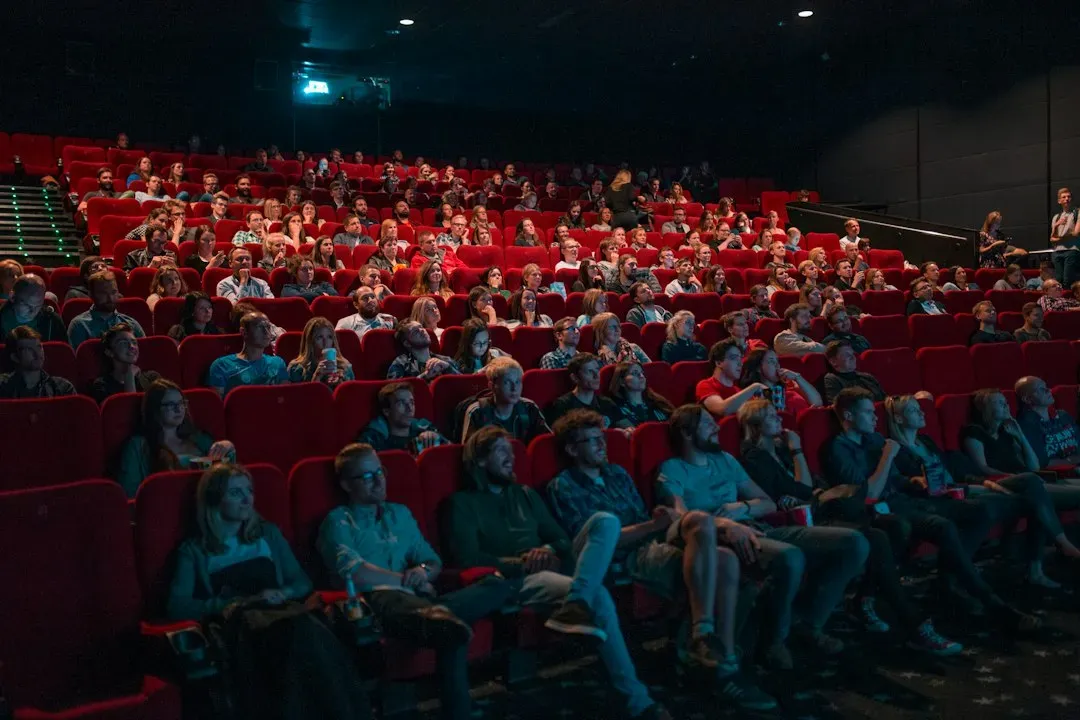
Before or after the film specific questions, audiences typically answer background items about age, gender, moviegoing frequency, and genre preferences. This context matters enormously because a score means little without knowing who gave it. A youth oriented comedy that scores poorly with older attendees but excellently with its target teenage demographic is not necessarily in trouble. Recruiters work hard to assemble a room that mirrors the film’s intended audience in the first place, then use these background questions to confirm the mix actually matches the plan. Preview audiences are selected from a cross-section of the population and are usually asked to complete a questionnaire or provide feedback in some form. Without this demographic layer, a studio could easily misread a score that reflects the wrong crowd rather than the film’s actual quality.
Open ended written comments

Most cards close with a few lines of blank space and a prompt asking what the studio could do to improve the film. These open responses are less structured than the scaled questions but often prove the most useful, since audiences volunteer specific complaints or praise that a checkbox format would never capture. The first real question is simply how audiences liked the film, aiming to understand what changes people who enjoyed it feel are necessary and whether any changes could win over people who did not.
Analysts read through hundreds of these handwritten notes looking for patterns rather than isolated complaints. If a dozen people independently mention that a particular character’s motivation felt unclear, that becomes a real editorial note rather than one person’s quirky opinion. This qualitative layer often explains the reasoning behind the numeric scores collected elsewhere on the same card.
The focus group Q&A that follows the card

A smaller subset of the audience, usually recruited in advance, stays behind after the general crowd leaves to participate in a live moderated discussion. This group typically includes fifteen to twenty five viewers held back for a moderated discussion, deliberately selected across the range of responses rather than only the enthusiasts. Filmmakers sometimes watch from the back rows or through a two way mirror while a professional moderator asks follow up questions the written card could never fully capture. This session lets researchers probe the reasoning behind a low score or dig into why a favorite character resonated so strongly. Audiences watch an unfinished movie with a temporary music soundtrack and then fill out a questionnaire, after which a subgroup remains for a Q&A with moderators who ask questions to pinpoint problems or better understand what worked and what didn’t. The conversational format often surfaces nuance that no rating scale could reflect, which is why studios still schedule these sessions despite the extra cost and time.
How widespread this process actually is today

Test screenings are not a niche practice reserved for troubled productions. Roughly ninety percent of widely released studio films undergo test screenings, with the average movie being tested three times before it reaches theaters. The practice has been part of Hollywood’s toolkit since Harold Lloyd is credited with pioneering the idea in the late 1920s, and it became a formalized industry standard as marketing budgets grew in later decades. Independent and arthouse productions increasingly borrow the same tools on smaller budgets, using simplified questionnaires to catch pacing or comprehension issues before a festival premiere. Roger Ebert wrote in 2004 that test screenings by filmmakers are valid for gauging audience response to a rough cut, a view that has only gained more traction as digital tools made informal screenings easier to organize outside the major studio system.
Partner offer
Planning a trip to Vegas?
Compare hotel rates and show tickets on VEGAS.com.