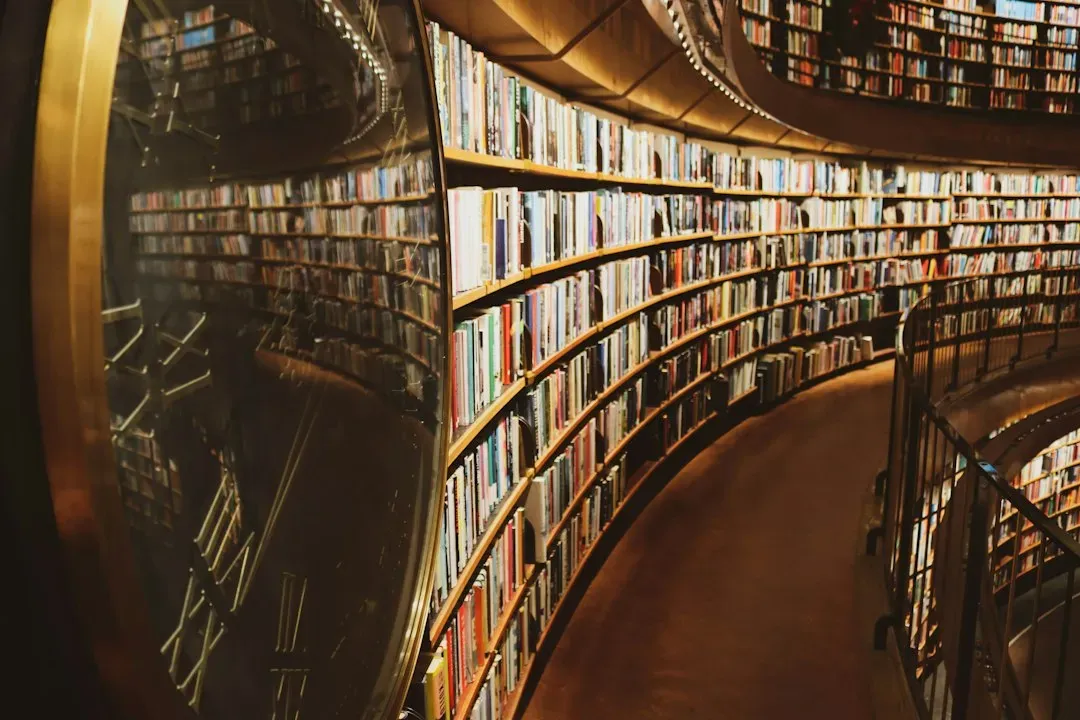
Walk down any library aisle and you’ll see rows of spines that look the same year after year. Some of those books haven’t left the shelf in a very long time. Staff notice, because most libraries track circulation closely.
What happens next is less dramatic than the rumors suggest, though it’s more deliberate than many people expect. Libraries have established methods for handling unused books, and the details say a lot about how a collection is meant to work.
Quiet Shelves Get Noticed First

Libraries don’t wait for a book to look neglected. Circulation reports show which items haven’t moved in a set period. That data is usually the starting point for any review.
One common tool is a report of items that have been in the catalog for over two years without a single checkout. A children’s librarian writing for the American Library Association’s youth services division described running exactly this kind of report when learning how a collection moves. Her point was practical: you can’t judge a shelf by eye alone.
Weeding Is the Professional Term

Librarians call the removal of books “weeding,” and it’s a routine part of the job. The most widely used framework is CREW, which stands for Continuous Review, Evaluation, and Weeding. That’s the acronym’s official expansion.
The key word is continuous. The manual says it isn’t enough to weed every couple of years or only when space runs short, and that a healthy collection is reviewed on an ongoing basis. In other words, weeding is meant to be maintenance, not a purge.
How Long Is Too Long Without a Checkout?
There’s no single number, but the guidelines give a rough baseline. CREW’s general formula uses about five years since the copyright date and a maximum of about three years without use. Those figures shift by subject and by library.
Some categories get more patience. In one Berkeley example, books unchecked for three years or more were pulled for evaluation, while art and music books were given ten years or more. Items that are largely historical in nature can also be kept longer than CREW suggests.
Low Use Is Only One Question

A book that sits still isn’t automatically removed. Staff look at other factors too, and the best known checklist is MUSTIE. It stands for misleading, ugly, superseded, trivial, irrelevant, or obtained elsewhere.
That last factor matters more than it sounds. If a classic hasn’t circulated in ten years but can be borrowed through interlibrary loan, a library may reasonably let its own copy go. The patron who wants it later can still get it.
Condition and Accuracy Count Too
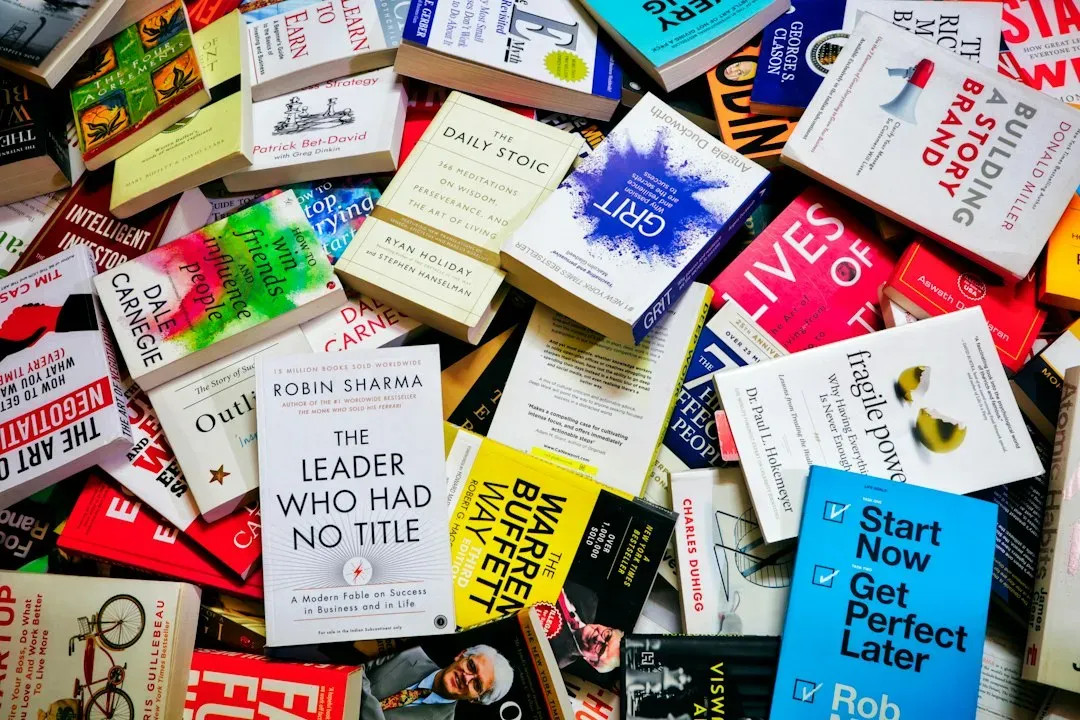
Some books are removed because they’re no longer safe to rely on, whether or not anyone borrowed them. Weeding guidelines flag outdated material on fast changing subjects, noting it’s better to be lacking than to have erroneous material. Medical, legal and technology titles age fastest.
Partner offer
Physical shape also matters. Guidelines point to things like very small print, poor quality pictures and dated cover art. A worn book that nobody picks up may be telling staff something about how it looks.
Librarians Still Use Judgment
The formulas are a guide, not an automatic switch. The CREW manual urges librarians to use professional judgment at all times. A list of unused titles is only where the conversation begins.
Staff often review that list for local connections or lasting value. One account describes a fiction weed where flagged books were checked for local interest, and to make sure classics like Trollope’s Palliser novels weren’t discarded. Small communities may keep a title that a big system would drop.
Academic Libraries Add More Steps

University libraries tend to move more slowly. They usually use a multi-step approval process when items are being considered for weeding. Faculty input is often part of it, since a rarely used book may still matter to one researcher.
The data they consult is broader as well. Academic libraries use circulation, publication and subject-specific data to decide on binding needs and weeding. That helps separate a niche scholarly work from a genuinely unneeded one.
Where Removed Books Go

Once a book is withdrawn, it doesn’t necessarily go to a landfill. Many libraries sell discards, either at book sales or online. Guides for librarians list many places to sell books online, for profit or for books in return.
Other options include donating to charities or schools, or recycling books that are too damaged to use. Policies vary by library and by local rules. Staff usually mark the item as withdrawn in the catalog so records stay accurate.
Why Written Policies Matter

Weeding can spark public anger when it’s done without explanation. In Berkeley, an outcry over what some called a hemorrhaging of books led the library director to publish a statement explaining the process. Clear communication can head off that kind of reaction.
Policies also carry legal weight. The CREW method came up in the Fifth Circuit case Little v. Llano County, where plaintiffs argued that 17 book removals weren’t based on any established removal guidelines or collection management policy. That’s why good policies name the tools used to evaluate and remove materials.
What Happens at the End of the Process

For most unused books, the path runs from a circulation report to a review against criteria like age, use, condition and availability elsewhere. Some stay, some move to storage or another branch, and some are withdrawn and sold or recycled. The decision belongs to the librarians, working from their own written policy.
A shelf that’s reviewed regularly stays easier to browse, and the books that remain are more likely to be accurate and in good shape.
Partner offer
Planning a trip to Vegas?
Compare hotel rates and show tickets on VEGAS.com.