A typical picture book runs about thirty-two pages and takes a few minutes to read aloud. A feature film needs roughly ninety minutes of story. Getting from one to the other takes a lot of invention.
The seven titles below all made that jump, and each did it differently. Some filmmakers stayed close to the pages, while others kept only a premise and built a new world around it.
Where the Wild Things Are

Maurice Sendak’s book appeared in 1963 and tells of a boy named Max who sails to an island of monstrous creatures. The text is famously short, which left the 2009 film plenty of room to grow. Spike Jonze directed it and wrote the screenplay with author Dave Eggers.
Jonze used large costumed performers for the creatures, with digital work added to their faces. Max Records played the lead. The result leans toward childhood loneliness and anger, which makes it quieter and moodier than most family releases.
The Polar Express
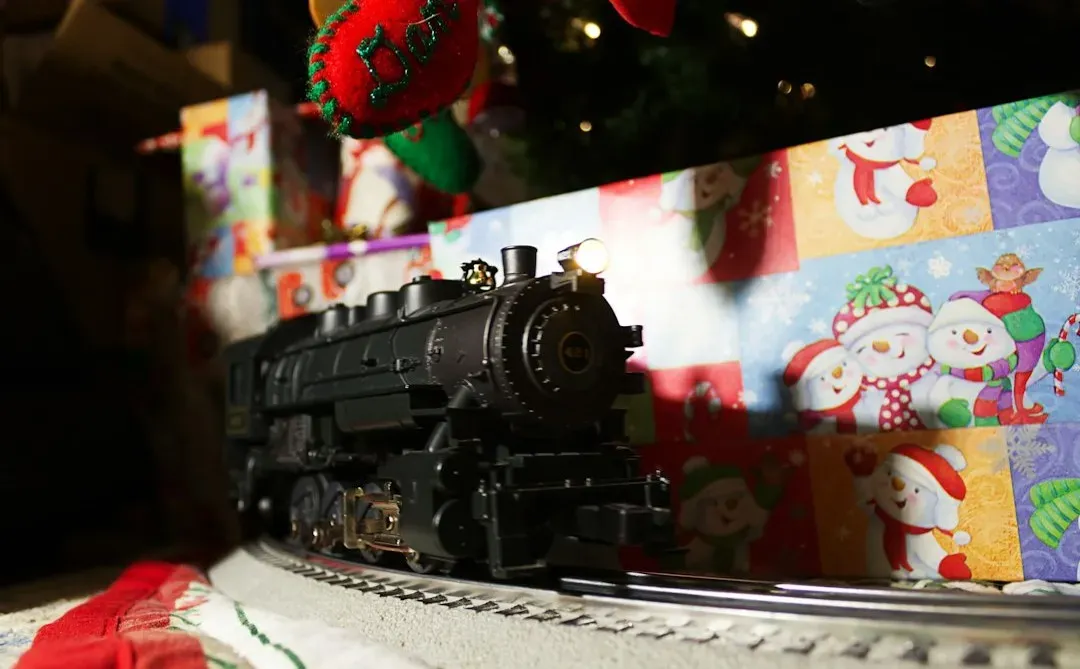
Chris Van Allsburg’s 1985 book won the Caldecott Medal the following year. It follows a boy who boards a magical train bound for the North Pole on Christmas Eve. Robert Zemeckis directed the 2004 film adaptation.
The film is best known for its use of performance capture animation, with Tom Hanks playing several roles. The look divided viewers, and some found the characters unsettling. Even so, it has become a regular holiday watch for many families.
Jumanji
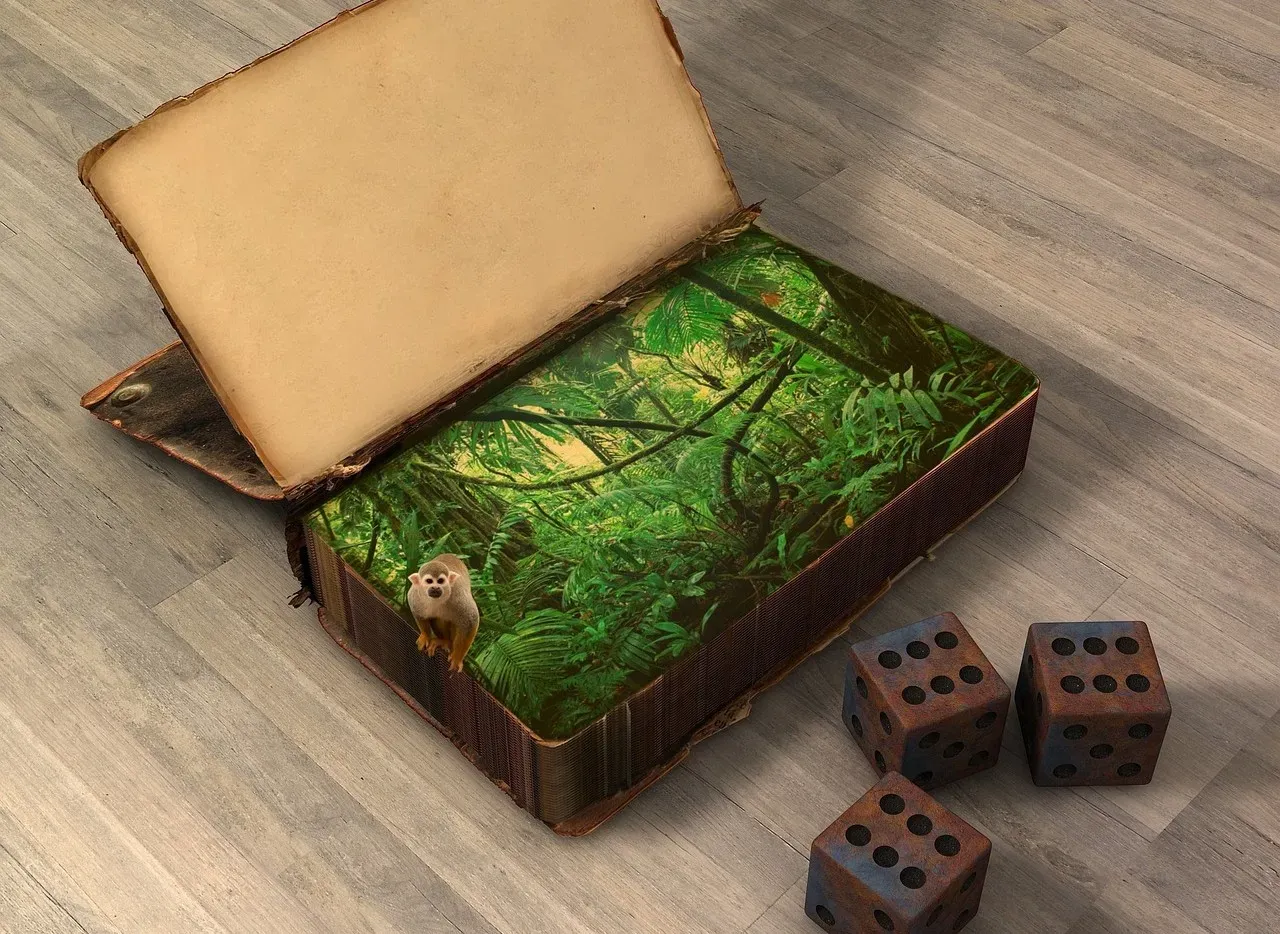
Van Allsburg’s 1981 book is about a board game that brings jungle animals into a suburban home. It earned him his first Caldecott Medal, in 1982. The 1995 film, directed by Joe Johnston, starred Robin Williams.
The movie expanded the story a great deal. It added a man trapped inside the game for decades and gave the plot much higher stakes. That choice shows how a slim picture book can turn into a full adventure.
Cloudy with a Chance of Meatballs

Judi Barrett wrote the 1978 book, and her husband Ron Barrett illustrated it. It imagines a town where food falls from the sky instead of rain. The story is a gentle tall tale told through a grandfather’s bedtime stories.
Sony Pictures Animation released the film in 2009, directed by Phil Lord and Chris Miller. The film invented an inventor character and a plot about a machine that goes out of control. It was successful enough to produce a sequel in 2013.
How the Grinch Stole Christmas
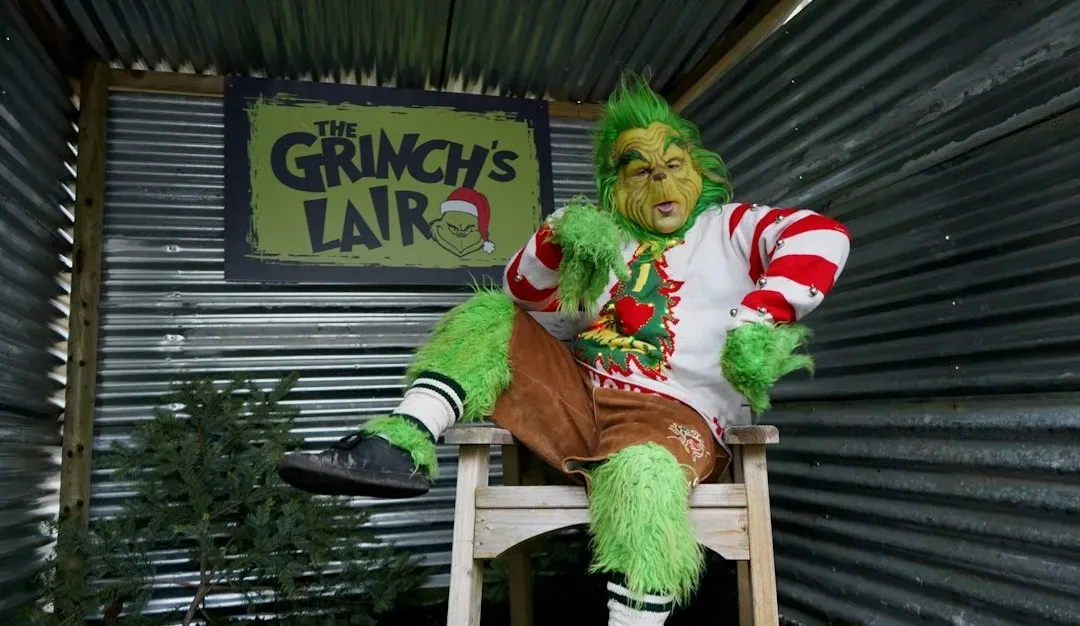
Dr. Seuss published the story in 1957, written in his usual rhyming style. It was already known to many people through a well loved animated TV special. The 2000 feature film, directed by Ron Howard, was the first live action version of a Seuss book.
Jim Carrey played the Grinch under heavy makeup. The script added a backstory explaining why the character became so bitter. That addition was needed to stretch the short tale into a full length movie.
The Tale of Peter Rabbit

Beatrix Potter first produced the story in 1902, and it has stayed in print for well over a century. It describes a naughty young rabbit who sneaks into Mr. McGregor’s garden. The 2018 film, directed by Will Gluck, mixed computer animated animals with live action actors.
James Corden voiced Peter. The film gave the rabbit a much more mischievous and modern personality, which drew mixed reactions from some fans of the original. A sequel, Peter Rabbit 2: The Runaway, followed in 2021.
Horton Hears a Who!
Dr. Seuss released this book in 1954. It centers on an elephant who discovers a tiny community living on a speck of dust. The animated film arrived in 2008 from Blue Sky Studios.
Jimmy Hayward and Steve Martino directed, with Jim Carrey voicing Horton and Steve Carell voicing the Mayor of Whoville. The film kept the rhyming spirit while adding new characters and subplots. Its central message about protecting those who are small remained intact.