There’s something quietly remarkable about a music festival that has outlasted empires, survived wars, and kept drawing people back century after century. Most things built by humans don’t last that long. A stadium, a tradition, a government – all of them eventually fold. Music, it turns out, is more durable than most. The three festivals covered here are not just historical footnotes. Each one is still active, each one still fills seats, and each one offers a genuinely distinct lesson about why humans gather around sound in the first place. They span continents, centuries, and genres, yet they share one stubborn quality: the insistence that collective joy is worth organizing for.
The Three Choirs Festival (1715): When Cathedrals Become Concert Halls
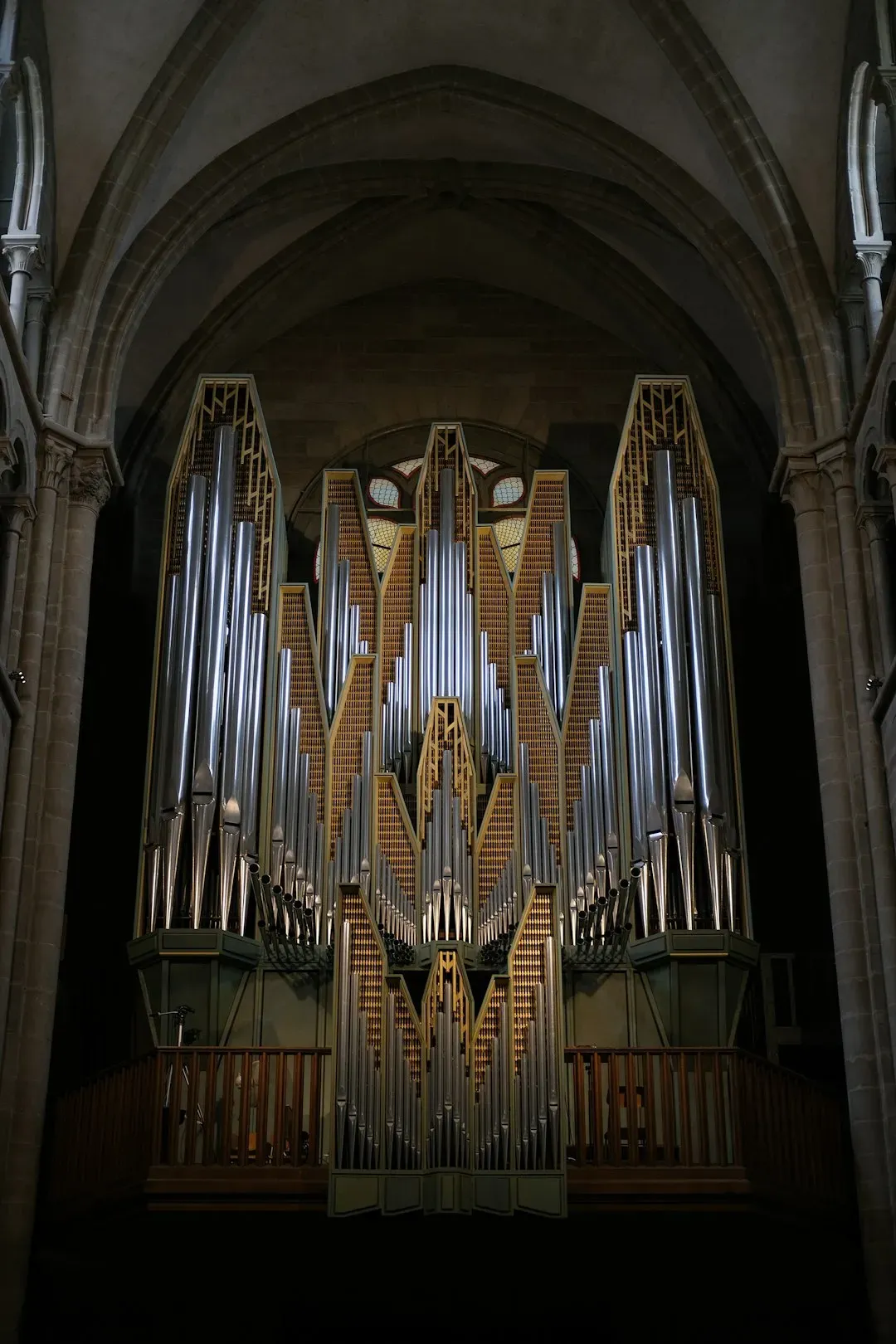
The Three Choirs Festival is the oldest extant music festival in Europe, with the first gathering believed to have been held in Gloucester in 1715. It is held annually at the end of July, rotating among the cathedrals of Hereford, Gloucester, and Worcester, and originally featured the three choirs of those cities, which remain central to the week-long programme to this day.
Originally a gathering of cathedral choirs from Gloucester, Hereford, and Worcester, it was about more than music – it was about unity, belonging, and shared purpose. In early gatherings, Purcell’s setting of the Te Deum and Jubilate was a regular part of the repertoire, and Handel dominated 18th-century programmes with oratorios such as Alexander’s Feast, Samson, Judas Maccabaeus, and Messiah. From those sacred beginnings, the festival grew into something much wider.
Surviving the Unthinkable: Wars, Pandemics, and Resilience
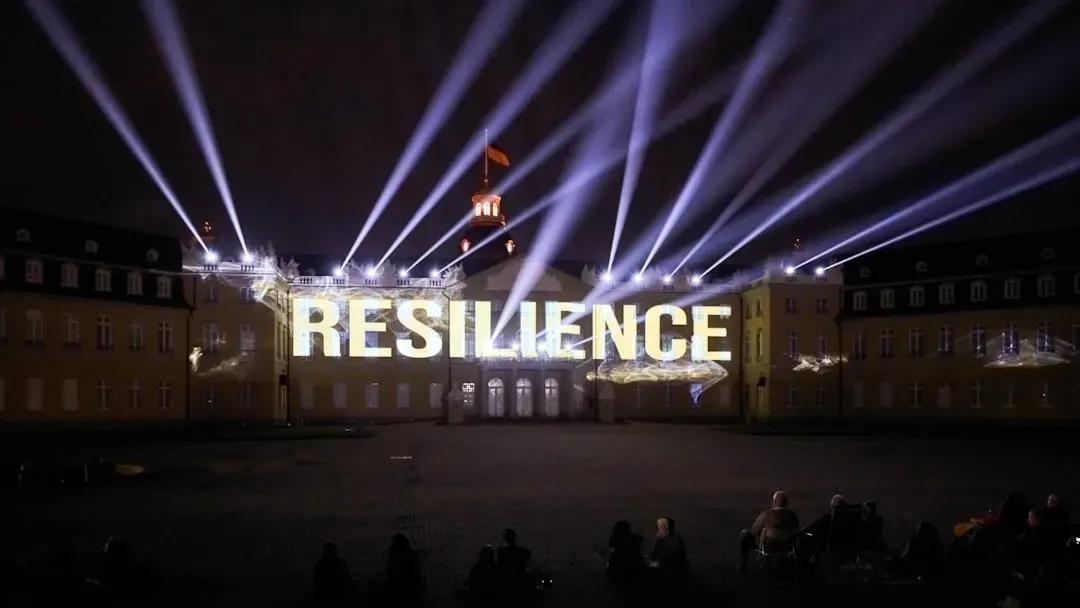
Wars interrupted the continuity of the festival twice – from 1914 to 1920, and again from 1939 to 1945. That’s roughly fourteen years of silence across a three-hundred-year lifespan, which is both a reminder of how much history this event has witnessed and how insistently it kept returning.
More recently, the COVID-19 pandemic in 2020 led to the cancellation of the physical festival, resulting in an innovative online virtual festival that aimed to maintain the community spirit until the triumphant return to in-person performances in 2021. The festival’s resilience is a testament to music’s power to heal and endure. That’s the lesson here: joy doesn’t disappear when circumstances turn harsh. It finds another form and waits.
New Music, Old Walls: The Commitment to Premieres
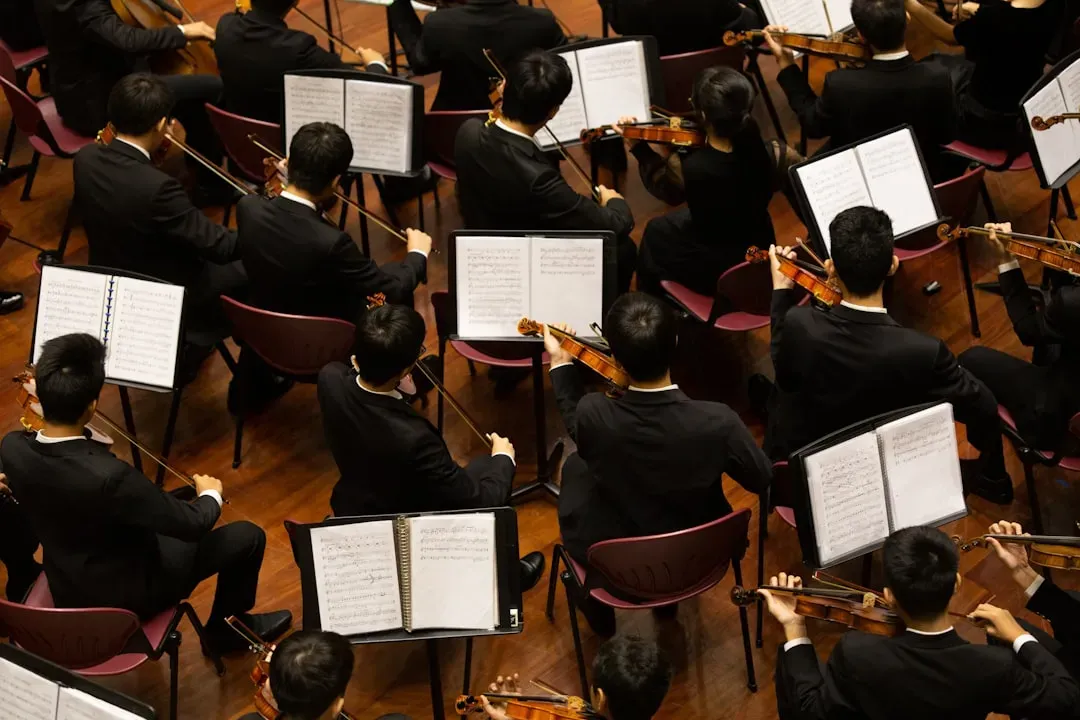
A cornerstone of the Three Choirs Festival has always been its commitment to new music. Over its 300-year history, it has hosted the premieres of significant works by composers such as Edward Elgar, Arthur Sullivan, Samuel Coleridge-Taylor, Hubert Parry, Ethel Smyth, Ralph Vaughan Williams, Frederick Delius, and Camille Saint-Saëns.
Staying relevant for over three centuries is no small feat, yet the Three Choirs Festival has managed to do so by walking a delicate line between tradition and innovation. While it fiercely honors its classical roots, recent years have seen a surge in new commissions and contemporary works. This willingness to embrace change is evident in its programming, which now regularly features living composers alongside the likes of Elgar and Handel. A festival that commissions the future while honoring the past rarely feels stale. It feels alive.
Partner offer
The Worcester Music Festival (1858): America’s Oldest, Still Running
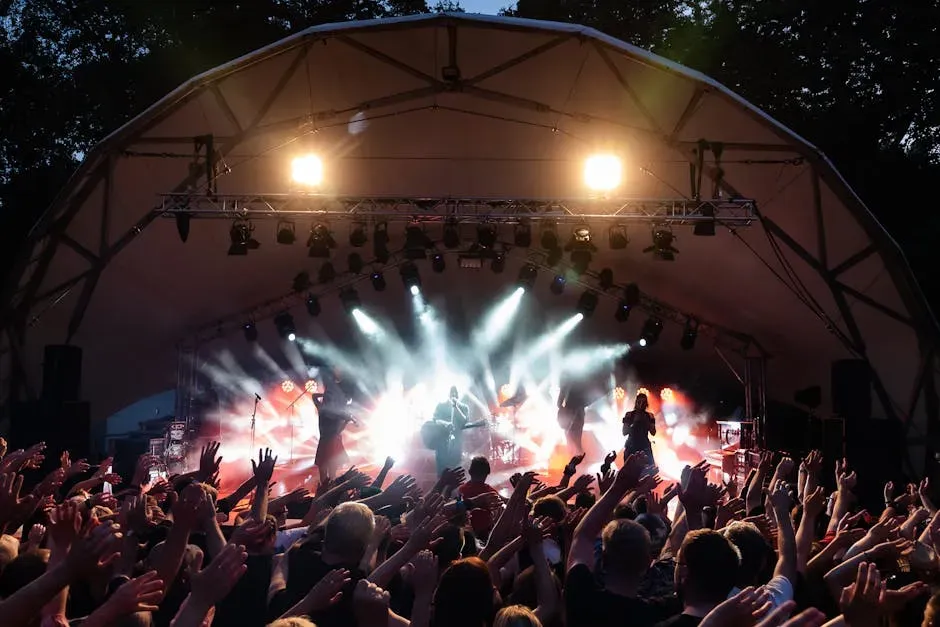
The Worcester Music Festival, the oldest music festival in the United States, began in 1858 at Mechanics Hall, founded to increase the “knowledge of works by the great masters.” Originally known as the Worcester County Music Association, it was founded on September 28, 1858 to provide musical programming in the recently opened Mechanics Hall. The Festival Chorus, still an important part of the organization, was also founded in 1858.
In 1918, the only festival cancellation in its long history came not from war but from the Great Influenza epidemic. That single gap in over 160 years of history says everything about how seriously this community took its gathering. Music Worcester now connects Central Massachusetts audiences of all ages and backgrounds with world-renowned orchestras, soloists, and ensembles from the worlds of classical, jazz, folk, world music, and dance at venues throughout the Worcester area.
The Newport Jazz Festival (1954): Joy as a Democratic Act
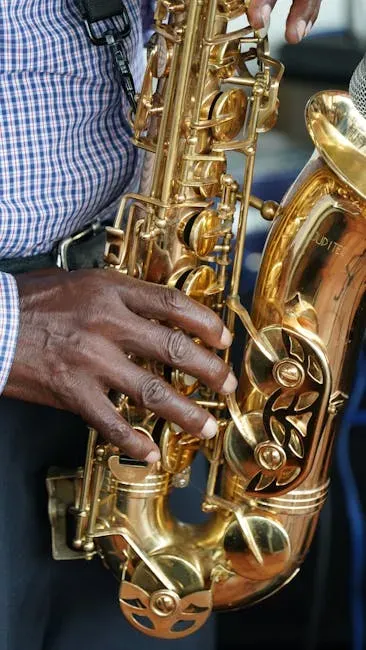
The Newport Jazz Festival is an annual American multi-day jazz music festival held every summer in Newport, Rhode Island. Elaine Lorillard established the festival in 1954, and she and husband Louis Lorillard financed it for many years. They hired George Wein to organize the first festival and bring jazz to Rhode Island. The vision from the start was to take music out of smoky clubs and into the open air, where anyone could come.
In 1954, the smallest state in America started a tradition that changed the live jazz experience forever. Since then, the Newport Jazz Festival has been on board for every evolutionary phase of the music – bop, cool jazz, fusion, free jazz, whatever mode was making waves wound up on its stage. Two of the most famous performances in the festival’s history are Miles Davis’ 1955 solo on “‘Round Midnight” and the Duke Ellington Orchestra’s lengthy 1956 performance of “Diminuendo and Crescendo in Blue.” Newport didn’t just document jazz history. It made it.
What All Three Still Teach Us
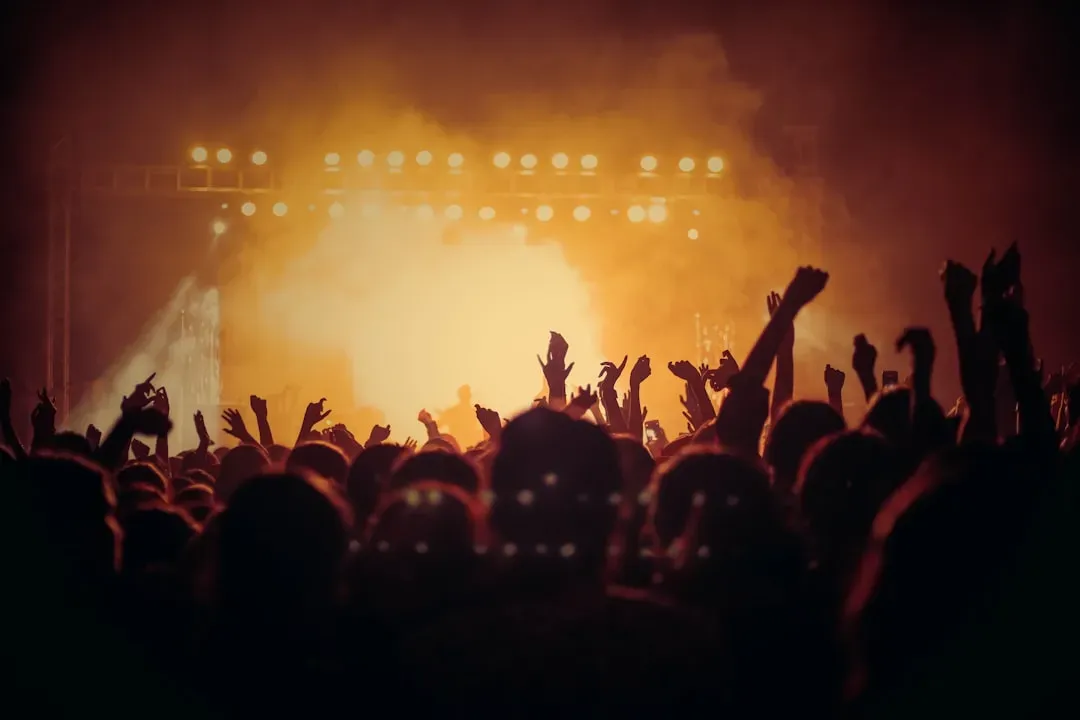
Contemporary festivals increasingly serve as a way to create cultural identity, lifestyle, community, belonging, and self-actualisation. Furthermore, festivals are a manifestation of creating escapism and a seasonal cultural economy to experience ritually and collectively. These three festivals understood that long before anyone had words for it.
Three centuries, two continents, countless political upheavals, two world wars, and a global pandemic later, all three are still standing. That’s not nostalgia keeping them alive. It’s the genuine, renewable human need to be in a room – or a cathedral, or a park by the ocean – where music is playing and strangers feel briefly like neighbors. Joy, it turns out, doesn’t require novelty. It requires showing up.
Partner offer
Planning a trip to Vegas?
Compare hotel rates and show tickets on VEGAS.com.