Every so often, music critics love to argue about the best albums of all time. Less often, but arguably more entertaining, is the debate over the worst. Some records are bad by accident, born from rushed timelines or mismatched expectations. Others are bad on purpose, or at least defiantly indifferent to what listeners might want. Either way, these seven albums keep showing up on “worst ever” lists decade after decade, and for good reason.
Lou Reed’s Metal Machine Music
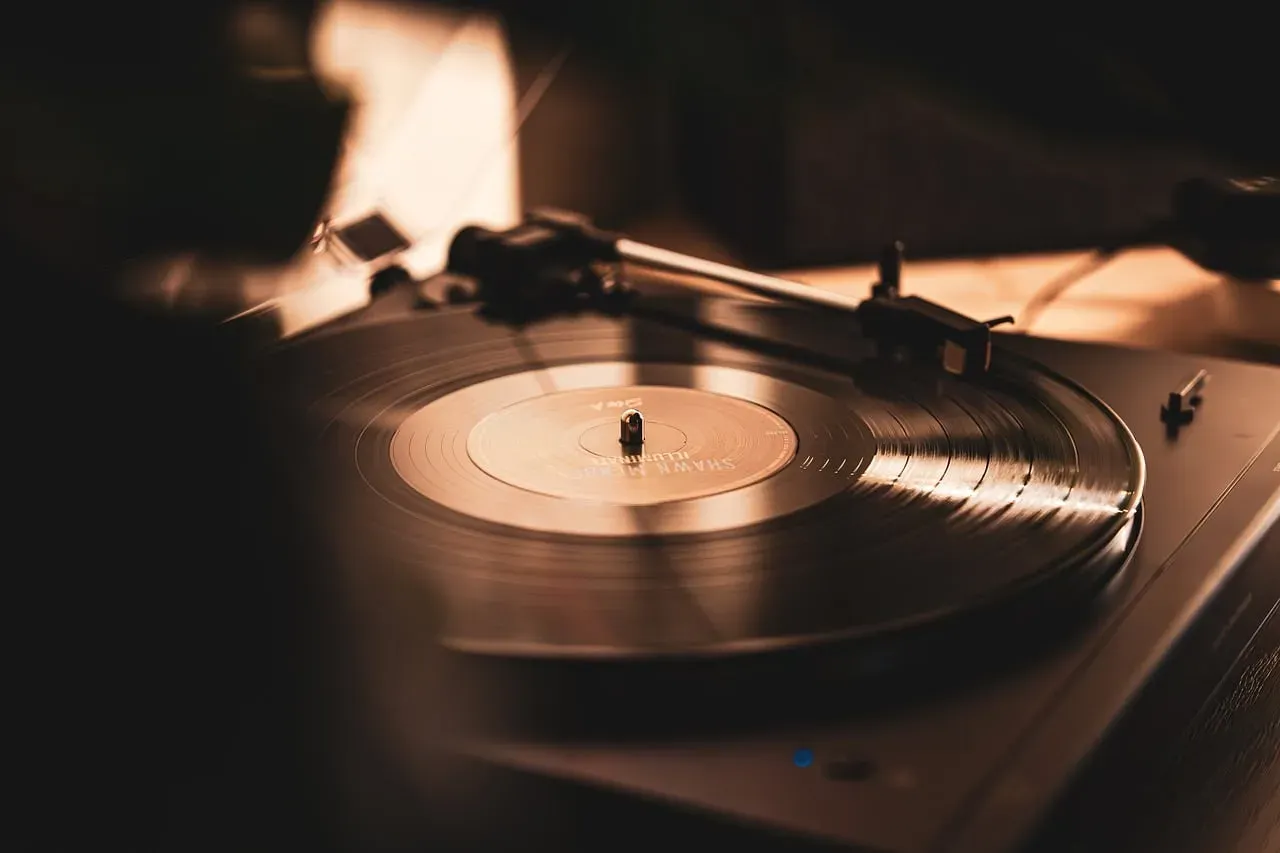
Released in 1975, this double album consists of over an hour of guitar feedback and electronic noise, with no lyrics, no melody, and no discernible song structure. Lou Reed reportedly made it partly as a way to fulfill a contractual obligation to RCA Records, and some have speculated it was also a middle finger to fans expecting another Transformer.
Record stores returned copies in droves once customers realized what they had bought. Reed himself gave conflicting statements over the years about whether the record was a serious artistic statement or an elaborate joke, which only adds to its strange legacy. Even now, it remains a reference point whenever someone wants to describe an album that tested listener patience to its absolute limit.
Lulu by Lou Reed and Metallica

Lou Reed shows up twice on this list, which says something about his willingness to take risks nobody asked for. Released in 2011, Lulu paired Reed’s spoken word poetry, inspired by Frank Wedekind’s Lulu plays, with Metallica’s heavy riffs. The combination baffled fans of both artists and drew some of the harshest reviews either act had ever received.
Critics pointed to lyrics that ranged from uncomfortable to unintentionally comedic, delivered over music that seemed disconnected from the words. Metallica drummer Lars Ulrich later defended the project as bold and experimental, but the commercial and critical reception told a different story. It debuted at a low chart position and quickly became a punchline in online music forums.
William Shatner’s The Transformed Man

Long before internet memes made “so bad it’s good” a cultural category, William Shatner recorded this 1968 album mixing spoken word covers of songs like “Mr. Tambourine Man” and “Lucy in the Sky with Diamonds” with theatrical monologues. His delivery style, full of dramatic pauses and unexpected emphasis, turned familiar songs into something almost unrecognizable.
The album was largely dismissed at the time of release, though it later found a cult following thanks to its sheer novelty. Shatner has since leaned into the reputation, releasing more spoken word music projects over the years. The original record still gets cited whenever critics compile lists of albums that misjudged an artist’s actual strengths.
Milli Vanilli’s Girl You Know It’s True
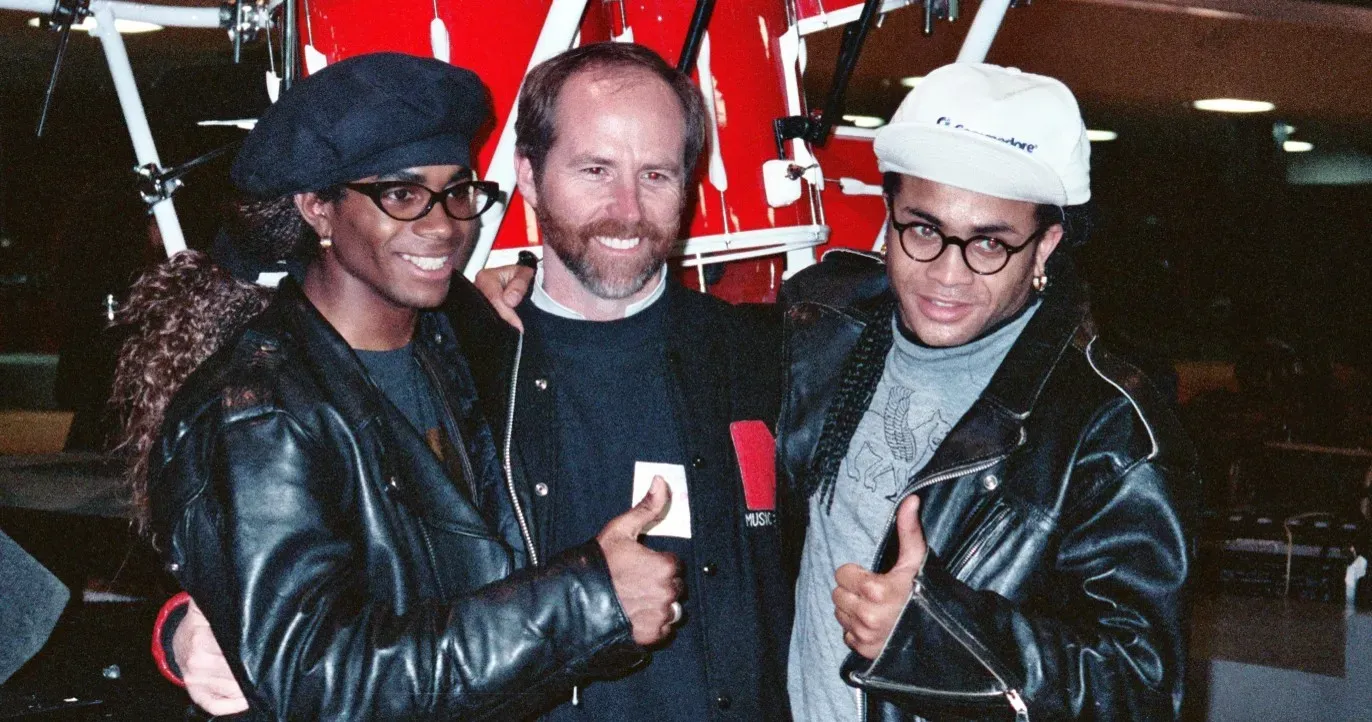
This one earns its spot for reasons beyond the music itself. The 1989 album became a massive commercial success, selling millions of copies and even earning a Grammy for Best New Artist, before it was revealed that Fabrice Morvan and Rob Pilatus had not actually sung on the record.
The Grammy was later revoked once the lip syncing scandal broke, and the fallout damaged both performers’ careers significantly. The music itself, mostly generic late eighties dance pop, had already been fading from critical favor before the scandal hit. What could have been remembered as forgettable pop instead became a cautionary tale about authenticity in the music industry.
Partner offer
Crazy Frog’s Crazy Hits
Born from a ringtone rather than any organic musical impulse, Crazy Frog became an unlikely European chart phenomenon in the mid 2000s. The Crazy Hits album, built around novelty covers of dance classics layered with the character’s grating vocal effects, topped charts in several countries despite near universal critical scorn.
Music writers at the time struggled to find anything redeeming about the project, often describing it as calculated commercialism rather than genuine artistry. Its commercial success only deepened the frustration among critics who saw it as proof that marketing could outpace musical substance. Even today, it remains a go to example whenever people discuss manufactured pop novelty acts.
Ja Rule’s Blood in My Eye

Released in 2003 at the height of his feud with 50 Cent, Blood in My Eye found Ja Rule attempting to reassert dominance in the rap game. Instead, critics widely panned the record for its uninspired production and lyrics that felt more reactive than confident.
Sales figures reflected the poor reception, falling well short of his earlier releases and signaling a steep decline in his commercial standing. The timing could not have been worse either, as 50 Cent’s Get Rich or Die Tryin’ was dominating the charts and critical conversation simultaneously. Blood in My Eye is often remembered less as a musical statement and more as a symbol of how quickly rap rivalries can end careers.
Mariah Carey’s Glitter Soundtrack

Tied to the notoriously poorly received 2001 film of the same name, the Glitter soundtrack suffered from both weak material and disastrous timing, releasing the same week as the September 11 attacks when the public had little appetite for a glossy pop album. Critics found the songs formulaic and lacking the emotional depth of Carey’s earlier work.
The album became one of the lowest selling records of her career, a stark contrast to the multi platinum success she had enjoyed throughout the 1990s. Carey herself later described the period surrounding Glitter as one of the most difficult stretches of her career. Interestingly, a fan led campaign years later pushed the album back onto charts, proving that even widely mocked records can find unexpected redemption.
The Final Verdict
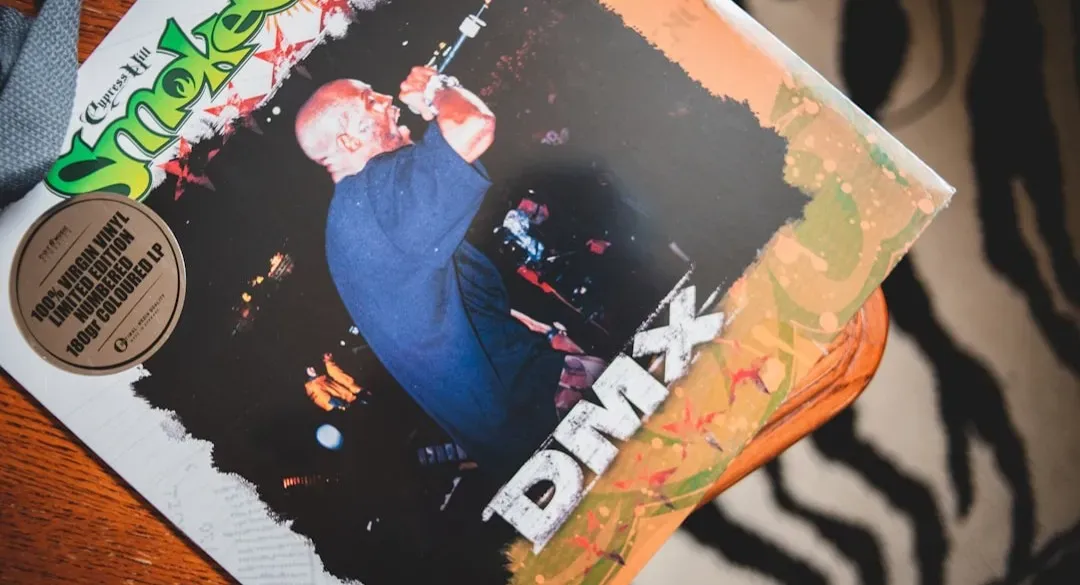
Ranking the worst album of all time will never produce a single definitive answer, since taste, context, and expectations all shape how a record gets judged over time. What these seven share is a willingness to provoke strong reactions, whether through creative missteps, industry deception, or simply misjudging what an audience wanted. That alone makes them memorable, even if not in the way their creators originally intended.
Bad albums rarely disappear quietly. They tend to linger in conversation precisely because they push against expectations in ways that polished, safe records never do. Whether that makes them worth revisiting or worth avoiding entirely is a decision best left to each listener.
Partner offer
Planning a trip to Vegas?
Compare hotel rates and show tickets on VEGAS.com.