Most films shrink on the way to the screen. After the shoot, the footage is assembled into a rough version, and from there it gets trimmed, tested and argued over. Scenes that cost real money and a full day of work can disappear in an afternoon.
The reasons vary more than people expect. Some cuts are about tone, some about pacing, and some about who holds the power to say no. Eight well documented cases show the range.
A Puppet Mirror That Went a Bridge Too Far
Casper Kelly, the director of Too Many Cooks, had to remove a scene from his feature film Buddy. It involved the title character taking out his frustrations on a puppet. The puppet was a bathroom mirror, and Buddy didn’t like its answer.
Kelly said the producers didn’t love the scene, so it was cut. Other scenes they were unsure about stayed, because he fought for them. It’s a small example of how a producer’s discomfort can decide what survives.
Terrible Terrors and a Blacksmith Stall
Sometimes a scene goes because the story no longer needs it. Director Dean DeBlois cut several scenes from the original animated How to Train Your Dragon when shaping the 2025 remake. Among them, Hiccup is no longer accosted by Terrible Terrors, and Astrid no longer nearly catches him in the blacksmith stall.
His reasoning was about performance. He felt the live action actors filled in the story’s development more effectively than the animation had. The remake still runs longer than the 2010 film, with at least 27 minutes of new material, according to The Hollywood Reporter.
The Giant Bat in Batman Forever
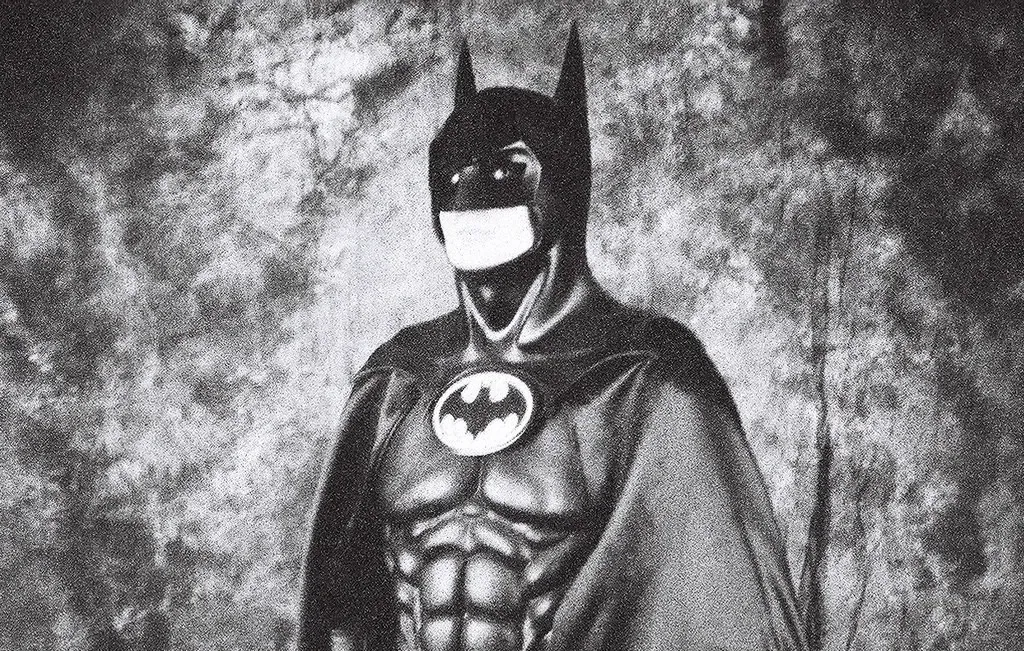
In Batman Forever, Val Kilmer was supposed to face a giant animatronic bat, but the scene was cut for being too dark. It was an introspective trip into Bruce Wayne’s mind. That sort of detour can feel out of place in a blockbuster.
The audience was there for something else. People came for Jim Carrey’s Riddler and Tommy Lee Jones’ Two-Face. A cut like this is a bet about what viewers will actually sit still for.
A Baboon and a Cat in The Fly

The Fly was going to include another experiment, in which Seth Brundle tries to merge a baboon and a cat. The scene was removed for being too much. That’s a notable verdict for a film already known for body horror.
Partner offer
Cutting it protected the film’s escalation. A story about gradual transformation works best when each horror lands with room around it. One more grotesque set piece can flatten the effect of the ones that matter.
The Zoo Visit in This Is Spinal Tap

A whole segment of the band visiting the zoo was cut from This Is Spinal Tap. Nothing about it was offensive or off tone. It simply had to compete with everything else in the film.
Most of the dialogue was improvised, so the cut meant losing some unique material. That’s the cost of an improvised shoot. You end up with far more funny footage than any running time can hold.
The Unicorn Dream in Blade Runner

Here the scene mattered so much that its absence became part of the story. The unicorn dream hinted that Harrison Ford’s character might be a replicant. Without it, fans built theories for years, until the Director’s Cut included the sequence.
It shows why a cut isn’t always permanent. Home video and later editions let directors restore material that studios removed. The cut scene can end up defining the film’s legacy.
A Song Removed From 1776
Some cuts have nothing to do with craft. Director Peter H. Hunt believed his final cut of about 170 minutes was locked, and he went on vacation before the premiere. He returned to find that the picture had been re-cut to 141 minutes, including the removal of a song.
The song was reportedly dropped at the request of a friend of producer Jack L. Warner, President Richard Nixon, over its portrayal of conservatives. The Wikipedia list that records the case describes the request as alleged. It remains a stark example of outside pressure shaping a finished film.
The Ending Brazil Was Pushed to Change
Terry Gilliam’s Brazil is the best known fight over a final cut. Universal chairman Sid Sheinberg insisted on re-editing the film to give it a happy ending and make it shorter, and Gilliam resisted vigorously. This wasn’t a trim for pacing. It was a dispute over what the film meant.
Gilliam’s 142 minute version played elsewhere through 20th Century Fox, but nothing suggested a US release, so he took out a full page Variety advertisement addressed to Sheinberg. The episode helped make final cut rights a central issue for filmmakers.
Partner offer
Planning a trip to Vegas?
Compare hotel rates and show tickets on VEGAS.com.