
Most albums have a shape. The singles sit up front, the playlist favorites get the streams, and the quieter tracks fill in the gaps. Listeners tend to follow that map without thinking about it.
Critics usually listen differently. They sit through the whole record, often more than once, and the songs that get ignored can end up being the ones they remember. Here are eight tracks that casual listening often passes over, along with the reasons they earn such strong reputations.
Radiohead, Motion Picture Soundtrack
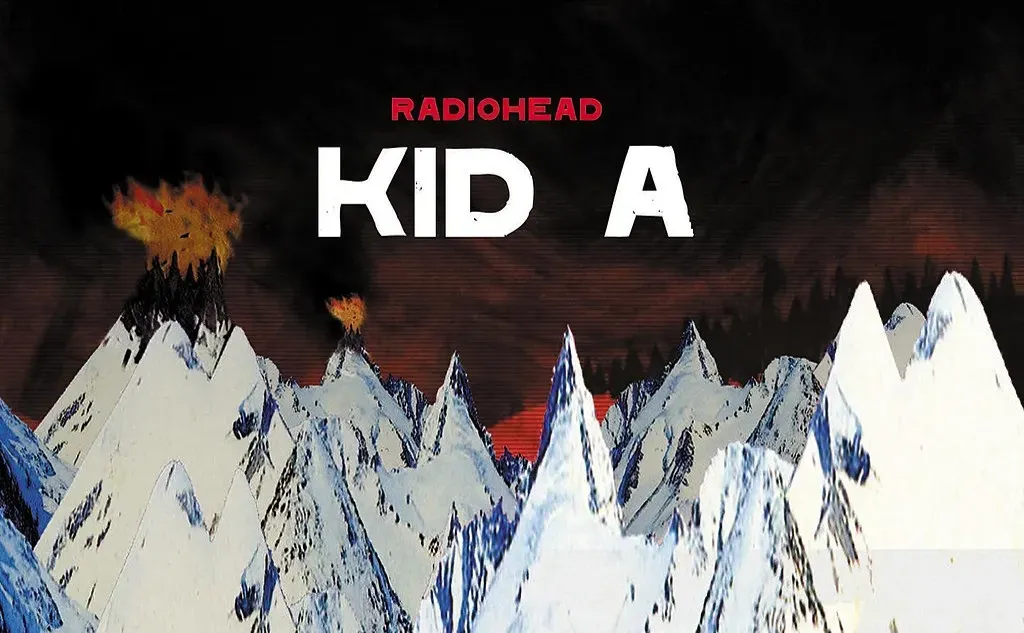
Kid A arrived in October 2000 and went straight to the top of the US Billboard 200. That’s a remarkable result for an album that mostly avoided guitars and conventional hooks. Its closing track is a slow, drifting piece built around a harp and a soft haze of sound.
It’s easy to skip, because nothing in it asks for your attention. Critics tend to read it as the record’s quiet exit, a calm finish after an hour of unease. Pitchfork later placed Kid A at the top of its list of the best albums of the 2000s, and this closer is part of why the record feels so complete.
Fleetwood Mac, Gold Dust Woman

Rumours won the Grammy for Album of the Year in 1978, and most of its fame rests on songs like Dreams and Go Your Own Way. Gold Dust Woman closes the record and sounds nothing like those radio staples. Stevie Nicks wrote it, and it’s murky, dramatic, and unsettled.
Many casual listeners drift away before the album finishes. Critics often point to this track as proof that the band’s famous personal turmoil produced real darkness, not just polished pop. It gives a bright, popular record some shadow, and that’s what keeps it from feeling too neat.
Kendrick Lamar, Sing About Me, I’m Dying of Thirst

Good Kid, m.A.A.d City came out in 2012 as Kendrick Lamar’s major label debut. This track runs well past ten minutes, which makes it a hard sell for anyone browsing by single. It shifts in the middle, changing both the beat and the mood.
Critics often single it out as the album’s emotional center. It gives voice to people from Lamar’s neighborhood and treats their stories with weight instead of spectacle. If you’ve only heard the radio songs from this record, you’ve heard the entry point but not the heart of it.
Beyoncé, Pray You Catch Me
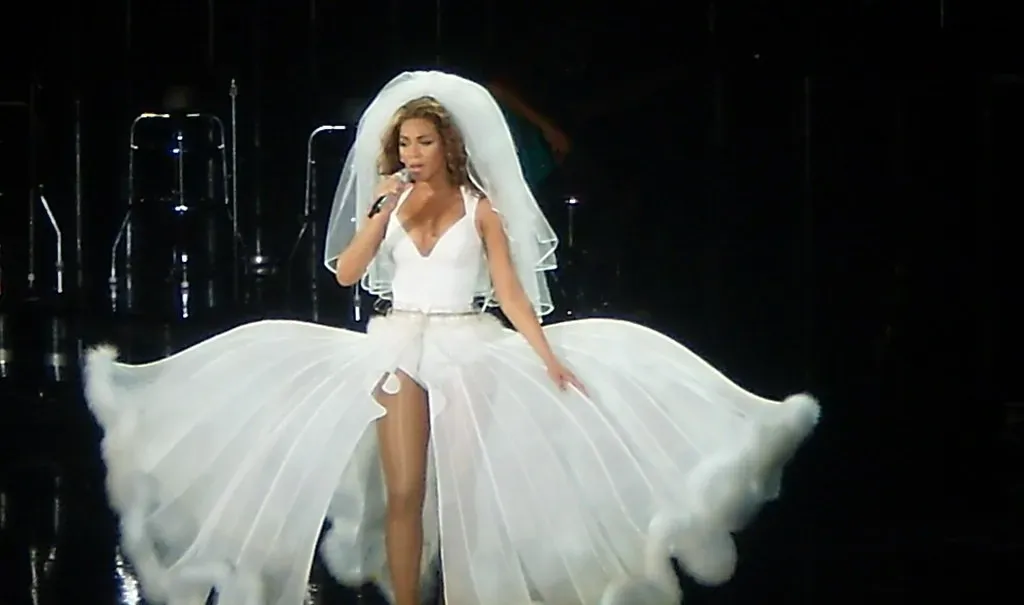
Lemonade appeared in April 2016 alongside a film that aired on HBO. The album opens with this track, which lasts just over three minutes and keeps things hushed. It’s nowhere near as loud as the songs that follow, so some listeners jump ahead.
That choice is what critics tend to admire. The opener sets the emotional terms for the whole project, starting with suspicion and hurt before the anger arrives. Lemonade was nominated for Album of the Year at the Grammys in 2017, and this small, restrained opening helps explain why it was taken so seriously.
Joy Division, I Remember Nothing

Closer was released in July 1980, just weeks after the death of singer Ian Curtis in May of that year. That context hangs over the whole record, and it’s especially heavy on the final track. It’s slow, sparse, and cold, with very little to hold onto.
Plenty of listeners stop before the end, and it’s understandable. Critics, though, often treat it as one of the bleakest and most daring closers in rock. It doesn’t resolve anything, and that refusal is exactly why people keep writing about it.
David Bowie, Word on a Wing

Station to Station came out in 1976, during a turbulent stretch of Bowie’s life that overlapped with his role in The Man Who Fell to Earth. The title track and Golden Years get most of the attention. Word on a Wing sits in the middle of side one, a gentle ballad that doesn’t sound like the rest.
Its sincerity can catch people off guard. Critics often highlight it as a rare moment where Bowie drops the character and sings plainly. On an album full of cold, stylized material, it’s the warm center that makes the rest hit harder.
Wilco, Reservations

Yankee Hotel Foxtrot has a famous backstory. Wilco’s label rejected it, the band streamed it online, and it was eventually released in 2002 on another label. Pitchfork gave it a perfect score at the time, and the record is still widely cited as a landmark of the decade.
Reservations closes the album, and it’s quiet, patient, and easy to overlook after the louder moments. Critics tend to praise how it lets the album settle down instead of ending on a big flourish. If you leave before it starts, you miss the calm that makes the earlier noise feel purposeful.
Taylor Swift, Epiphany

Folklore was released by surprise in July 2020 and won the Grammy for Album of the Year in 2021. The singles and fan favorites get most of the attention, while Epiphany sits late in the tracklist and doesn’t have the usual pop structure. It’s spare and atmospheric, with long stretches that feel more like a hymn than a chorus.
Swift has described it as connecting her grandfather’s wartime experience with the work of medical staff during the pandemic. Critics often single it out as one of the most affecting songs on the record because it steps away from her usual confessional style. It rewards the listeners who stay with the album past the obvious highlights.