


An album’s track list is the product of a lot of small decisions, and a song can be dropped for many reasons. Sometimes it feels out of place, sometimes the band isn’t happy with the recording, and sometimes the songwriter simply has too many good songs.
The seven songs below were all recorded during sessions for a particular album and then set aside. Each one later turned up somewhere else, and the reasons for the cuts are often more interesting than the songs’ later lives.
Because the Night, Bruce Springsteen
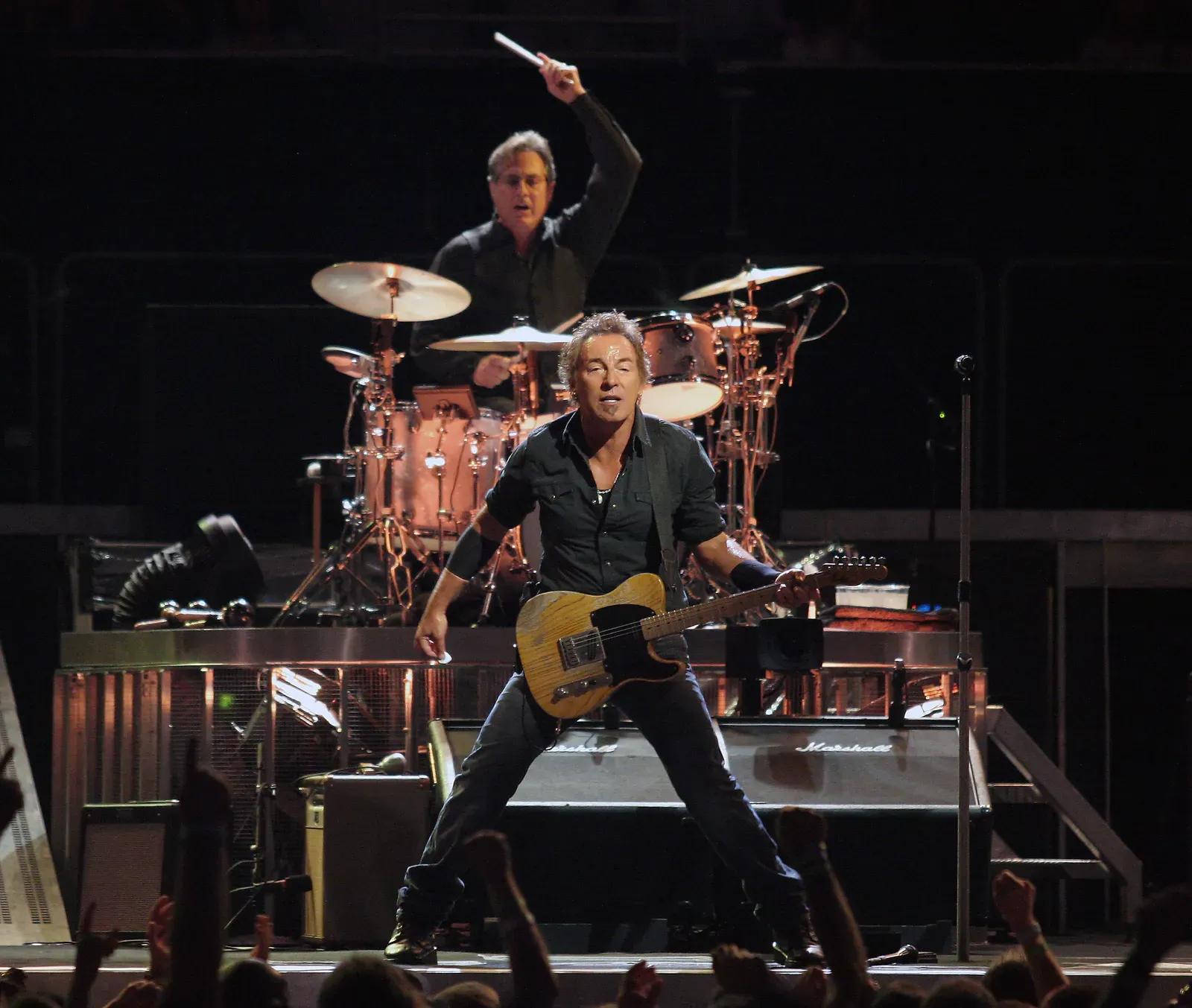
Springsteen worked on this song during the sessions for Darkness on the Edge of Town, released in 1978. He had the music but never finished the lyrics. The album he was building was stark and heavy, and an unfinished love song didn’t fit it.
Producer Jimmy Iovine was working next door on Patti Smith’s album Easter, and he passed her a demo of the song. She wrote her own words, and her version became a major hit that year. Springsteen kept playing his own take in concert, and it later appeared on his 1986 live box set.
Strawberry Fields Forever, The Beatles
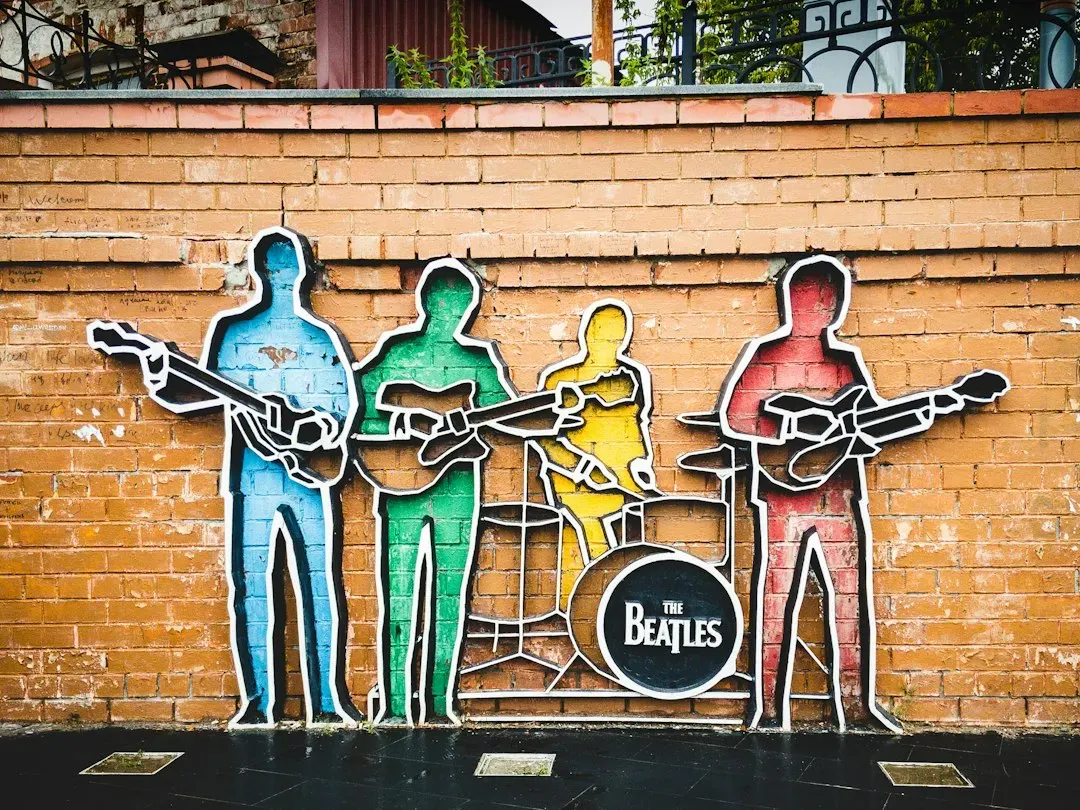
This one wasn’t cut for sound or mood. John Lennon’s song was recorded in late 1966 across several sessions, and the finished take was stitched together from two different versions. It was released in February 1967 as a double A side single with Penny Lane.
The band and producer George Martin followed a habit of the time, which was to keep singles separate from albums. Sgt. Pepper’s Lonely Hearts Club Band arrived in June 1967 without either track, and Martin later regretted that choice. Both songs eventually landed on the American Magical Mystery Tour LP.
Blind Willie McTell, Bob Dylan
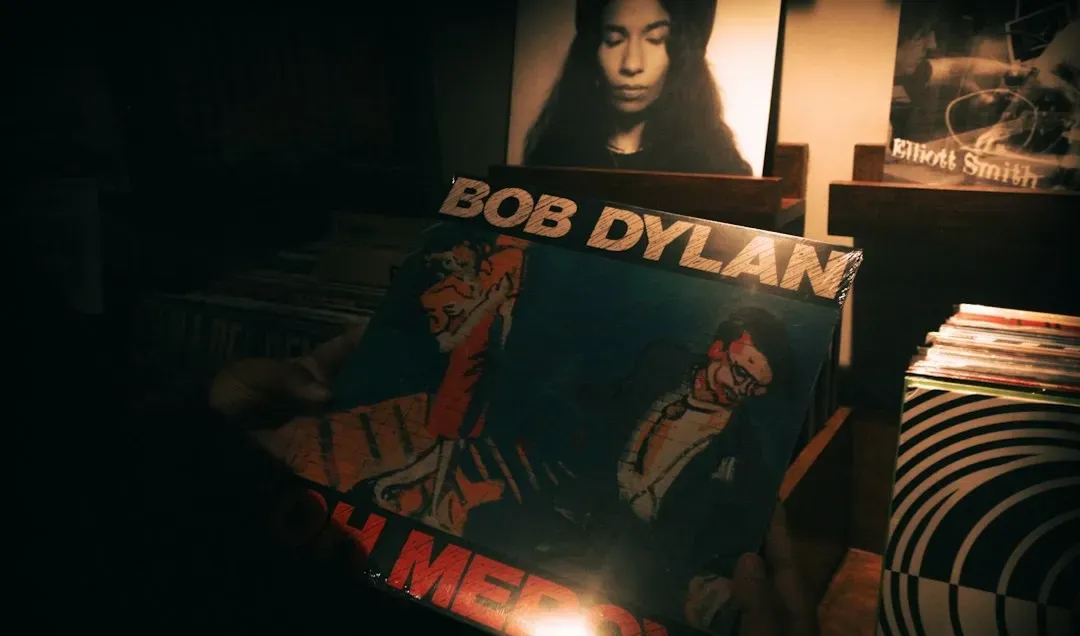
Dylan recorded this song in 1983 during the Infidels sessions, with Mark Knopfler producing and playing guitar. It’s built around Dylan’s piano and a quiet, spare arrangement. Many fans consider it one of his best songs from the decade.
He left it off the album anyway, and he’s never given a tidy explanation. It stayed unreleased until 1991, when it came out on the first Bootleg Series collection. The Band later recorded a cover, which gave the song a small second life before Dylan’s own version was widely heard.
Partner offer
Houses of the Holy, Led Zeppelin
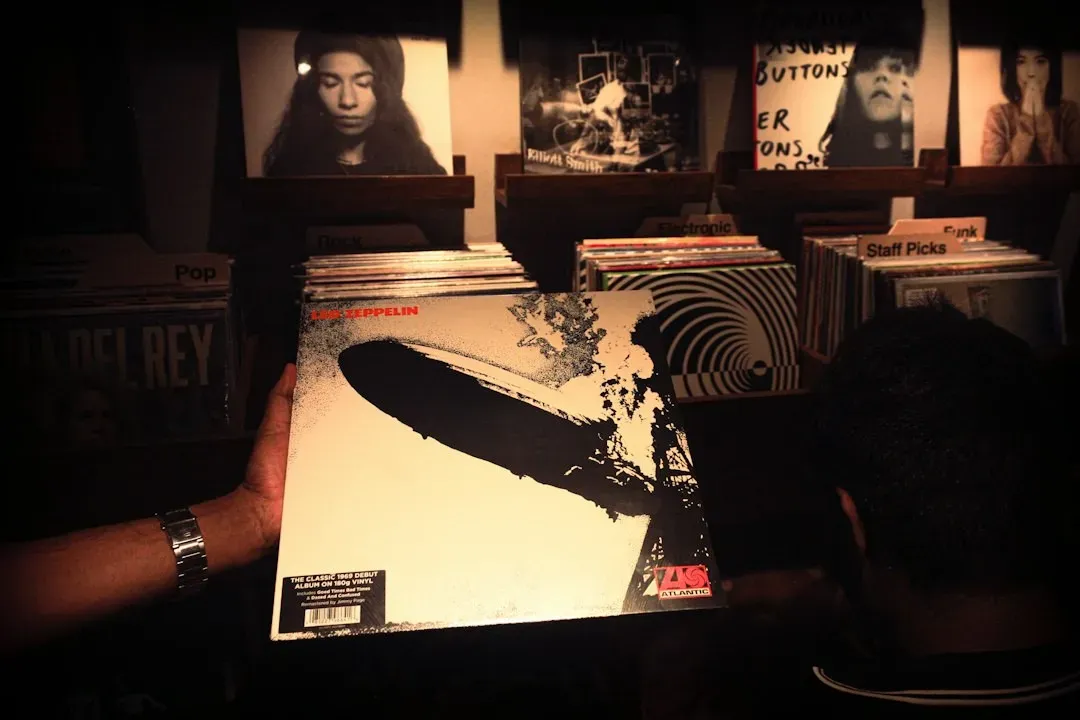
It’s an odd case, because the song shares its name with the album it was recorded for. Led Zeppelin worked on it in 1972 for the record that came out in March 1973. The band decided the track didn’t suit the album’s overall flow, so it was shelved.
Zeppelin used the title for the album anyway. The song finally appeared on the double album Physical Graffiti in February 1975, where its funk leaning groove fit comfortably among longer, looser material.
Not Guilty, George Harrison
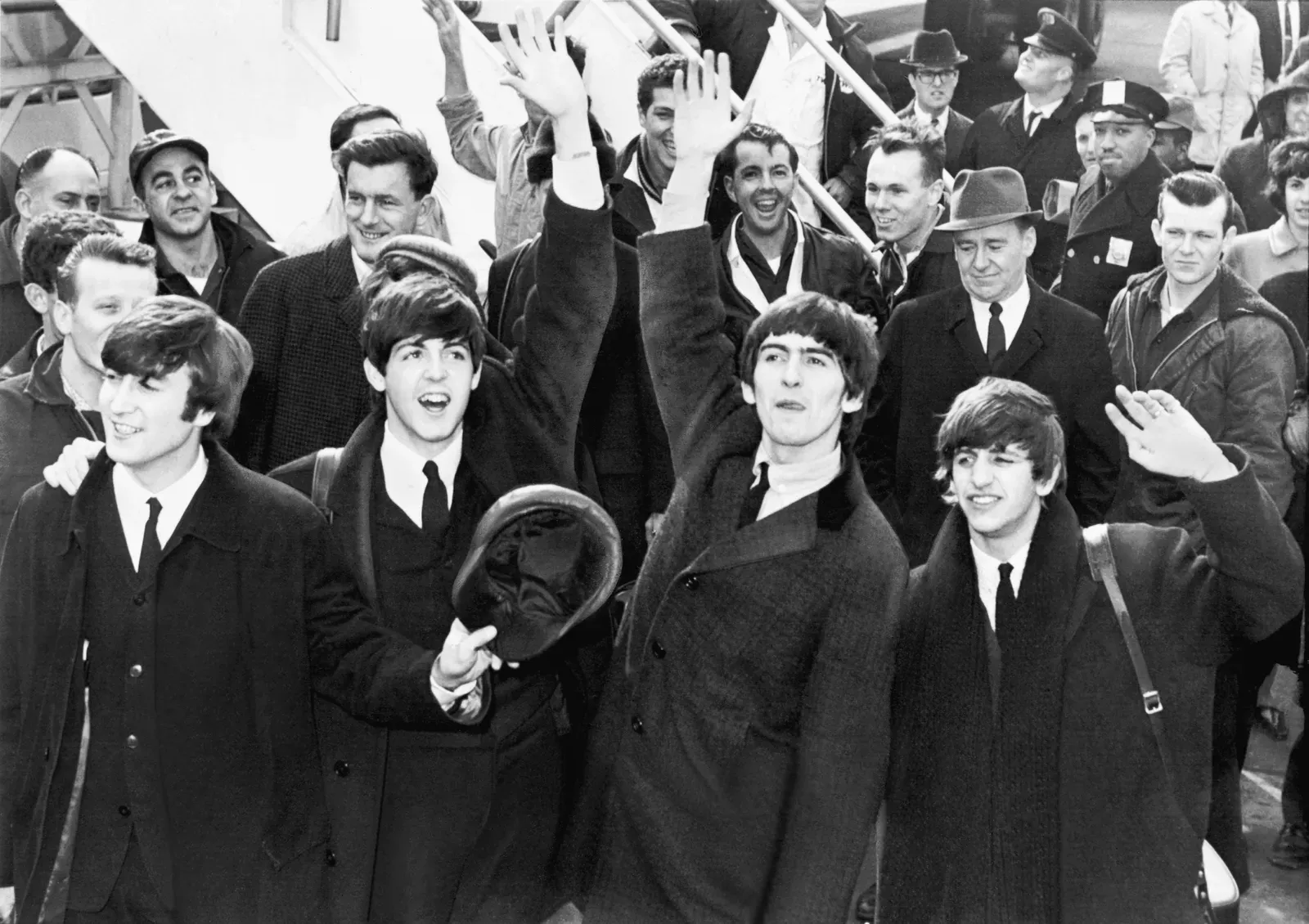
Harrison wrote this song in 1968 and pushed the Beatles through a huge number of takes during the White Album sessions, more than one hundred by most accounts. The lyrics reflect his frustration with the band’s internal tension after their trip to India. The song didn’t make the double album, even though that record had room for thirty tracks.
The exact reasons are usually tied to the strained atmosphere in the studio, though accounts differ. Harrison re-recorded it for his 1979 solo album. The Beatles’ version came out on Anthology 3 in 1996, and a home demo was included in the 2018 White Album anniversary edition.
Sweetest Thing, U2
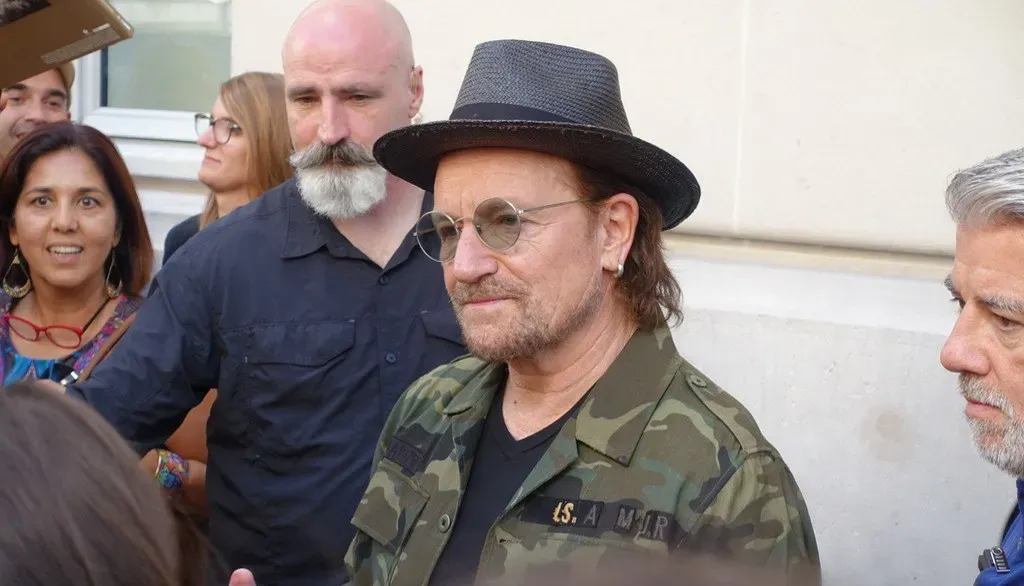
Bono wrote this song for his wife, Ali, after he missed her birthday while the band was busy making The Joshua Tree. The song was recorded in 1987, yet it ended up as a B side to Where the Streets Have No Name rather than on the album itself. The band apparently wasn’t satisfied with how the original recording turned out.
U2 revisited the song more than a decade later. A new version was recorded for the 1998 compilation The Best of 1980 to 1990, and it was released as a single. That second try gave a once overlooked track a much bigger audience.
Lift, Radiohead
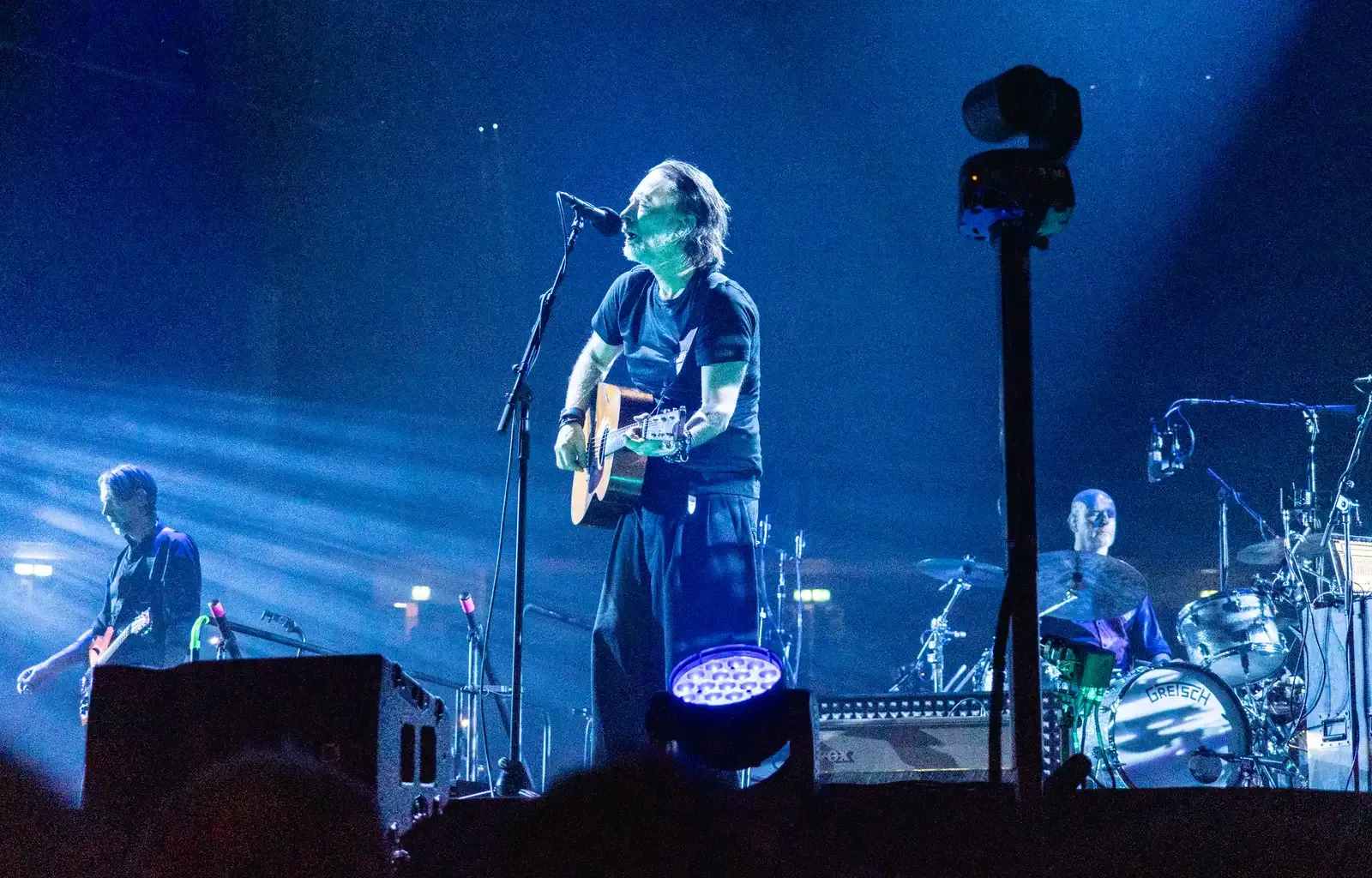
Radiohead worked on Lift in 1997 during the OK Computer sessions, and the band played it live before the album came out. Fans spent years trading bootlegs of those performances. In the studio, though, the band never got a version they were happy with, and it didn’t fit the darker mood of the finished record.
The song stayed unreleased for twenty years. A polished studio version finally arrived in 2017 on OKNOTOK 1997 2017, the anniversary reissue of OK Computer. Hearing it then made it easier to see why it appealed to fans and why it sat awkwardly beside the rest of the album.
Partner offer
Planning a trip to Vegas?
Compare hotel rates and show tickets on VEGAS.com.


