
There’s something about Las Vegas that’s always felt a little different from other American cities. Maybe it’s the neon glow or the round-the-clock energy. Yet beneath all that glitter lies a sobering financial reality that affects nearly everyone who calls Sin City home. People living in this desert oasis are carrying some of the highest levels of credit card debt relative to their income in the entire United States, and honestly, it’s not hard to see why once you dig into the details.
Most folks assume Las Vegas residents are just spending too much at the casinos. That’s a convenient story, but the real picture is far more complicated. It involves unstable jobs, rising costs, stagnant wages, and an economic structure that can feel like it’s working against everyday people. So let’s dig into exactly why this happens and what it means for the people who live there.
Nevada Ranks Among the Worst for Credit Card Debt


Nevada households have the fifth-highest rate of credit card debt in the country with an average of $12,832, according to a WalletHub study from early 2025. That’s significantly above the national average and places the state firmly in the danger zone. What’s more troubling is that Nevada ranks fifth in the nation for the highest rate of debt per capita and fourth for the highest credit card debt as of 2024, while also ranking the highest in credit card delinquencies.
It’s not just about how much people owe. It’s about how many are falling behind. U.S. household credit card debt has soared to a record $1.17 trillion, and Las Vegas has one of the highest credit card delinquency rates in the nation, with nearly 17% of credit card users in the area struggling to keep up with their payments. When you’re living paycheck to paycheck and the bills pile up, that plastic becomes a lifeline, not a luxury.
Tourism Economy Creates Job Instability


Las Vegas runs on tourism, and that creates a unique kind of financial vulnerability. The state’s unemployment rate was 5.6% as of September 2024, floating above the national rate, and that’s been a persistent issue. The city’s economy depends heavily on visitors, so when tourism dips, workers feel it immediately.
From January to July 2024, Las Vegas welcomed approximately 22.6 million tourists, marking an 8% drop – nearly 2 million fewer visitors compared to the same timeframe the previous year. Fewer tourists means fewer shifts, reduced hours, and sometimes layoffs. In June 2025, the Las Vegas metropolitan area experienced a 5.8% unemployment rate, which remains higher than most major metros. When your income fluctuates that much, credit cards become the buffer that keeps the lights on.
Wages in Las Vegas Lag Behind Living Costs

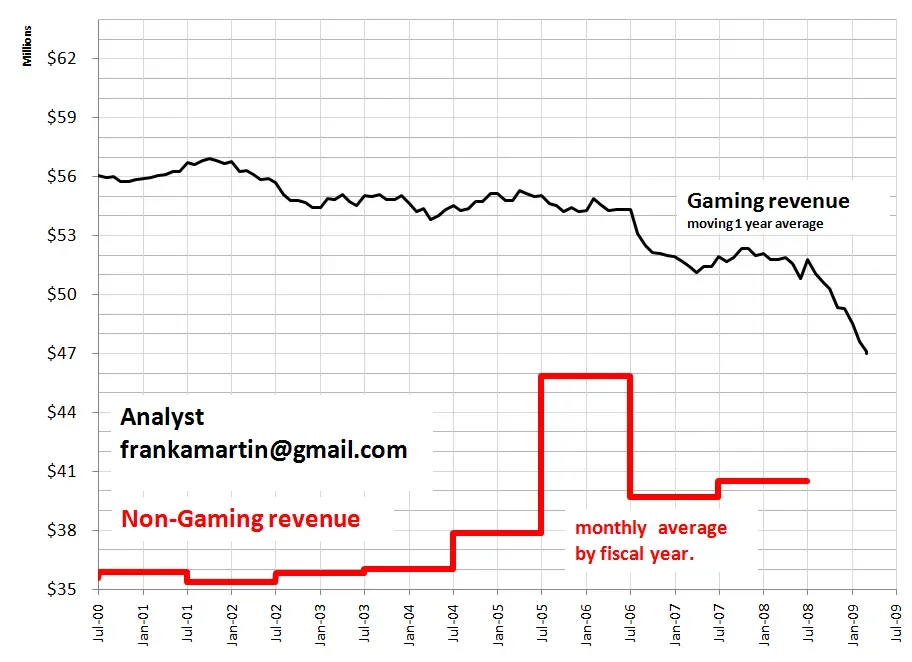
Here’s the thing about working in Las Vegas: the jobs are there, but they don’t always pay enough. According to the Bureau of Labor Statistics, Nevadans can expect to make lower wages than in other states, with an average salary of $51,080 compared to the median nationwide wage of $58,260. That’s a significant gap, especially when you’re trying to cover rent, food, and utilities in a city where costs keep climbing.
Hospitality and service jobs dominate the local economy, and while those positions are plentiful, they often come with lower hourly pay. The average weekly wage was $998 during April 2024, representing a decrease of 2.4% from a year ago, and local wages remain below the national average of $1,188 per week. When your paycheck doesn’t stretch far enough, credit cards fill the gap.
Housing Costs Are Rising Faster Than Incomes


Rent and home prices in Las Vegas have climbed steadily over the past few years, and that’s putting serious pressure on household budgets. The cost of a single-family home in Las Vegas is projected to rise by 3.7% in 2025 and 3.3% in 2026, with the median price currently at $445,000. For renters, the median rent for a two-bedroom apartment in Las Vegas is $1,328 as of September 2025.
Meanwhile, income growth hasn’t kept pace. Las Vegas’ median household income is $78,556, which sounds decent until you realize how much of that goes toward housing alone. Migration from California is affecting Nevada’s housing, with individuals moving in who have a higher ability and income to pay than the local population, creating some haves and have-nots within the housing market. When rent eats up half your paycheck, you lean on credit to cover everything else.
No State Income Tax Encourages Spending Culture


Nevada is one of those states that loves to brag about having no state income tax, and to be fair, that does put more money in workers’ pockets upfront. Because Nevada does not impose state or local income tax, residents face no filing requirements related to wages, and all wage-based and retirement income is effectively exempt from Nevada taxation. That extra cash can feel like a bonus.
The flip side? The lack of income tax increases take-home pay and simplifies financial planning, but sales taxes, hospitality fees, and certain service-related charges may raise effective costs in high-spending categories. When people see more money in their paychecks, they tend to spend more. In a city built on entertainment and instant gratification, that mindset can quickly spiral into debt when expenses outpace income.
Credit Card Interest Rates Have Soared

If you’re carrying a balance on your credit card right now, you’re probably paying more than you think. Consumers with credit card debt are now paying interest at an annual rate in excess of 20%. That’s a staggering amount, and it means that even small balances can balloon quickly if you’re only making minimum payments.
The average interest rate on credit cards is 24.20% as of March 2025, according to Federal Reserve data. Those rates have stayed elevated even as some economic pressures eased. For someone in Las Vegas already struggling with irregular income and rising costs, those interest charges can feel like drowning in quicksand. Every month you carry a balance, you’re paying hundreds of dollars just in interest alone.
Financial Literacy Gaps Make the Problem Worse


Let’s be real: not everyone knows how credit actually works, and that knowledge gap can be devastating. Nevada doesn’t rank particularly high in financial literacy, and areas with lower scores tend to see higher credit usage and bigger balances. When people don’t fully understand compound interest, minimum payments, or debt snowballing, they’re more likely to make decisions that trap them in long-term debt.
Credit card companies know this, and they market aggressively in places like Las Vegas. Free credit, rewards programs, and easy approvals make it feel harmless to sign up. Then the bills come, and suddenly you’re stuck paying double what you borrowed. Education matters, and when it’s missing, people pay the price.
Rapid Population Growth Strains Resources


Las Vegas is one of the fastest-growing cities in America, and that growth creates its own set of problems. Nevada is among the fastest-growing states in the country, ranking sixth in population growth from 2023-2024 according to U.S. Census Bureau data. More people moving in means more demand for housing, services, and jobs, but the infrastructure hasn’t always kept up.
Las Vegas’ population is expected to increase by 6,964 people by 2029, with median household income expected to increase from $66,356 to $74,082, and an additional 2,511 dwelling units are projected to be required. When wages lag behind housing needs and public services stretch thin, more residents turn to credit cards to bridge the gap. Growth is great for the city’s image, but it’s tough on the people actually living there.
Credit Marketing Targets High-Traffic Tourism Markets


Walk down the Vegas Strip and you’ll see credit card offers everywhere. Banks and card companies love tourism hubs because they’re filled with people ready to spend. That same marketing saturates residents too. The average credit card debt in the Las Vegas area is $7,060, and more than a third of cardholders – 33.4% – are using over 75% of their available credit.
Credit is easy to get in Vegas, and companies push it hard. Promotions, sign-up bonuses, and instant approvals make it feel like free money. Then reality hits. The culture of availability and the ease of access mean residents are constantly tempted to swipe instead of save. In a city where spending is part of the DNA, that’s a dangerous combination.
Conclusion: A Financial Perfect Storm

Las Vegas isn’t just dealing with one problem. It’s facing a perfect storm of economic challenges that trap residents in a cycle of debt. Unstable jobs, low wages, rising housing costs, high interest rates, and aggressive credit marketing all combine to create a situation where credit cards become a financial necessity rather than a convenience. Credit card debt can quietly destroy generational wealth for many, and that’s exactly what’s happening in Vegas.
The city’s glitzy reputation hides a harsher truth: many people who live there are barely keeping their heads above water financially. Until wages rise, housing stabilizes, and financial education improves, Las Vegas will likely remain at the top of the list for credit-card-to-income ratios. What do you think could actually help residents break this cycle? The answer might be more complicated than any of us want to admit.