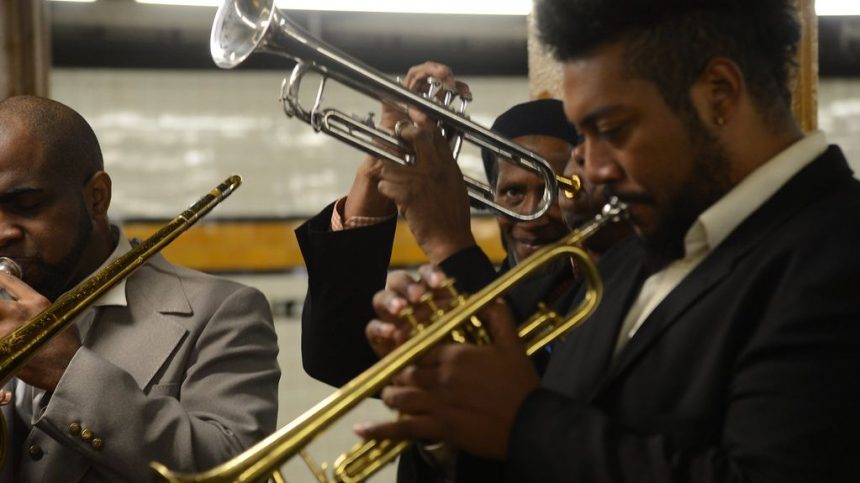
There’s a specific kind of stillness that arrives when you put on , press play on a song you haven’t heard in years, and suddenly find yourself somewhere else entirely. Not metaphorically. Emotionally, neurologically, almost physically transported. The room you’re sitting in becomes secondary. What floods in instead is a version of yourself from a decade ago, or two, with all the texture and feeling that came with it. This isn’t a coincidence, and it’s not simply sentimentality. The combination of music and the intimacy of headphone listening creates a set of psychological and neurological conditions that are unusually good at pulling the past into the present. Understanding why takes us through memory science, brain imaging research, and something surprisingly human: the way our teenage years quietly wire everything that comes after.
Music as a Direct Line to Autobiographical Memory

Music can transport the listener to past times and places in their life, as well as to the emotions attached to them. Listening to a piece of music played often during a significant life event many years ago can trigger a deeply nostalgic emotional experience. What makes this different from other memory triggers – a photograph, a smell, a familiar place – is the speed and completeness of it. A song can unlock a whole emotional state within seconds.
Nostalgia can be triggered by various senses such as sight, smell, and taste, but nostalgia induced by music may enhance the effects of these nostalgic functions more effectively. Music is known to have effects such as lowering cortisol levels and reducing stress, as well as decreasing negative emotions and evoking positive ones. This positions music not just as a passive memory cue but as an active emotional regulator – one with a surprisingly fast mechanism of action.
What Happens Inside the Brain During Nostalgic Listening

A study led by Assal Habibi of the Brain and Creativity Institute at USC Dornsife found that nostalgic music engages both the brain’s default mode network, which is linked to memory and self-reflection, and its reward circuitry. The findings, published in the journal Human Brain Mapping, offer scientific insight into why music can serve as a powerful tool to help people with Alzheimer’s disease and other memory-related conditions reconnect with their past.
In 57 participants, listening to nostalgic music, more than familiar non-nostalgic or unfamiliar music, was associated with bilateral activity in the default mode network, salience network, reward network, medial temporal lobe, and supplementary motor regions. That’s a wide-ranging neural response – far more expansive than what happens when we simply hear a song we recognize and like. The nostalgic version activates memory, emotion, self-referential thought, and physical sensation all at once. Headphones, by removing the outside world, allow that response to run deeper and with fewer interruptions.
The Reminiscence Bump: Why Teenage Songs Never Really Leave
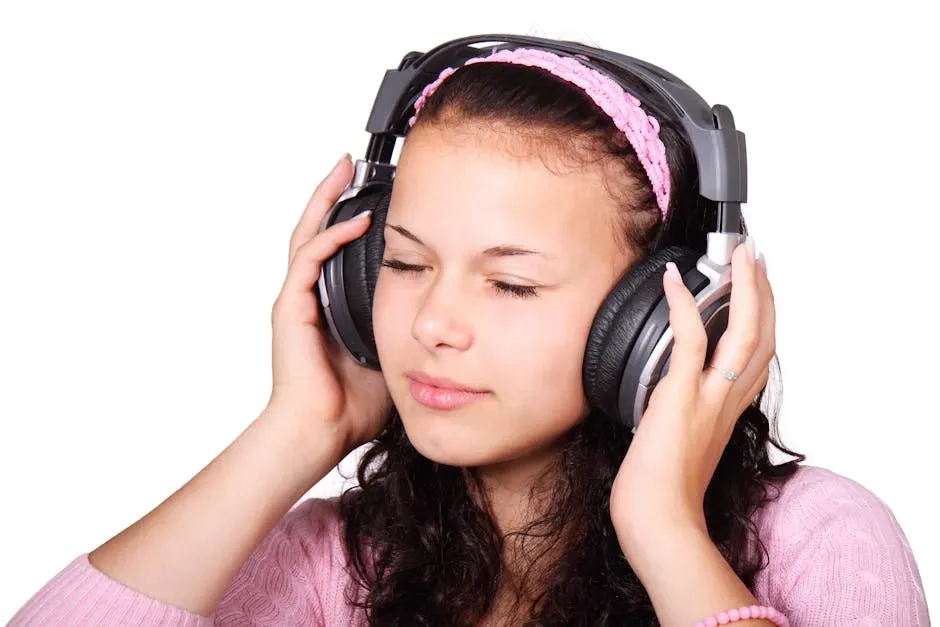
A global study led by the University of Jyväskylä reveals that our most emotionally resonant music tends to come from our teenage years, peaking around age 17. This pronounced pattern, known as the “reminiscence bump,” reflects our tendency to form the strongest emotional ties to music from our teenage years. This bump helps explain why songs from adolescence often remain deeply meaningful even decades later.
Research suggests that memories are easily accessible from the reminiscence bump because they are linked to self-identity. The memories found within the reminiscence bump significantly contribute to an individual’s life goals, self-theories, attitudes, and beliefs. Additionally, life events that occur during this period, such as graduation, marriage, or the birth of a child, are often very novel, thus making them more memorable. Songs from those years aren’t just catalogued as music. They’re embedded in the architecture of who we became.
The Intimacy of Headphones as a Psychological Chamber
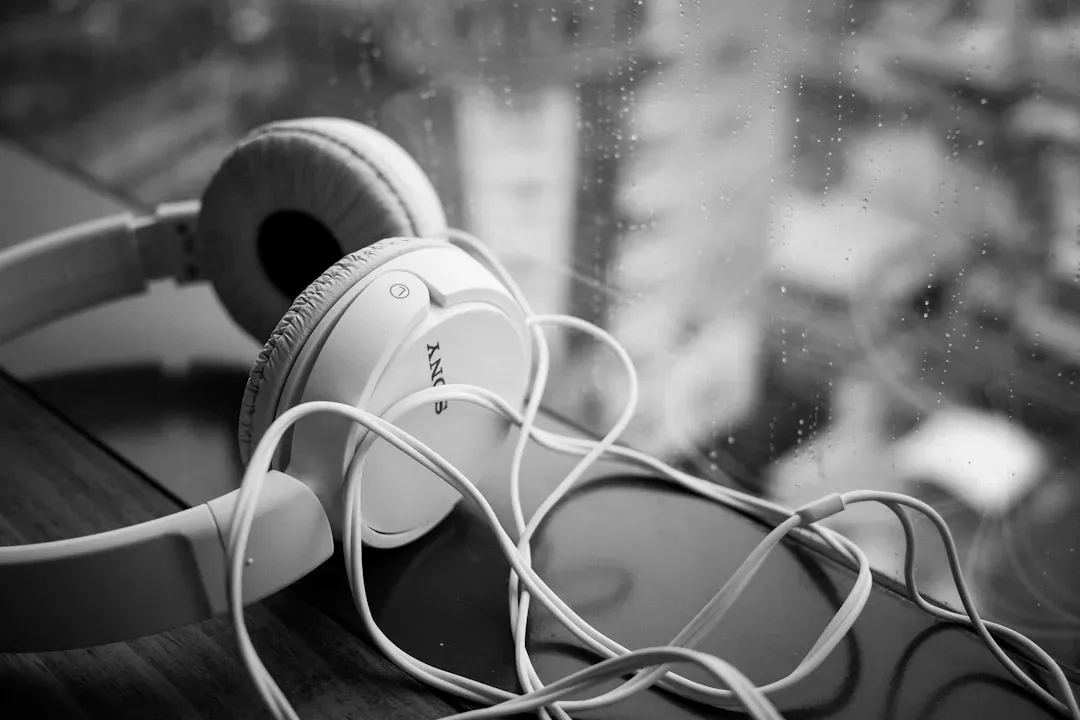
Listening does something that speakers can’t fully replicate. The sound enters directly, without the mediation of a physical room. There’s no acoustic distance, no ambient leakage, no sense that the music is happening somewhere slightly outside of you. It’s inside your head, in an almost literal sense. That intimacy changes the emotional quality of listening in ways that matter for nostalgia specifically.
Nostalgia was stronger to the extent that a song was autobiographically salient, arousing, familiar, and elicited a greater number of positive, negative, and mixed emotions. Headphones amplify all of these qualities simultaneously. They increase perceived arousal by raising the sense of presence and immersion. They help block external distractions that might dilute emotional salience. The result is a more complete, more absorbed encounter with a song that already carries enormous personal weight.
Nostalgia’s Psychological Payoff Goes Beyond Sentiment

Music-evoked nostalgia confers approach-oriented psychological benefits in the social domain by fostering social connectedness, in the self-oriented domain by raising self-esteem, instilling a sense of youthfulness, elevating optimism, and enhancing inspiration, and in the existential domain by strengthening meaning in life and augmenting self-continuity. These aren’t small effects. They’re the kinds of changes that people sometimes seek therapy to achieve.
Nostalgia is considered a psychological resource that can support healthy aging. It is a bittersweet emotional experience associated with recollections of the past, frequently experienced in everyday life and across age and cultural boundaries. Nostalgia has negative aspects but is mainly perceived as a positive emotion. Nostalgic experience has also been associated with a reduction in loneliness and an increase in self-esteem, self-continuity, and optimism. The fact that a pair of headphones and a playlist can tap into this speaks to just how close to the surface these resources really are.
Cross-Generational Nostalgia and Why It’s Growing
Younger listeners, both men and women, often form deep connections to music released decades before they were born – typically from about 25 years earlier. Researchers term this phenomenon the “cascading reminiscence bump,” and they believe it reflects strong cross-generational influence, likely shaped by music introduced by parents, family, or enduring cultural icons from earlier eras. This means nostalgia through music is no longer strictly a backward-looking phenomenon for older listeners.
Research shows that music can help preserve long-term memory, and because it is deeply integrated into daily life, musical memories are often associated with personal experiences and events. Thus, music can serve as a trigger for autobiographical memories. Music that is closely tied to an individual’s past is known to promote spontaneous recall of memories in older adults. Whether you’re 22 listening to your parents’ records through noise-cancelling headphones, or 55 revisiting the songs that defined your college years, the mechanism is the same. The brain finds the thread and pulls.
Music heard becomes something closer to a private conversation with your own past. The outside world quiets down. The song fills the space. And somewhere between the first verse and the chorus, time does what it almost never does anymore – it folds.